


Small, thin lettering tattoos might seem easy to remove at first glance. However, once removal begins, it often takes longer than expected.
This article explains why lettering tattoo removal is not easy and outlines methods to reduce scarring.
Thin Does Not Mean Shallow
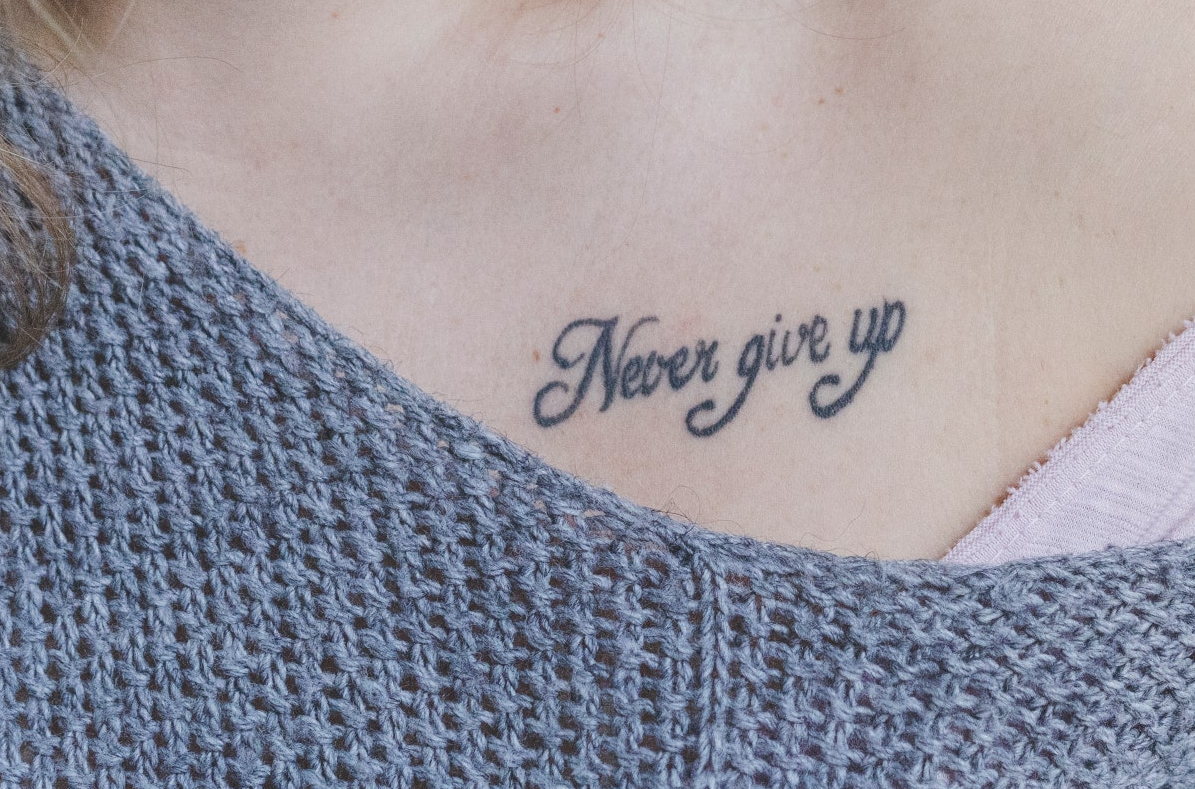
Lettering tattoos often involve deep ink penetration. Although they appear thin, the ink is often injected deep into the dermis to maintain clear lines.
Since the hidden ink beneath the skin must be addressed, the depth of the ink, not the thickness of the lines, determines the number of sessions.
Why Older Lettering is More Challenging
Over time, lettering tattoos can spread or clump like bleeding ink. In such cases, it may require multiple irradiations with higher energy than simple thin lines.
| Condition | Removal Requirements |
|---|---|
| Recently done thin lines | Finely break down evenly distributed ink |
| Older, blurred or clumped lines | Multiple irradiations with higher energy |
Equipment Used and R-Zero Method
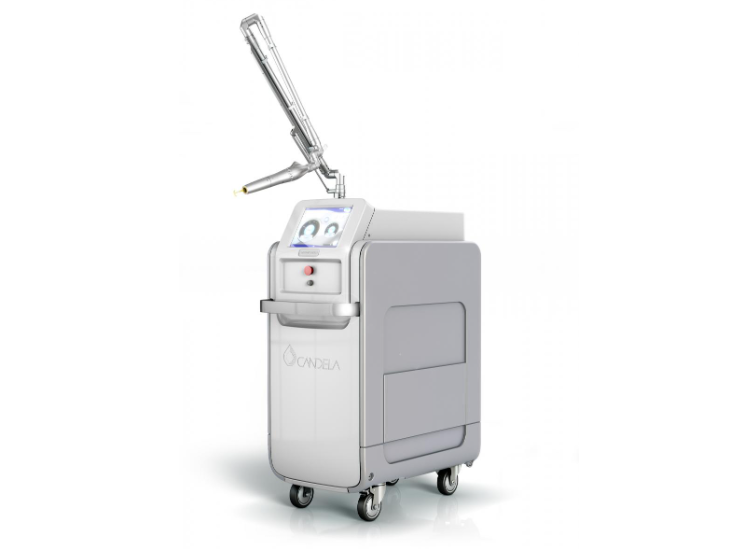
Most dermatology clinics utilize picosecond lasers. PicoWay, PicoSure, and PicoPlus fall into this category and finely break down evenly distributed ink in thin lines.
By applying the R-Zero Technique, up to 4 repeated irradiations are possible in a single session. The equipment configuration is detailed in the R-Zero Pico-Frectat Tattoo Removal guide.
If you have any questions, you can ask them via Chat Now.
Smaller Tattoos Make Scars More Noticeable
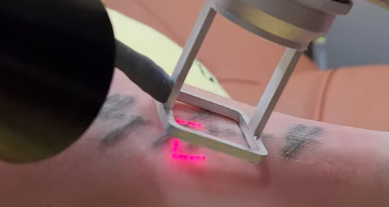
Even with small lettering, if scars or discoloration occur after removal, they can become more noticeable. This is because the remaining marks stand out relatively more due to the original small size of the tattoo.
Therefore, combining the Pinhole Technique with a CO2 laser for post-treatment finishing can induce skin regeneration and reduce scarring. More details can be found in the Pinhole for Burn & Surgical Scar treatment guide.
Things to Check When Planning
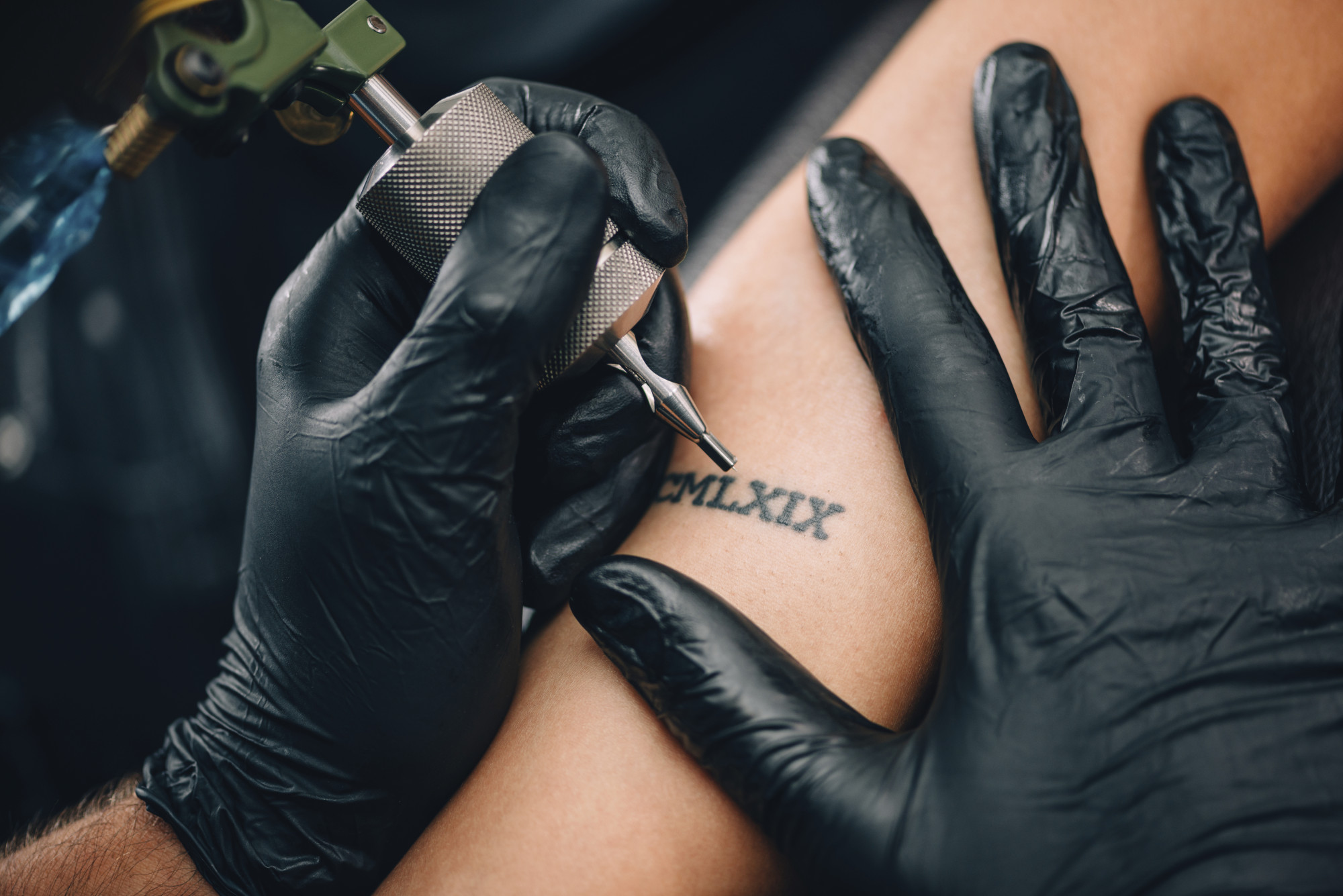
- How deep the lettering lines penetrate the dermis
- Whether there are old, blurred, or clumped sections
- Whether to include recovery treatments for finishing
Smaller tattoos require a more meticulous approach. It is recommended to proceed with a dermatologist experienced in tattoo removal.
The overall treatment flow can be checked in the Tattoo Removal Treatment Guide.

Authored and Medically Reviewed by Dr. Kang Jin-Moon, Chief Director (Dermatologist) Graduated from Yonsei University College of Medicine · Resident in Dermatology at Severance Hospital · Current Adjunct Professor, Department of Dermatology, Yonsei University College of Medicine Member of the Korean Society for Aesthetic and Dermatologic Surgery · Author of Medical Body Care View Medical Staff Profile
First Published 2025-06-18 · Last Reviewed 2026-07-29
This article contains general medical information and does not substitute for individual diagnosis and treatment. Results and recovery progress may vary among individuals.