


The number of people choosing tattoos as a way to express their individuality has significantly increased. Consequently, many more people are also looking to remove their tattoos.
At this time, the biggest concern is scarring after tattoo removal. We have summarized why scars occur, how to prevent them, and what to do during the recovery period.
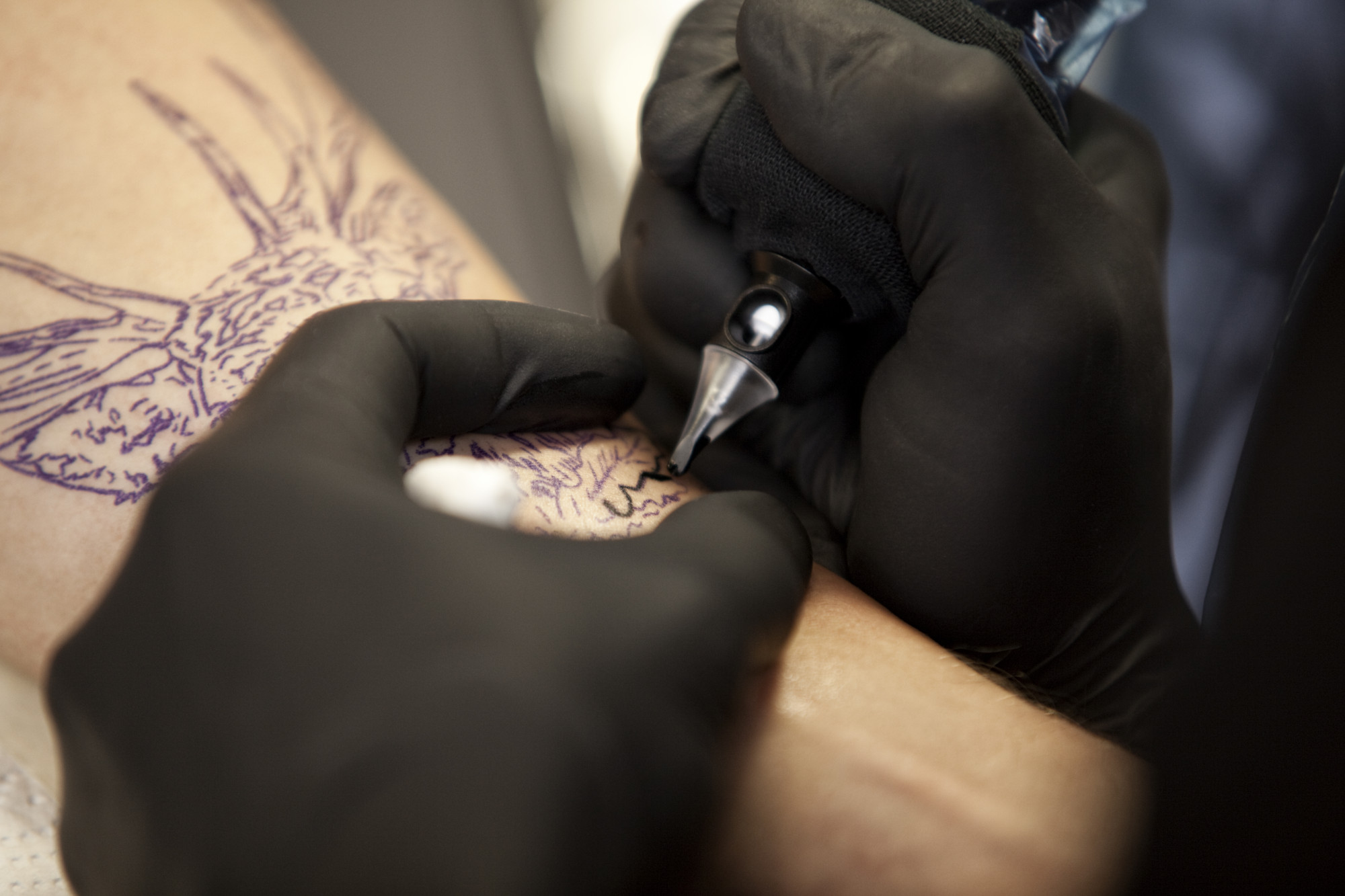
When Pigment is Broken Down, the Body Processes It
Tattoo removal is a procedure that uses a laser to break down the tattoo pigment injected into the skin. The fragmented pigment is consumed by macrophages, which are immune cells in the body, and the tattoo gradually fades.
The overall flow of the procedure is summarized in Tattoo Removal Treatment.
Scars Usually Start with Intensity
If the laser intensity is excessively strong to enhance the effect, scars are likely to form.
To achieve results without leaving scars, it is necessary to assess each individual's skin condition and tattoo pigment amount, and then apply the appropriate intensity. The criteria for output adjustment are also discussed in R-Zero Pico-Frectat Tattoo Removal.
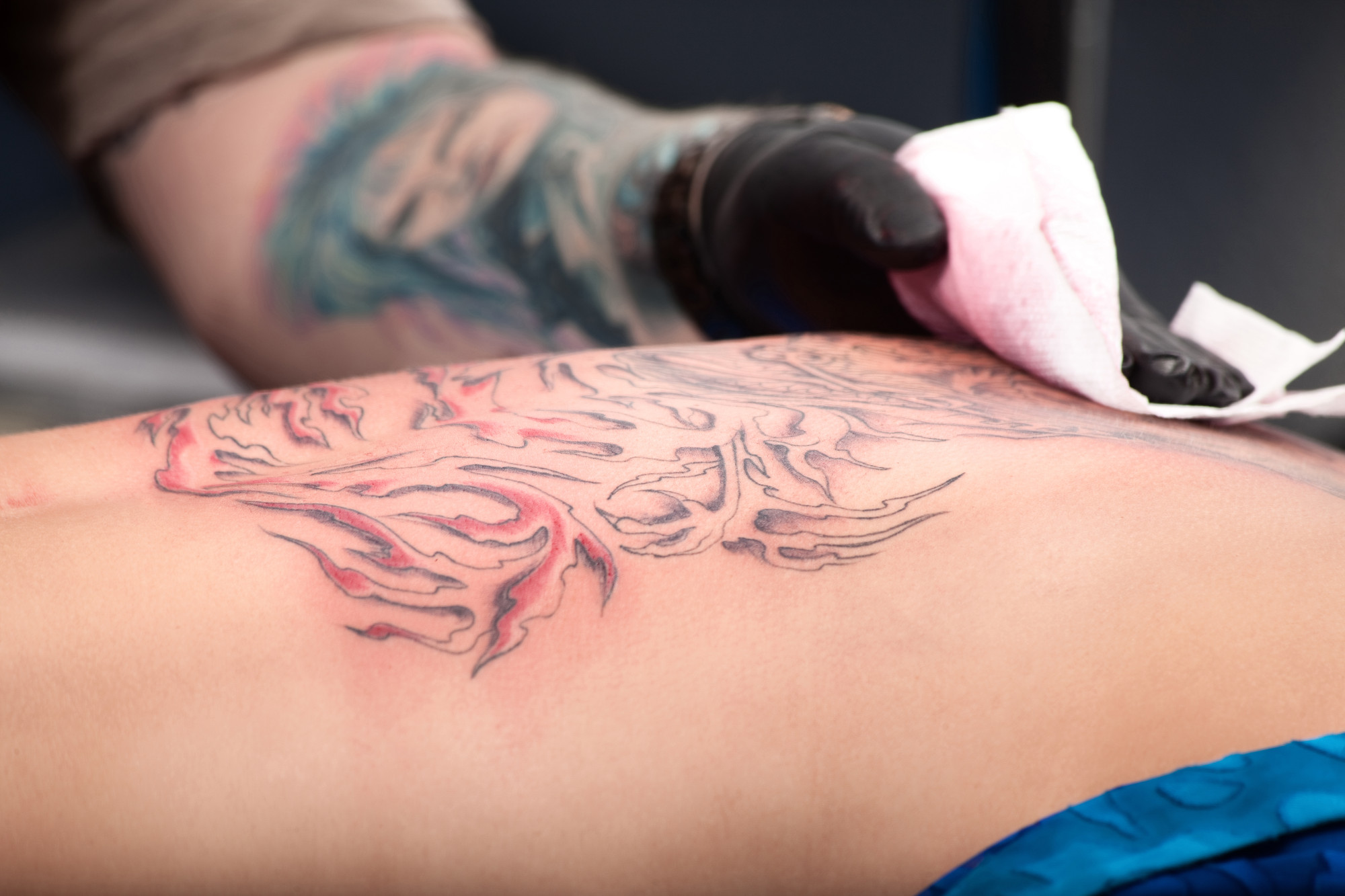
An Additional Step to Reduce Blisters
Our clinic makes additional micro-holes in the treated area with a high-output laser after the procedure. This can minimize the formation of blisters and help prevent scars. This method is explained in more detail in Pinhole for Burn & Surgical Scar.
This is also why we recommend having the procedure performed by a dermatologist with extensive experience.
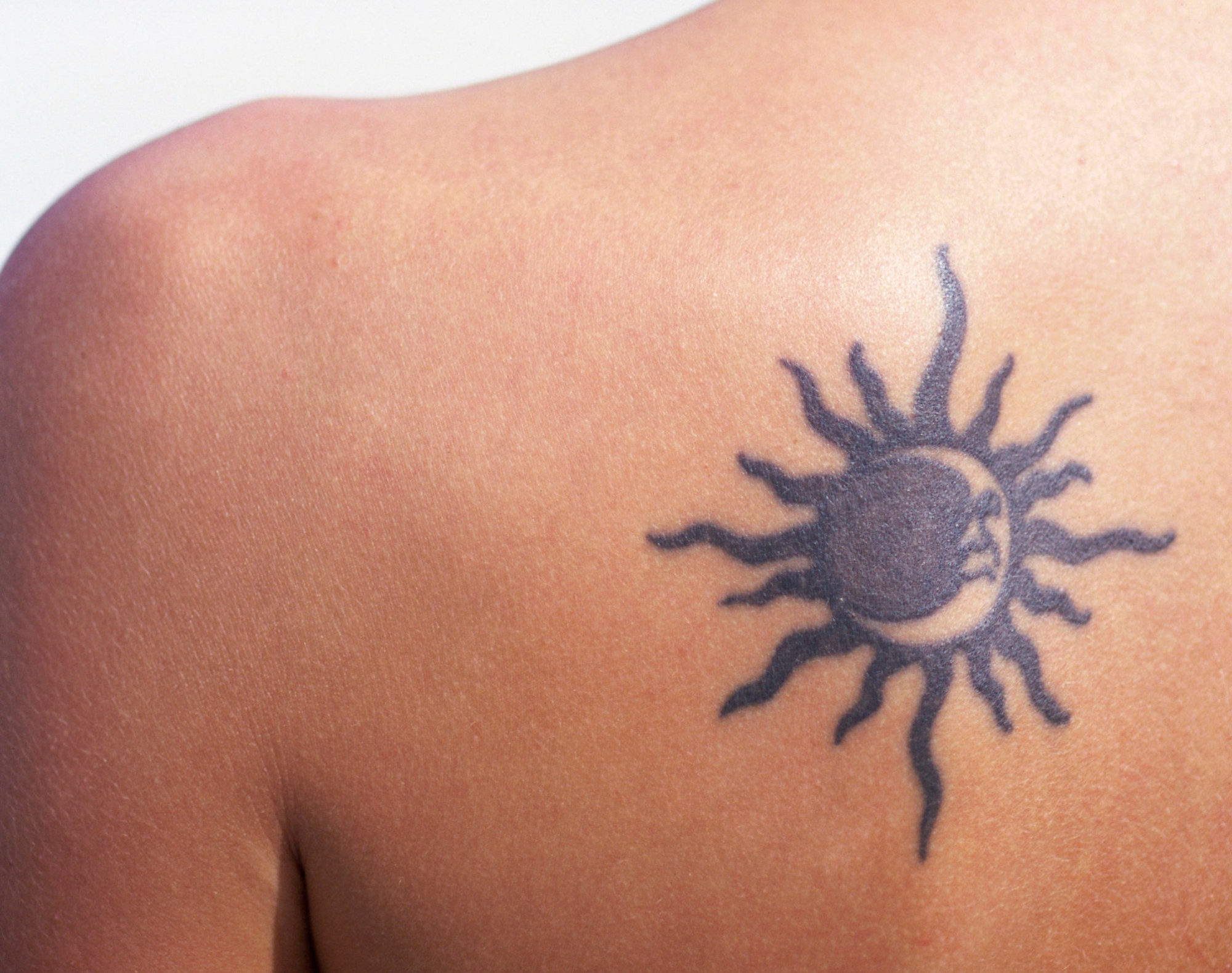
Possible Reactions After the Procedure
When a laser is applied to the skin, the injected pigment bursts, irritating the skin. Therefore, the following reactions may temporarily appear after the procedure:
- Redness
- Swelling
- Pain
- Blisters
- Scabs
The degree may vary from person to person.
What to Do and What to Avoid During Recovery
| Situation | Management Method |
|---|---|
| Post-procedure recovery period | Apply regenerative cream 2-3 times a day |
| When blisters form | Use antibiotic ointment |
| Redness and swelling | Cold compress |
| Hydrocolloid bandages | Do not apply, as allergic reactions may occur |
If you are unsure about the management method, you can inform us of your condition via Chat Now.
If Blisters Form
It is best not to pop blisters. However, if blisters are large or burst on their own and ooze, daily dressing is necessary.
Most of these reactions naturally disappear with proper post-procedure care. You do not need to worry too much.
If you have been postponing removal due to concerns about scarring, please feel free to inquire via Consult via Chat.

Authored · Medically Reviewed by Chief Director Lee Sang-joo (Dermatologist) Graduated from Yonsei University College of Medicine · Completed dermatology residency at Severance Hospital · Served as professor of dermatology at Yeongdong Severance Hospital Currently Visiting Professor, Department of Dermatology, Yonsei University College of Medicine · Author of "Acne Bible," "Skin Barrier" View Medical Staff Profile
First Published 2024-05-31 · Last Reviewed 2026-07-29
This article contains general medical information and does not substitute for individual diagnosis and treatment. Results and recovery progress may vary from person to person.