


Today, I'd like to answer frequently asked questions about tattoo removal: how much can be removed, and when is the best time to start.

How much removal counts as 'removed'?
Researchers studying tattoos consider a state where a significant portion of the tattoo has disappeared as the criterion for removal. Complete removal is not entirely impossible.
Based on clinical experience, some individuals achieve very clean removal, while others may have faintly remaining areas. There can be individual differences in results.
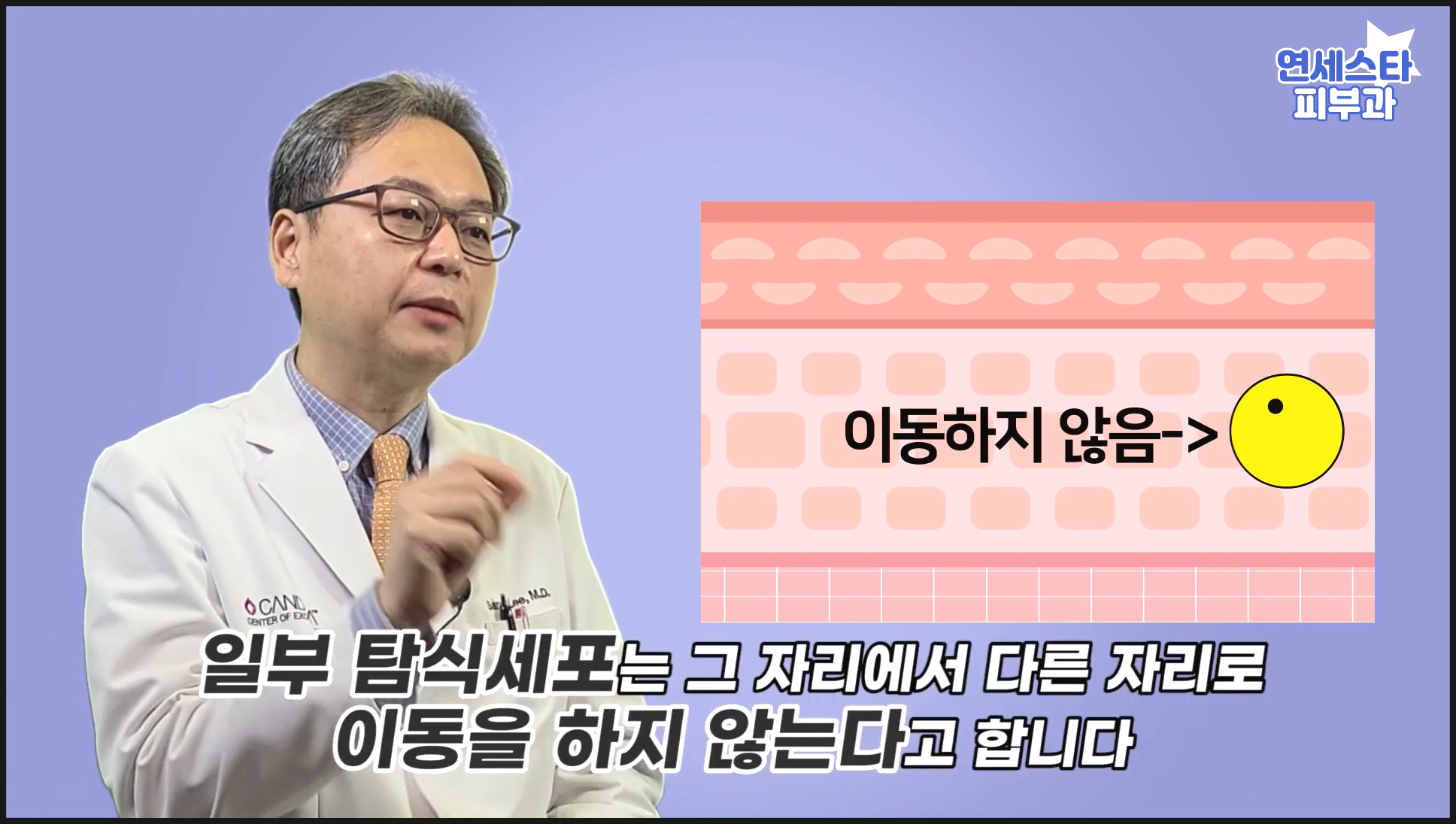
Phagocytes that stay in place
When tattoo particles are broken down into small pieces, the skin's phagocytes move them. However, some phagocytes are said not to move from their original location to another.
According to recent research, even if these phagocytes die, the phagocytes beneath them will re-engulf the tattoo particles and remain in the same spot.
This is cited as the reason why faint pigment may remain even after removal. Information on equipment and methods for pigment treatment is organized in the R-Zero Pico-Frectat Tattoo Removal guide.
Caution is needed if you have a keloid constitution
Keloid skin is a skin type that is more prone to scarring than others. If you have a keloid constitution, caution is required during removal procedures.
If you have a tattoo on keloid-prone skin and undergo laser treatment, the likelihood of scarring in that area is higher than for others. If there is a possibility of scarring, it is advisable to receive appropriate treatment early on or to seek treatment at a specialized keloid hospital.
Procedures that address scars can be found in the Pinhole for Burn & Surgical Scar guide.
Reasons why earlier timing is more advantageous
For removal, treating before the skin heals is more effective. However, the treatment effect does not significantly change after the skin has healed.
If you are not satisfied with your tattoo after the procedure, it is best to remove it as soon as possible.
- After getting a tattoo, a wound forms in that area.
- Laser treatment through that wound allows tattoo ink to be removed more quickly.

Summarized by condition
| Condition | Impact on Removal |
|---|---|
| Phagocytes remain in place | Faint pigment may remain |
| Keloid constitution | Relatively higher possibility of scar formation |
| Before skin heals | Favorable time for ink removal |
| After skin heals | Treatment effect does not significantly change |

To conclude
Tattoo removal is a procedure with a range of outcomes depending on the conditions. Identifying which conditions apply to your tattoo is the starting point.
You can view the treatment process in the Tattoo Removal Treatment Guide, and if you have any questions, you can leave them via Chat with us now.

Authored · Medically Reviewed by Jinmun Kang, Chief Director (Dermatologist) Graduated from Yonsei University College of Medicine · Completed Dermatology Residency at Severance Hospital · Former Professor at Bundang CHA Hospital Currently Adjunct Professor, Department of Dermatology, Yonsei University College of Medicine View Medical Staff Profile
First Published 2024-12-27 · Last Reviewed 2026-07-29
This article contains general medical information and is not a substitute for individual diagnosis and treatment. Results and recovery progress may vary by individual.