


Mini tattoos, once beautiful and meaningful, may sometimes be desired for removal due to the passage of time or professional and social reasons.
People often assume small tattoos are easy to remove, only to find themselves more bothered by post-removal pigmentation or scarring. Let's look at why this happens.
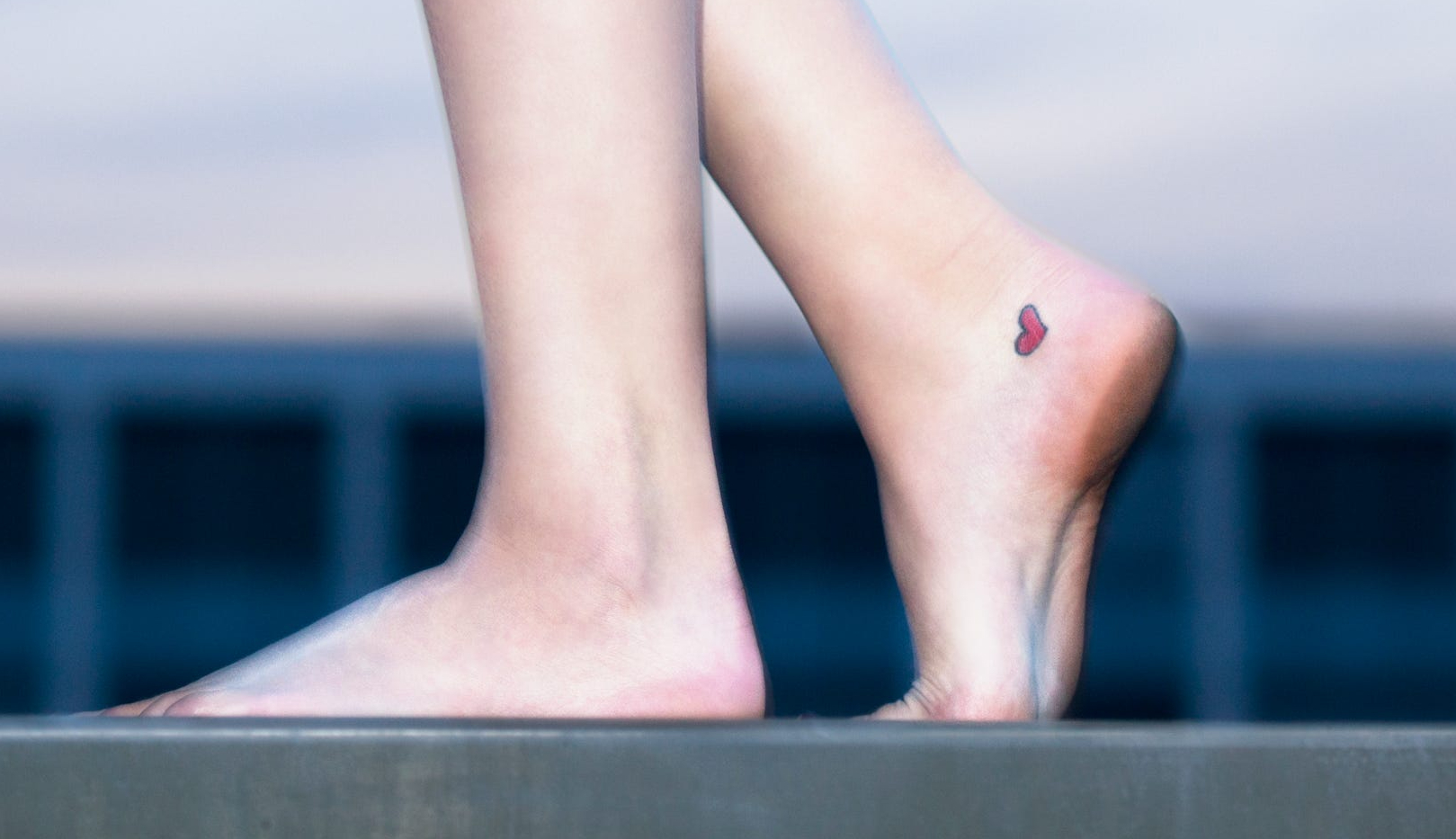
A small area does not mean easy conditions
Mini tattoos, despite their small size, often have dark and deeply etched colors. Additional conditions apply:
- If colors other than black are present, it can be more challenging as each pigment reacts to different lasers.
- They are often etched on thin and sensitive areas like fingers, wrists, or ankles.
For sensitive areas, the laser intensity and approach need to be more delicate.

Three things to check before starting
Mini tattoo removal begins with a diagnosis. We check the depth of the tattoo, the color of the ink, and your skin type.
Afterward, a PicoWay Laser delivers high-output energy deep into the skin for a short period. This method finely breaks down pigments for excretion from the body.
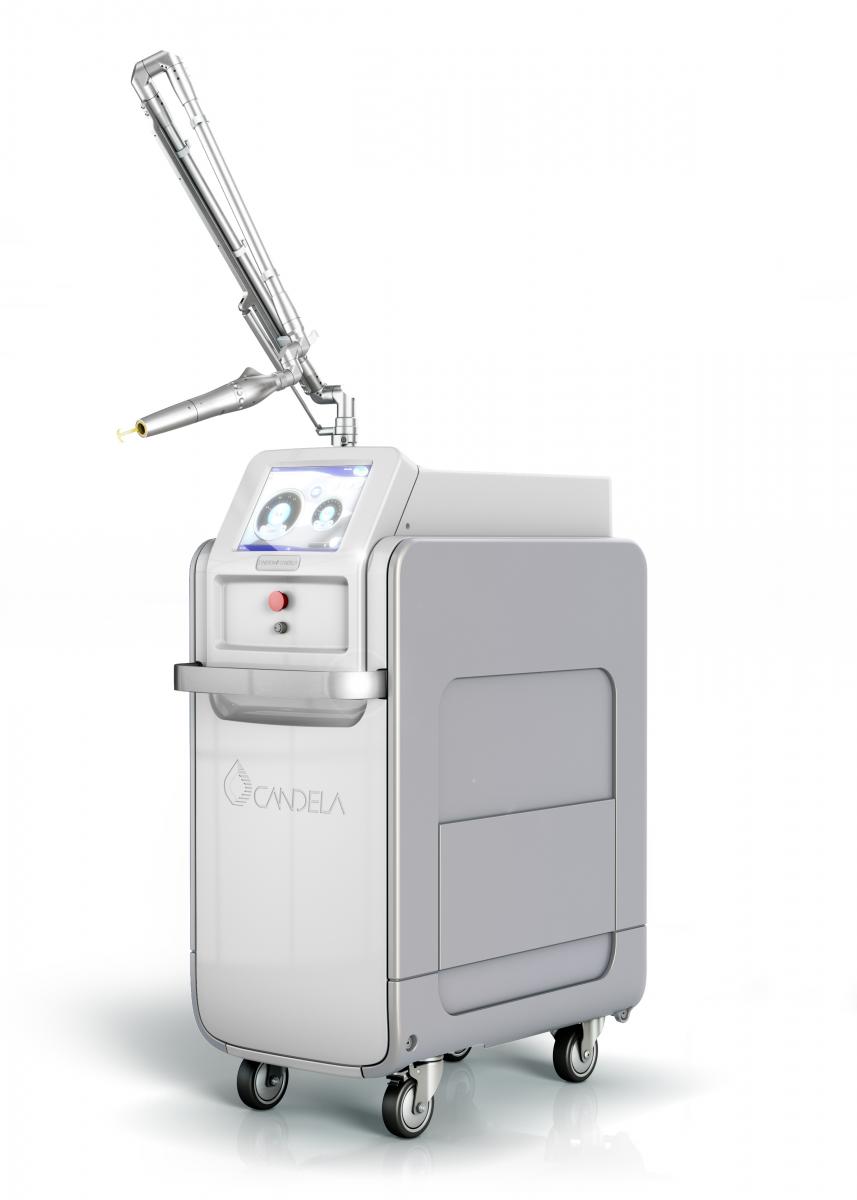
Considering R-Zero and PicoWay together
PicoWay Laser can minimize scarring and generally offers high satisfaction. Additional methods can be applied:
| Method | Function |
|---|---|
| Combined R-Zero Technique | After laser irradiation, a special medication is applied to the bubbled area, allowing for 3 to 4 irradiations at once. |
| Utilizing PicoWay Laser | Selecting the appropriate wavelength for each color for irradiation. |
Even for small tattoos, if there are multiple colors, different wavelengths must be used. The color composition, not the area, determines the treatment plan.
Treatment configurations are detailed in R-Zero Pico-Frectat Tattoo Removal, and other methods are summarized in Nd:YAG Tattoo Removal.
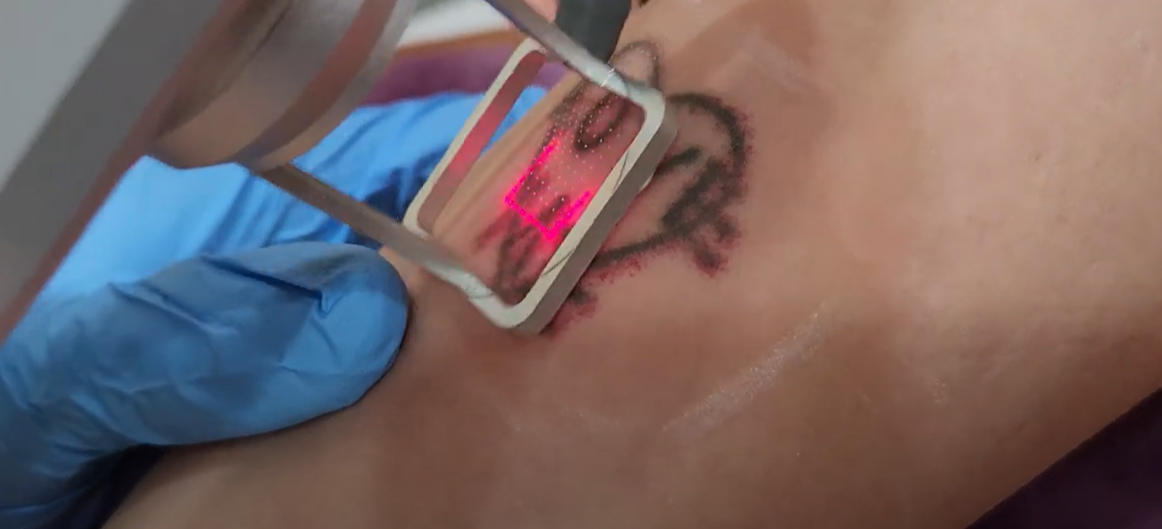
Why you should receive treatment at a dermatology clinic
Tattoo removal itself is a medical procedure, so treatments at non-medical shops are illegal and difficult to address if problems arise.
Non-medical personnel also find it challenging to manage side effects such as pigmentation or scarring.
Scar prevention through finishing touches
At a dermatology clinic, the Pinhole Technique using a CO2 laser is employed after removal irradiation to induce skin regeneration with micro-stimulation. This helps prevent scarring.
Detailed explanations are available in Pinhole for Burn & Surgical Scar.
For small tattoos, judgment is crucial
For mini tattoo removal, the key is to erase it cleanly without burdening the skin. We recommend proceeding with the accurate judgment of a board-certified dermatologist. Results and recovery may vary individually.
The overall treatment flow can be found in Tattoo Removal Treatment Guide.

Authored and medically reviewed by Dr. Jinmoon Kang, Chief Director (Board-certified dermatologist) Graduated from Yonsei University College of Medicine · Resident in Dermatology at Severance Hospital Currently Adjunct Professor, Department of Dermatology, Yonsei University College of Medicine · Former Professor at Bundang CHA Hospital Member of the Korean Dermatological Association · Member of the Korean Society for Aesthetic and Dermatologic Surgery View Medical Staff Profile
First published 2025-05-14 · Last reviewed 2026-07-29
This article contains general medical information and does not substitute for individual diagnosis and treatment. Results and recovery may vary individually.