
Many people who have received semi-permanent makeup for their eyebrows or eyeliner consider removing it if they are not satisfied with the color. However, the most frequent question during consultations is, "Can it all be removed in one go?"
To answer directly, it is performed over multiple sessions. We have summarized why this is the case and how we approach it with which equipment.
First, we check where the pigment remains
The pigment used in semi-permanent makeup penetrates deep into the dermal layer, not just the surface. Even if it appears light on the surface, the pigment may remain intact within the skin.
Due to this depth, it is difficult to remove all pigment in a single laser session. It is reported that repeating the removal process at least 3 to 5 times is effective.
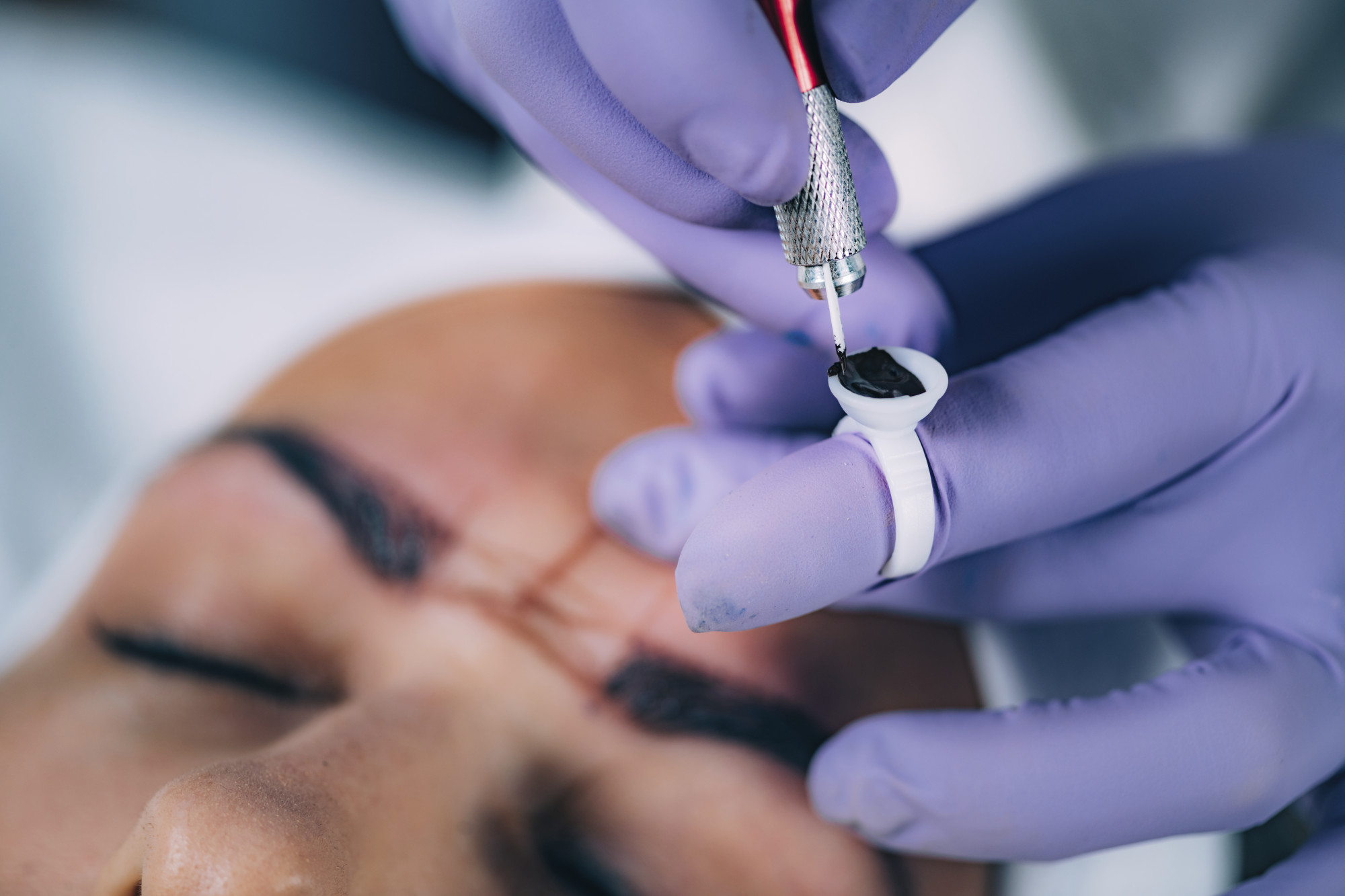
What we check before treatment
Even for the same eyebrow tattoo, the conditions vary. We check the following before designing the treatment:
- Individual skin type
- Type of pigment used
- Depth of pigment penetration into the dermis
After diagnosing these three factors, we determine the appropriate laser intensity and interval for that individual. Accurately understanding the skin condition allows us to proceed in a way that minimizes damage and the risk of scarring.
Why it should be done at a medical institution
It is advisable to have semi-permanent makeup removed at a dermatology clinic. This is because removal procedures at inexpensive shops are not permitted under medical law.
Judging the type and depth of pigment and adjusting the laser accordingly is an area that requires prior diagnosis.
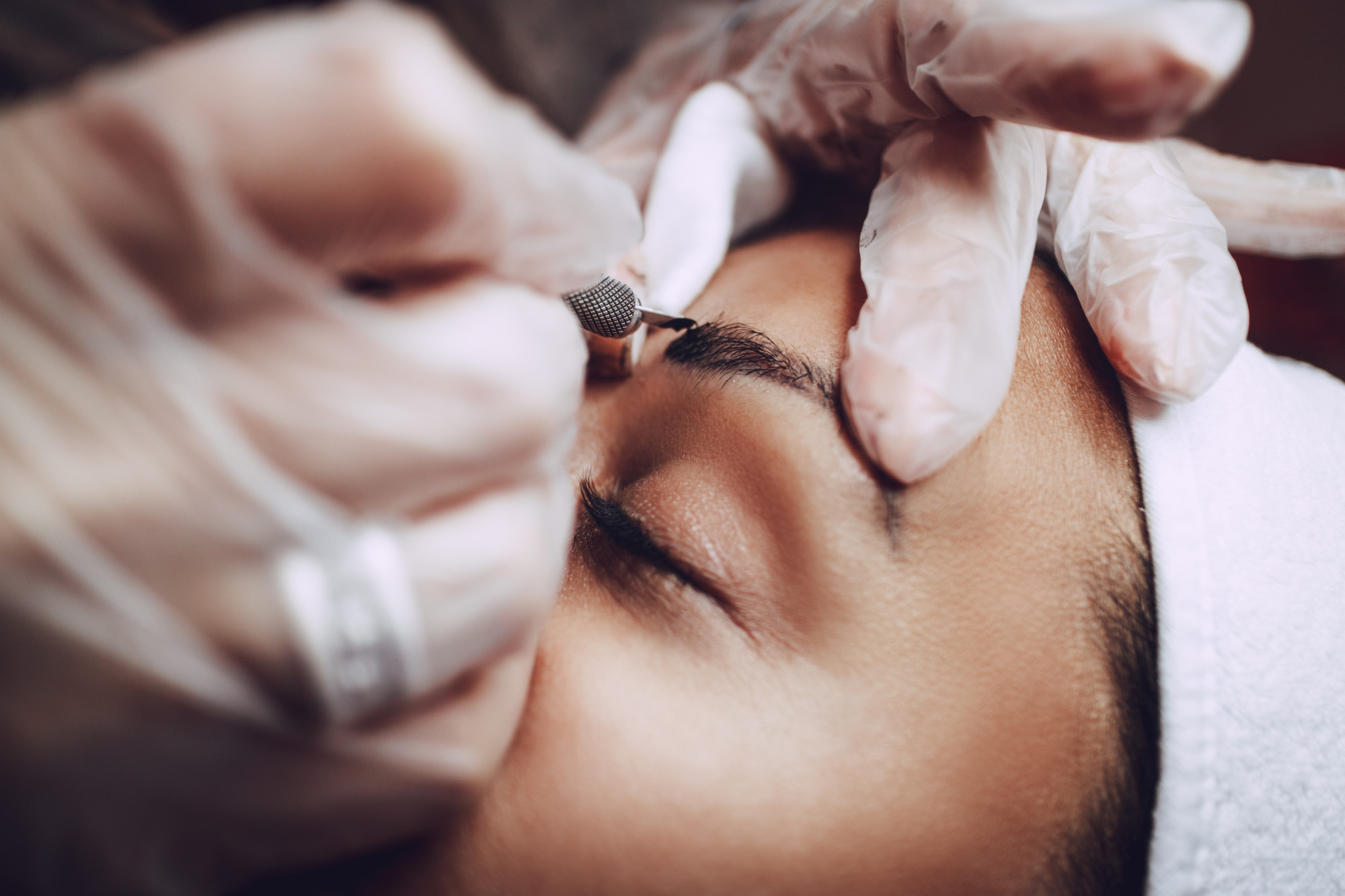
From nanosecond lasers to picosecond lasers
In the past, nanosecond lasers were used to remove semi-permanent makeup. Recently, the use of picosecond lasers has increased.
| Category | Nanosecond Laser | Picosecond Laser |
|---|---|---|
| Pulse Duration | Nanoseconds | 1 trillionth of a second |
| Pulse Speed | Relatively slow | Relatively fast |
| Surrounding Tissue | Risk of damage | Less epidermal damage |
| Pigment Breakdown | Relatively large particles | Breaks down pigment into finer particles |
| Pain | Relatively high | Minimized |
Our clinic uses PicoWay Laser, a picosecond laser, for semi-permanent makeup removal. The equipment configuration and procedure are detailed in the R-Zero Pico-Frectat Tattoo Removal guide.
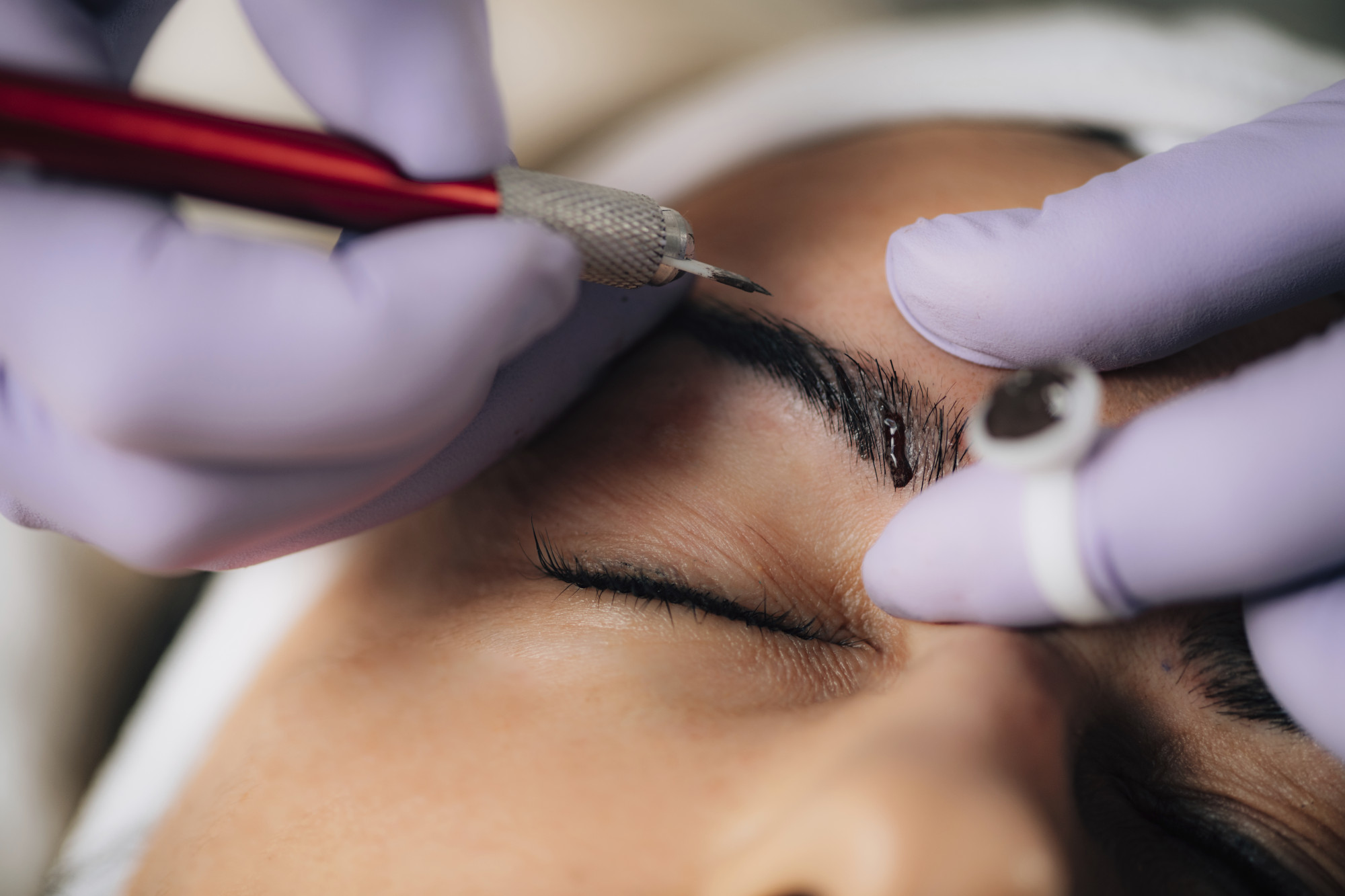
Technique of the practitioner is as important as the equipment
The outcome of semi-permanent makeup removal ultimately depends on the practitioner's skill. Based on 20 years of treatment experience in the scar field, our clinic operates a scar prevention safety system that diagnoses the individual's skin condition and minimizes potential scarring after removal.
This means we do not separate the process of removing pigment from protecting the skin. If a different approach is needed, we may use Nd:YAG Tattoo Removal.
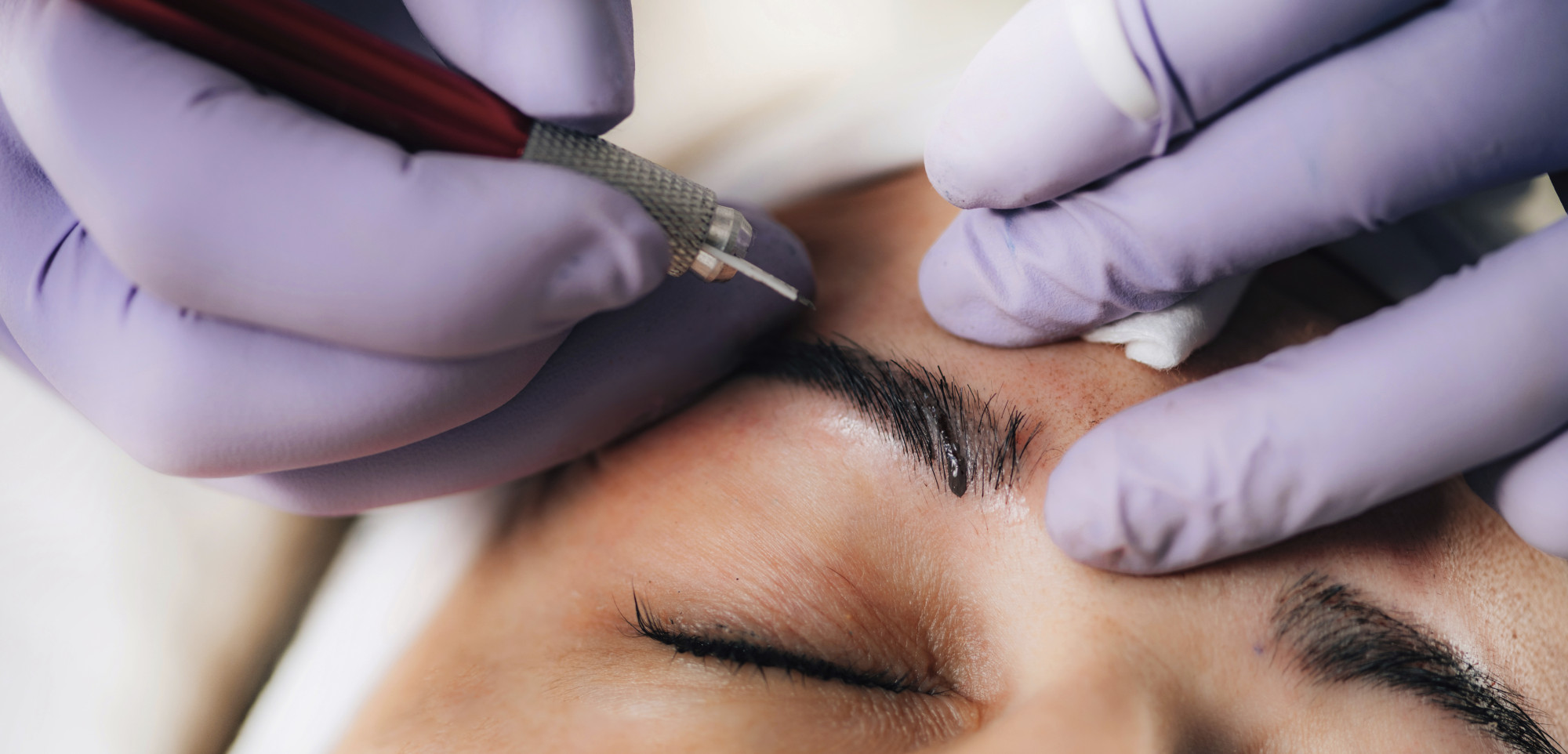
If you have decided to remove it
Remembering that it is done in multiple sessions, and that the number and interval of sessions vary depending on pigment depth and skin type, will make the consultation much smoother. Results and recovery speed may vary individually.
You can check the overall treatment flow in the Tattoo Removal Treatment Guide.


Authored and medically reviewed by Chief Director Dr. Sang-Joo Lee (Dermatologist) Graduated from Yonsei University College of Medicine · Ph.D. in Medicine from the same graduate school · Dermatology Resident at Severance Hospital Currently Adjunct Professor, Department of Dermatology, Yonsei University College of Medicine · President of the Korean Dermatological Association in 2026 View Medical Staff Profile
First published 2025-02-21 · Last reviewed 2026-07-29
This article contains general medical information and does not substitute for individual diagnosis and treatment. Results and recovery progress may vary individually.