


When undergoing laser tattoo removal, the most common concern is likely pain.
The degree of pain varies from person to person; some can undergo the procedure without anesthesia, while others say removing a tattoo is more painful than getting one.
How Lasers Create Pain
The principle of laser tattoo removal is to irradiate the tattooed area with a laser to break down the pigment into tiny fragments, which are then consumed by the body's macrophages.
When the laser breaks down the tattoo, the pigment particles burst, which can cause a sensation of pain, as if the surrounding area is being slightly flushed.
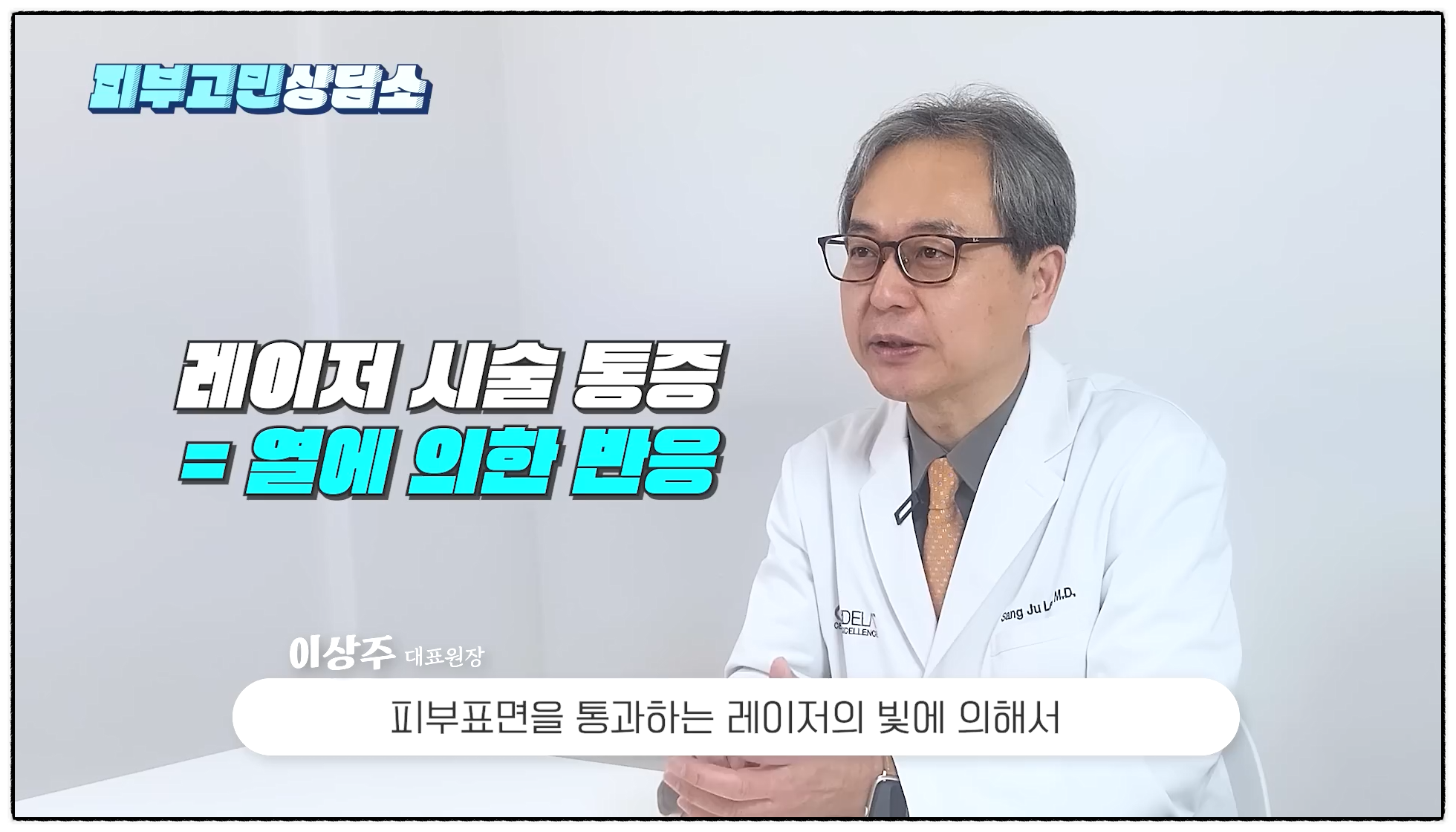
Unlike surgery, lasers use heat. The heat generated in the skin surface as the laser light passes through is also known to be associated with pain.
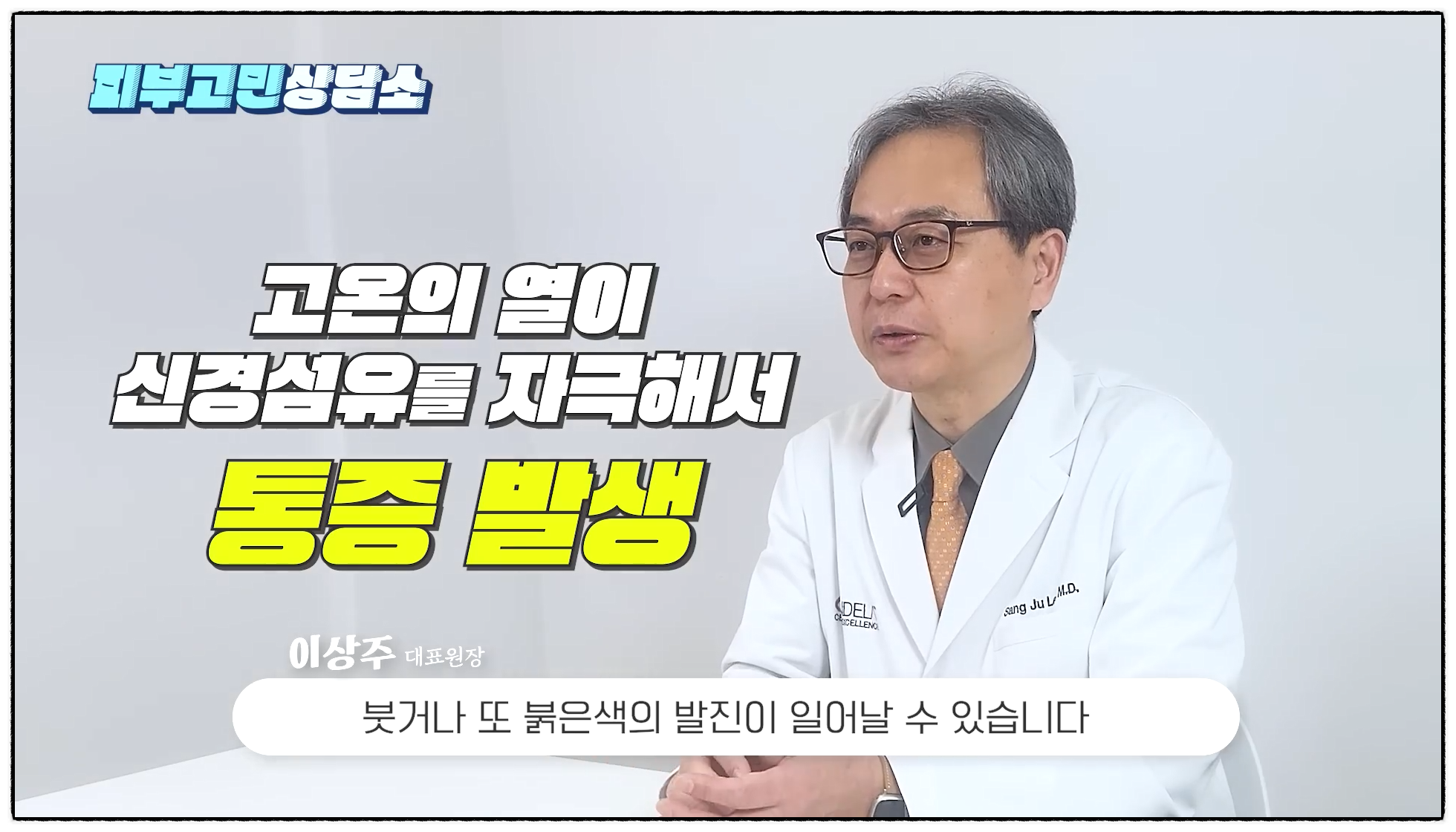
Where Does Post-Procedure Burning Come From?
Some people experience a burning and painful sensation in the treated area after laser treatment. This is because the procedure creates microscopic wounds internally.
Pain, swelling, or red rashes may occur due to the inflammatory response caused by these wounds.
Depth Topical Anesthetic Cream Cannot Reach
The most common anesthesia method is applying Topical Anesthetic Cream to the surface. Even with the cream, only the pain on the upper skin is alleviated.
Since it does not penetrate deeply, you may still feel pain if the pigment is deeply seated.
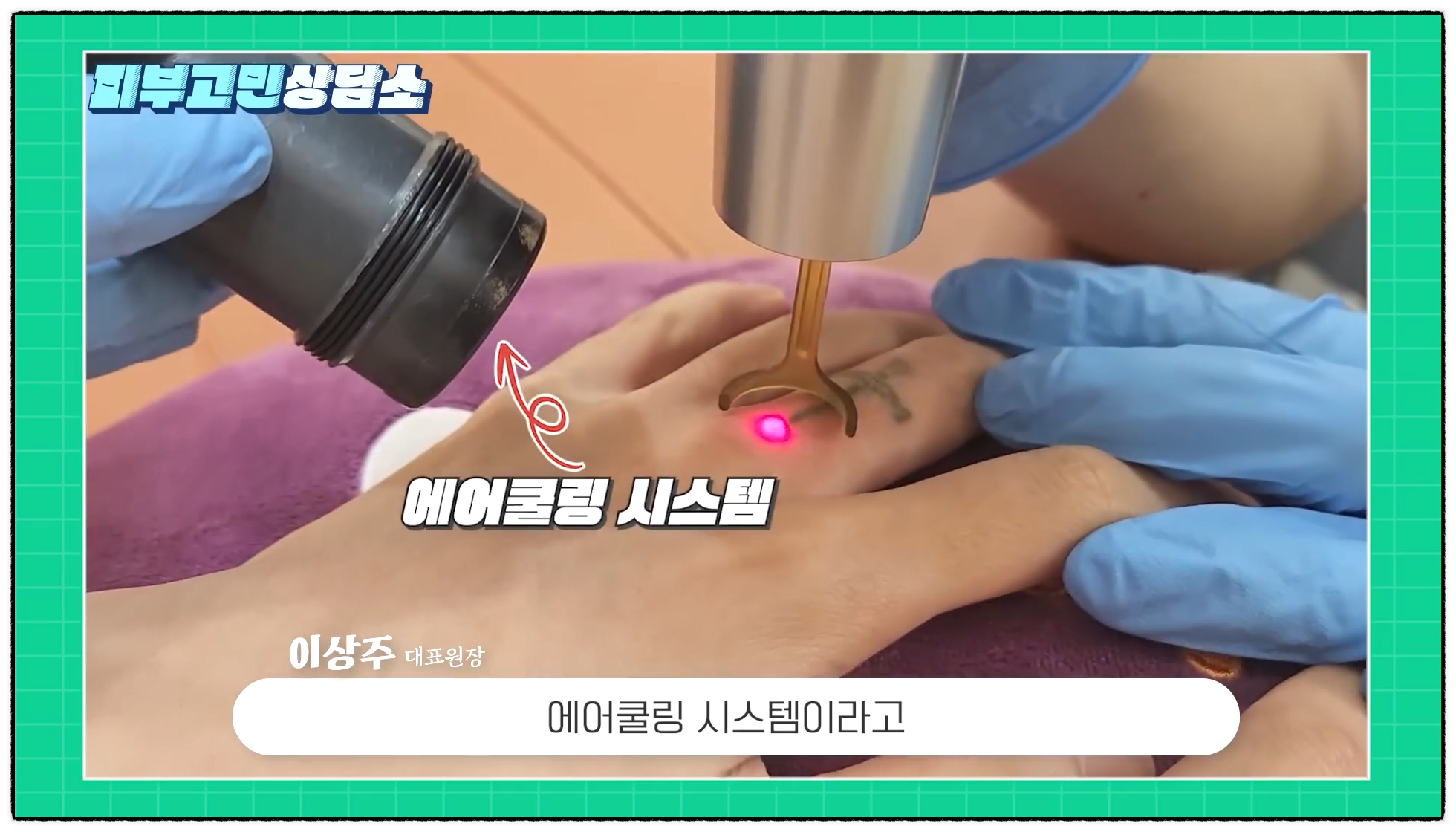
Method to Reduce Heat Sensation with Cold Air
Another method, widely used in Western countries, is the air cooling system. Cold air touching the skin helps reduce both pain and swelling in that area.
This is one of the methods Yonsei Star Dermatology Sinchon uses to reduce the burden of pain.
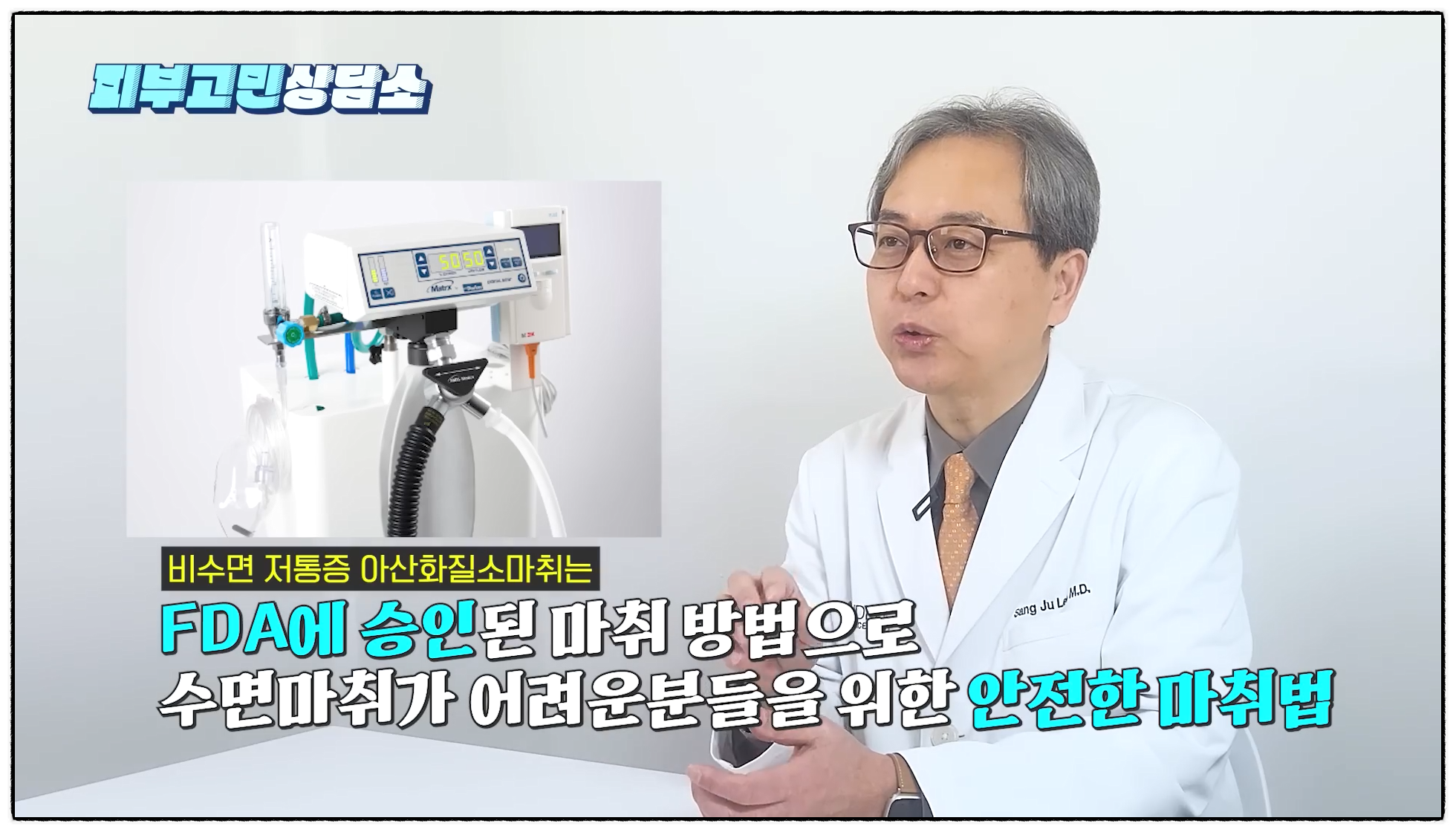
Anesthesia While Conscious
Recently, non-sedative low-pain nitrous oxide anesthesia has also been used. This method delivers oxygen and nitrous oxide through respiration, significantly reducing pain while the patient remains conscious and unsedated.
It is an FDA-approved anesthesia method that has been used for a long time in various countries, including the United States, not only in dermatology but also in pediatrics and dentistry. Its anesthetic effect and safety have been confirmed to the extent that it is used for pain relief in individuals who have difficulty with sedative anesthesia or are young.
Situations Where Sedative Anesthesia is Not Recommended
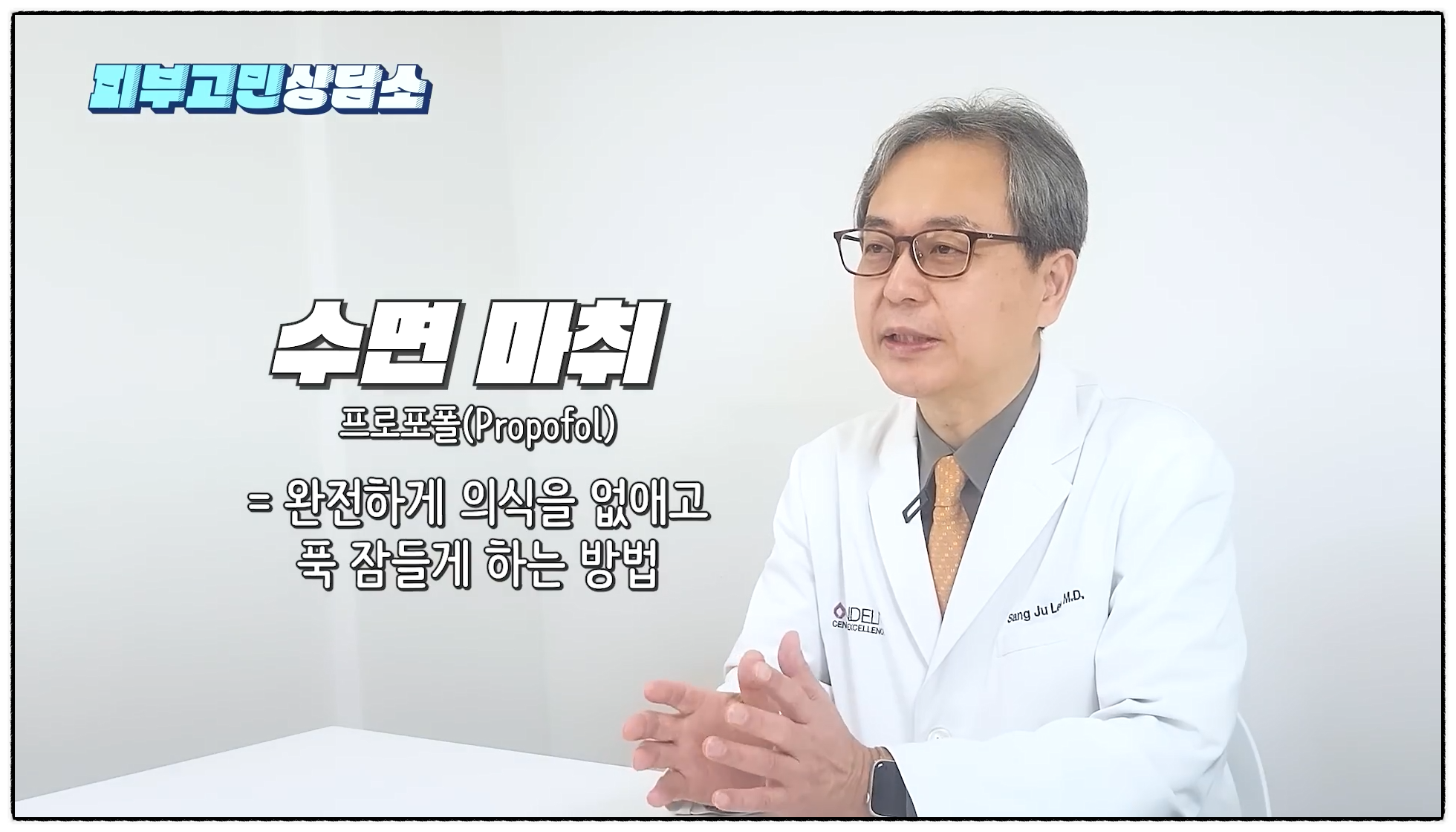
Sedative anesthesia involves administering sedatives like propofol to completely eliminate consciousness. While necessary for tattoo removal surgery, it can pose risks for minor procedures like laser treatments.
The inability to communicate with medical staff during the procedure remains a safety risk.
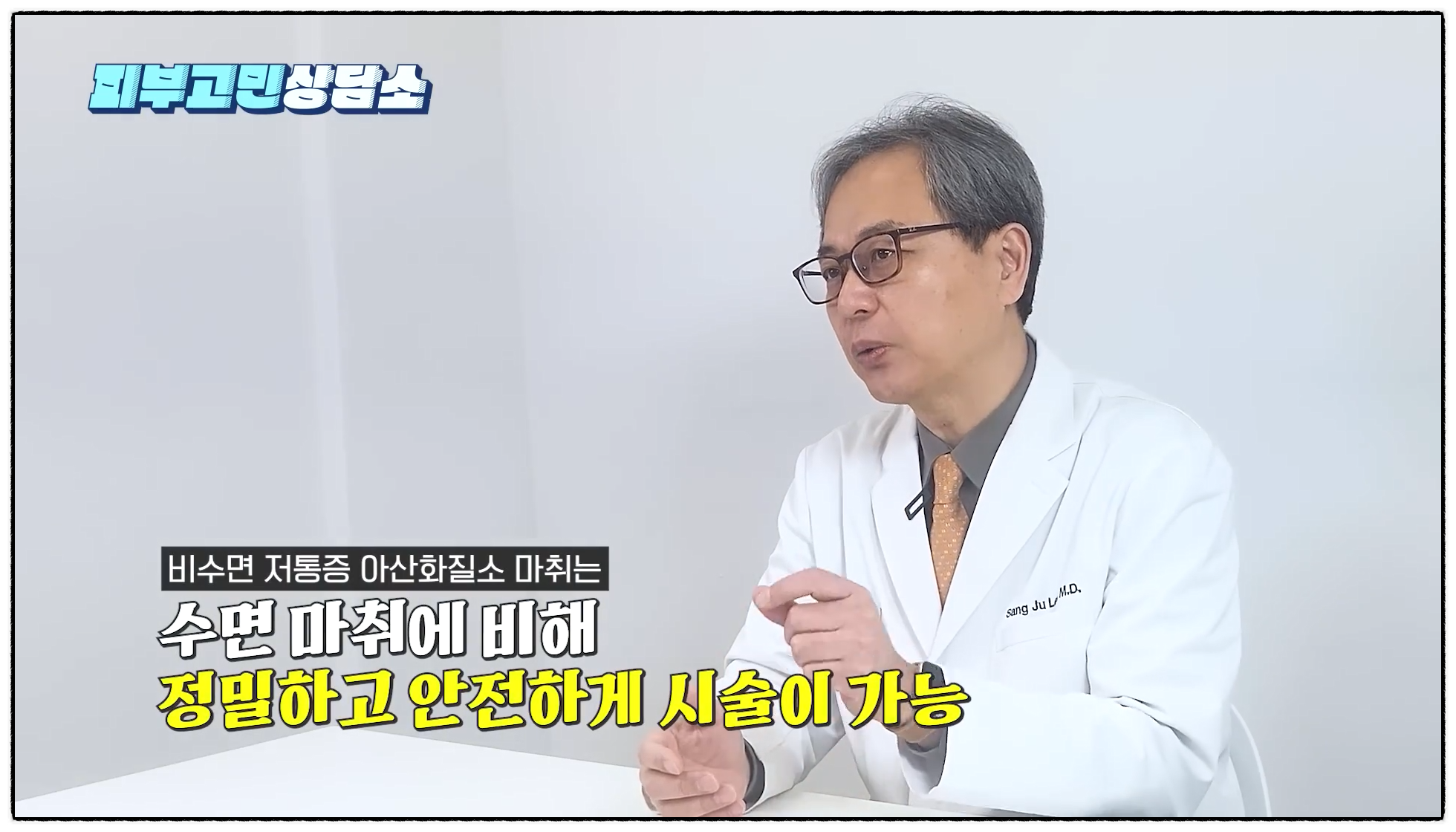
Non-sedative low-pain nitrous oxide anesthesia reduces fear and anxiety while the patient remains conscious. Communication with medical staff is possible during the procedure, allowing for more precise and safe execution.
| Anesthesia Method | Pain Coverage | Communication During Procedure | Preparation and Recovery |
|---|---|---|---|
| Topical Anesthetic Cream | Up to the upper skin | Possible | Waiting period after application required |
| Air Cooling | Surface pain and swelling | Possible | No special preparation needed |
| Non-sedative Nitrous Oxide | Alleviates pain while conscious | Possible | No fasting or recovery time needed |
| Sedative Anesthesia | Eliminates consciousness | Not possible | Fasting and recovery time needed |
- No fasting is required before the procedure.
- No separate recovery time is needed, so driving is possible after the procedure.
In Summary
Tattoo removal surgery can lead to new scars, and sedative anesthesia carries safety risks. We recommend proceeding with laser tattoo removal to minimize pain.
The procedure flow is outlined in Tattoo Removal Treatment Guide, and equipment configurations are detailed in R-Zero Pico-Frectat Tattoo Removal Guide and Nd:YAG Tattoo Removal. Since individual pain perception may vary, you are welcome to inform us of your condition via Chat Now.

Authored · Medically Reviewed by Chief Director Dr. Lee Sang-joo (Dermatologist) Graduated from Yonsei University College of Medicine · Severance Hospital Dermatology Resident Former Chief of Dermatology at National Police Hospital · Current Adjunct Professor, Department of Dermatology, Yonsei University College of Medicine View Medical Staff Profile
First Published 2024-12-13 · Last Reviewed 2026-07-29
This article contains general medical information and is not a substitute for individual diagnosis and treatment. Results and recovery progress may vary by individual.