

The back of the hands, a part of the body as frequently noticed as the face, is also where the signs of aging first appear. If you notice dark spots increasing on the back of your hands, making them look dull, many people first wonder, "Is this lentigo, and will it spread if I leave it?" To answer directly, lentigo on the back of the hands is a type of epidermal pigment disorder that can increase in number or darken over time, so it's best to get a diagnosis as soon as it becomes visible.
Why is Lentigo on the Back of the Hands Particularly Troublesome?
Many people pay close attention to moisturizing the back of their hands to prevent wrinkles and applying sunscreen as diligently as they do for their face to prevent dullness. This is because the back of the hands is a part of the body that can indicate age and overall impression.
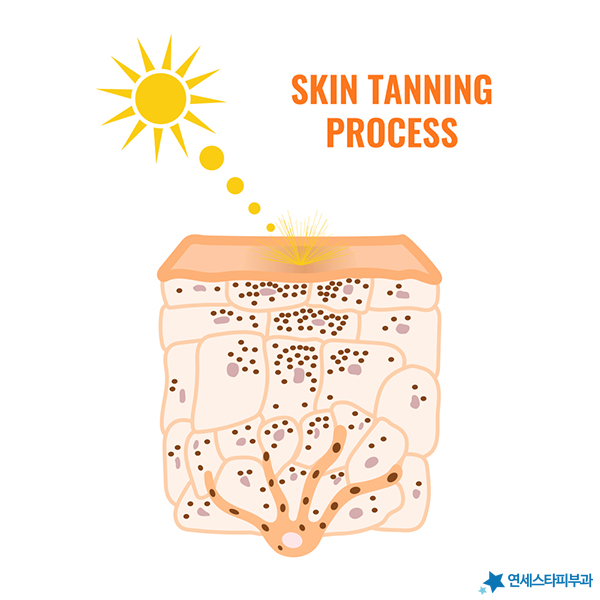
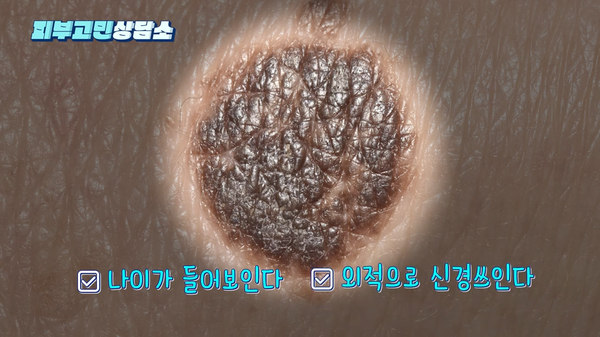
Lentigo is considered a representative pigment symptom that appears during the aging process. It often occurs on sun-exposed and visible areas like the back of the hands, face, arms, and legs. As the number increases, it can make the skin look messier and older. If left untreated, the color may deepen or the area may expand, so considering Laser Lesion Removal for Hand Dorsum Lentigo early, when problems first appear, can help reduce the burden.
Pigment Disorders May Look Similar, But Each Is Different
There are many types of pigment disorders that appear on the skin. From lentigo to melasma, freckles, solar lentigines, and blemishes, various pigment troubles often appear in combination, leading many to be confused about what specific problem they have.

Even for similar-looking conditions, the skin layer requiring treatment (from epidermis to dermis) differs, leading to variations in treatment methods and equipment used. Therefore, accurately understanding the nature of the problem is the starting point of treatment. Here's a brief summary of the characteristics of different pigment types:
| Pigment Disorder | Primary Skin Layer Location | Characteristics |
|---|---|---|
| Lentigo | Epidermis | Often slightly raised above the surface |
| Melasma | Epidermis and Dermis | Broad brown pigment with blurred borders |
| Freckles | Epidermis | Small, light spots scattered |
| Solar Lentigines | Epidermis | Clear-bordered brown spots |
Since the approach differs depending on whether the pigment is epidermal or extends to the dermis, distinguishing pigment disorders through diagnosis, even if they look similar, is key.

What Does Lentigo Look Like and Why Shouldn't You Touch It Yourself?
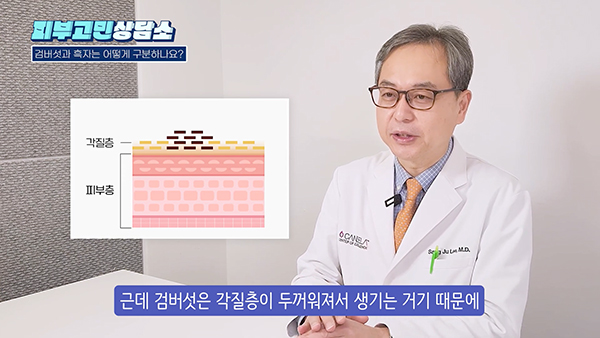
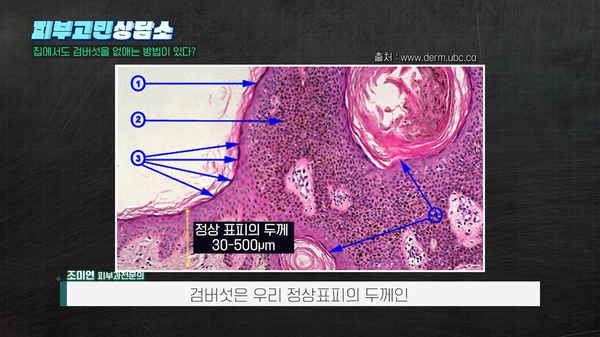
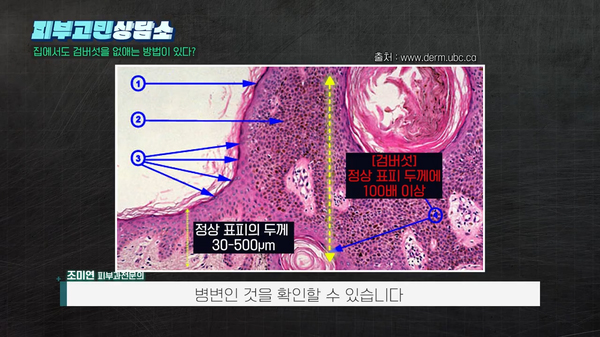
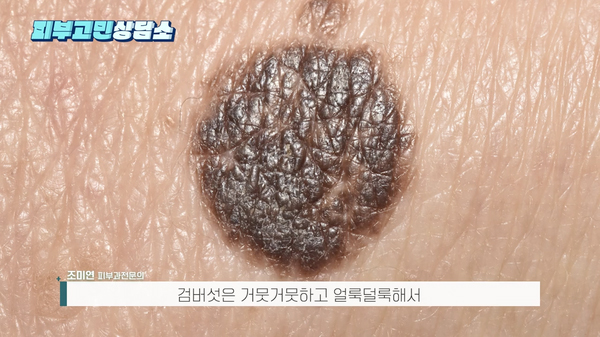
Lentigo usually belongs to epidermal pigment disorders and often appears slightly raised above the skin surface. This is a distinguishing feature from other pigment disorders like solar lentigines, but not all lentigo looks the same, so it's safer to get an accurate confirmation at a dermatology clinic before deciding on a treatment direction, such as Epidermal Pigment Removal.
Many people try to pick at raised areas with unsterilized hands or tools at home to resolve the issue. In such cases, skin damage can be severe, leading to secondary infections and potentially prolonging the treatment period. When concerned about hand pigment, it's better to opt for a professional approach, referring to information like Pigment & Melasma Care for Blemishes, Lentigo, etc. instead of self-treatment.
Reasons to avoid self-treatment at home are as follows:
- Risk of secondary infection due to unsanitary tools has been reported.
- Forcibly picking at it can leave pigmentation or scars.
- It's difficult to distinguish lentigo from other pigment disorders on your own.
- You might damage the skin more than necessary without being able to gauge the depth.
- It's hard to determine recurrence, making it easy to miss the right time for management.
Hospitals select appropriate equipment based on skin condition and lesion characteristics, allowing for faster and safer resolution.
If you want to know more about Laser Lesion Removal for Hand Dorsum Lentigo, you can ask freely via Chat Consultation for Pigment Treatment.

If Treatment Duration is a Concern
Many people wonder how long Laser Lesion Removal for Hand Dorsum Lentigo will take. Even if they know the effectiveness of laser treatment, the long duration can be a burden, often leading to delayed treatment.
Amidst such concerns, a new laser device has recently emerged that can help clear epidermal pigments like lentigo more quickly.

What Kind of Device is RePott Laser?
RePott Laser is a device equipped with functions that aid treatment, such as high energy, precise targeting of problematic lesions, and an internal cooling system. It concentrates high output on the necessary areas and reduces pain during the procedure with its cooling system, making it possible to return to daily life with relatively less burden after Laser Lesion Removal for Hand Dorsum Lentigo. However, the effectiveness and recovery patterns may vary from person to person.
Why Diagnosis Comes First
One point to keep in mind: since lentigo often has a raised form, a process to smooth the surface may be necessary before RePott Laser treatment. This is why it's crucial to receive an accurate diagnosis and thorough consultation from a dermatologist before Laser Lesion Removal for Hand Dorsum Lentigo.
In the examination room, even for the same hand pigment, the degree of elevation and depth vary from person to person, requiring slightly different approaches even with the same equipment. We recommend carefully checking these aspects before deciding on a clinic and treatment method.

Management Methods to Reduce Recurrence After Treatment
Pigment disorders on the hands or face are often challenging to treat, and consistent management is important due to the possibility of recurrence even after treatment. Avoiding UV radiation, which has the biggest impact on pigment, is key to management.
Here are some management tips that are good to practice in daily life:
- Apply sunscreen thoroughly to the back of your hands before going out.
- Reapply products with high SPF frequently on sunny days.
- Consistently moisturize the back of your hands to maintain the skin barrier.
- If new pigment appears, do not touch it arbitrarily; seek medical attention.
- Adhere to scheduled follow-up observations and return visits after treatment.
If you're concerned about hand pigment management or treatment timing, click Consult Now to comfortably leave your questions.


Chief Director Lee Sang-ju (MD, PhD, Yonsei University College of Medicine and Graduate School, completed dermatology residency at Severance Hospital, President of the Korean Dermatological Association) Chief Director Lee Sang-ju's Profile First published 2025-06-13 / Last reviewed 2026-06-16
This content is for general information purposes only, and treatment effects and outcomes may vary individually. Please confirm an accurate diagnosis and treatment plan through consultation with medical staff.