


Once you start laser tattoo removal, you'll likely wonder how long you need to wait until the next session. To put it simply, the treatment interval is not just a clinic policy, but a factor that directly affects skin recovery and treatment efficacy.
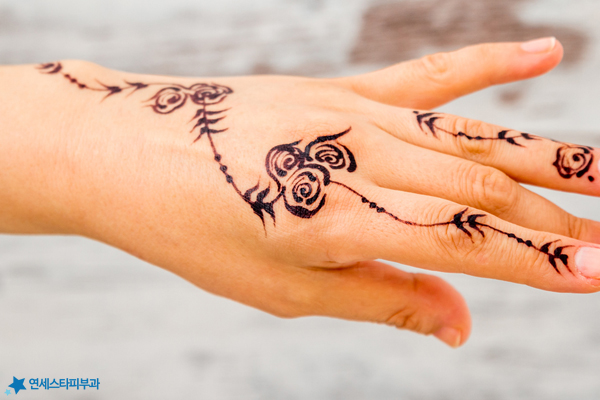
How Ink Exits the Body
Laser treatment does not remove ink all at once. The laser breaks down ink particles into very small fragments, and then the body's immune cells, macrophages, absorb and break down these fragments, expelling them from the body. This process takes time.
Skin recovery and a sufficient immune response are necessary for the next treatment to be effective.
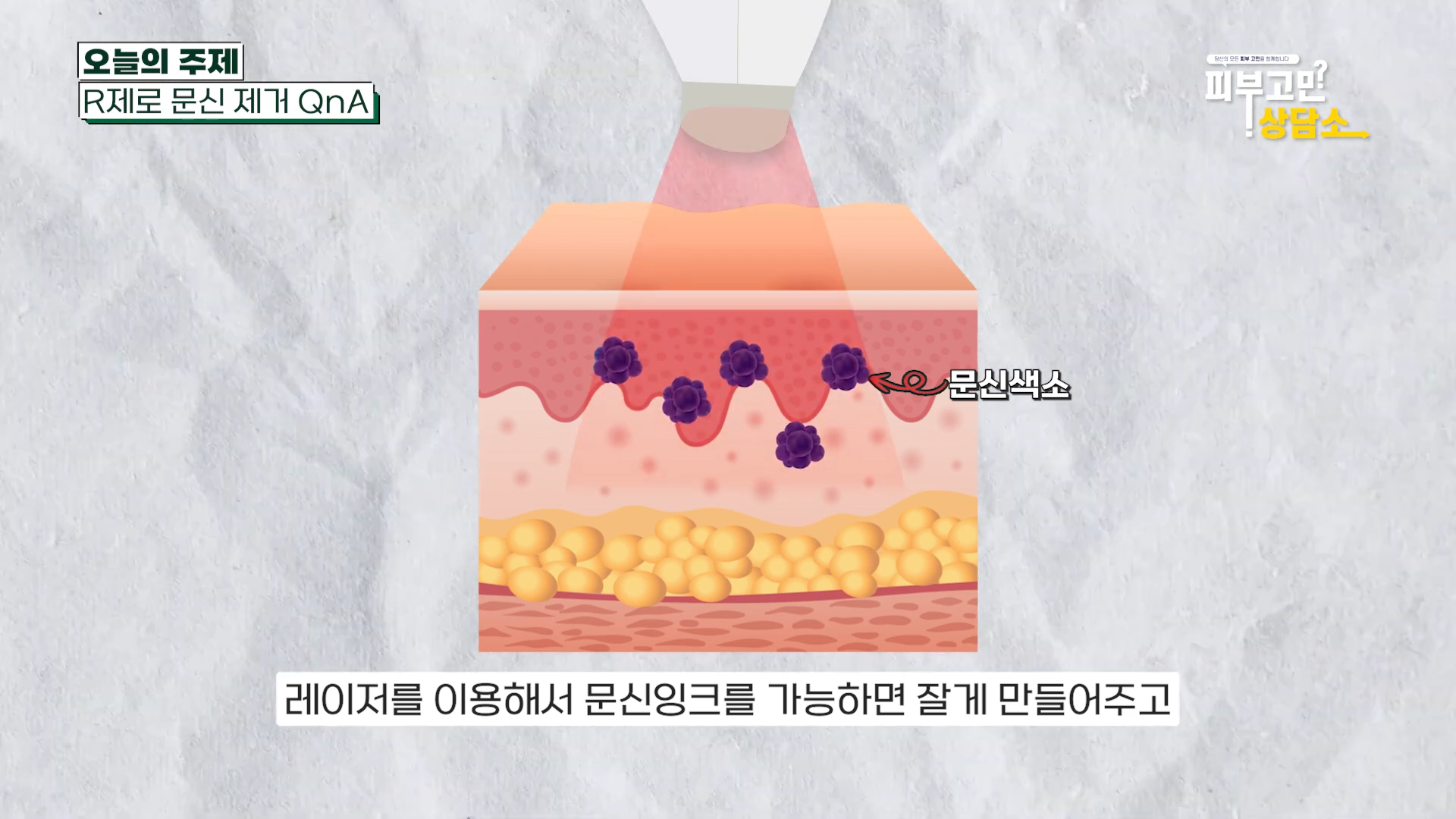
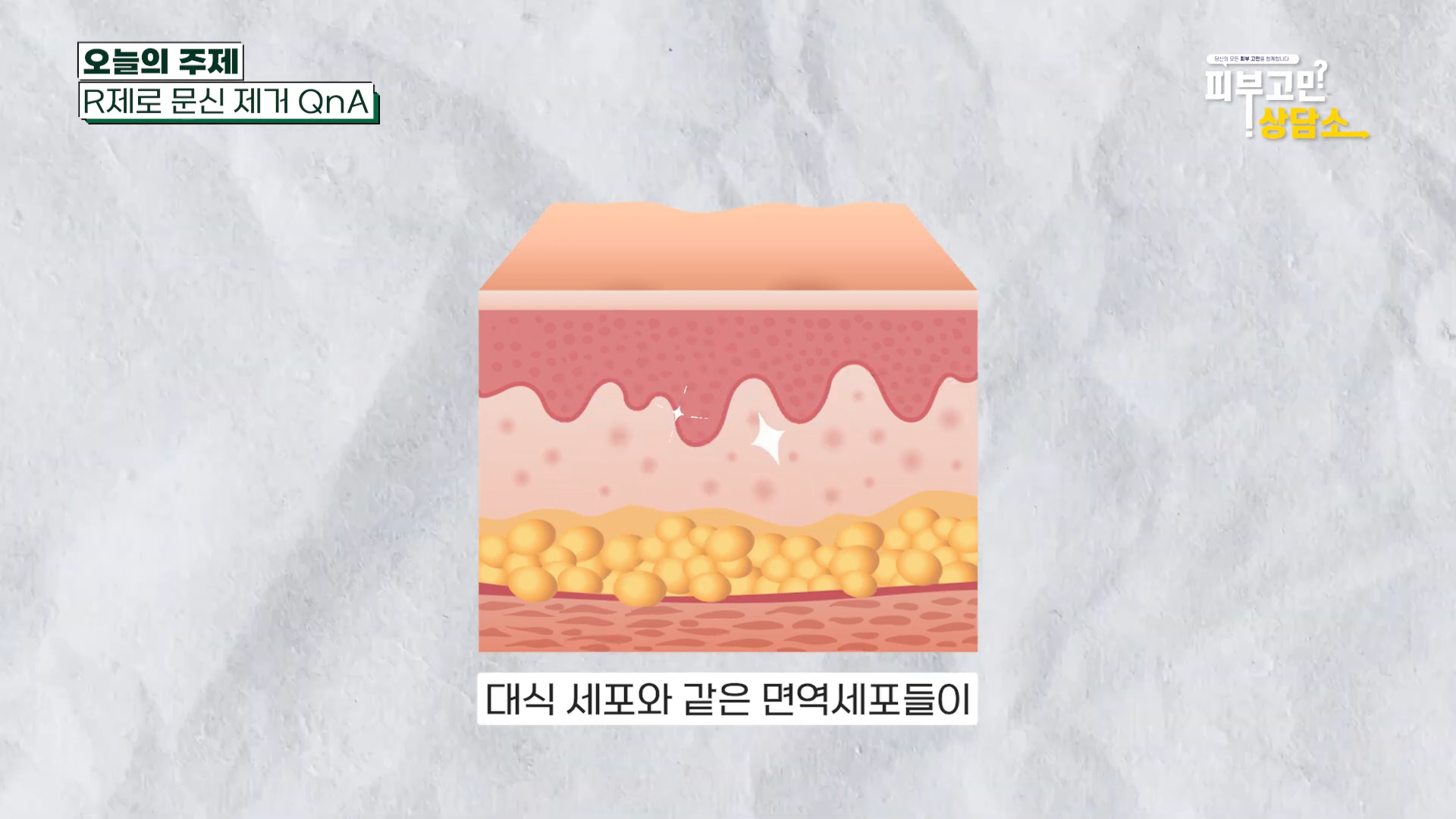
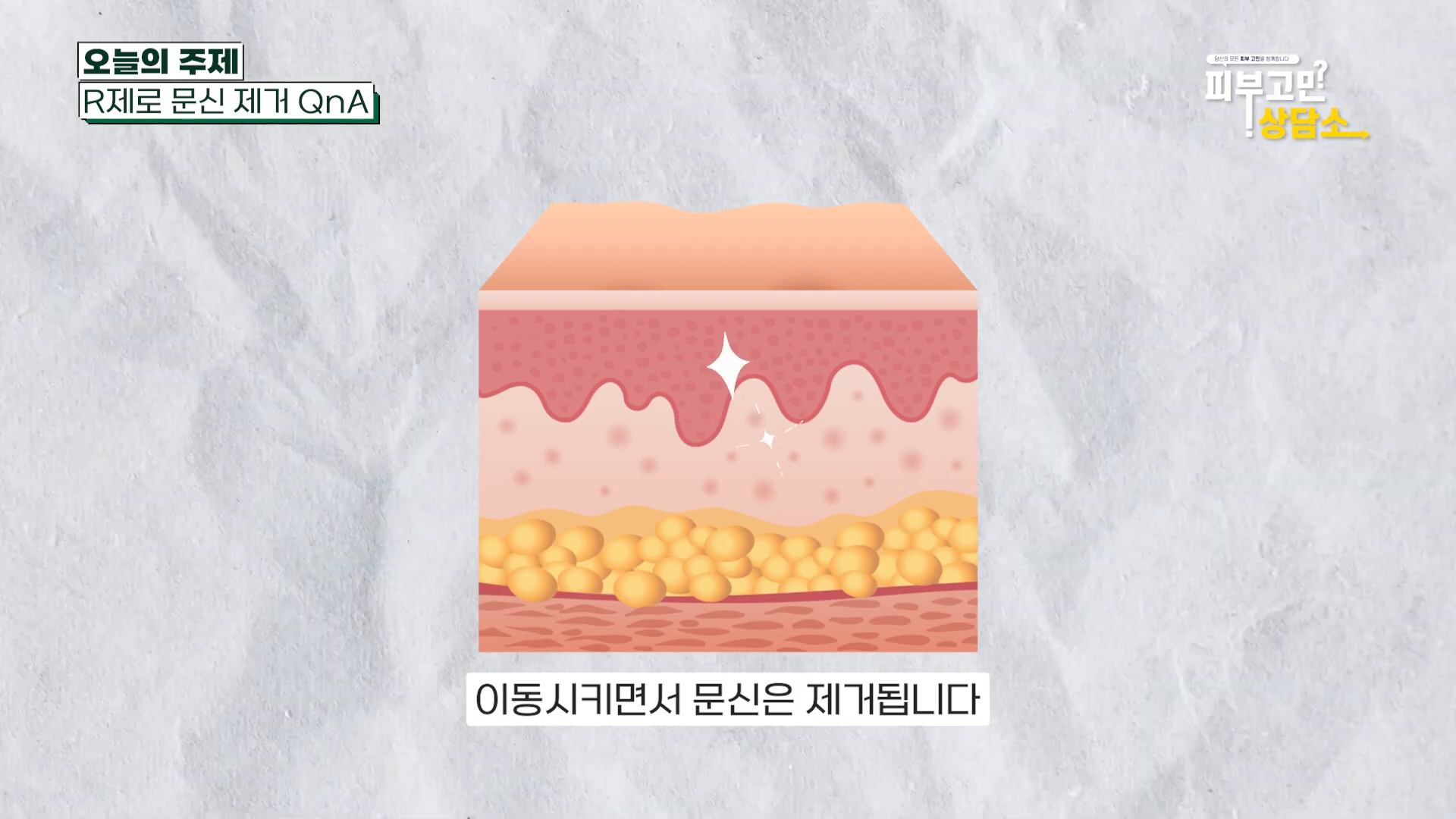
If re-treatment is performed before this cycle is complete, it can add further irritation to skin that is still recovering.

Recommended Intervals and Variables Within Them
Based on numerous clinical studies, laser tattoo removal treatment intervals are often recommended to be 4 to 8 weeks or more.
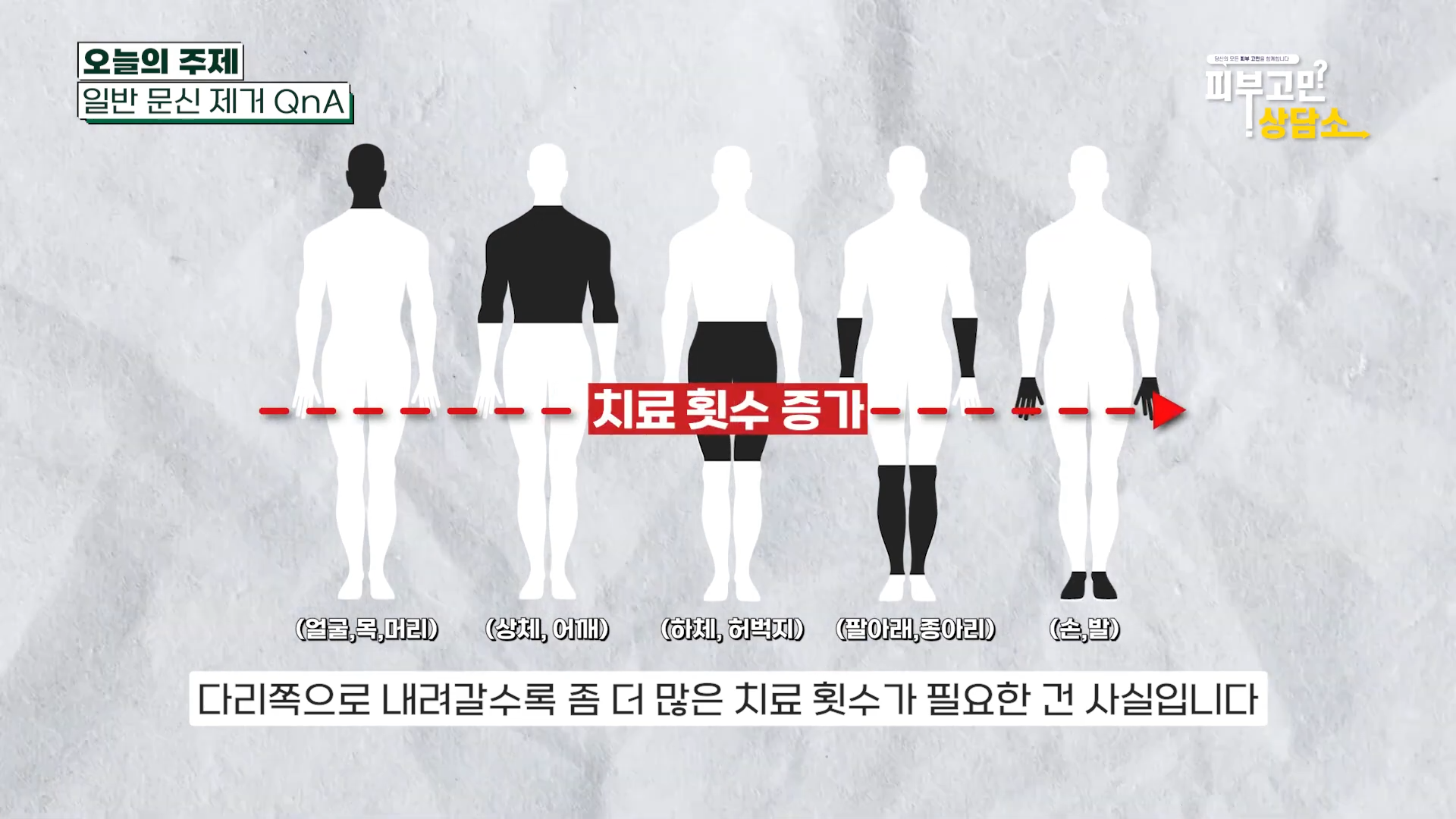
However, this is an average guideline. Detailed adjustments may be necessary because conditions vary for each person, depending on the treatment area, skin condition, tattoo size, ink density, and ink color. It is difficult to determine the exact treatment interval and duration based on photos alone. The consultation process is outlined in Tattoo Removal Treatment Guide.
What Happens if Intervals are Shortened
It's natural to want to shorten intervals to finish quickly. However, if treatments are rushed without sufficient intervals, it may be difficult to return to clear skin.
- Additional irritation to the skin before it has recovered may increase the risk of keloids or hypertrophic scars.
- Re-irradiation when the immune response is not complete may actually reduce ink removal efficiency.
- Post-treatment hyperpigmentation may occur or worsen.
- Accumulated skin damage may ultimately require a greater total number of treatments.
Trying to do it faster may end up taking longer. For scar management, you can refer to Pinhole for Burn & Surgical Scar, and for pigmentation concerns, Pico·Dual·Gold-Diamond Toning.
Good Care to Do While Waiting
Forcibly shortening the interval itself is not recommended. Instead, there are management methods that help skin recovery and activate the immune response to prepare for the next treatment sooner.
| Management Item | How to Practice | Reason |
|---|---|---|
| Sun Protection | Consistently use SPF 50+ sunscreen | UV exposure worsens pigmentation and slows recovery |
| Moisturizing and Regeneration | Apply ample non-irritating moisturizer, combine with medical staff-recommended regenerative care | Skin barrier maintenance speeds up recovery |
| Alcohol and Smoking | Especially refrain before and after treatment | May hinder blood circulation and suppress immune response, slowing ink expulsion |
| Aerobic Exercise and Hydration | Moderate aerobic exercise, sufficient water intake | Helps blood circulation and promotes immune cell activity. Avoid strenuous exercise immediately after treatment |
Towards Reducing the Number of Treatments
As more people seek laser tattoo removal, treatment methods have diversified. Techniques like R-Zero, which allows up to 4 laser passes in one session, can help reduce the total number of treatments. Also, with the increasing use of picosecond devices like PicoWay, more efficient results can be expected.
You can check the treatment method in R-Zero Pico-Frectat Tattoo Removal, and you can ask contact us via chat now to find out which interval is right for your tattoo.
A Treatment Like a Marathon
Proceeding with sufficient intervals can reduce the total number of treatments and lead to satisfactory results more quickly, without skin damage.
Rushing and stumbling can actually take more time. Frequent treatments or strong laser intensity do not necessarily lead to better results. It is advisable to minimize skin irritation and receive treatment safely.
Authored and Medically Reviewed by Jinmoon Kang, Chief Director (Dermatologist) Graduated from Yonsei University College of Medicine · Resident in Dermatology at Severance Hospital · Former Professor at Bundang CHA Hospital Currently Visiting Professor at Yonsei University College of Medicine, Department of Dermatology · Member of the Korean Dermatological Association, Korean Society for Laser Medicine and Surgery View Medical Staff Profile
First Published 2026-05-12 · Last Reviewed 2026-07-29
This article contains general medical information and does not substitute for individual diagnosis and treatment. Results and recovery may vary by individual.