
![Why Does Old Burn Pigmentation Occur? Treatment Methods and Laser Effects | [Yonsei Star Dermatology Sinchon]](/_next/image?url=https%3A%2F%2Fagqdgbuateknhwpocrgu.supabase.co%2Fstorage%2Fv1%2Fobject%2Fpublic%2Fsources%2Fbbf3bebe-45b6-4415-bd04-bda18b2cac0f%2Fblog-images%2F223704323574_00_a08b82616b5f.jpg%3Ftype%3Dw966&w=3840&q=75)
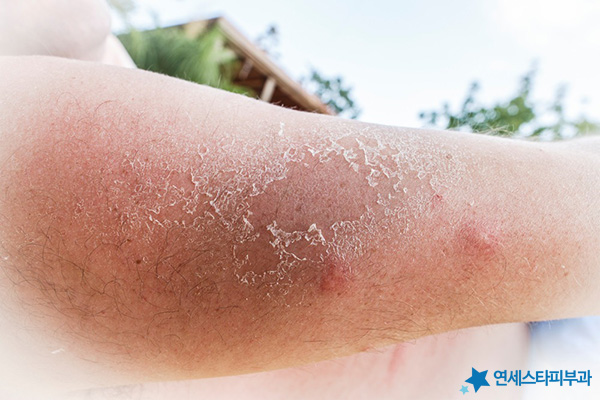
Post-burn pigmentation refers to skin changes that remain as dark red, brown, or sometimes white marks even after a burn has healed. The wound has clearly healed, so why do the marks stubbornly persist? To put it simply, it's because melanin cells are stimulated during the healing process of the burn, leading to an uneven distribution of pigment.
In daily life, we often suffer minor burns without realizing it. It's fortunate if they heal quickly and return to normal, but if old burn scars remain on the face, arms, or legs, stress is bound to follow.
Why Burn Marks Don't Disappear Over Time
Post-burn pigmentation, which gradually turns dark red and dark brown over time, does not significantly affect life. However, such external changes can add psychological and mental burden, so timely treatment can be helpful.

A burn is a type of wound that occurs when the skin is damaged by heat. Our body secretes various inflammatory substances to heal itself, and some of these stimulate melanin cells, causing their number to increase rapidly. As a result, the skin may turn dark red or brown, or conversely, white marks may remain.
Hyperpigmentation vs. Hypopigmentation: What's the Difference?
Post-burn pigment changes are broadly divided into two types.
| Category | Characteristics | Color Change |
|---|---|---|
| Hyperpigmentation | Increased melanin cells | Skin color darker than surrounding area |
| Hypopigmentation | Reduced melanin due to deep burn | Skin color lighter than normal skin |
Generally, hyperpigmentation is when melanin cells increase, making the skin darker than the surrounding area, while hypopigmentation is when the number of melanin cells in the damaged area decreases due to a deep burn, making the skin appear lighter than normal skin color.
Laser treatment typically helps to break down melanin into smaller pieces and expel it from the body. Therefore, hypopigmentation, where melanin itself is reduced, is often more difficult to treat and takes relatively longer.
Can Pigment Fade with Ointment Alone?
Many people apply whitening ointments before visiting the hospital. While they may not be completely ineffective, it is difficult to see immediate changes with the naked eye. Especially if the pigment is located in the deep layers of the skin, it will hardly react, so relying solely on ointment requires long-term management for a considerable period.
It is reported that the deeper the pigment is located in the skin, the more limited topical ointments are, and an approach tailored to the depth of the pigment is necessary.
If you haven't seen sufficient changes with ointment, the first step is to check the depth and condition of the pigment. If you have similar concerns, it may be helpful to also look at Causes and Treatment Directions for Burn Scars.
How Does Laser Toning Lighten Pigment?
Another option to consider is laser toning. This treatment method uses a fractional laser to stimulate melanin, encouraging it to be expelled from the body. Patients typically receive 5 to 10 sessions at 2 to 4-week intervals, gradually observing the pigment marks lighten.

The number of treatments varies depending on the condition, so it is important to start with a medical team that has a thorough understanding of pigment treatment and the know-how to operate the equipment well. Depending on the depth and extent of the pigment marks, you may consider an epidermal pigment approach like Epidermal Pigment Removal for blemishes, age spots, and freckles, or a Customized Whitening Solution targeting deep pigment.
In the examination room, even with the same burn marks, the progress can vary quite a bit depending on the depth of the pigment and the severity of the burn.
For questions, Inquire about Burn Pigmentation Treatment Consultation
Why is Hypopigmentation More Difficult?
If the damaged area of the burn is severe, causing the pigment itself to decrease and resulting in a lighter color than normal skin, the laser treatment process becomes even more challenging.

To return it to a near-normal state, a process of reawakening deeply dormant cells in the skin is necessary. In this case, the treatment period may be longer. If, even with such treatment, melanin cells are largely inactive and do not respond to the laser, methods such as epidermal grafting, which involves transplanting cells from another area, may be considered.
Cases That Fade Naturally and Cases That Require Treatment
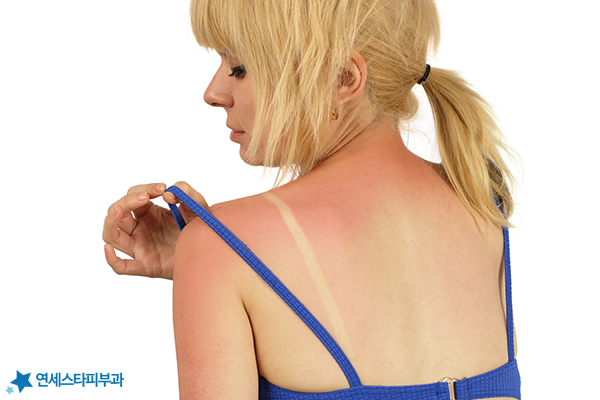
If you get a burn from strong sunlight in the summer, the area will leave a reddish mark. If you look at it again in winter, you can see that it has faded a lot. In cases of minor burns with minimal pigmentation, it may naturally lighten over time.
However, if the pigment is deep in the skin and dark, dull marks often remain even after natural recovery.

Rather than waiting for it to heal on its own, if the color is dark and deep, it's time to consider active treatment.
How to Manage Post-Burn Pigmentation
Here are some tips for managing burn marks in daily life:
- Minimize sun exposure to the healing burn area and consistently use sunscreen.
- Avoid forcibly removing scabs or irritating the marks.
- If there's no change with whitening ointment alone, first check the depth of the pigment.
- If the pigment is dark and old, do not neglect it; seek treatment appropriate for your condition.
- Treatment frequency and progress may vary individually, so consult sufficiently with your medical team.
Even old pigmentation can reportedly be improved naturally to the point of being barely noticeable with consistent, long-term management. If deep scars are also a concern, Surgical Scar Revision for burn scar restoration may also be considered depending on the condition.

It's better to start managing post-burn pigmentation calmly now rather than leaving it as is. The appropriate approach varies depending on the color and depth of the mark and the severity of the burn, so checking your skin condition first is the initial step.
For questions, Inquire about Burn Pigmentation Treatment Consultation
Sang-Joo Lee, Chief Director (MD, PhD from Yonsei University College of Medicine and Graduate School, completed dermatology residency at Severance Hospital, President of the Korean Dermatological Association) Chief Director Sang-Joo Lee's Profile First Published 2024-12-24 / Last Reviewed 2026-06-16
This article provides general information, and since the progress of the same burn mark can vary from person to person, please consult with a medical professional for an accurate diagnosis and treatment plan.