


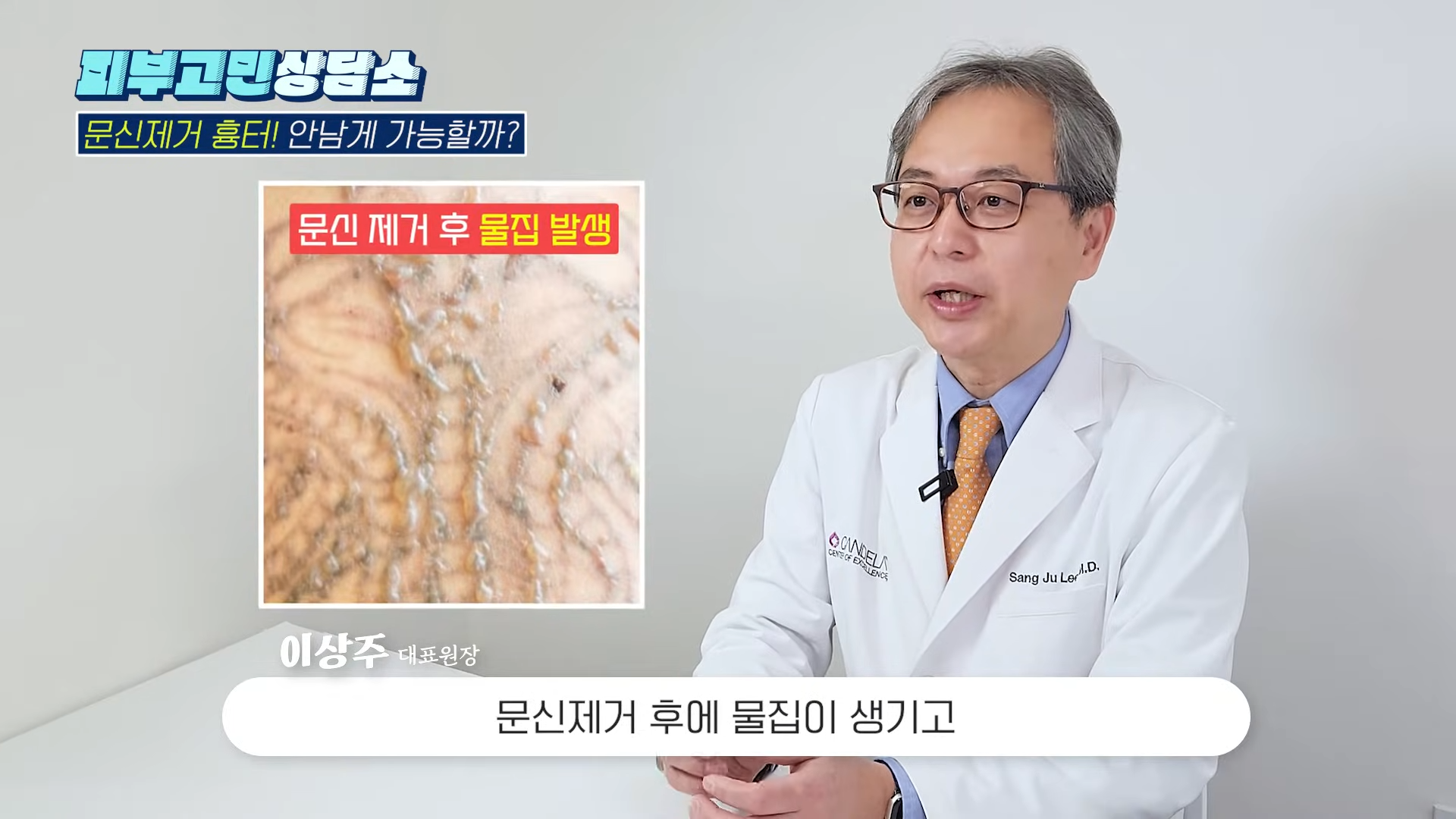
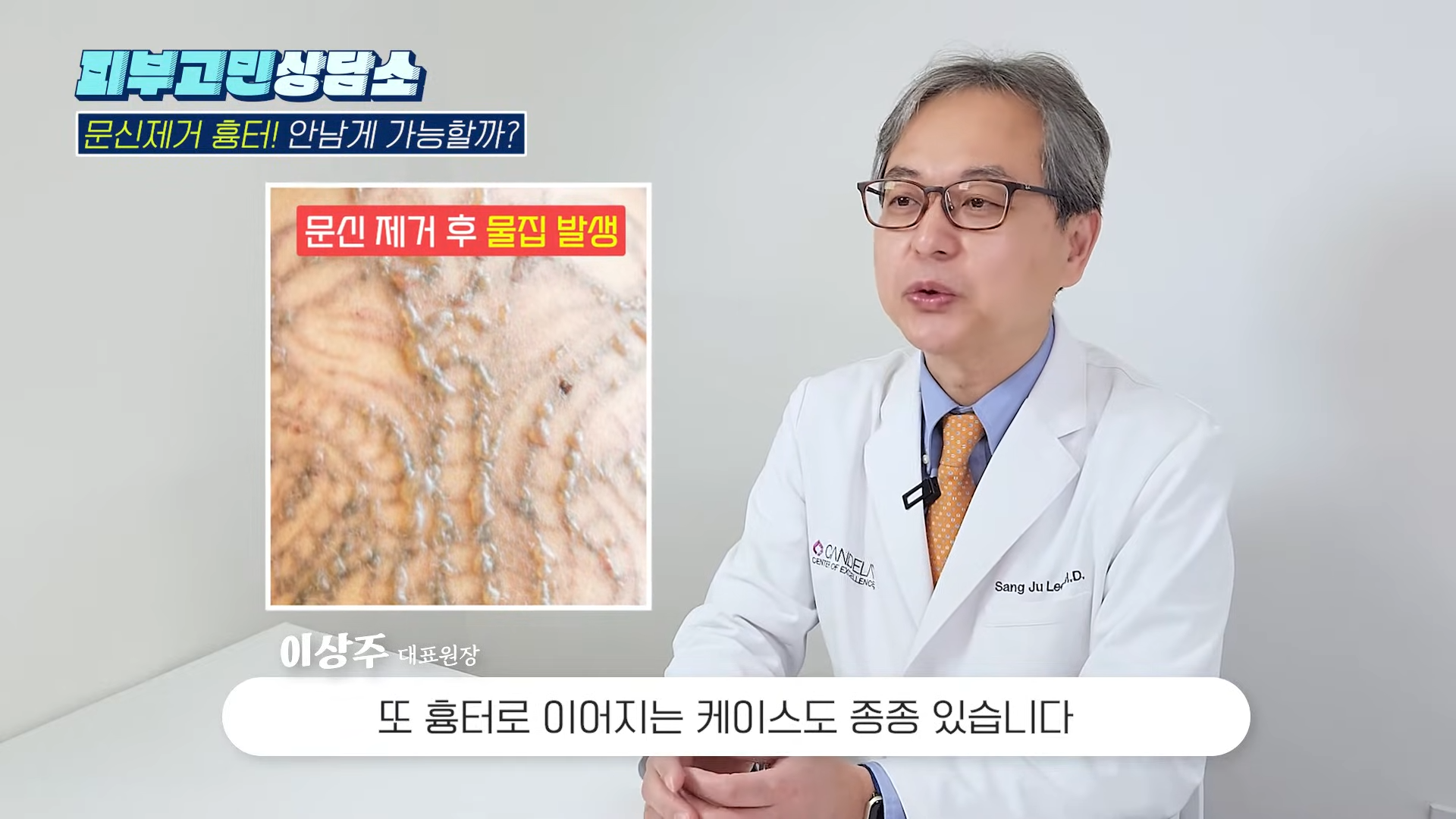
Laser tattoo removal is the most widely used method today, but many people are surprised and contact us after developing blisters.
It is difficult to explain blisters with a single cause. Some are due to treatment characteristics, such as the laser's thermal reaction, while others depend on the irradiation method or post-treatment care. Separating these factors clarifies what to entrust to the clinic and what to take care of yourself.
Four Pathways to Blister Formation
| Pathway | What happens |
|---|---|
| Laser thermal reaction | During the process of the laser delivering energy to tattoo pigment, heat can accumulate in surrounding tissues, potentially causing blisters. |
| Repeated irradiation with remaining bubbles | If white bubbles remain and irradiation is forcefully repeated, the laser may not reach the ink area, leading to greater damage to the surrounding skin. |
| Equipment performance and treatment technique | Older lasers or unskillful irradiation methods can lead not only to blisters but also to pigmentation and scarring. |
| Insufficient aftercare | Popping blisters yourself or irritating them can worsen infection and scarring; sunlight, sweat, and friction can also hinder recovery. |
The first is a reaction inherent to the laser treatment itself. The other three are areas that vary depending on the irradiation method, equipment selection, and how you spend the days after the procedure.
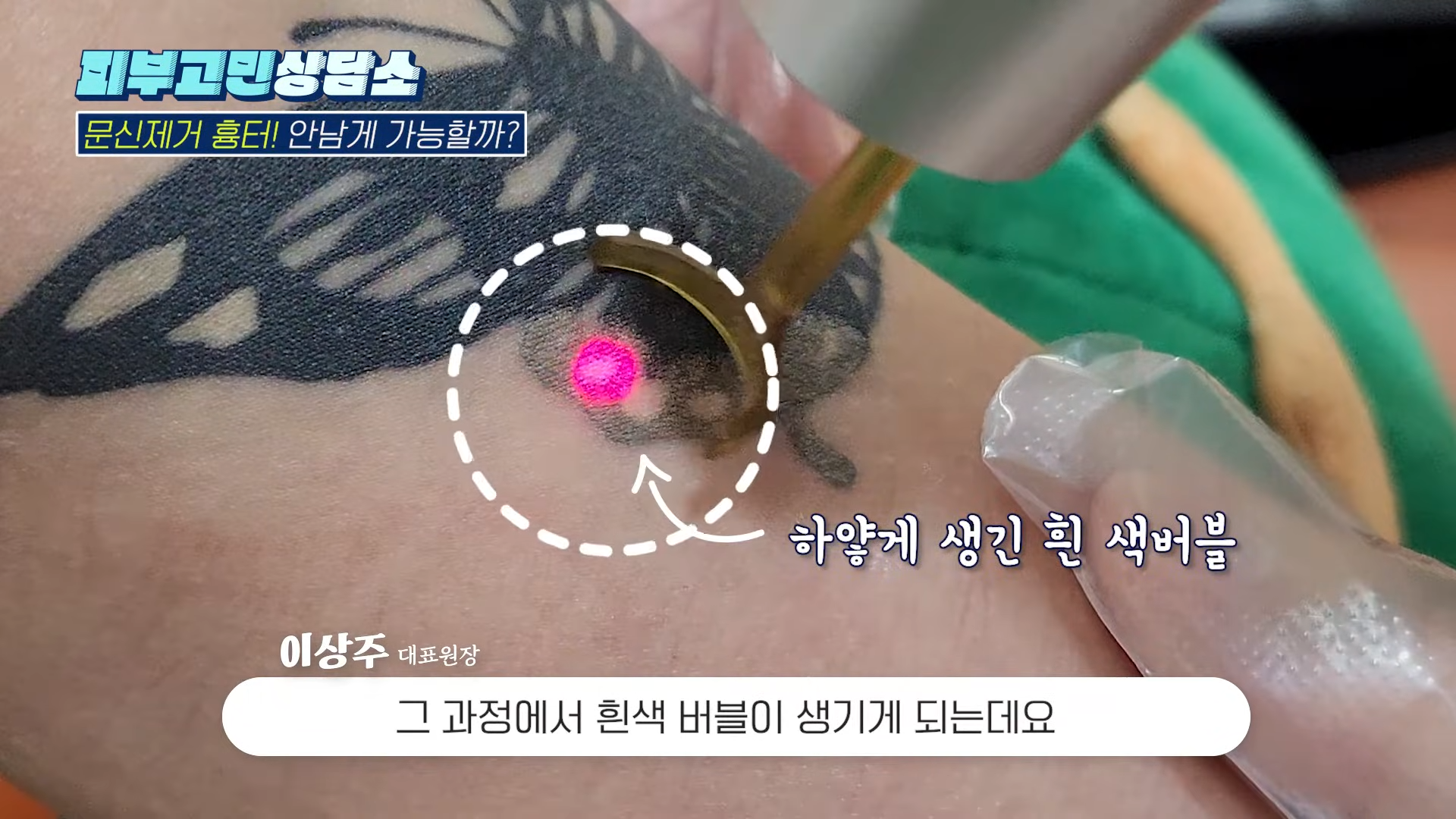
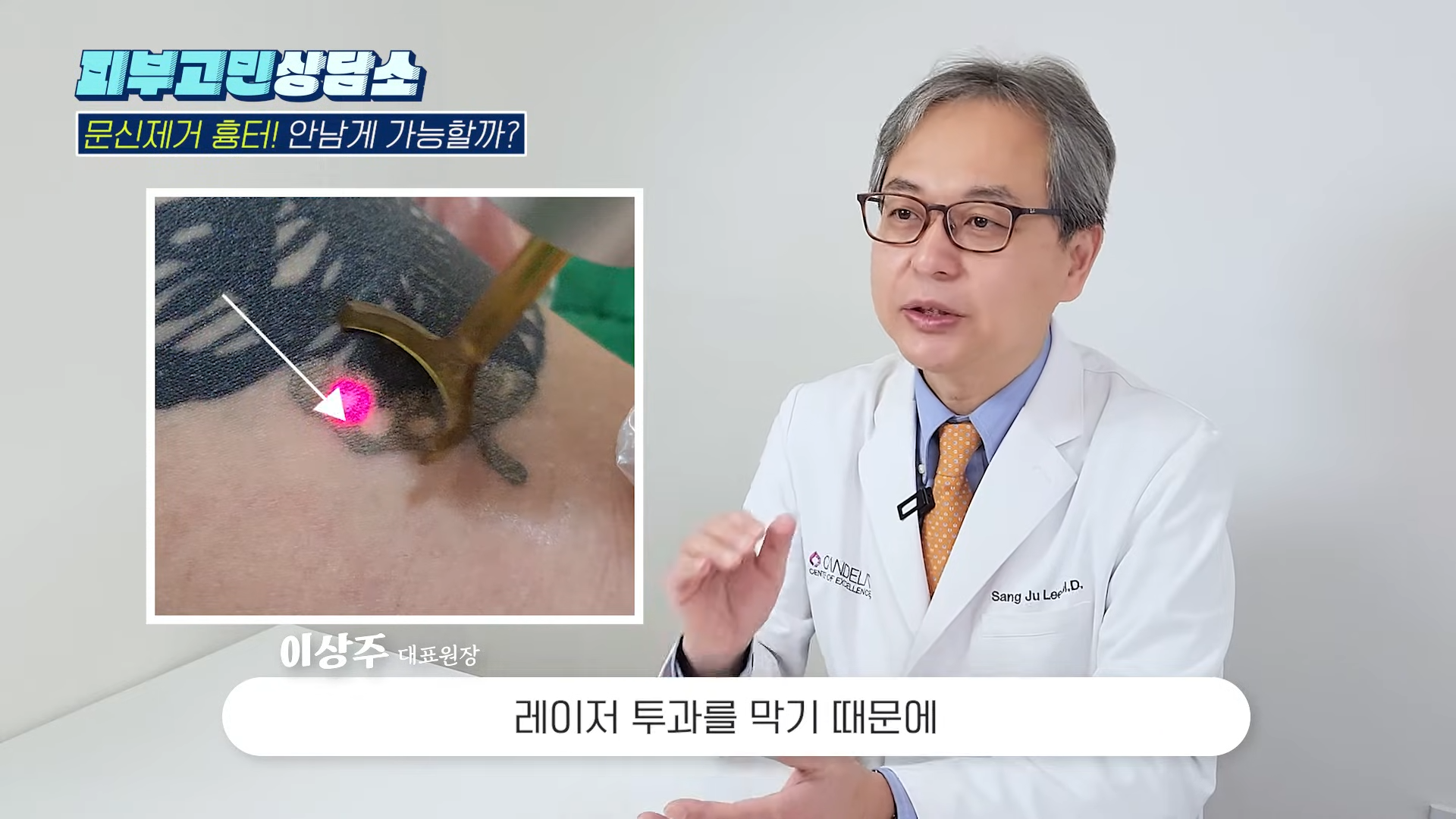
While bubbles remain, the laser cannot reach the ink.
When a laser is irradiated, white bubbles, or gas bubbles, form on the skin surface. If the laser continues to be fired while this layer remains, the energy may not properly reach the ink.
Energy that does not reach the ink does not disappear; it remains in the surrounding skin. This is where a situation arises where more irradiation is performed, but the results are the same, and only the damage increases.

R-Zero Technique: Removing Bubbles and Re-Irradiating
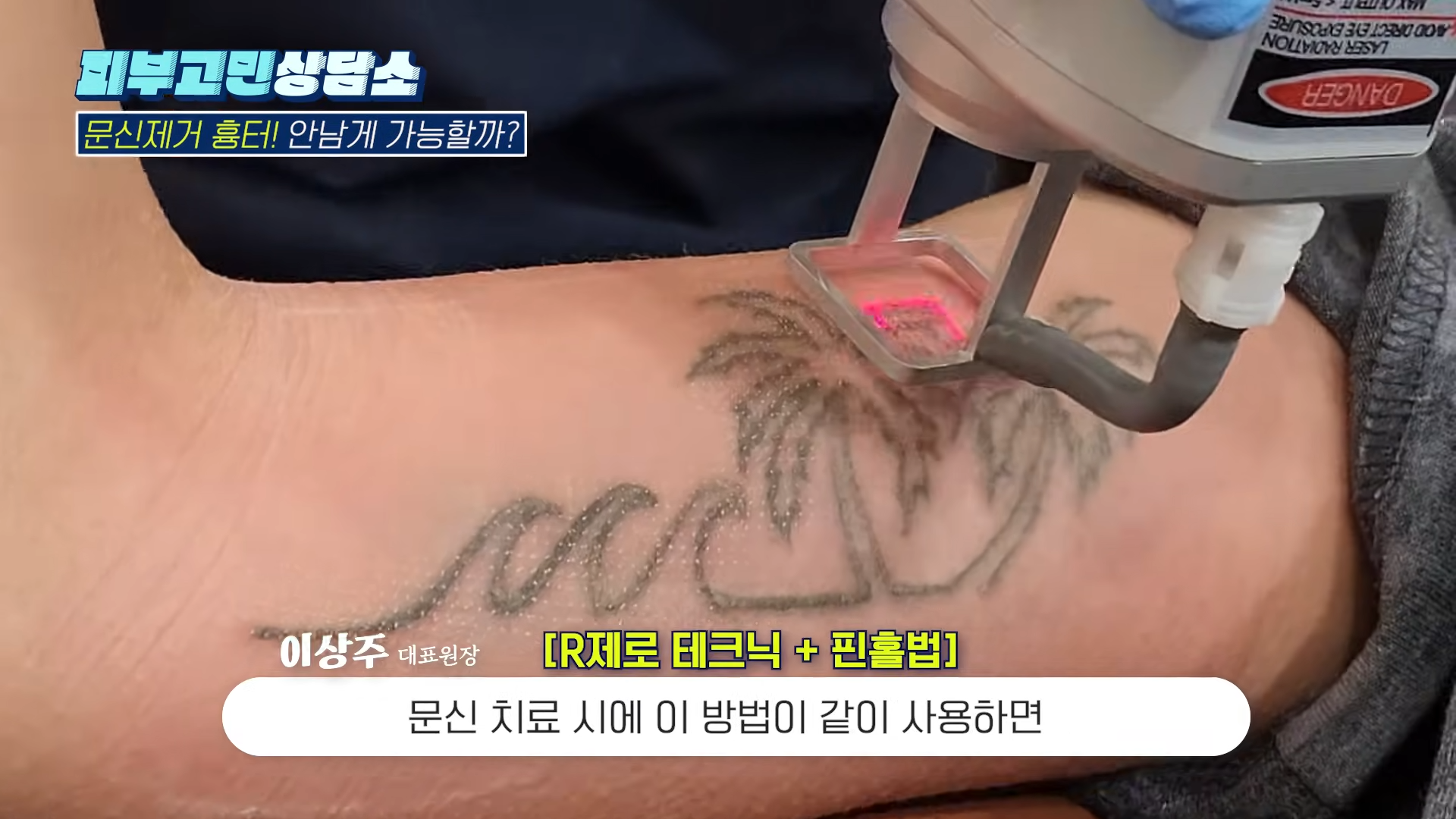
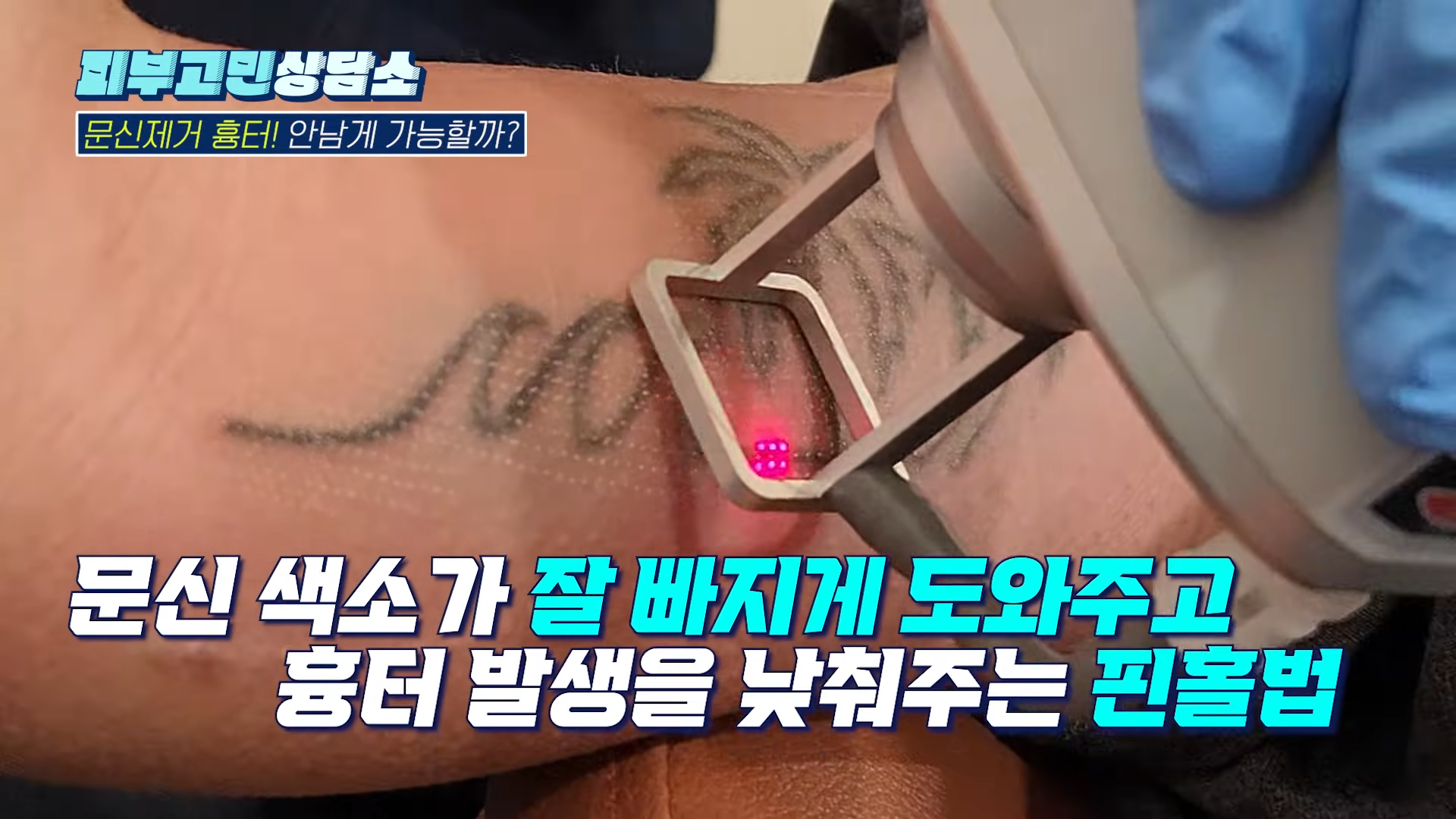
To compensate for these limitations of conventional laser treatment, the R-Zero Technique is utilized. The sequence is as follows:
Irradiate with a laser, apply a special solution to quickly remove the newly formed bubbles, and then re-irradiate with the laser once the bubbles have disappeared. This process can be performed continuously within one session, and repeated irradiation is possible up to four times.
However, the number of R-Zero applications and the method are determined by the medical staff based on skin condition and tattoo characteristics. It is advisable to consult with a specialized medical professional before making a decision. Equipment and treatment configurations are summarized in the R-Zero Pico-Frectat Tattoo Removal guide.
If you reduce the irradiation time instead of increasing the output
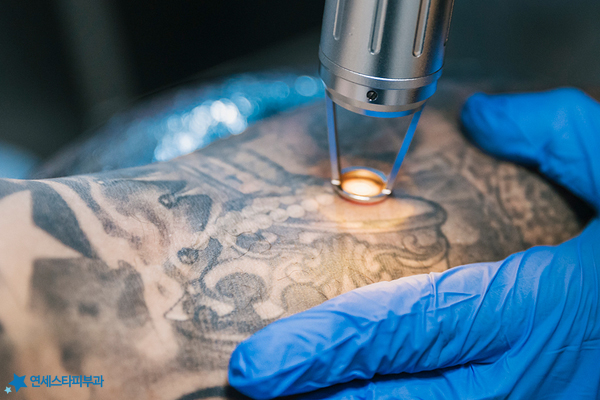
PicoWay Laser precisely breaks down pigment particles with ultra-short pulse energy in picoseconds, or one-trillionth of a second. The energy delivery time is shorter than that of conventional nanosecond lasers, minimizing heat transfer to surrounding tissues, which can help reduce the burden of blisters, pigmentation, and scarring.
You can compare the differences by method in the Nd:YAG Tattoo Removal guide.
What it means to change wavelengths for each color
Among them, PicoWay Laser supports various wavelengths: 532nm, 730nm, 785nm, and 1064nm. It is considered an efficient device that can treat not only black and white tattoos but also colored tattoos by matching the color, allowing for effective treatment without unnecessarily increasing the output.
This is why the R-Zero Technique and PicoWay Laser are used together. It is reported to reduce the burden of side effects, including blisters, by increasing the density of one session without excessively raising the laser intensity.
If you are curious about the treatment plan, please use Leave a consultation via chat.
What to do first if blisters appear
Do not panic and follow these four guidelines:
- Do not pop them arbitrarily. Popping them yourself significantly increases the risk of infection and scarring.
- Maintain dressing as instructed by the specialist. Following the instructions for wound protection and skin regeneration is most important.
- Avoid ultraviolet rays. Regenerating skin is vulnerable to UV rays, which can worsen pigmentation.
- Avoid friction, sweat, and high-temperature environments. Saunas, strenuous exercise, and tight clothing are all factors that hinder recovery.
If you need to consider scar management, you can refer to the Pinhole for Burn & Surgical Scar treatment guide.

Blisters that can be observed and blisters that require a clinic visit
With proper management, most blisters often heal without leaving scars. There may be individual differences in recovery speed and progress.
However, if the blister is large or the pain is severe, it is safer to visit the clinic for treatment rather than making a judgment on your own. The overall treatment flow can be found in the Tattoo Removal Treatment Guide.

Authored and medically reviewed by Chief Director Lee Sang-joo (Dermatologist) Former Resident in Dermatology at Severance Hospital · Former Professor of Dermatology at Yeongdong Severance Hospital · Former Chief of Dermatology at National Police Hospital Author of Acne Bible, Medical Skincare, Skin Barrier View Medical Staff Profile
First published 2026-07-09 · Last reviewed 2026-07-29
This article contains general medical information and does not substitute for individual diagnosis and treatment. Results and recovery progress may vary by individual.