


We surprisingly often receive inquiries from people who say their tattoo seems to have gotten darker after their first session of tattoo removal.
In this article, we've organized three reasons why the color might appear darker after the first session.
Three Reasons at a Glance
| Reason | What Happens |
|---|---|
| Ink not fully broken down | Residual ink rises closer to the surface, making it appear darker |
| Post-treatment recovery response | Swelling, redness, and pigmentation make the tattoo more prominent |
| Incorrect wavelength | Ink may clump or aggregate, making it appear darker |
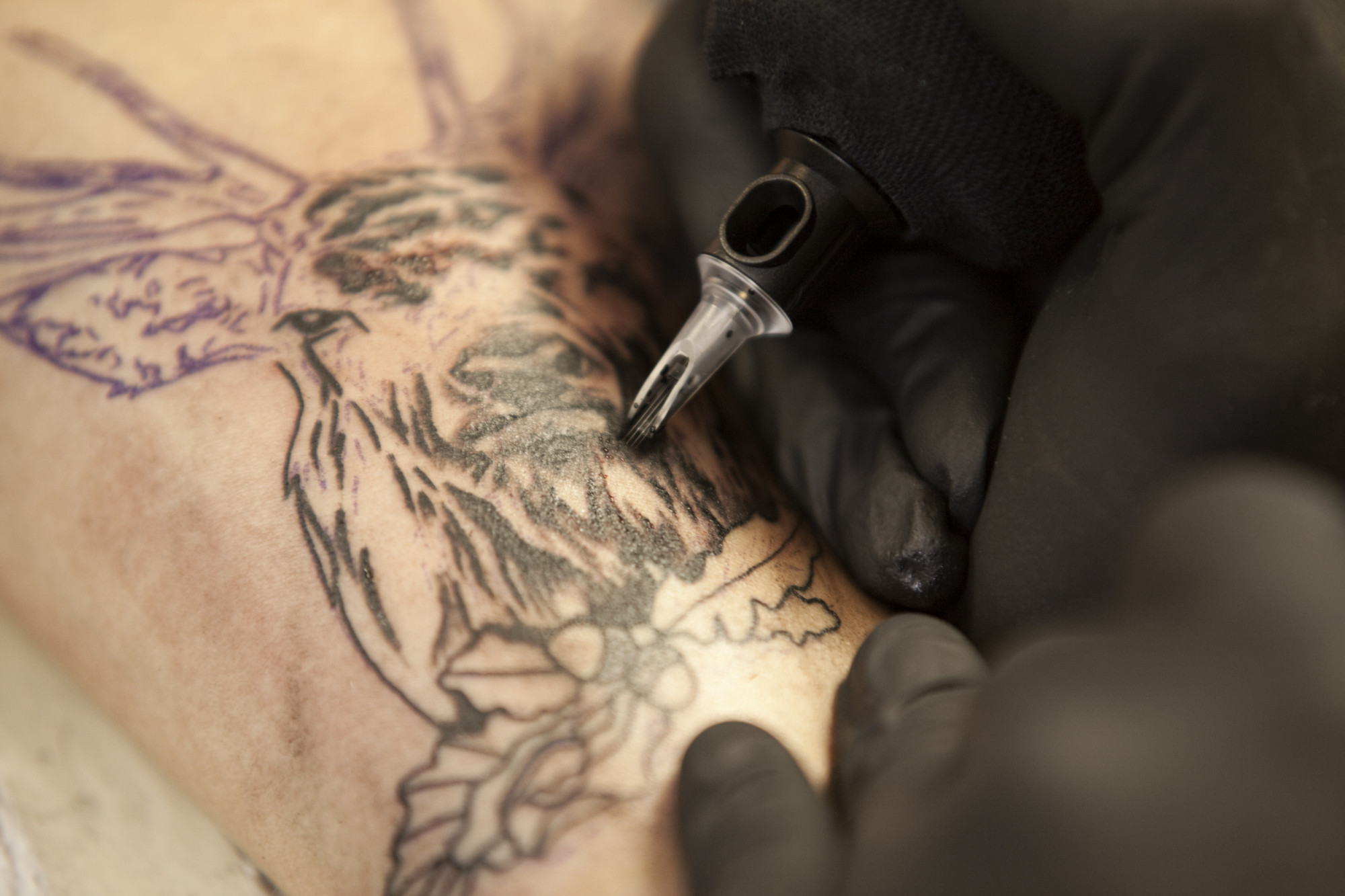
The Period When Ink Rises Closer to the Surface
Laser treatment works by breaking down ink particles into smaller pieces, encouraging the body's immune cells to process them.
However, if the ink is not completely broken down during the treatment, residual ink may remain in the dermis, a deeper layer of the skin, and rise closer to the surface, making it appear darker.
Actual changes will only begin to be visible after the period when the pigment rises and appears darker has passed.
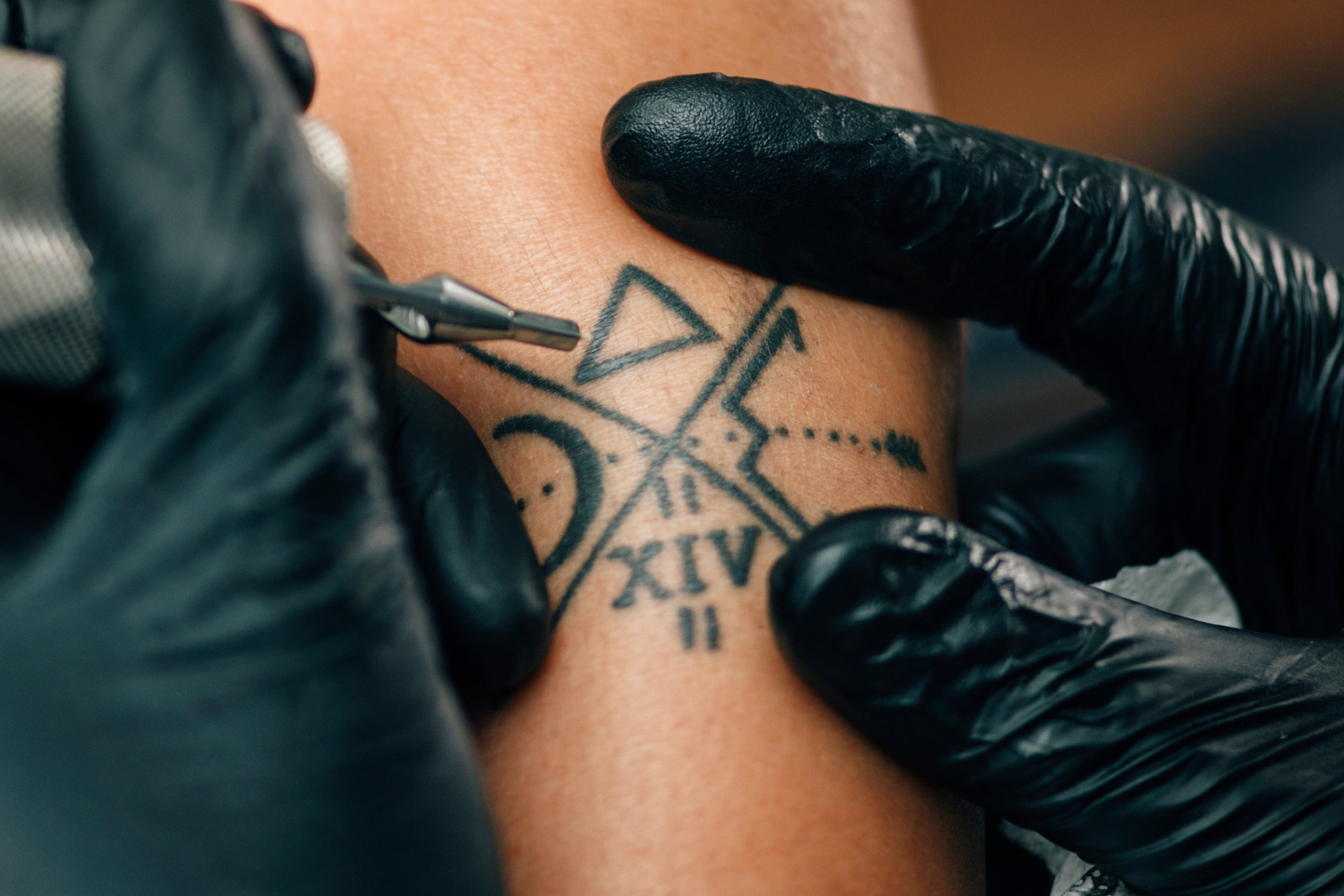
Natural Reaction Immediately After Treatment
Immediately after treatment, the skin may swell, redden, and develop pigmentation. While these changes are natural responses for the skin to recover, the tattoo may appear more prominent externally.
In such cases, it is advisable to assess the results after the swelling and inflammation have subsided. The recovery process may take several months.
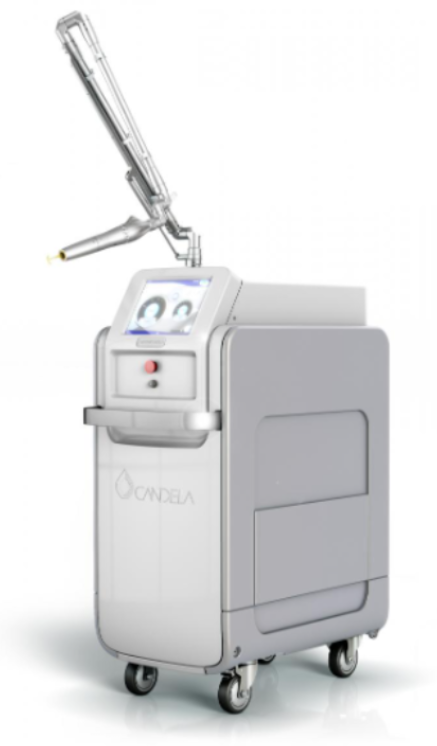
When the Wavelength is Incorrect
Different laser wavelengths are required depending on the color, depth, and type of ink. For colored tattoos, multiple wavelengths may need to be combined.
Using an unsuitable laser can actually cause the ink to clump or aggregate, making it appear darker. Therefore, accurate analysis and equipment selection are crucial before treatment.
Information on equipment configuration is available in the R-Zero Pico-Frectat Tattoo Removal guide, and single-wavelength methods are summarized in Nd:YAG Tattoo Removal.
Changes to Wait For vs. Changes to Check
- Swelling and redness subsiding over time are part of the recovery process.
- The period when pigment rises closer to the surface and appears darker is also a transient stage.
- If you are concerned about the degree or duration of the reaction, it is best to consult the clinic where you received the treatment.
You can ask any questions you have via chat now.
It's a Process, Not a Failure
Tattoo removal is not a procedure that ends with one or two laser sessions. It requires understanding and patience for the various reactions and changes that occur during the fading process.
If it appears darker, it does not mean the first session has failed. Please consider it a temporary period of change experienced during the fading process. Recovery outcomes may vary individually.
The overall treatment flow can be found in the Tattoo Removal Treatment Guide.

Authored and Medically Reviewed by Dr. Lee Sang-joo, Chief Director (Dermatologist) Board-Certified Dermatologist · Ph.D. in Medicine, Yonsei University College of Medicine Graduate School · Dermatology Resident, Severance Hospital President of the Korean Dermatological Association (2026) · Author of "Medical Skincare" View Medical Staff Profile
First Published 2025-06-30 · Last Reviewed 2026-07-29
This article contains general medical information and does not substitute for individual diagnosis and treatment. Results and recovery outcomes may vary individually.