
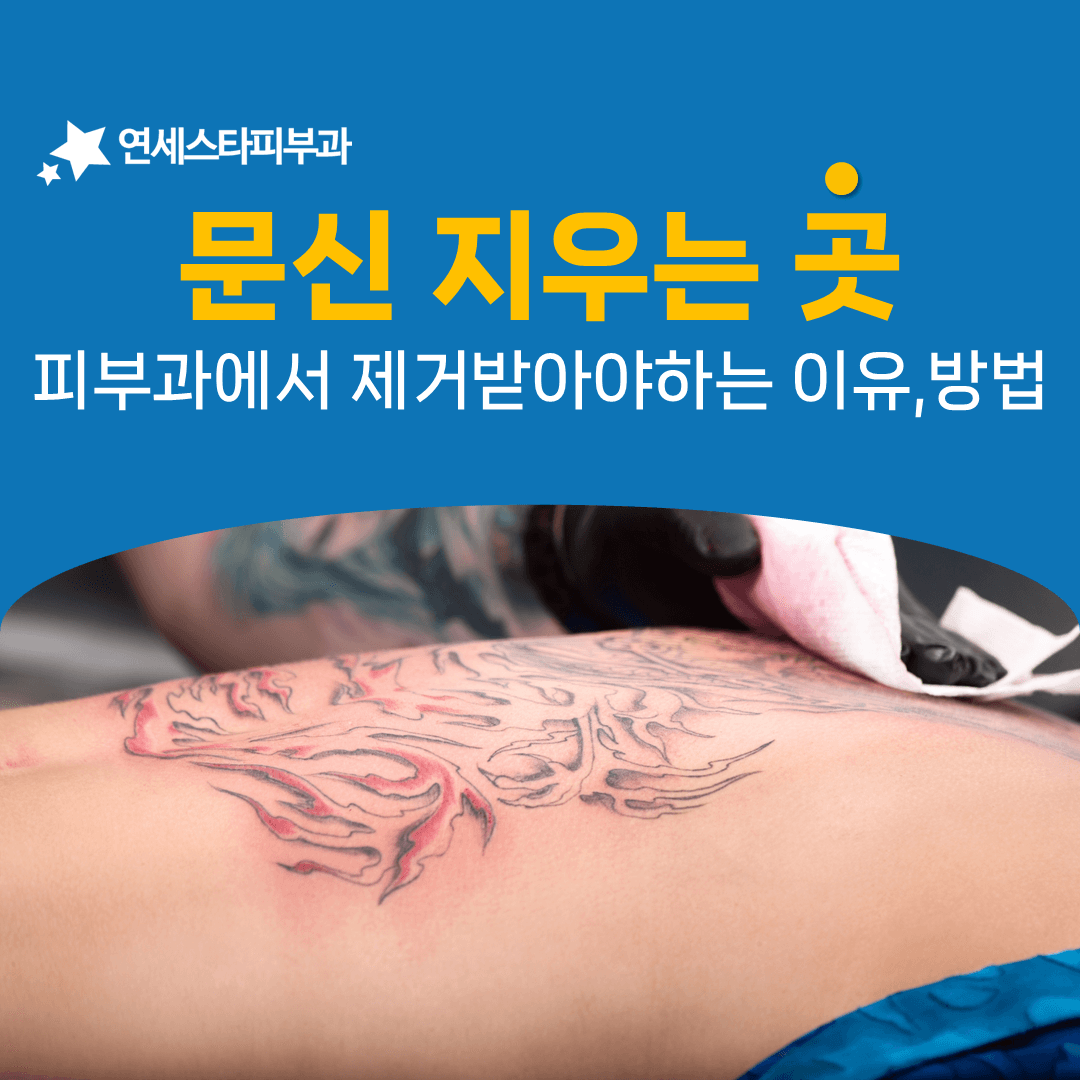
As more people want to remove tattoos, tattoo removal services at shops have become easy to find.
However, some choose these services due to their low prices and then experience unexpected side effects such as skin troubles, burns, or pigmentation.

If you choose a shop for tattoo removal, it is clearly illegal. This is because only medical professionals can use lasers.
This is not just a matter of regulations. The qualification to handle lasers is also the qualification to respond to side effects.
What dermatologists do before treatment
Dermatology clinics use medically certified laser devices, and a specialist directly performs the procedure according to the patient's skin condition. The items checked before starting are as follows:
- Skin tone
- Depth of the tattoo
- Color of the tattoo
By accurately diagnosing these conditions and creating a customized removal plan, the procedure can be performed more safely.
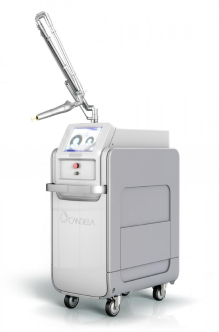
How PicoWay Laser handles pigment
PicoWay Laser is often used for tattoo removal in dermatology clinics.
The principle is to irradiate high-output energy in a short time to break down the pigment into fine particles, which the body then absorbs and naturally expels.
| Step | What Happens |
|---|---|
| Laser Irradiation | High-output energy delivered in a short time |
| Pigment Reaction | Pigment particles are broken down into fine pieces |
| Excretion | Body absorbs and naturally expels them |
The equipment configuration is detailed in R-Zero Pico-Frectat Tattoo Removal, and other methods are summarized in Nd:YAG Tattoo Removal.
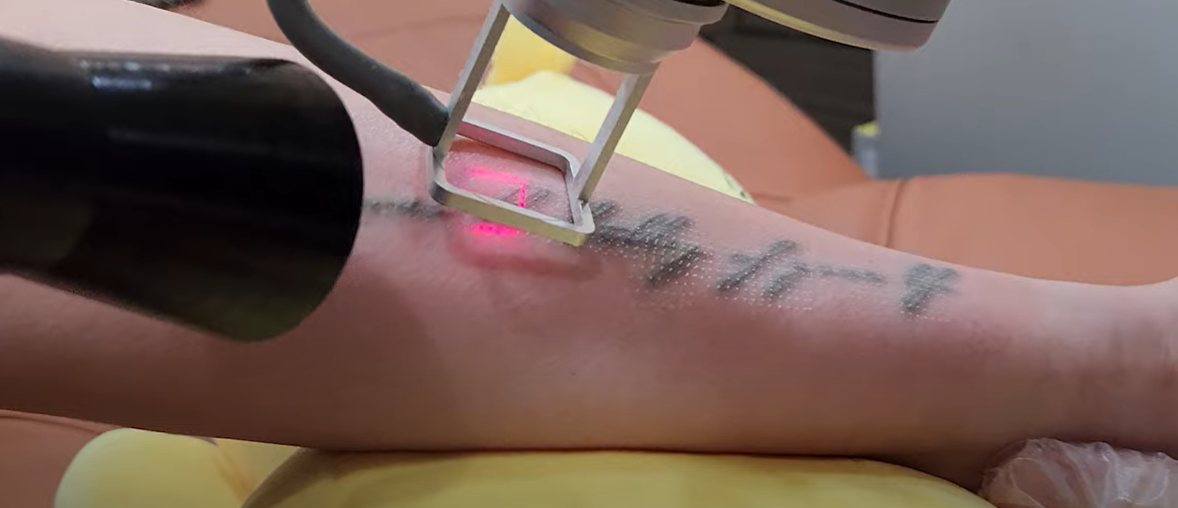
If you are concerned about scars
If you are concerned about scars from laser treatment, there is a method of combining the Pinhole Technique using a CO2 laser.
By making very fine holes to induce skin regeneration, it can help prevent scars. A detailed explanation is available in the Pinhole for Burn & Surgical Scar treatment guide.
Not just removal, but treatment that considers recovery
Tattoo removal is not just a simple removal procedure; it is an area that requires consideration of both skin condition and recovery.
To prevent scars and achieve satisfactory results, we recommend receiving treatment from a dermatologist with extensive experience in tattoo removal. Results and recovery progress may vary individually. The overall treatment flow can be found in the Tattoo Removal Treatment Guide.

Authored and Medically Reviewed by Chief Director Dr. Lee Sang-joo (Dermatologist) Graduated from Yonsei University College of Medicine · Ph.D. in Medicine from Graduate School · Resident in Dermatology at Severance Hospital Served as Chief of Dermatology at National Police Hospital · Current Adjunct Professor at Yonsei University College of Medicine, Department of Dermatology Author of Skin Barrier, Medical Skincare, etc. View Medical Staff Profile
First Published 2025-05-12 · Last Reviewed 2026-07-29
This article contains general medical information and does not substitute for individual diagnosis and treatment. Results and recovery progress may vary individually.