

When you see acne on your face in the mirror, you immediately want to pop it. However, if acne repeatedly appears in the same spot, it could be a sign that there are other underlying causes that extraction alone cannot resolve.
Extraction is a procedure that physically empties the contents of a clogged pore. While it can help with comedones on the surface, it does not address the fundamental environment where acne forms, such as excessive sebum secretion and inflammation itself. Therefore, if only extraction is repeated, the cycle of recurrence is unlikely to be broken.

What is Acne Extraction and How Much Can It Help?
Acne extraction is a method of removing the contents from within pores using tools or hands. If the contents are simply trapped, such as in superficial comedonal acne, extraction can help clear the flow.
However, in the following types, extraction alone may be difficult to resolve. The approach varies depending on the type and depth of acne.
- Nodular or cystic acne with deep-seated inflammation
- Recurrent acne that reappears in the same spot even after extraction
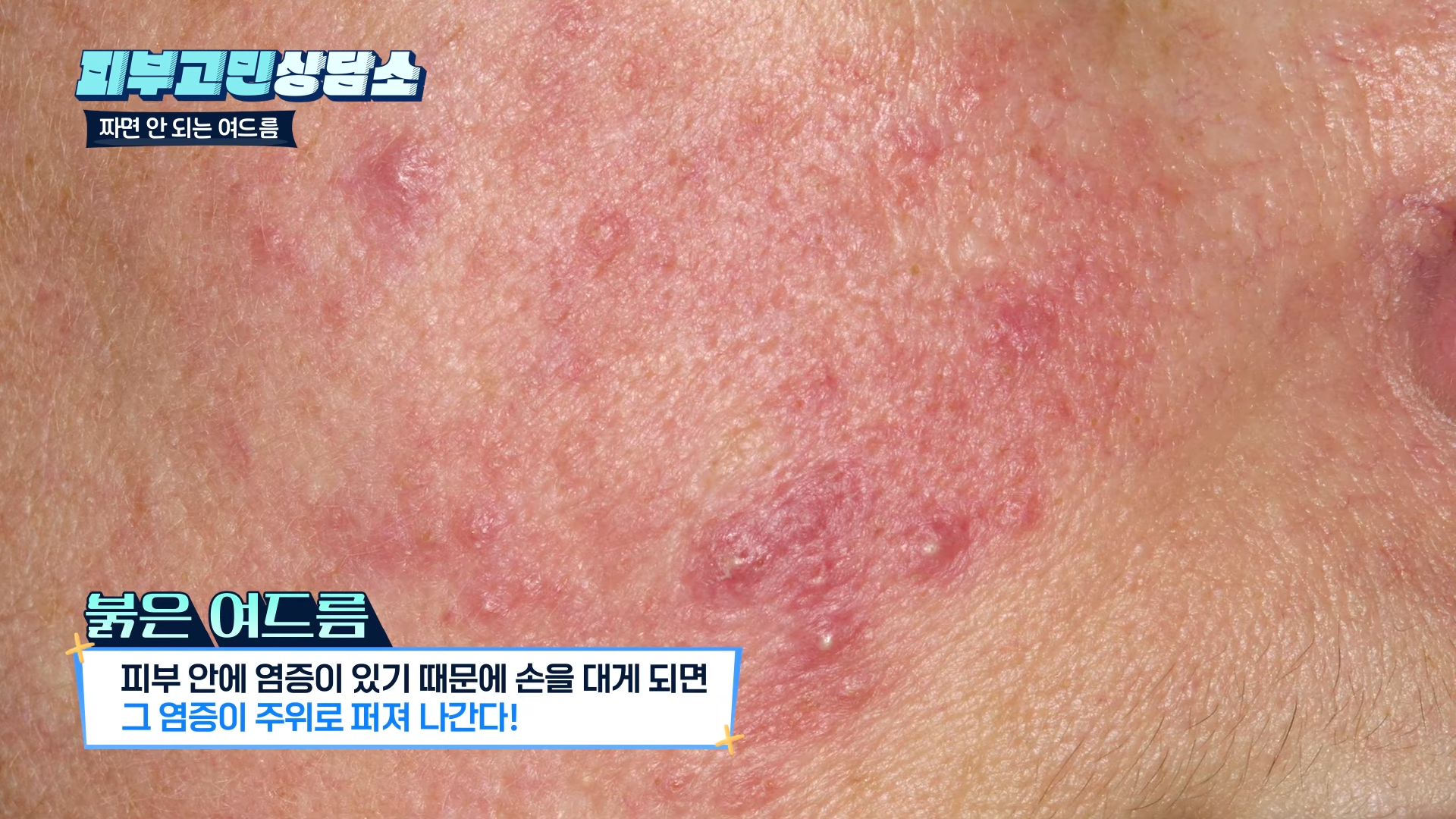
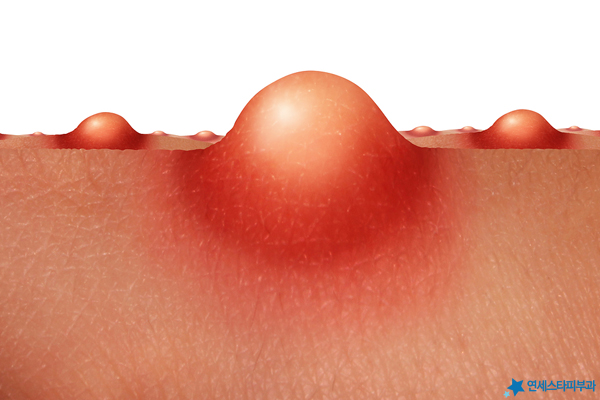
- Red, swollen inflammatory acne
- Deep lesions that carry a risk of leading to scars or hyperpigmentation
Why Self-Extraction is Dangerous
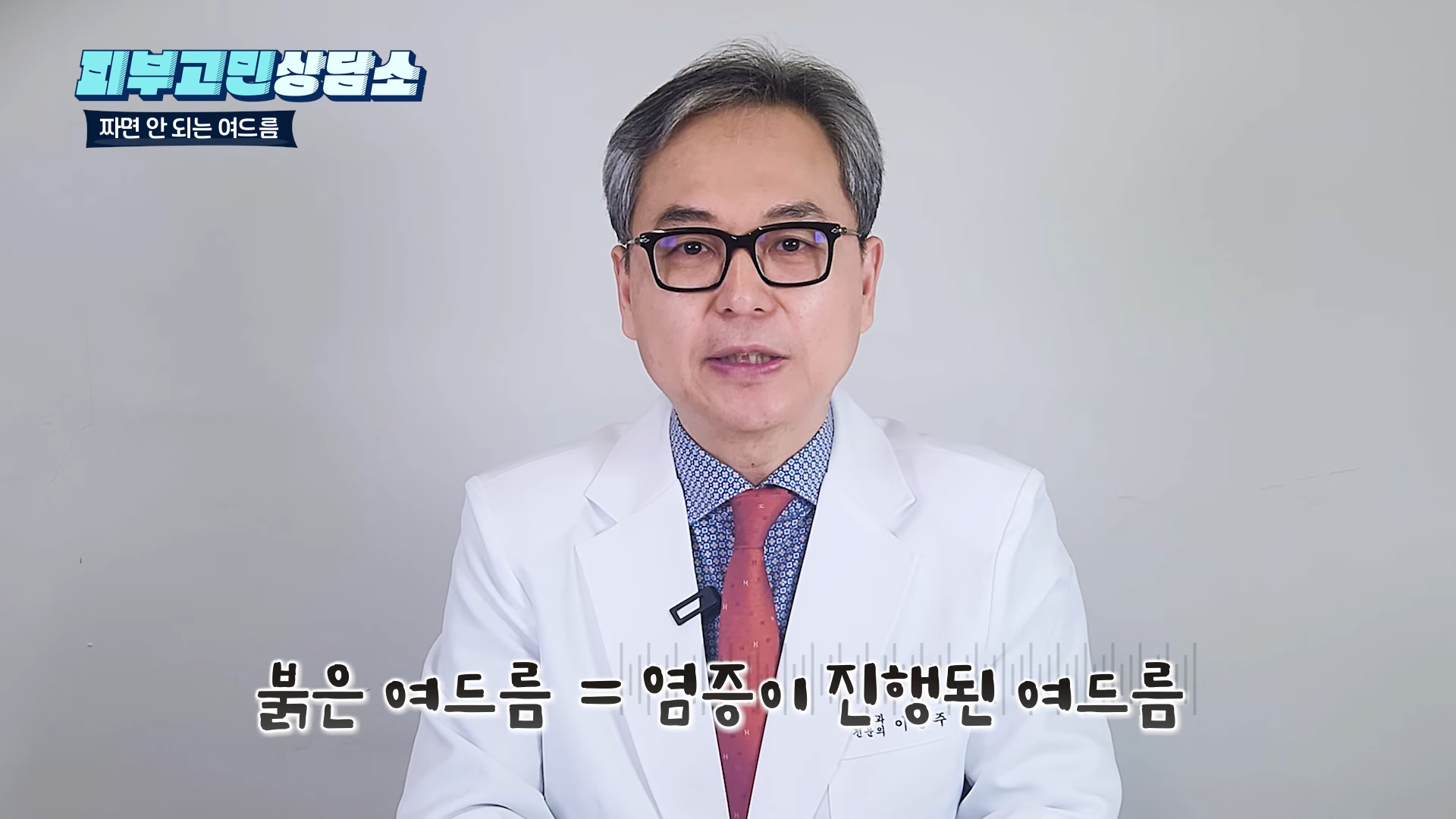
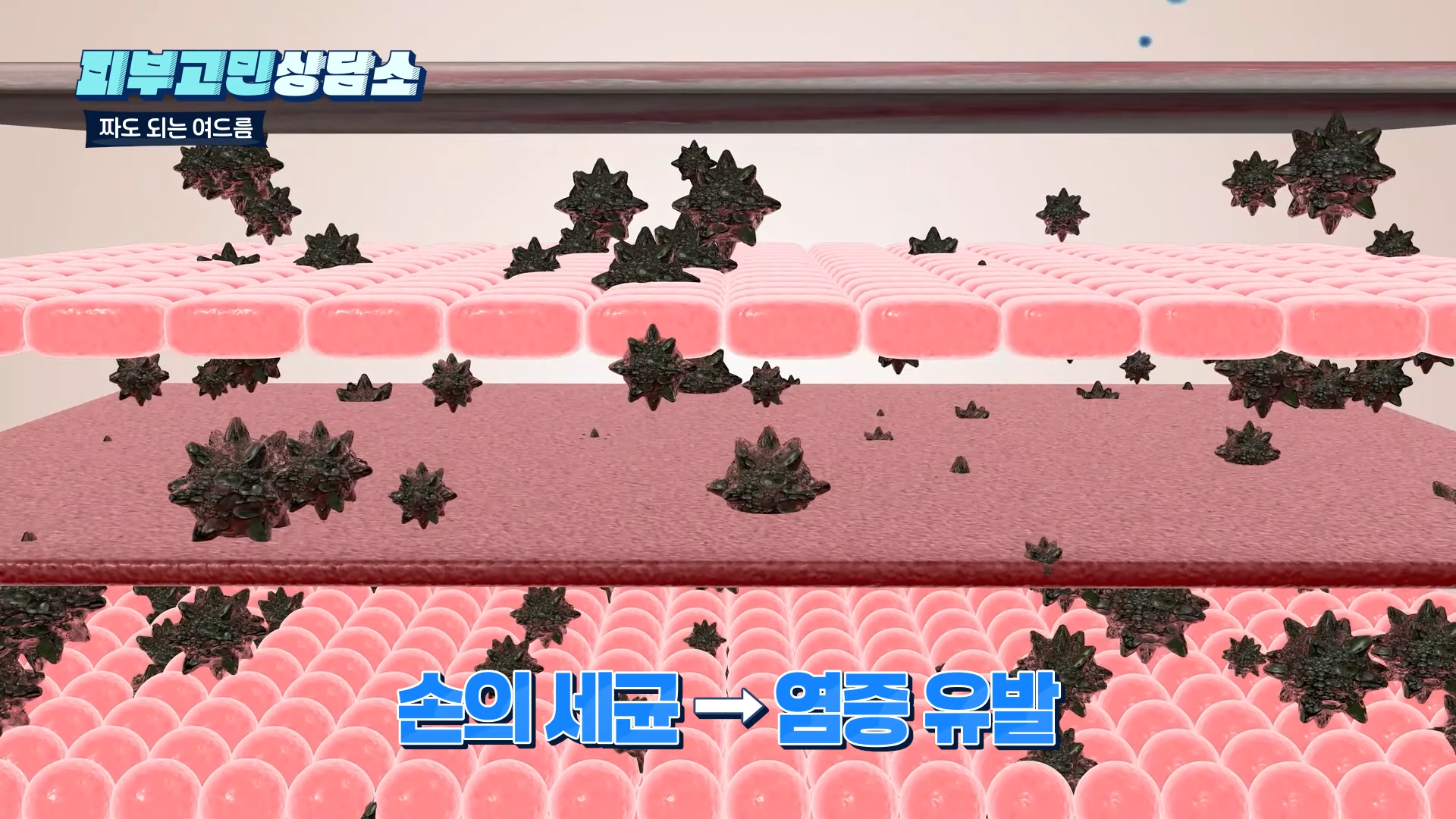
Self-extraction, performed with your hands at home, is one of the habits to avoid most. Bacteria from your hands and fingernails can transfer directly to your skin, and excessive pressure can rupture the follicular wall from the inside, causing inflammation to spread to surrounding tissues.
Such damaged follicles are prone to leaving marks or scars. In the clinic, it's not uncommon for extraction marks to lead to consultations for acne scars rather than the initial acne.
Self-extraction is reported as one of the most common causes of hyperpigmentation and scarring. It is safer to perform extractions only when necessary, in a hygienic environment, and not with your bare hands.

How Do Extraction and Root Cause Management Differ?
Extraction and root cause management approach the issue from different perspectives. The differences are summarized as follows:
| Category | Acne Extraction | Root Cause Management |
|---|---|---|
| Target | Existing contents | Sebaceous glands and inflammatory environment |
| Action Timing | Removal after occurrence | Environmental control before occurrence |
| Recurrence Perspective | Can be a temporary measure | Focus on alleviating recurrence cycle |
| Suitable Type | Superficial comedonal | Recurrent, inflammatory |
While extraction addresses visible lesions, root cause management differs in that it tackles the environment in which acne recurs.

If you find it difficult to determine whether your acne is simply comedonal or recurrent, it's safer to get an assessment before attempting self-extraction. For questions, inquire about acne types and extraction consultation
Gold PTT: An Approach to the Acne Environment
Gold PTT (Gold PTT) is a procedure that selectively targets sebaceous glands using gold nanoparticles. The key is that it approaches the environment where acne repeatedly forms, rather than simply extracting existing contents like traditional extraction.
Because it works by simultaneously controlling excessive sebum secretion and inflammatory responses, it is a procedure considered for managing recurrent acne. In cases where multiple lesions are widely distributed, a staged approach like the Triple Acne Package may also be considered.
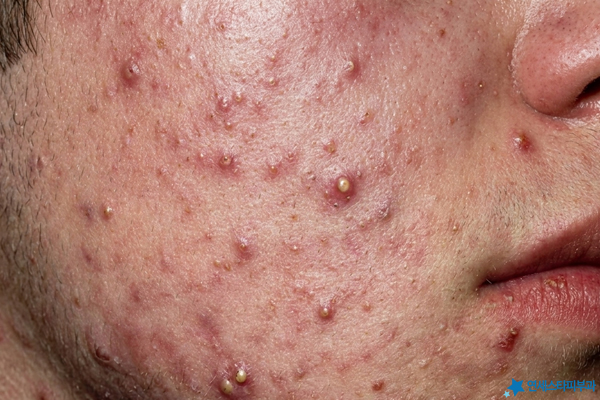
The goals of Gold PTT treatment are summarized as follows:
- Selectively targets sebaceous glands, minimizing irritation to surrounding tissues
- May help suppress acne-causing bacteria
- Simultaneously addresses sebum secretion control and inflammation management
- Relatively quick return to daily life after treatment is possible
The effectiveness and scope of the procedure may vary depending on skin condition and acne type, and individual differences may exist. The decision to proceed must be made after consultation with a specialist.
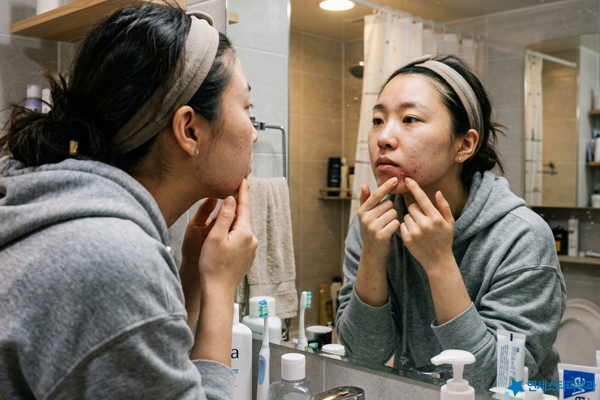
What to Observe When Extraction is Necessary
Extraction itself is not always a bad procedure. However, how, where, and with what plan it is performed determines the outcome.
- Perform in a hygienic environment at a dermatology clinic, not with bare hands
- Extract only appropriate lesions without excessive squeezing
- Establish a treatment plan that simultaneously reduces recurrence alongside extraction
- If marks remain, assess them before they progress to the scar stage, such as with Premium Customized Acne Scar Care
Prioritizing a comprehensive management approach over quick visible removal is the way to reduce the risk of scarring. If you're curious about the right approach for your skin, inquire about fundamental acne management consultation
Acne extraction can be a part of acne management, but it alone may not break the cycle of recurrence. If acne repeatedly appears in the same spot, it's time to consider an approach that looks beyond just extraction, to the sebaceous glands and the inflammatory environment.
Dr. Lee Sang-Joo, Chief Director (MD, PhD, Yonsei University College of Medicine and Graduate School, Completed Dermatology Residency at Severance Hospital, President of the Korean Dermatological Association) Dr. Lee Sang-Joo's Profile First Published 2026-04-15 / Last Reviewed 2026-06-16
Acne patterns and suitability for extraction vary from person to person, so we recommend consulting with medical staff for an accurate diagnosis and treatment plan.