


Many people impulsively get beautiful ankle tattoos after seeing photos on social media, only to consider removal due to job preparation or changes in their living environment. Inquiries about tattoo removal among young people are steadily increasing.
When you start looking into it, it can feel overwhelming to know where to begin. Today, I'll break it down for you.

Conditions of the Ankle Area
| Area Characteristics | Differences in Treatment |
|---|---|
| Thin skin | Requires a delicate approach |
| Close to bone | Energy delivery can be easily felt |
| Relatively slow blood circulation | Differences in the rate of pigment excretion from the body |
If you are planning ankle tattoo removal, it is better to look for a place with sufficient equipment and treatment experience, rather than just considering price or accessibility.
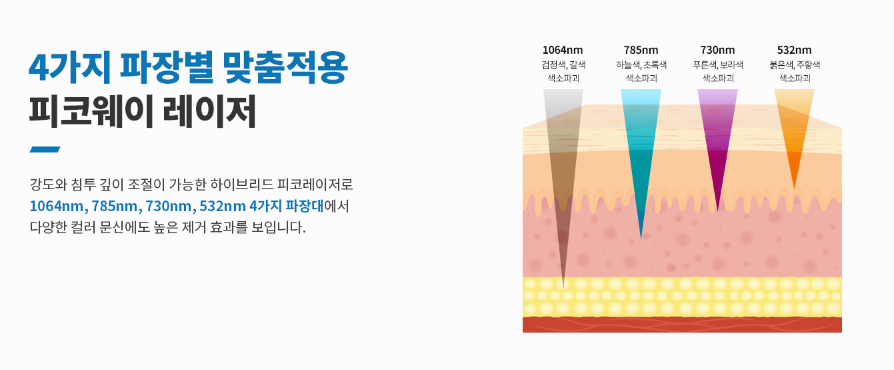
A Unit of One Trillionth of a Second
One of the most commonly used methods for tattoo removal recently is picosecond laser. Picosecond refers to an ultrashort pulse laser with a unit of one trillionth of a second.
This method delivers strong energy in a short moment, which is known to help break down pigment into fine particles. PicoWay Laser, one of the representative devices, can utilize four wavelengths, making it possible to target a relatively wide range of colors in addition to black and blue.
Of course, results may vary depending on conditions:
- Individual skin type
- Type of ink used
- Depth of pigment placement
Therefore, sufficient consultation in advance is necessary. You can compare the differences between devices in R-Zero Pico-Frectat Tattoo Removal and Nd:YAG Tattoo Removal.
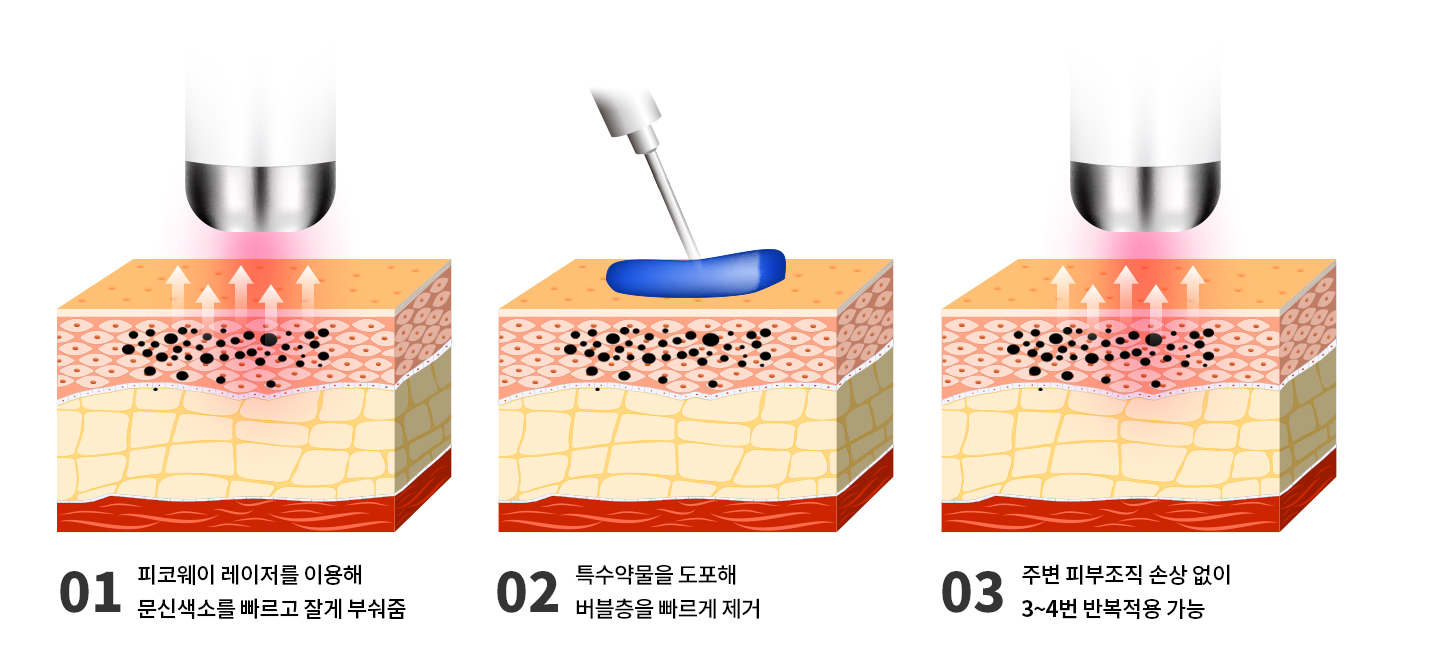
Method for Consecutive Irradiation
There was an inconvenience with tattoo removal lasers in that it was difficult to receive consecutive treatments. This is because the white bubble phenomenon that occurs after irradiation interferes with repeated treatments.
The R-Zero Technique applies a special solution to quickly clear these bubbles. As a result, up to four laser treatments can be performed in a single session, and the overall treatment interval can be shortened. It is known that this can be used to adjust the number of treatments or intervals while reducing the burden on the skin compared to conventional methods.
The application of the R-Zero Technique is determined by the medical staff's judgment based on the patient's skin condition and tattoo status, and may not be applied uniformly in all cases.
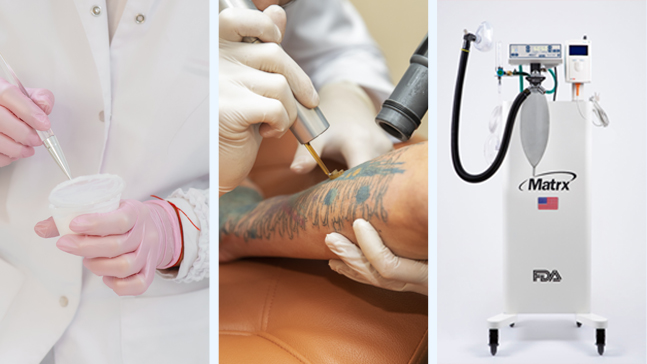
Why It's Difficult to Decide Based Solely on Price and Reviews
Ankle tattoo removal is not a simple cosmetic procedure but a process that requires medical judgment. Rather than deciding based solely on advertising reviews or low prices, it is important to have a thorough consultation to establish a treatment plan that suits your skin condition and tattoo characteristics.
The overall treatment flow is summarized in Tattoo Removal Treatment Guide.
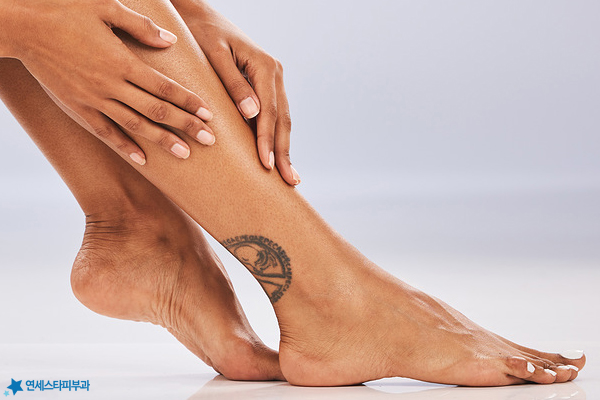
What to Review During Consultation
We recommend carefully reviewing options such as PicoWay Laser, picosecond laser, and the R-Zero Technique with a specialist. For areas with distinct conditions like the ankle, the details to confirm during the planning stage increase.
If you're curious about how to assess your tattoo condition, feel free to inquire via chat now.

Authored and Medically Reviewed by Chief Director Kang Jin-Moon (Dermatologist) Former Resident in Dermatology at Severance Hospital · Former Professor at Bundang CHA Hospital · Current Adjunct Professor at Yonsei University College of Medicine, Department of Dermatology Member of the Korean Dermatological Association · Member of the Korean Society for Laser Medicine and Surgery · Author of Medical Body Care View Medical Staff Profile
First Published 2026-04-22 · Last Reviewed 2026-07-29
This article contains general medical information and does not substitute for individual diagnosis and treatment. Results and recovery progress may vary by individual.