


The most common questions in tattoo removal consultations are about the removal cycle, number of sessions, and difficulty.
Even for tattoos of the same size, the time it takes can vary depending on the conditions. Let's look at what makes that difference, one by one.

We start with the color
There are definitely tattoos that are difficult to remove and those that are easier. This part primarily depends on the color.
| Color | Removal Difficulty |
|---|---|
| Blue and Black | Relatively easy to remove |
| Yellow and Red | A bit more challenging |
| Green and White | Known to require more removal sessions |
This is why we check the color first in consultations. The choice of equipment also changes depending on the color composition. You can see the differences by method in the Nd:YAG Tattoo Removal Guide.
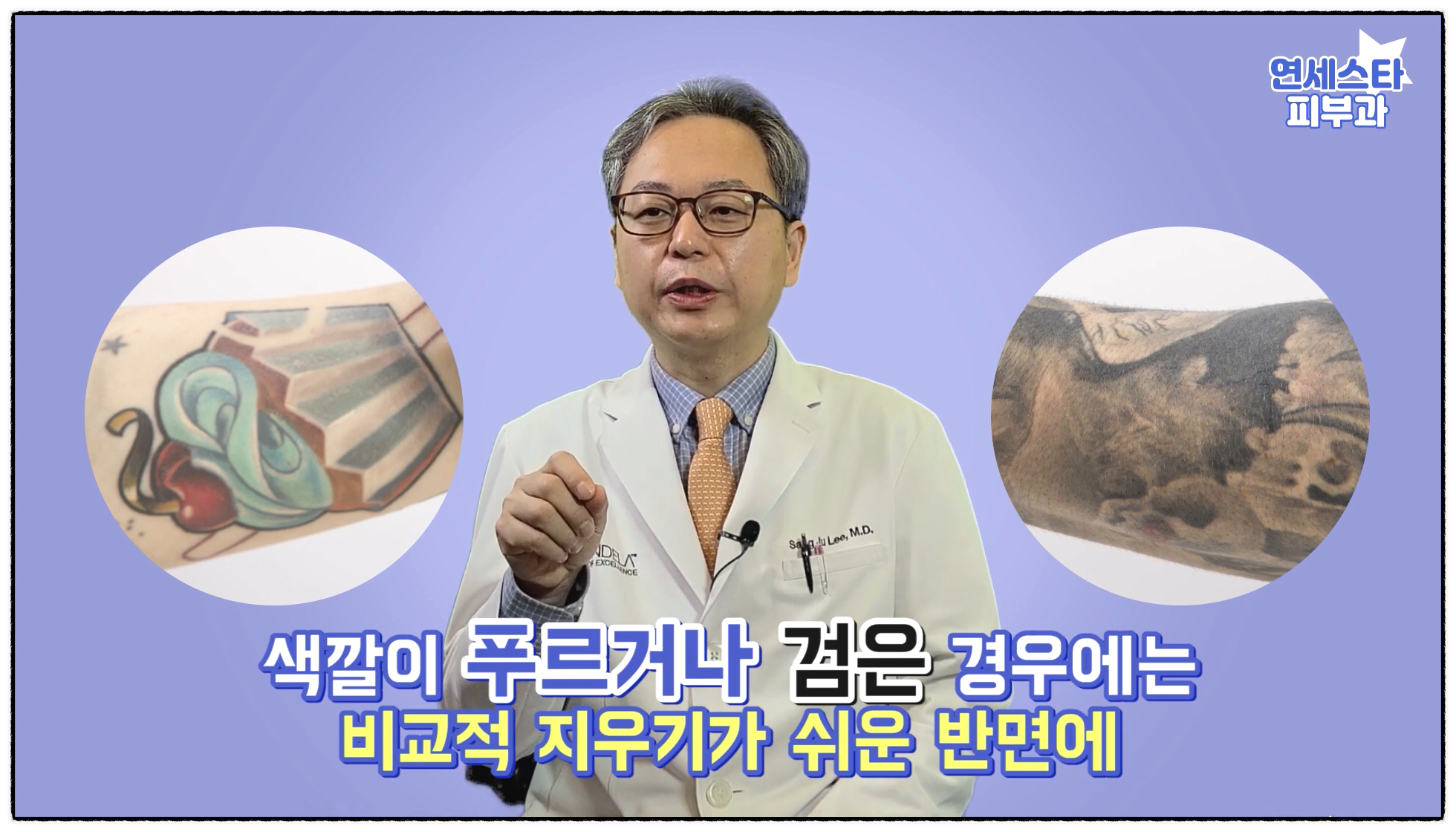

Why green tattoos are particularly challenging
Even a small amount of green tattoo remaining after treatment can appear bluish, like a slight bruise. Therefore, patient satisfaction is known to be somewhat lower.
This means that the process of the color fading is itself quite noticeable. It is advisable to plan for a generous number of sessions.

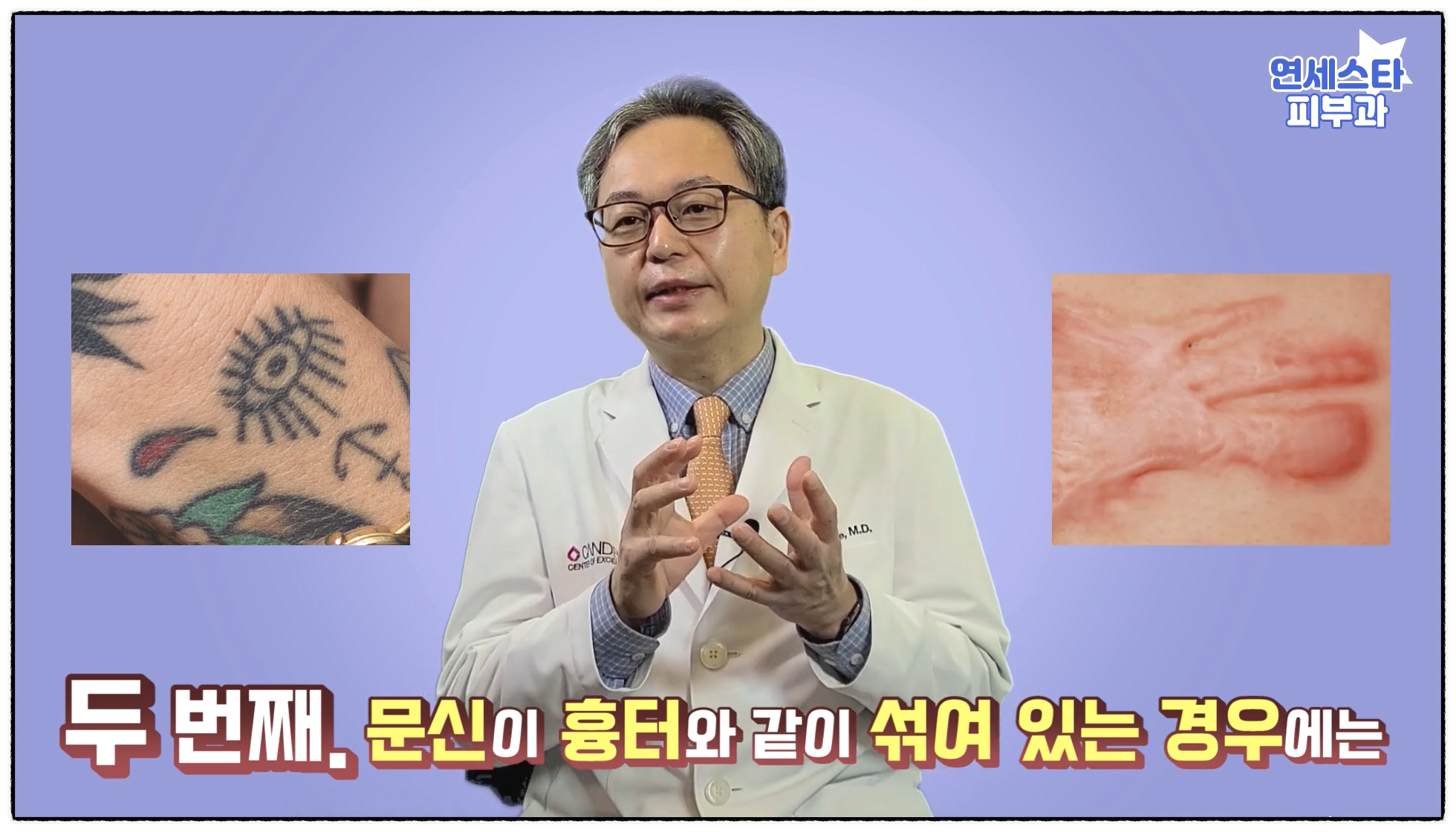
Tattoos mixed with scars
Secondly, a challenging case is when a tattoo is mixed with scars.
- Scars have firm tissue.
- Tattoos embedded within them are consequently more difficult to remove.
An approach that addresses scars simultaneously is outlined in the Pinhole for Burn & Surgical Scar Treatment Guide.


Older tattoos are removed faster
Between older tattoos and newer ones, older tattoos tend to be removed faster. This might sound counterintuitive, but there's a reason.
When ink has been recently etched into the skin, there is a lot of ink present. In contrast, with older tattoos, phagocytic cells in our body gradually consume the ink, reducing the amount of tattoo pigment.


If it's right after getting inked, the story changes
If you are immediately dissatisfied after getting a tattoo, it may be more effective to start removal before the skin heals.
This is because the pathways created when the tattoo was inked may still remain, allowing tattoo particles to exit more quickly through those channels. The method used in the removal stage is described in R-Zero Pico-Frectat Tattoo Removal.

The one-month standard
Skin typically heals after about one month. The sooner you come in for removal, the more effective it may be.
If you are regretting a tattoo now, it may be better to seek consultation early rather than spending time worrying. You can check the consultation process in the Tattoo Removal Treatment Guide, and for simple inquiries, you can leave a message via Start Chat Consultation.
Authored and Medically Reviewed by Representative Director Dr. Lee Sang-Joo (Dermatologist) Ph.D. in Medicine, Yonsei University College of Medicine Graduate School · Dermatology Resident at Severance Hospital Currently, Adjunct Professor, Department of Dermatology, Yonsei University College of Medicine · Author of 'Acne Bible', 'Skin Barrier' View Medical Staff Profile
First Published 2025-01-10 · Last Reviewed 2026-07-29
This article contains general medical information and is not a substitute for individual diagnosis and treatment. Results and recovery progress may vary by individual.