


When choosing a tattoo removal clinic, there's one factor many people consider more important than they might initially think: the pain during the procedure.
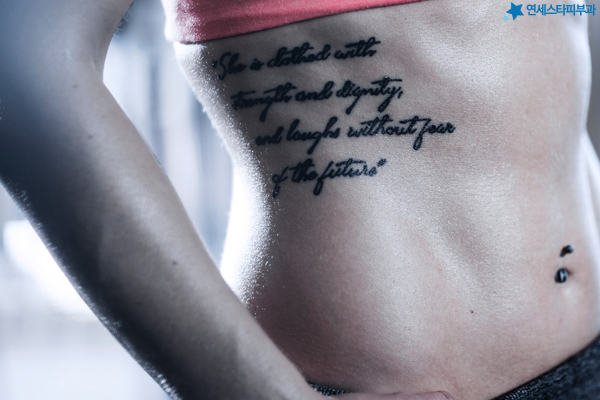
The degree of pain experienced during laser tattoo removal varies by individual, but a significant number of people report discomfort. As a result, more tattoo removal clinics are promoting sleep anesthesia. Let's examine which anesthesia method might be a safer and more reasonable choice.
What is Sleep Anesthesia?
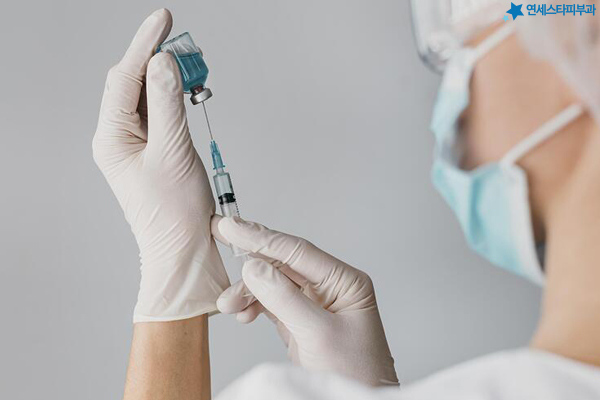
Sleep anesthesia involves administering anesthetics like propofol to perform laser procedures while the patient is completely unconscious. While this may seem appealing because no pain is felt, there are other aspects to consider.
For procedures like laser tattoo removal, which are not surgeries, it's crucial to carefully weigh the necessity and risks of sleep anesthesia.
Anesthesia Used While Conscious
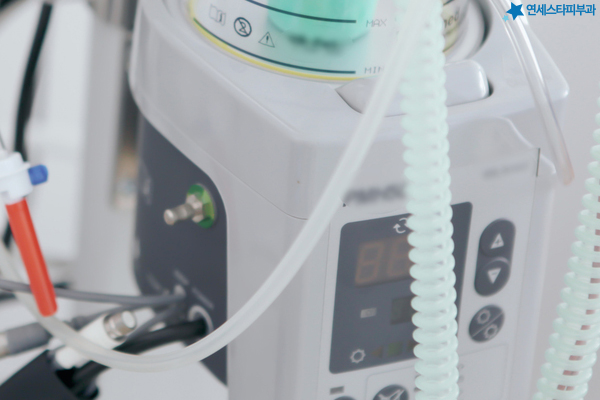
Recently, nitrous oxide has gained attention as a non-sleep anesthesia method in tattoo removal clinics. It helps alleviate pain, fear, and anxiety while the patient remains conscious.
- This method has long been used in pediatric clinics, dental offices, and birthing centers in the United States.
- It has been used to relieve pain in patients who cannot undergo sleep anesthesia, including children.
- It is an anesthesia method approved by the U.S. FDA.
If you are considering tattoo removal anesthesia, nitrous oxide, which safely reduces pain while you are conscious, may be a more suitable choice for laser procedures than sleep anesthesia. If you're curious about the anesthesia options, you can inquire via chat now.
How Equipment Affects Perceived Pain
Along with the anesthesia method, the type of laser equipment used directly influences perceived pain and side effects. PicoWay is a device that precisely breaks down pigment particles with ultrashort pulse energy in picoseconds, or one-trillionth of a second.
| Characteristic | Difference in Procedure |
|---|---|
| Extremely short energy delivery time | The duration of pain felt is reduced |
| Selectively reacts only to pigment | Helps reduce thermal damage to surrounding tissue, lowering the risk of blisters and scars |
| Supports 532nm, 730nm, 785nm, and 1064nm | Effective for both black-and-white and colored tattoos |
| Minimal skin damage | Relatively short recovery time after the procedure |
You can compare the differences with equipment that has different wavelength configurations in the Nd:YAG Tattoo Removal Guide.
When Anesthesia, Equipment, and Technique Work Together
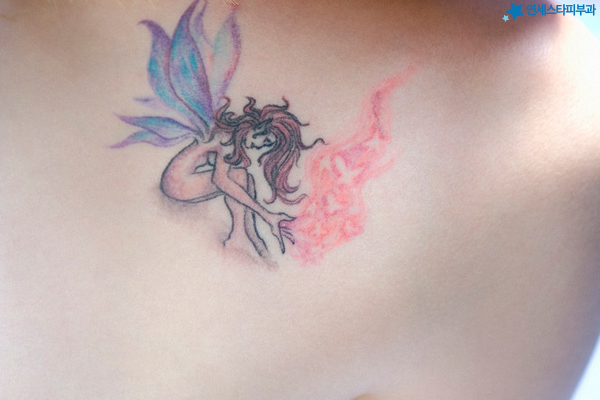
Tattoo removal satisfaction comes from a combination of several factors, not just one. When nitrous oxide anesthesia is used to alleviate anxiety and pain during the procedure, PicoWay precisely breaks down pigment, and the R0 technique enhances the efficiency of each session, it is possible to proceed while reducing pain burden and the risk of side effects. The technique configuration is summarized in the R-Zero Pico-Frectat Tattoo Removal Guide.
Is Post-Procedure Care Also Provided?
If redness or pigmentation remains after the procedure, vascular lasers may be used in conjunction, and the Pinhole Technique may be utilized to prevent scarring. Choosing a tattoo removal clinic with such a comprehensive post-care system can lead to a more stable process. The principles of the Pinhole Technique are outlined in its guide, and the overall treatment flow is detailed in the Tattoo Removal Treatment Guide.

Authored and Medically Reviewed by Dr. Jinmoon Kang, Chief Director (Board-Certified Dermatologist) Former Resident at Severance Hospital Dermatology · Former Professor at Bundang CHA Hospital · Current Adjunct Professor at Yonsei University College of Medicine, Department of Dermatology Member of the Korean Society for Medical Lasers · Member of the Korean Society for Aesthetic and Dermatologic Surgery View Medical Staff Profile
First Published 2026-07-28 · Last Reviewed 2026-07-29
This article contains general medical information and is not a substitute for individual diagnosis and treatment. Results and recovery may vary by individual.