

Have you ever looked in the mirror and felt bothered by a depressed scar on your nose? It's a prominent area that's hard to cover with makeup, and the deeper the scar, the more it tends to bother you. Let's first address whether there's truly a way to reverse a depressed nose scar once it forms. To put it simply, improvement is reported with treatments that reach deep into the dermal layer, and the starting point is choosing a method that matches the scar's characteristics.
Why Do Depressed Nose Scars Form?

The most common cause that comes to mind is acne marks. The more severe the inflammation, the more likely it is to leave a scar, and as this is a common problem even in adulthood, more people are seeking help for it. If you're concerned about recurrent inflammatory acne on your nose, it may be helpful to first understand the process of acne scarring.
Scars can also result from surgery for cosmetic reasons or accidents, or they can be persistent marks left after childhood chickenpox or inflammation. Although the causes vary, they all share the commonality of leaving depressed marks due to skin damage. If the mark originated from a surgical site, it's easier to determine the direction of treatment by considering it alongside the recovery process of cosmetic surgery scars.
Understanding the Core of Scar Treatment
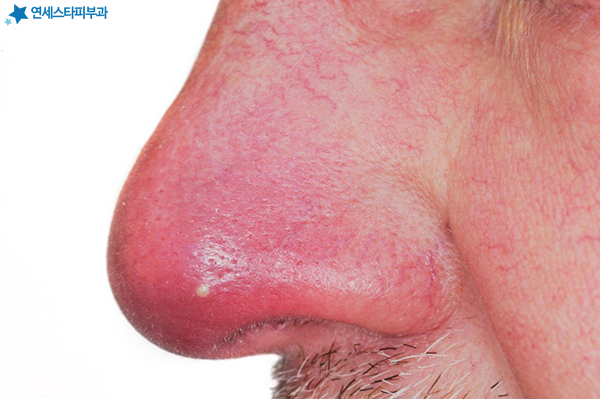
For rapid change, it's important to first understand what is needed now. The key to depressed nose scars is the process of naturally filling in the areas that haven't fully recovered, which requires management to improve the scar tissue located in the dermal layer.
Since new skin must grow from within, simply treating the visible surface may not yield satisfactory results. Managing from within inevitably has limitations with simple home care. One more point to consider is the location of the scar. The nose is a particularly challenging area to treat, requiring a more meticulous and thorough approach.
Depressed nose scars need to be filled from the dermal layer, not just the surface, so understanding the depth and characteristics of the scar and designing the treatment accordingly is paramount.
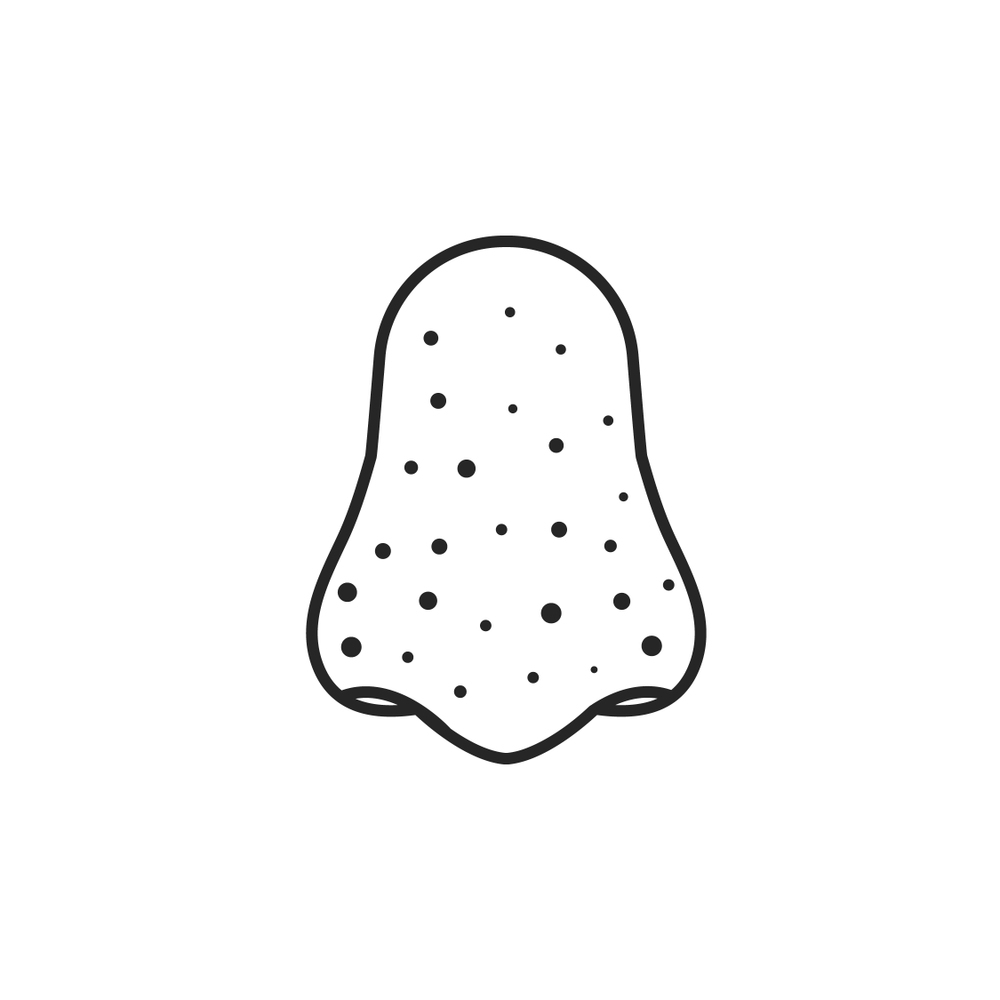
Why the Nose Area is Particularly Tricky
The characteristics of nose skin are as follows:
- Tough and firm skin. Nose skin is thicker and harder than other areas, so scars may take longer to treat.
- Many sebaceous glands and thick collagen density. The nose has an unusually high number of sebaceous glands, which can make it feel oily in the summer. When scars form, the collagen density can become thick, sometimes slowing down treatment.
- Sebum secretion issues in pore scars. If the scar is caused by pores, changes can only be expected by addressing not only the scar but also the sebum secretion problem.
Once a depressed nose scar forms, it tends to remain firm, so starting treatment early is reported to lead to a smoother course. While it's not impossible to treat old marks, it may take longer. If scars originating from pores are also visible, we recommend checking how to assess the texture of pore scars.
Treatment Direction Based on Cause and Characteristics
Choosing the right treatment for you is as important as prompt treatment. The typical situations are summarized in the table below:
| Scar Type | Main Approach | Core Principle |
|---|---|---|
| Red Scars | Vbeam Prima (Vascular Laser) | Normalizing abnormal blood vessels to alleviate redness |
| Old Scars | Ultrapulse Encore Laser | Reactivating insufficient regenerative power |
| Very Deep Scars | Combined Subcision | Releasing fibrous bands that pull the skin down |
| Insufficient Regeneration | Combined Skin Boosters | Aiding recovery by filling the skin from within |
For Red Scars
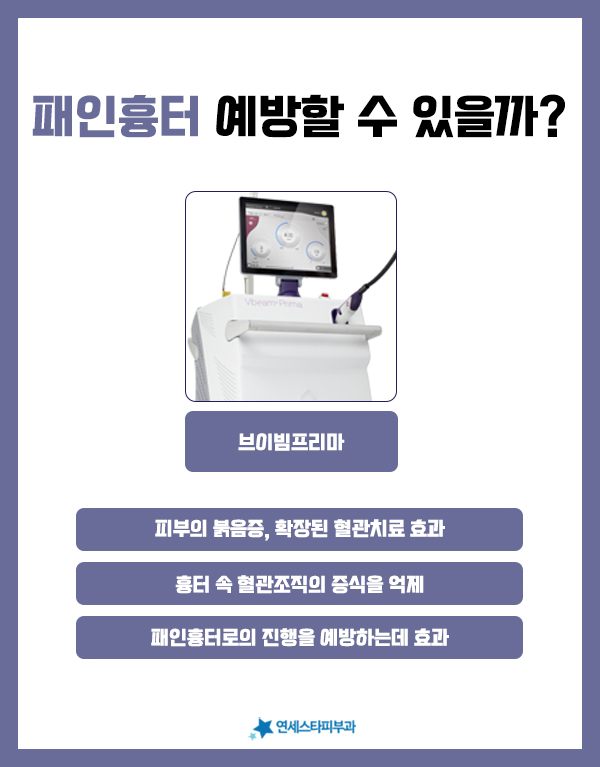
The main cause of redness around scars can be attributed to abnormally developed blood vessels. Vbeam, known as a vascular laser, helps normalize these vessels, reducing redness and preventing further scar progression. This phenomenon is often seen in the early stages of scar formation, and missing this period can increase the likelihood of deep depressed nose scars.
If you also have persistent red acne marks, refer to management strategies for red acne scars.
For Old Scars
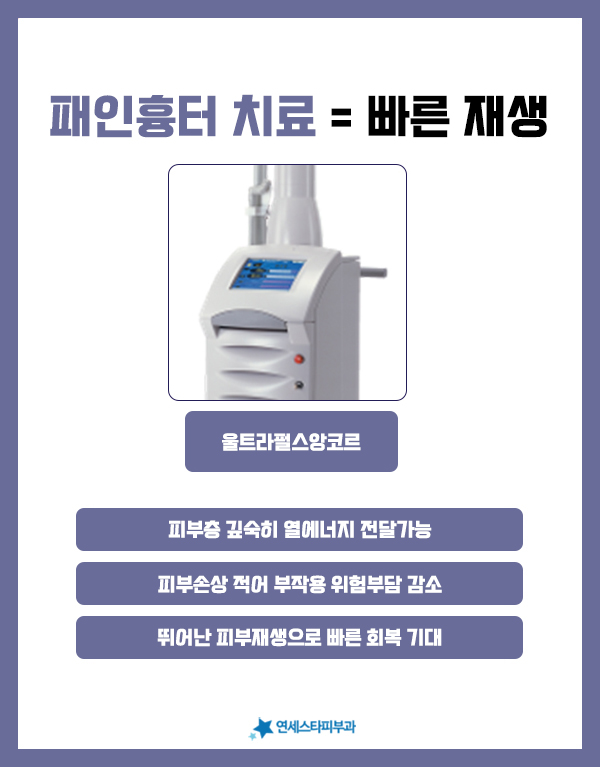
When our body is injured, it regenerates itself. Old marks can be seen as remnants where regeneration was not fully achieved. You can think of this as a process of reactivating these deficient areas with a laser.
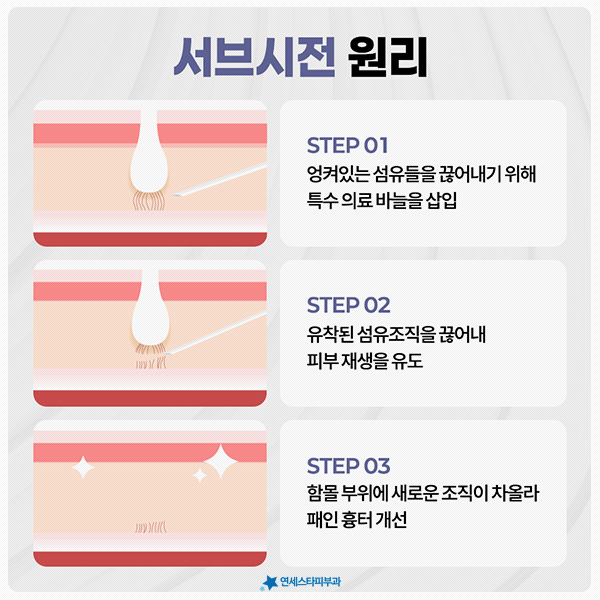
While laser technology is actively used in various scar treatments, for very deep depressed scars, procedures may be combined. Subcision, which releases fibrous bands that pull the skin down, is a prime example. If skin characteristics lead to slow recovery and insufficient regenerative capacity, combining treatments like Rejuran Skin Boosters to fill the skin from within or Juvelook Skin Boosters can be a supportive approach.
Although treatment methods are categorized by typical situations, multiple symptoms often appear together in reality. It's good to remember that sometimes a combination of various treatments may be necessary rather than sticking to just one method. If deep, depressed forms are prominent, it's also worth looking into treatment approaches for depressed acne scars.
If you have any questions, please feel free to ask through chat consultation regarding depressed nose scar treatment.
Things to Know Before Treatment
Here's a checklist before starting treatment:
- Personalized treatment. The intensity of all methods must be adjusted according to skin condition and scar depth, so the experience of the medical staff is important.
- Post-treatment reactions. After treatment, reactions such as redness, inflammation, or pigmentation may occur, and initially, the scar may even appear more prominent. This is known as a natural process during skin regeneration, so you don't need to worry excessively.
- Slow recovery. While temporary reactions are natural, if recovery doesn't happen over time, we recommend visiting the clinic quickly to check your condition.
- Consistency. Just as surface wounds take time to heal, it takes time for new skin to fill in depressed areas. It's best not to be too impatient and to continue with patience.
In the examination room, even with the same depressed nose scar, the starting points for those with residual redness and those with old, hardened scars often differ, leading to different treatment sequences.

If It Bothers You Every Time You Look in the Mirror
If the depressed marks on your nose catch your eye every time you look in the mirror, you can expect changes by accurately assessing their characteristics and consistently applying the appropriate methods. Individual results may vary, so if you're curious about the treatment sequence suitable for your skin, we recommend consulting with a specialized medical professional to determine the direction.
💬 Chat with us now

Sang-Joo Lee, Chief Director (MD, PhD, Yonsei University College of Medicine and Graduate School; Dermatology Resident, Severance Hospital; President, Korean Dermatological Association) Chief Director Sang-Joo Lee's Profile First published 2025-07-09 / Last reviewed 2026-06-16
This content is general information for understanding and individual differences in treatment response and progress may occur. For an accurate diagnosis and treatment plan, please confirm through an in-person consultation with medical staff.