
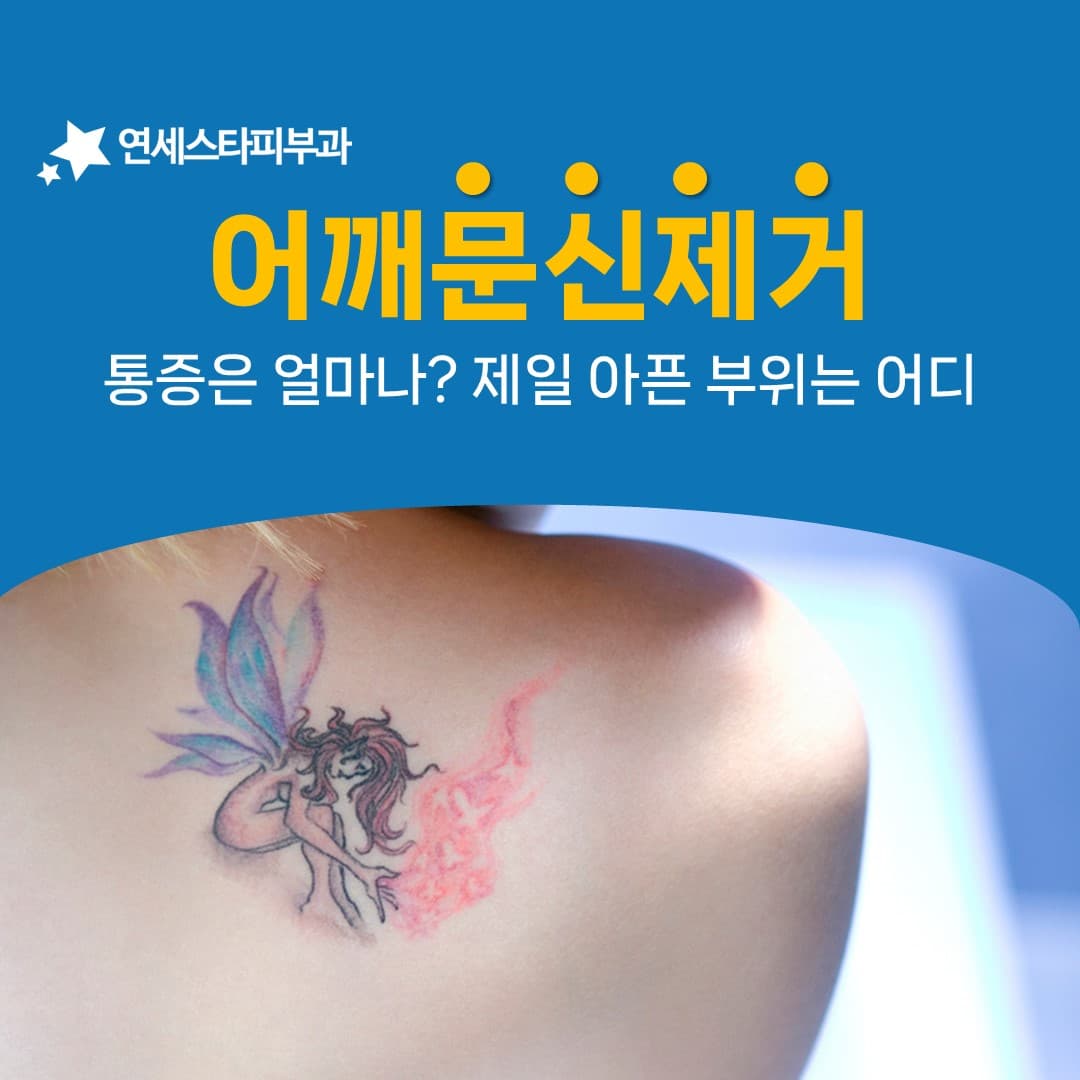
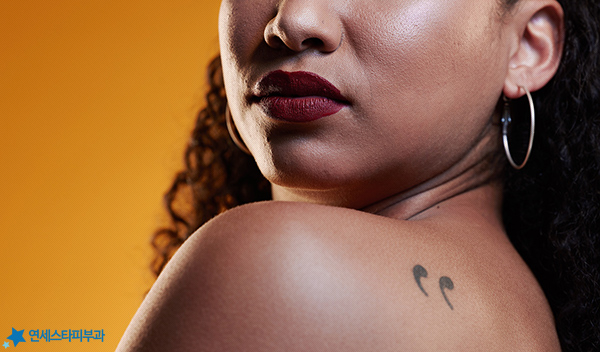
When considering laser tattoo removal on the shoulder, pain is often the most sensitive factor. Many people delay treatment, even if they want to remove the traces on their body quickly, due to concerns about severe pain.
Pain is determined by the structure of the area
Pain during shoulder tattoo removal varies from person to person. There are also clear differences depending on the area.

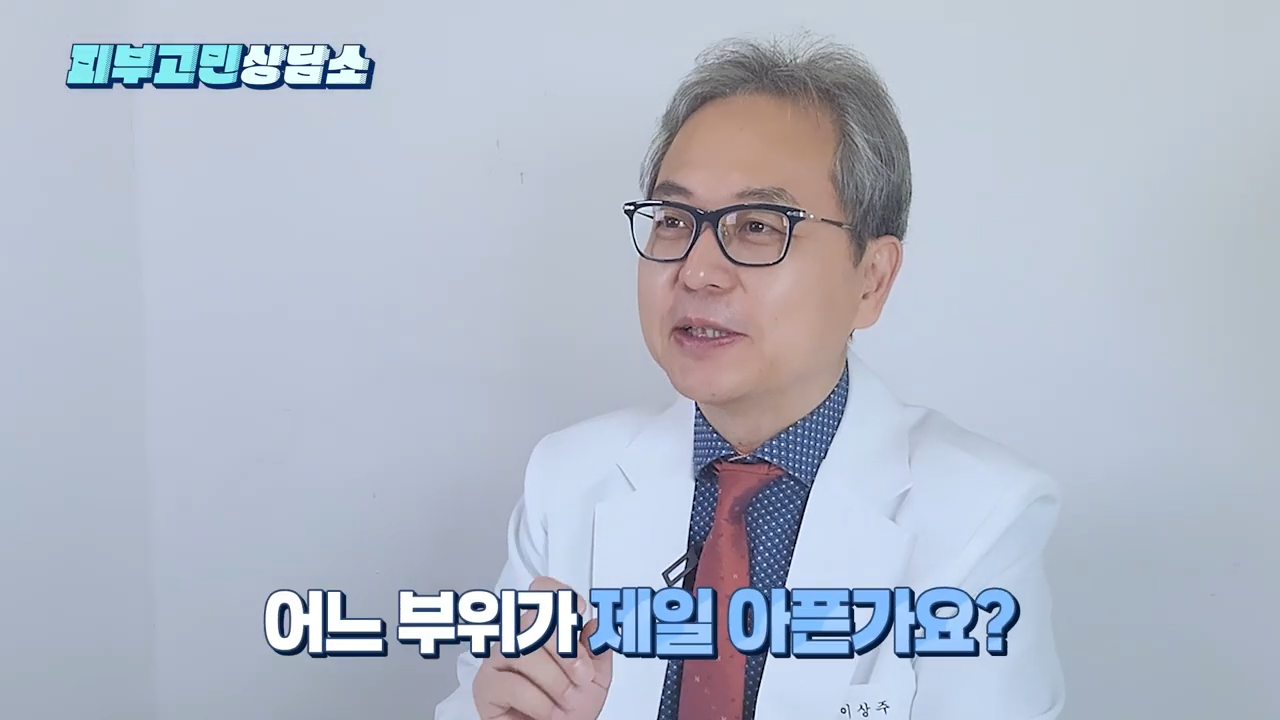
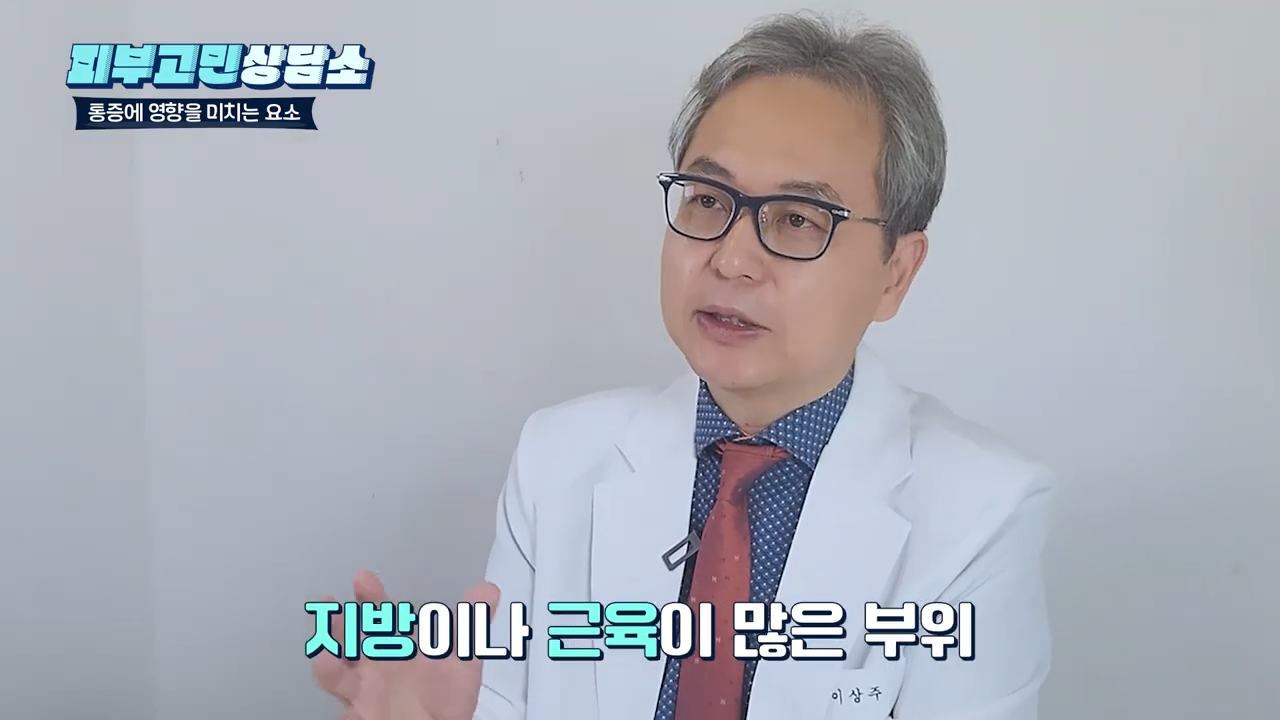
Factors such as skin thickness, nerve distribution, presence of fat and muscle, and distance to bone determine the perception of pain.
- The thinner the skin, the more directly the laser energy is transmitted.
- The more nerve distribution, the greater the sensation of stimulation.
- The closer to the bone, the more directly vibrations are transmitted.
- The thicker the muscle and fat, the more the pain is buffered.
Differences created by ink quantity and color
While there are individual differences in how pain is perceived, the more tattoo particles there are, the greater the pain may be. This is because during treatment, tattoo particles in the skin are broken down and expelled, which can cause pain in the surrounding area.
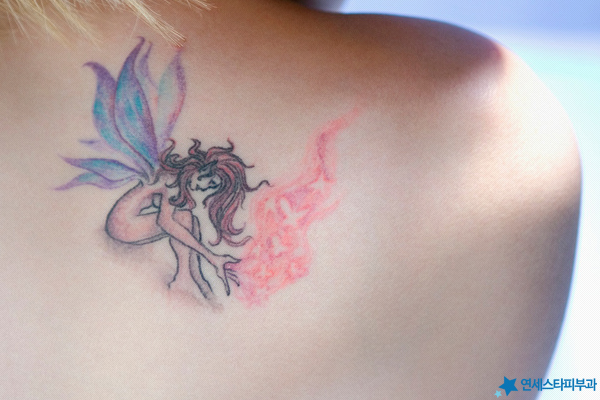
Another point to consider is color. Pain may be felt more intensely with black or blue tattoos than with red ones.
The reason for the difference by color is that the way particles break down varies.


From less painful to more painful areas
The more nerve distribution an area has or the closer it is to bone, the higher the intensity of pain during tattoo removal. Conversely, areas with more muscle or fat may experience reduced pain.
| Area | Condition | Perceived Pain |
|---|---|---|
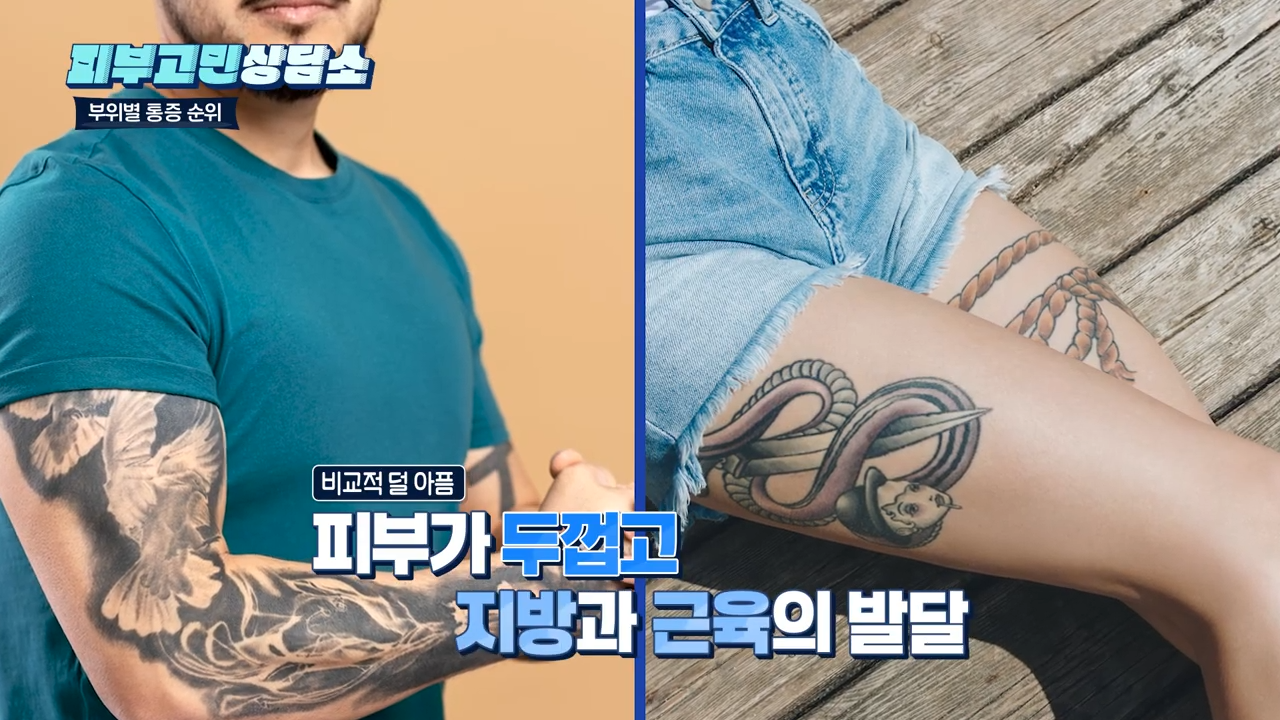
| Forearm, Thigh | Thick skin, well-developed fat and muscle | Relatively low |
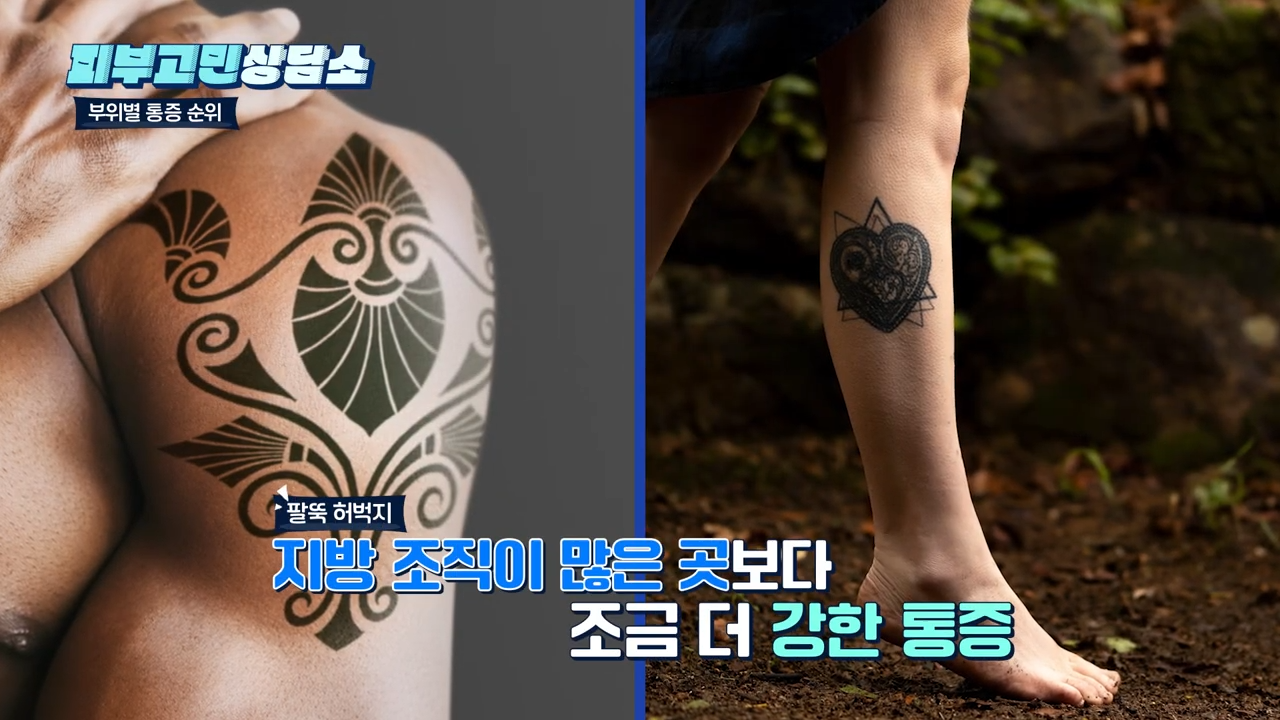
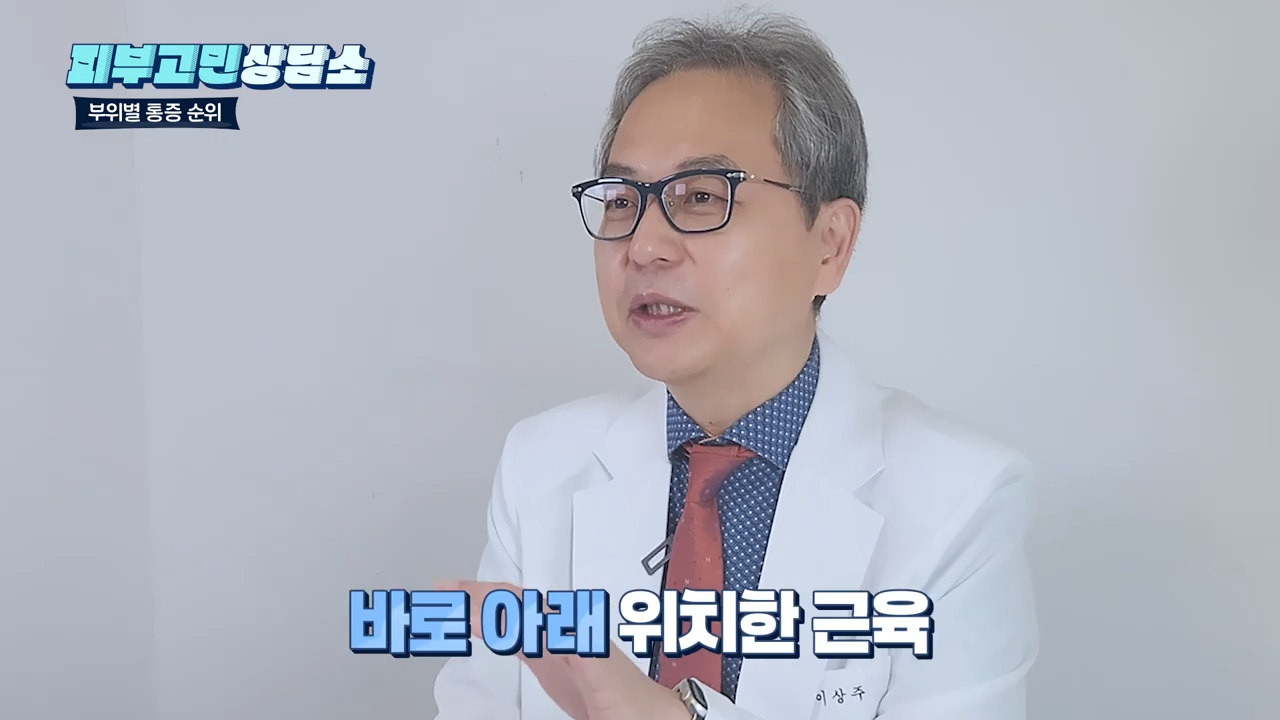
| Shoulder, Calf | Muscle located underneath | Momentary stinging |
| Wrist, Ankle | Fewer nerves, but close to bone | Noticeable |
| Neck, Ribs, Back of Hand | Thin skin, many nerves | Easily felt |
| Fingers, Toes | Topical Anesthetic Cream less effective, developed nerves | Strongly felt |
The forearms and thighs have thicker skin and well-developed fat and muscle, so pain is relatively low during laser treatment.

How about the shoulder?
The shoulder and calf may experience slightly stronger pain than the forearm or thigh. However, since muscle is located underneath, we can say that it is tolerable with a momentary stinging sensation. Individual differences in perception may exist.
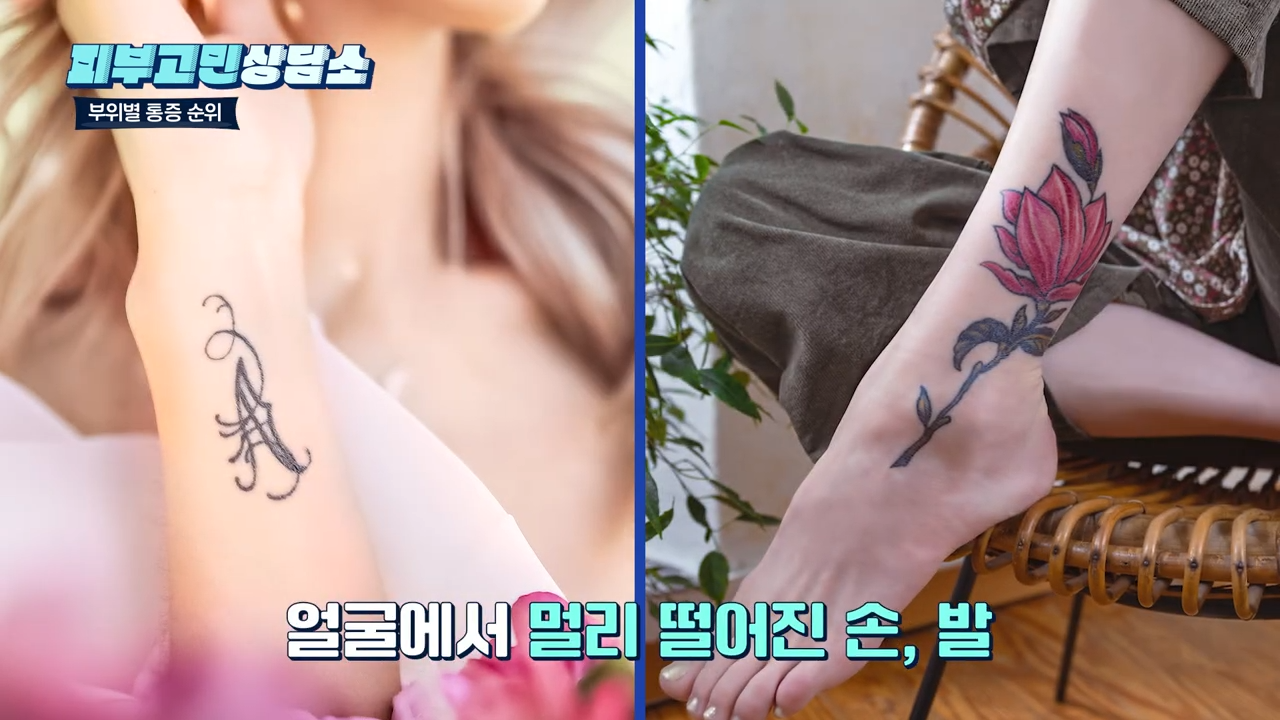
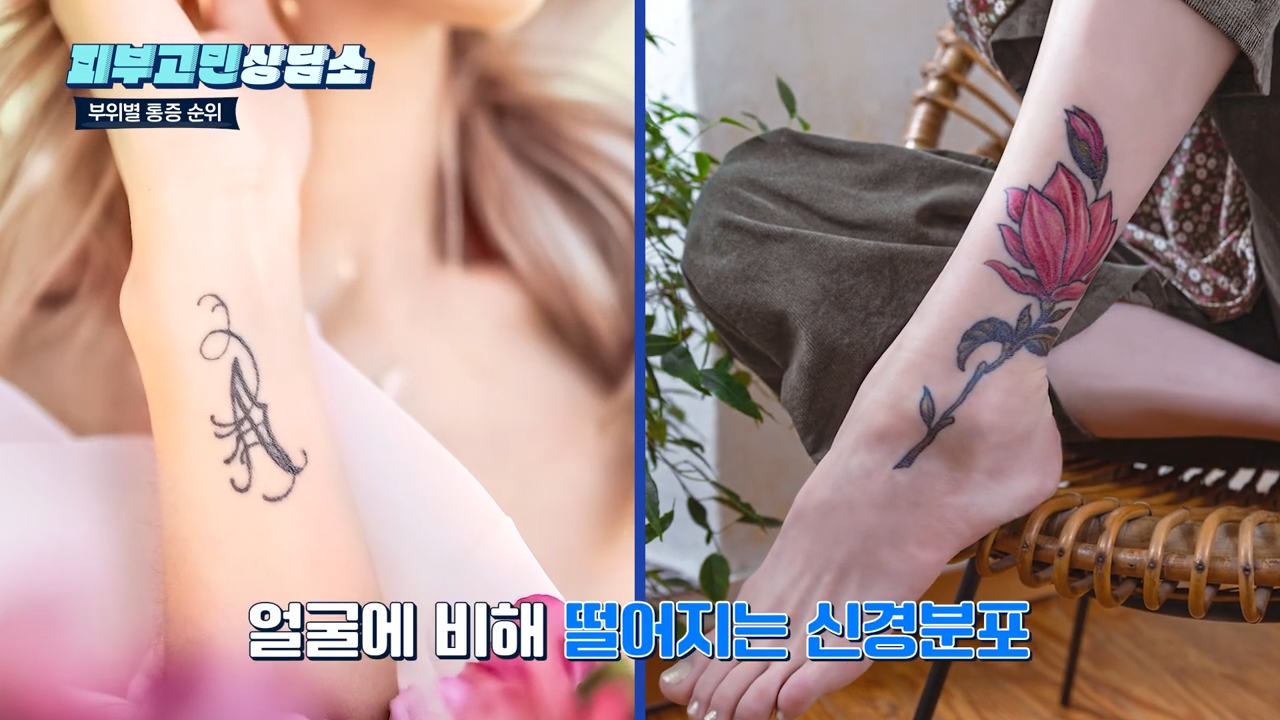
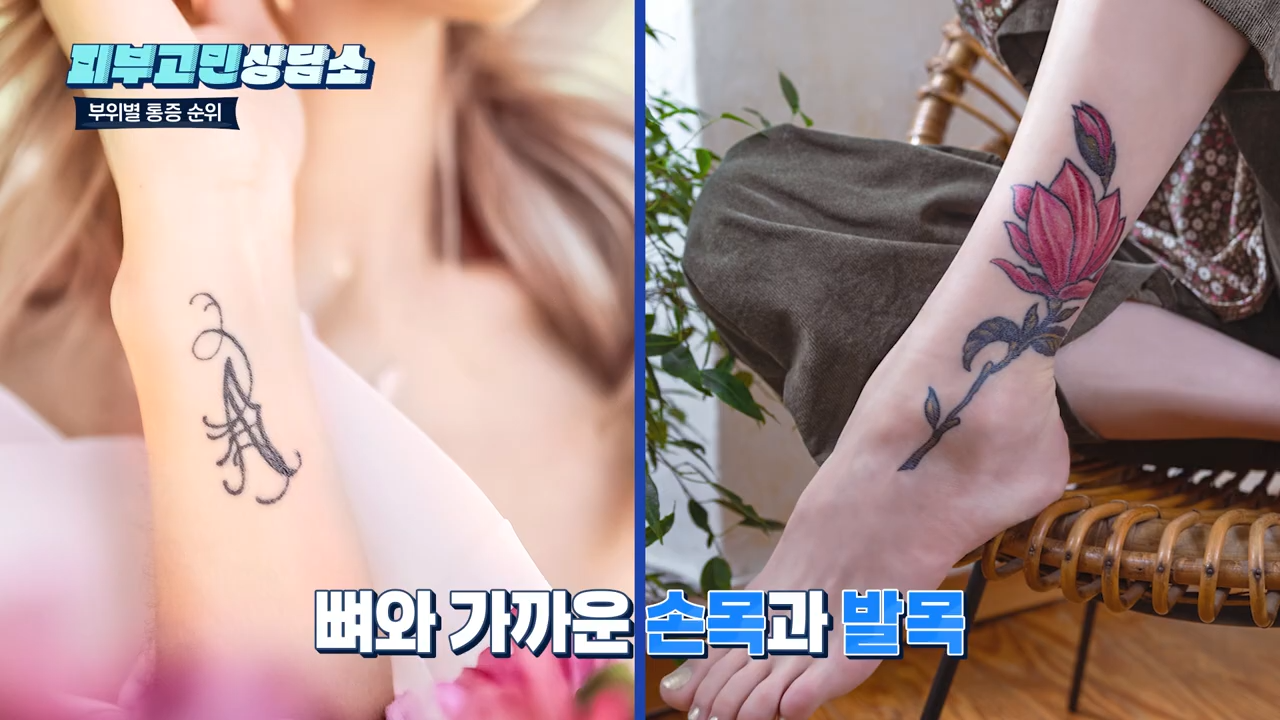
The wrists and ankles are far from the face, so they have less nerve distribution than the face, but they are close to bone, so some pain is felt. The ankle may be slightly more painful than the wrist.
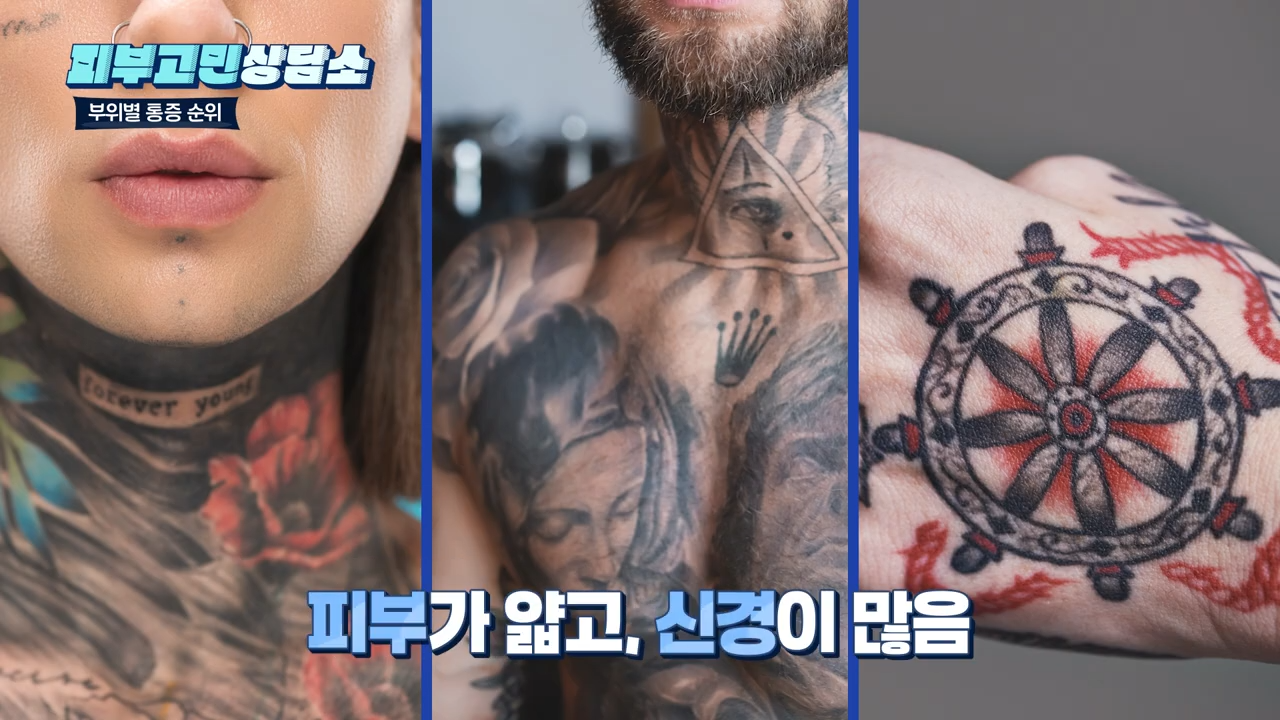
The neck, ribs, and back of the hand have thinner skin and more nerves compared to the areas mentioned earlier. Therefore, pain may be felt more intensely.
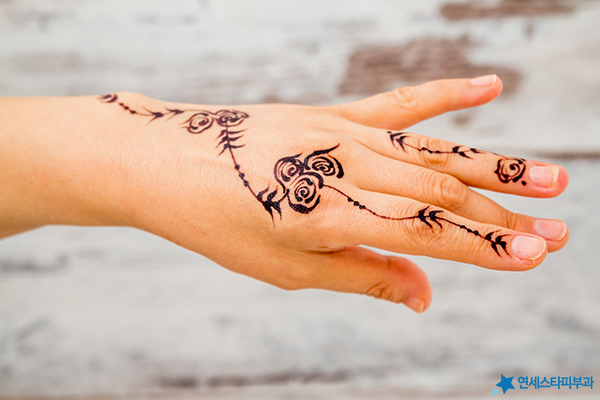
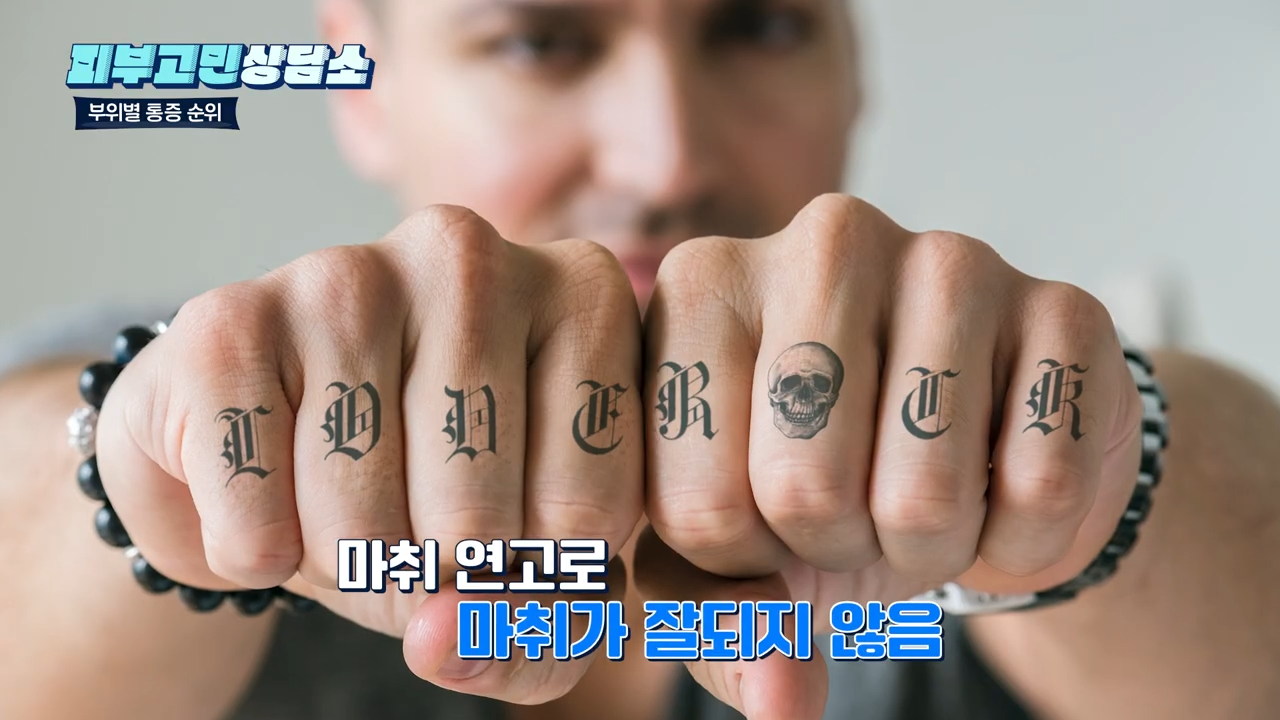
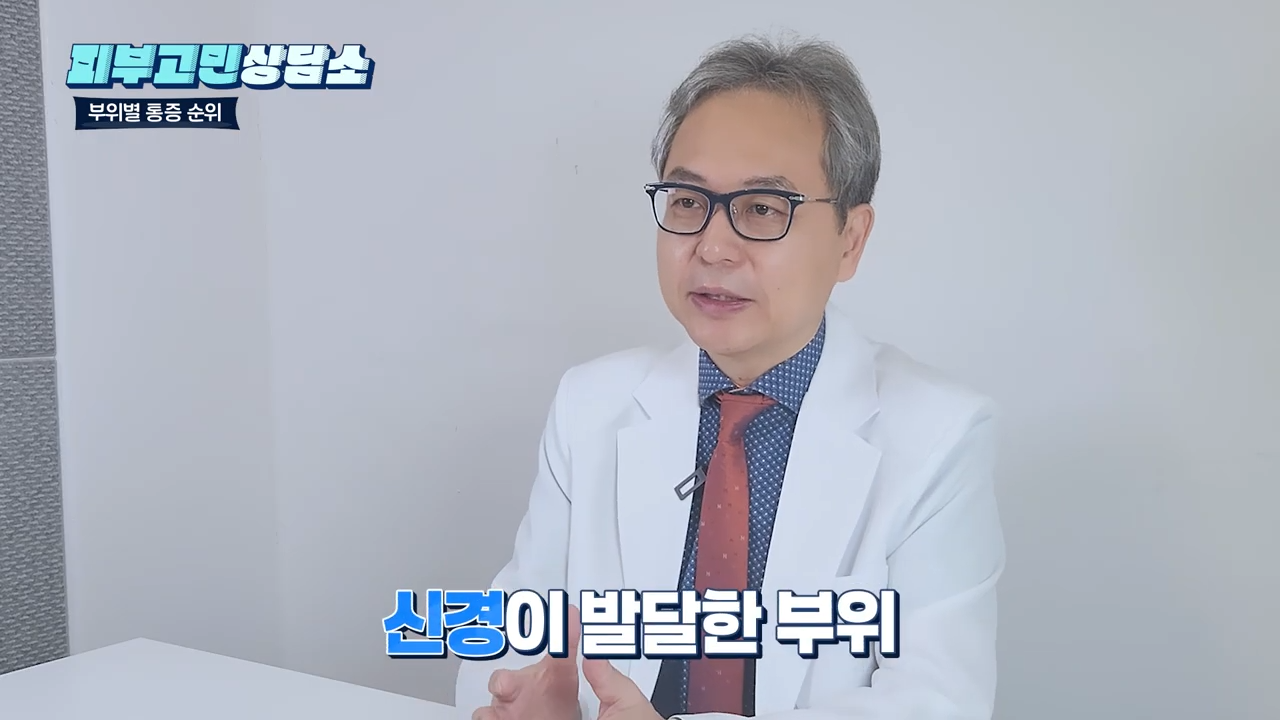

Fingers and toes may experience strong pain because topical anesthetic cream is often less effective, and nerves are well-developed. However, the area is not large, so mini tattoos or simple tattoos are often applied. Since the irradiation time is not long, laser removal is possible in these areas if you endure it for a short while.
The overall treatment flow is summarized in Tattoo Removal Treatment Guide.

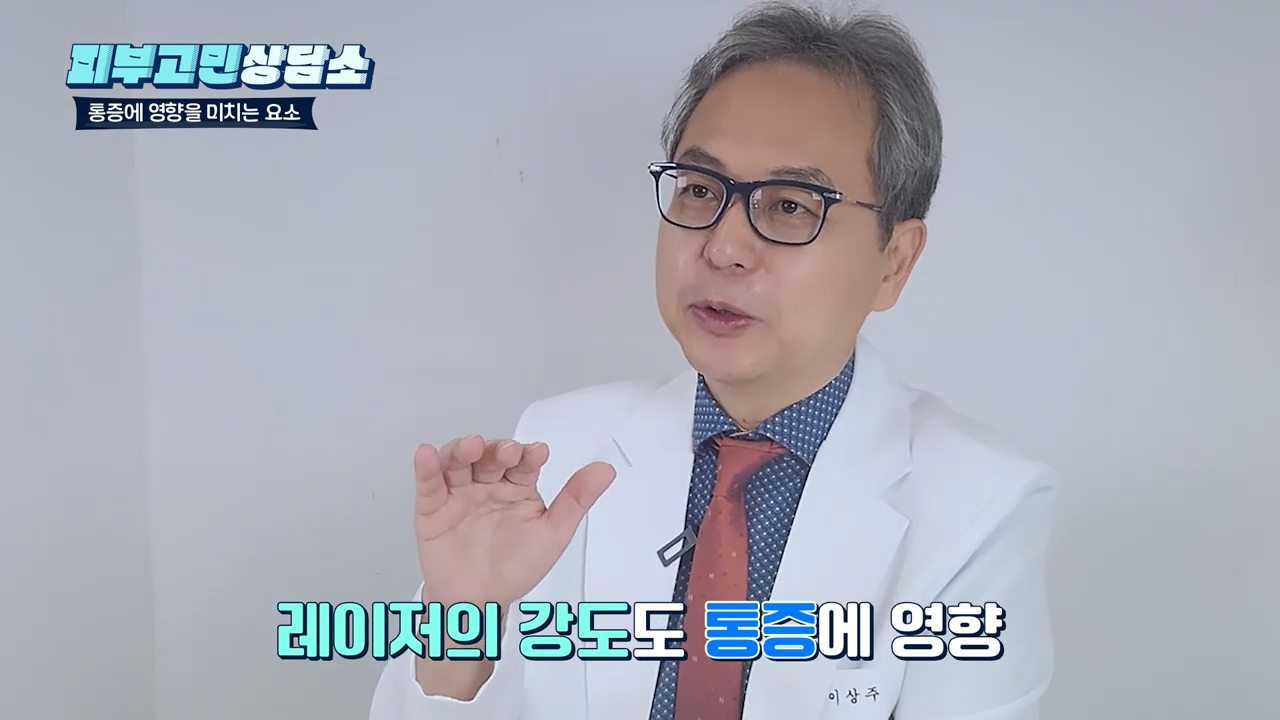
Increasing intensity does not necessarily mean faster removal
Sometimes, people try to remove tattoos quickly by increasing the laser intensity. This can lead to more severe removal pain from the device itself, and in some cases, side effects such as burns, hyperpigmentation, or hypopigmentation may occur, so caution is needed.
Information on device configuration and irradiation methods can be found in R-Zero Pico-Frectat Tattoo Removal Guide, and other wavelength methods in Nd:YAG Tattoo Removal.
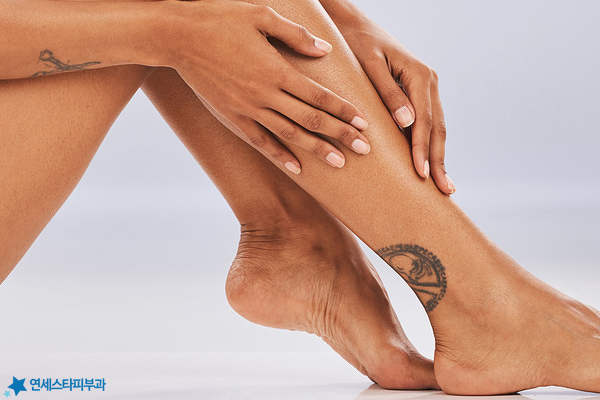
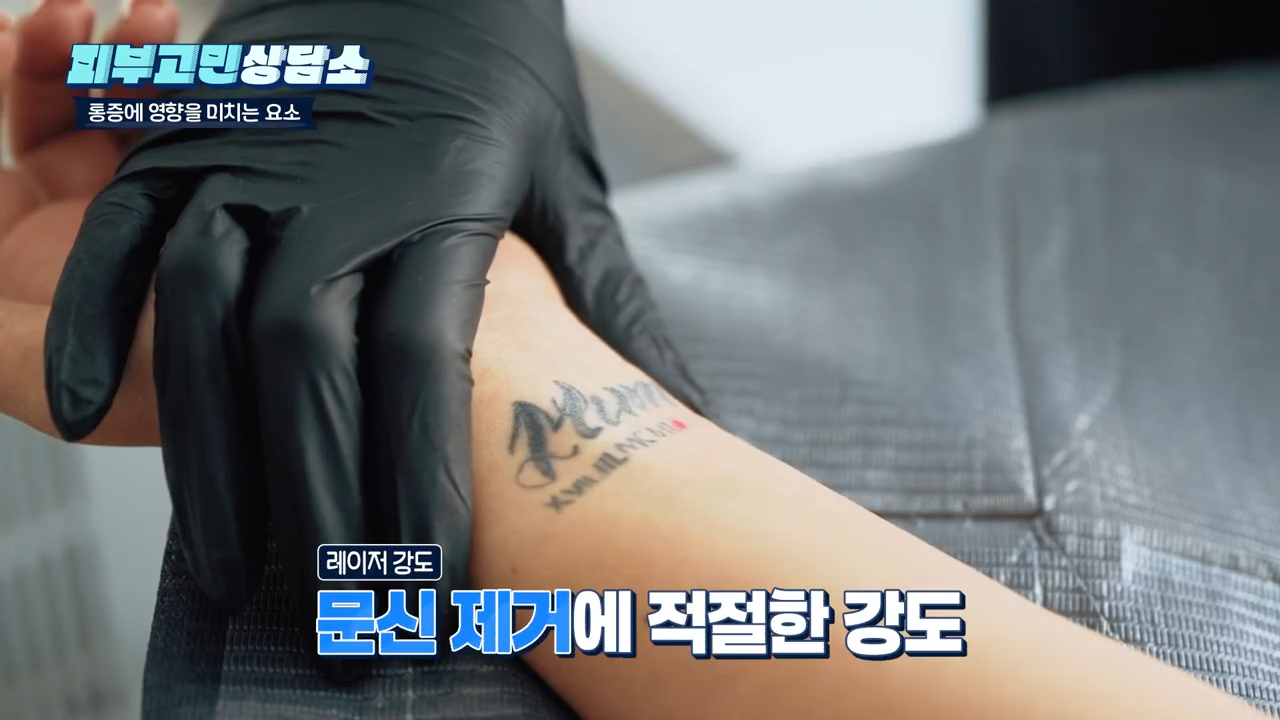
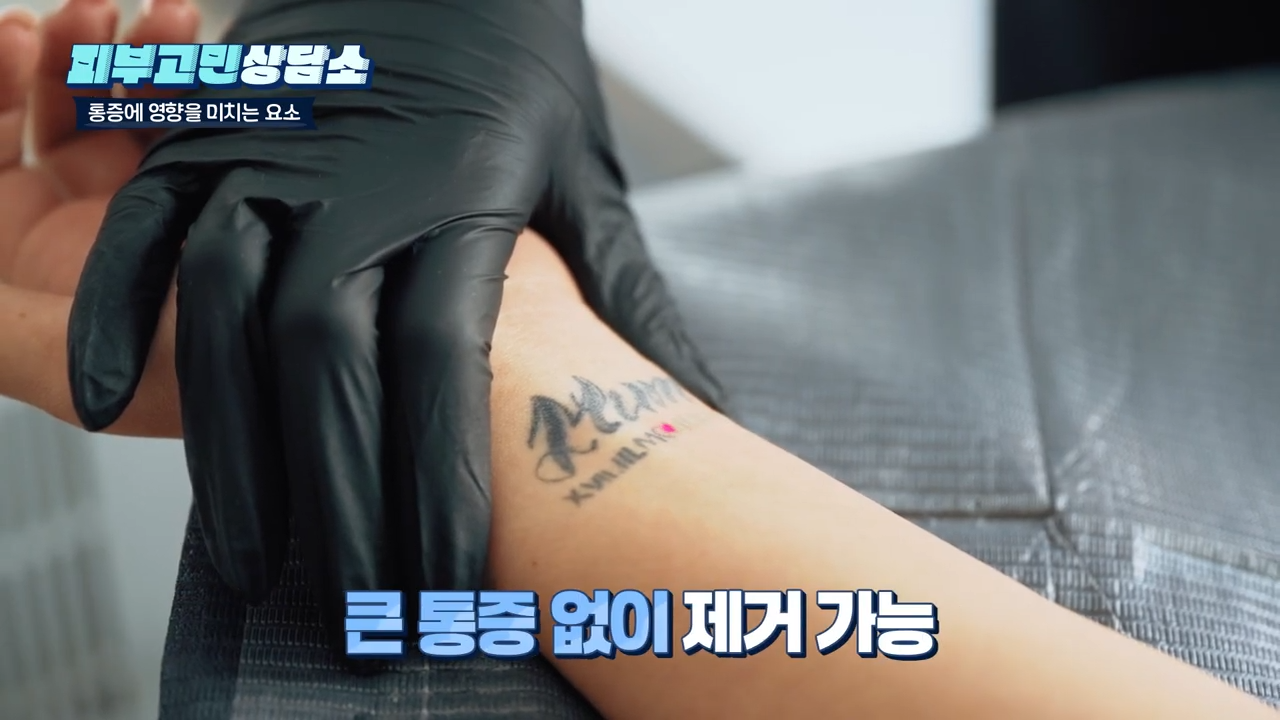
The leeway created by pre-treatment home care
Before proceeding with shoulder tattoo removal, appropriate home care can create a more comfortable treatment environment. It can also be helpful to drink enough water before treatment to improve skin condition and avoid overconsumption of alcohol or lack of sleep the day before.

Different pain control methods at each clinic
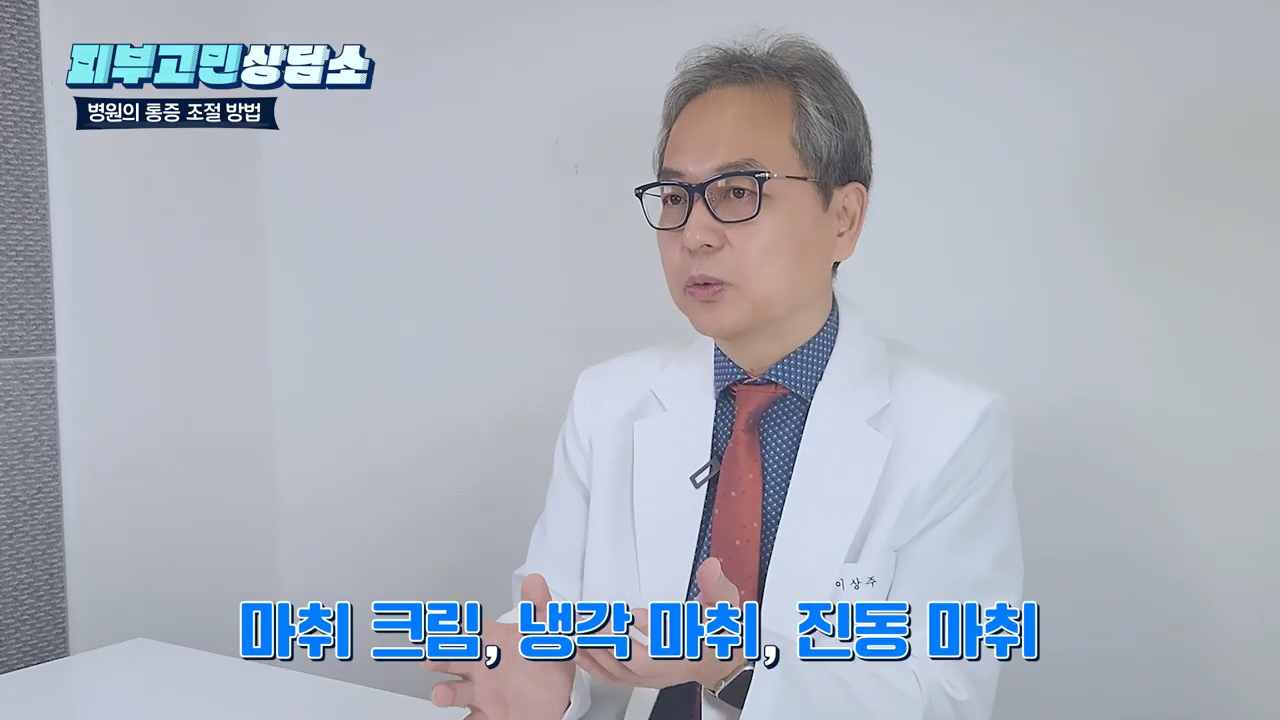
Each clinic helps control pain during treatment using various methods such as topical anesthetic cream, cooling systems, and vibration anesthesia. Since the methods used and the skill of the practitioner vary from dermatology clinic to dermatology clinic, carefully checking these aspects before treatment can greatly reduce concerns about pain.
When considering scar prevention, Pinhole for Burn & Surgical Scar Guide is combined.
You can easily ask any questions via Chat Now.

Authored and Medically Reviewed by Chief Director Lee Sang-joo (Dermatologist) Graduated from Yonsei University College of Medicine · Ph.D. in Medicine from the same graduate school · Resident in Dermatology at Severance Hospital Former Professor of Dermatology at Yeongdong Severance Hospital · Current Adjunct Professor at Yonsei University College of Medicine, Department of Dermatology View Medical Staff Profile
First Published 2025-09-15 · Last Reviewed 2026-07-29
This article contains general medical information and does not substitute for individual diagnosis and treatment. Results and recovery may vary from person to person.