


If you're undergoing tattoo removal and the pigment isn't fading well, or unexpected symptoms appear, it can be difficult to ask the clinic directly, so you might first turn to online communities.
The problem is that people sometimes believe the information they find there, leading them to abandon treatment midway or take incorrect actions. We've addressed some frequently misunderstood points one by one.

The idea that lettering is easier than pictorial tattoos
Generally, lettering tattoos often have darker colors than pictorial tattoos. Darker color means more ink has been used.
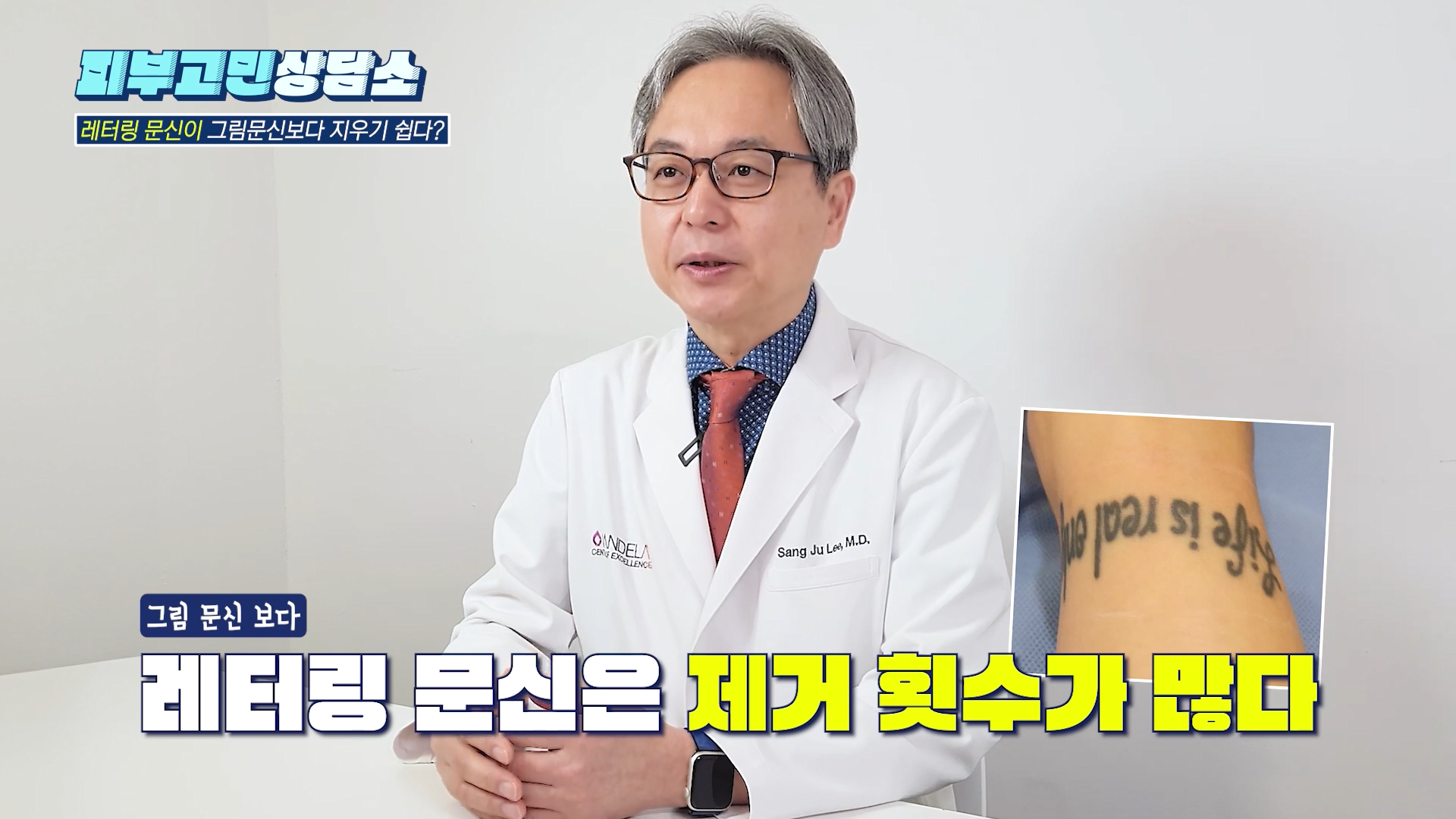
Therefore, you can expect that lettering tattoos may require more treatment sessions to remove than pictorial tattoos.

However, pictorial tattoos are often colored, so black and white tattoos like lettering are slightly easier to remove compared to colored tattoos. When comparing both black or blue tattoos, lettering may take longer and require more sessions.
- Darker color means more ink, which increases the number of treatment sessions.
- Black and white tattoos are generally easier to remove than colored tattoos.
- When comparing black and blue tattoos, lettering may take longer.

The idea that R-Zero's four passes increase scarring
Scarring can sometimes occur after tattoo removal. This happens when excessive energy is applied. So, does the R-Zero Technique, which involves four passes in one area, increase the likelihood of scarring?
No, it does not.
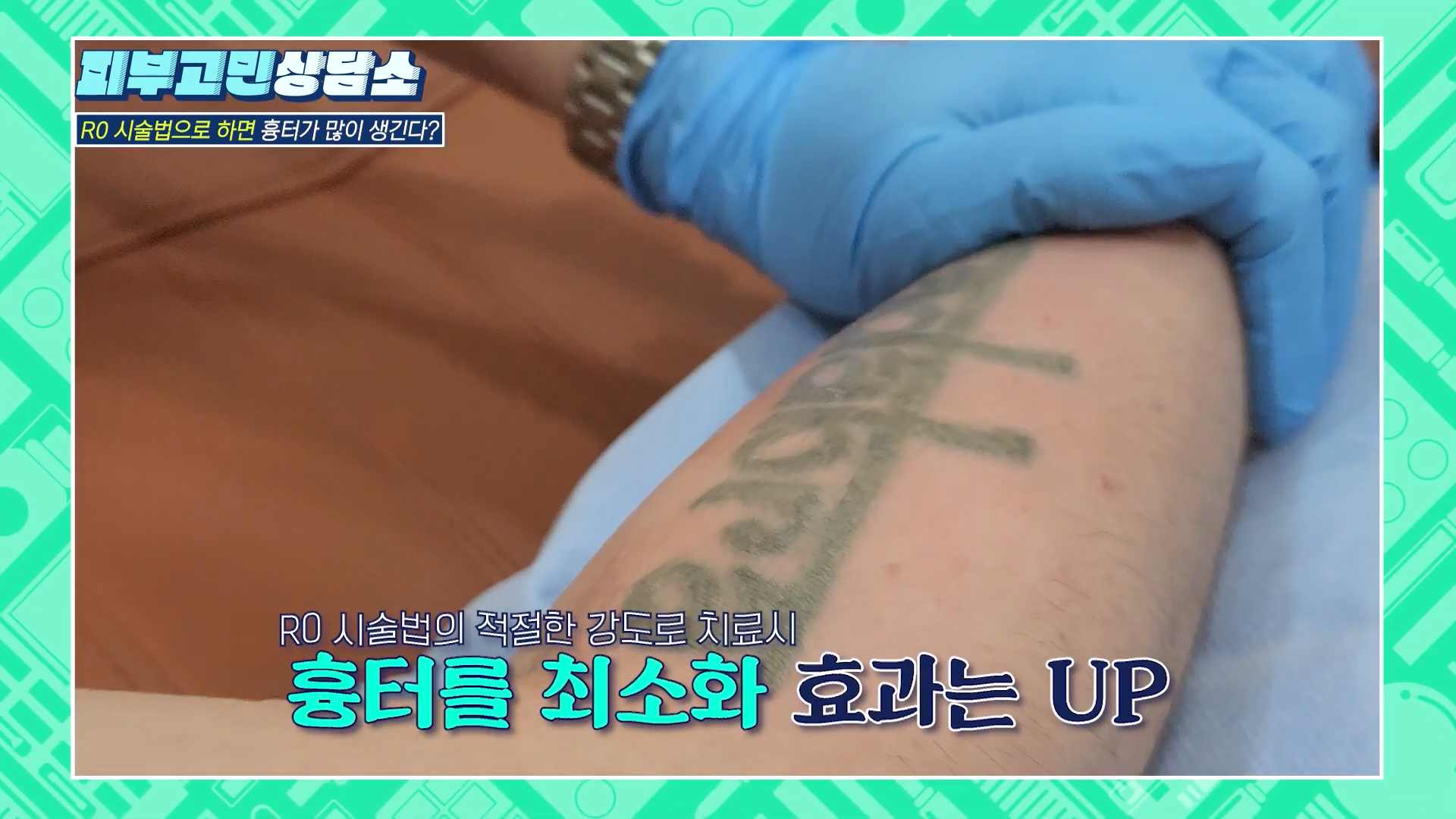
When treated with appropriate energy, scarring is minimized, and this method aims to enhance the effect on top of that. The number of passes itself does not inherently increase scarring.
If scarring occurs, it may be due to excessive laser energy or an individual's predisposition to scarring.
The treatment method is summarized in the R-Zero Pico-Frectat Tattoo Removal guide, and for concerns about scarring, you can refer to the Pinhole for Burn & Surgical Scar guide.


No immediate change means no effect
The effect of laser tattoo removal does not appear immediately after the laser shatters the tattoo. It becomes evident as our body's immune cells transport the tattoo ink away.
Therefore, it is not accurate to conclude that there is no effect if no significant change is visible immediately after the procedure.

If no blisters form, the laser was too weak
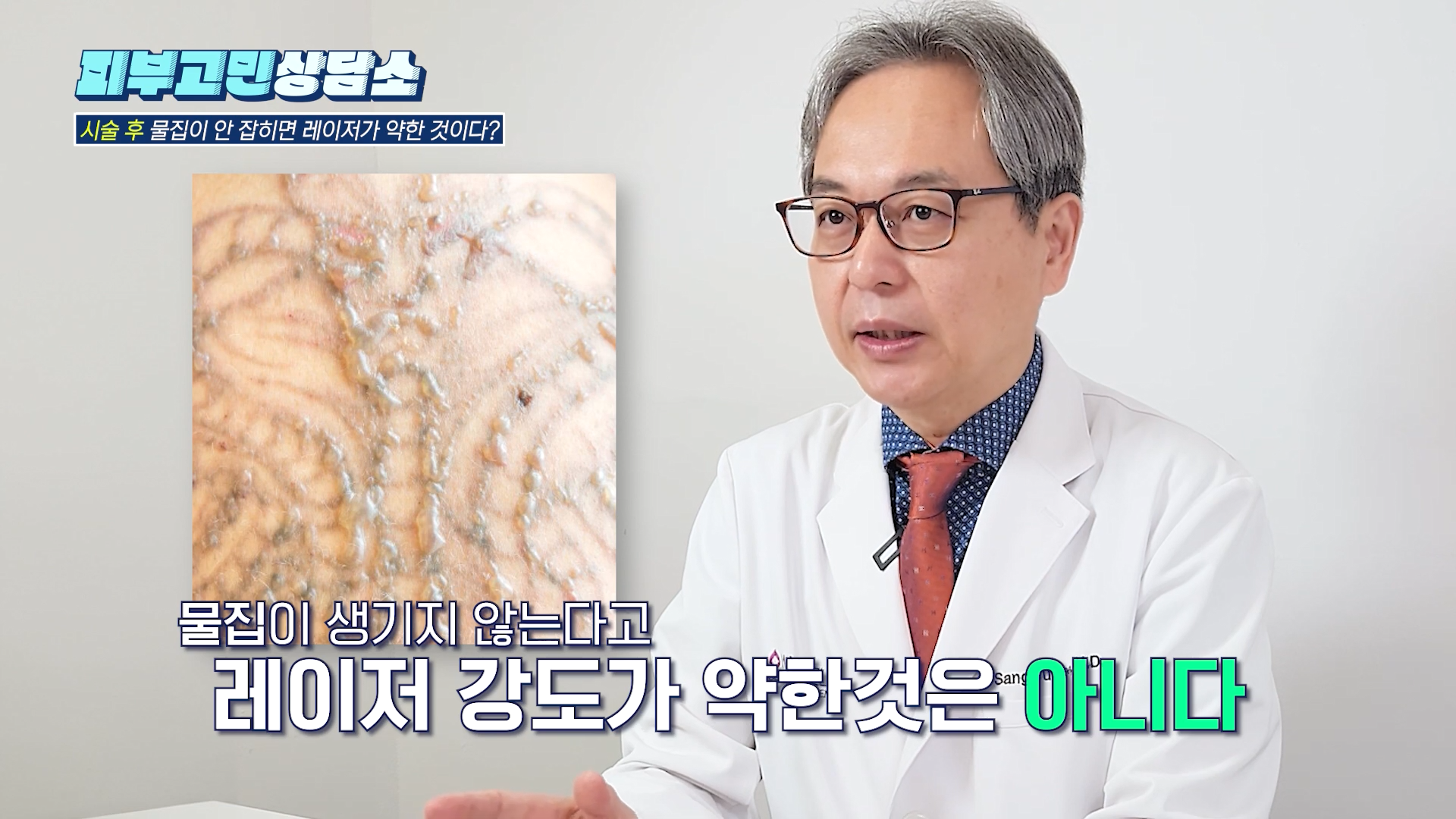
Not forming blisters does not mean the laser intensity was weak. While some individuals may develop larger blisters after removal due to their constitution, the presence of blisters does not determine the laser intensity.
The appropriate interval for the next treatment session is usually about 1-2 months.

You shouldn't remove a tattoo immediately after getting it
This is a common saying in tattoo shops: even if you don't like a tattoo after getting it, you shouldn't remove it right away.
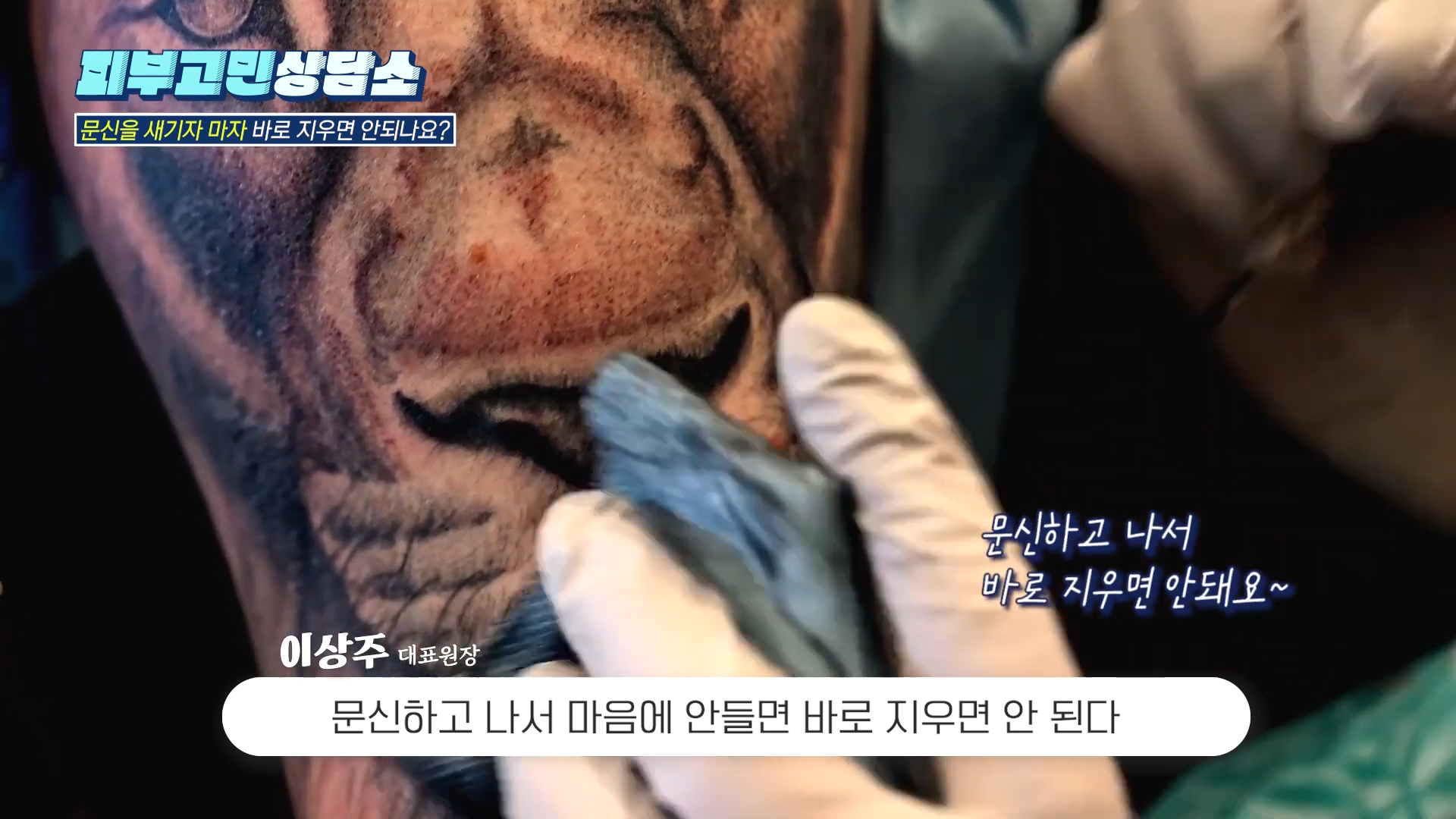
This is also not true.

People often say that skin damage will worsen, but getting laser treatment immediately after tattooing does not make the damage more severe. Tattooing itself already causes skin damage. If you apply a laser to that damaged area, the ink inside may actually be removed more effectively. If you regret a tattoo immediately, removing it right away can reduce the burden and increase effectiveness.

Brown marks remaining after removing black tattoos
After removing black or blue tattoos, the skin may sometimes remain slightly brown. This does not mean that the tattoo pigment has not been fully removed.
After laser tattoo removal, some post-inflammatory hyperpigmentation usually occurs. It is more appropriate to consider it as post-inflammatory hyperpigmentation due to individual constitution rather than remaining tattoo pigment. For treating pigment separately, you can refer to the Pico·Dual·Gold-Diamond Toning guide.
Six points at a glance
| Common Misconception | Reality |
|---|---|
| Lettering is easier than pictorial tattoos | More ink means more treatment sessions |
| R-Zero's four passes increase scarring | Scarring is minimized with appropriate energy |
| No immediate change means no effect | Immune cells transport ink, then effects appear |
| No blisters means the laser was too weak | Blister presence doesn't determine laser intensity |
| Don't remove a tattoo immediately after getting it | Immediate removal helps ink come out better |
| Brown marks mean pigment wasn't fully removed | More likely post-inflammatory hyperpigmentation |
Information easily found in online communities is not always accurate. If you have questions about ongoing treatment, consulting with a dermatologist to diagnose your condition can help with your treatment. You can check the overall treatment flow in the Tattoo Removal Treatment Guide.

Authored and Medically Reviewed by Dr. Kang Jin-moon, Chief Director (Dermatologist) Former Resident in Dermatology at Severance Hospital · Former Professor at Bundang CHA Hospital Currently Adjunct Professor at Yonsei University College of Medicine, Department of Dermatology · Member of the Korean Society for Medical Lasers View Medical Staff Profile
First published 2024-06-22 · Last reviewed 2026-07-29
This article contains general medical information and is not a substitute for individual diagnosis and treatment. Results and recovery may vary by individual.