
![Tanning, a cause of skin aging, how much stress does it put on the skin? | [Yonsei Star Dermatology Sinchon]](/_next/image?url=https%3A%2F%2Fagqdgbuateknhwpocrgu.supabase.co%2Fstorage%2Fv1%2Fobject%2Fpublic%2Fsources%2Fbbf3bebe-45b6-4415-bd04-bda18b2cac0f%2Fblog-images%2F223941746471_00_0fb795f5d364.jpg%3Ftype%3Dw966&w=3840&q=75)
As summer approaches, many people dream of bronzed skin and consider tanning. However, the first question we often hear in the consultation room is, "Does tanning really age the skin?" To answer directly, tanning is an act of changing skin color while also a process of absorbing UV rays deep into the skin, which can be a factor in accelerating aging.
In the past, tanning was enjoyed only during the summer under the sun, but nowadays, more people are using tanning equipment to tan artificially regardless of the season. The core principle is the same for any method: the skin is repeatedly exposed to UV rays.

Why Tanning Accelerates Skin Aging
It is reported that the process of artificially bronzing the skin can accelerate wrinkles, seborrheic keratosis, and hyperpigmentation. Rarely, but in severe cases, the risk of skin cancer is also mentioned, so it is not a problem to be taken lightly.
The mechanism of skin damage is divided according to the wavelength of UV rays. The following summarizes what kind of light penetrates to what depth and causes what changes.

| Category | Penetration Depth | Main Effect |
|---|---|---|
| Ultraviolet A (UVA) | Penetrates to the dermis | Pigmentation, accelerated skin aging |
| Ultraviolet B (UVB) | Primarily to the epidermis | Erythema, sunburn |
UVA reaches the dermis and stimulates pigment, while UVB causes erythema or sunburn, where the skin turns red. Both wavelengths accumulate in the skin during the tanning process, and this accumulated damage becomes the starting point for aging.
Can Skin Color Really Change?
It is difficult to completely change one's natural skin color through artificial methods.
Those with naturally fair skin may hope to change their tone through tanning, but while frequent tanning can maintain the color a little longer, it is not easy to permanently change the original color. Instead, there is a risk of the skin becoming dull overall due to pigmentation, and the texture becoming rough due to damage.
If you are concerned about a dull tone or uneven pigmentation after tanning, we can discuss approaches such as Epidermal Pigment Removal laser treatment or a Customized Whitening Solution tailored to the cause during a consultation.

Can Tanning Oil or Sunscreen Block It?
Sunscreen products block UV rays from reaching the skin, so if applied for tanning, the bronzing effect itself will inevitably decrease. Conversely, what about tanning oil?
The SPF level of tanning oils currently distributed domestically and internationally is approximately 8 to 9. Considering that general sunscreens are usually 30 or higher, the blocking function is significantly lower. While applying oil may relatively reduce the risk of sunburn, it does not significantly help prevent aging because the skin still receives the effects of UV rays themselves.

Here are some important points to remember before and after tanning:
- Remember that tanning oils with low blocking capabilities do not prevent UV damage.
- Avoid overly frequent tanning and allow sufficient intervals between sessions.
- Consistently maintain moisturizing care before and after tanning.
- If your skin feels hot or turns red, consider it a sign of sunburn.
- If you notice changes in tone or texture, do not neglect it; have your skin checked by a dermatologist.
If you are concerned about changes in your skin after tanning, you can comfortably inquire about related content via chat consultation.
Is a Tanning Machine Safer Than Sunlight?
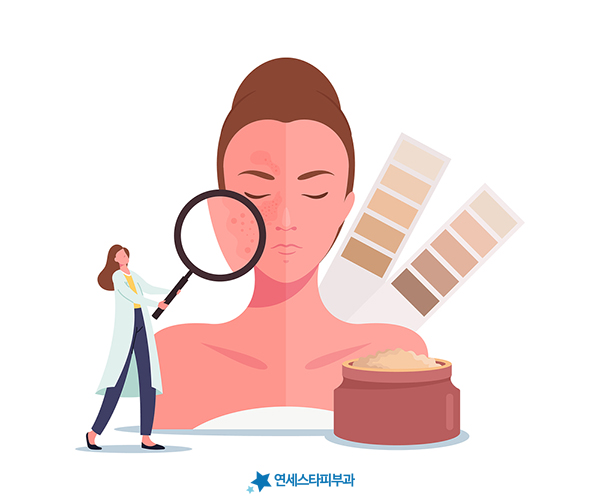
Tanning machines also use UV rays to bronze the skin. It's easy to feel safe because it's not sunlight, but since the principle of using UV rays is the same, it is not free from the risks of aging and skin cancer. This is why many dermatologists, both domestically and internationally, do not recommend tanning itself for skin health.

Furthermore, the skin may not tan uniformly and can become patchy. This is because it is difficult to perfectly replicate the natural changes caused by sunlight through artificial methods. After tanning, the skin tends to become dry, and if moisturizing care is insufficient at this time, an uneven tone and rough texture can become more prominent.
If a reddened tone persists and does not easily subside, we recommend also reviewing facial redness symptoms.

If You Still Must Tan
If you must tan due to unavoidable circumstances, the most important thing is moisturizing care. Sufficient skin hydration can help reduce damage to some extent.
If your skin feels hot or turns red, it is considered to have already progressed to the sunburn stage, creating an environment conducive to accelerated aging. In such cases, seeking appropriate care from a dermatologist early on is the way to reduce damage and aid recovery.

Things to Remember Before Deciding
While tanning may appear to give you healthy, elastic skin on the surface, aging can accelerate beneath the surface without you knowing. Therefore, it is advisable to consider it thoroughly before deciding whether to proceed.
If you must tan, avoid overly frequent sessions to minimize damage, and carefully observe any changes in your skin condition to continue appropriate care. If you notice changes, rather than judging on your own, you can also get your condition checked through a chat consultation about skin changes after tanning.

Chief Director Lee Sang-joo (MD, PhD, Yonsei University College of Medicine and Graduate School, Completed Dermatology Residency at Severance Hospital, President of the Korean Dermatological Association) Chief Director Lee Sang-joo's Profile First published 2025-07-21 / Last reviewed 2026-06-16
Even with the same tanning, skin reactions can vary from person to person, so we recommend confirming an accurate assessment of your condition and management direction through a medical consultation.