
![Suture Scar Management: Scar Prevention, Laser Treatment Efficacy | [Yonsei Star Dermatology Sinchon]](/_next/image?url=https%3A%2F%2Fagqdgbuateknhwpocrgu.supabase.co%2Fstorage%2Fv1%2Fobject%2Fpublic%2Fsources%2Fbbf3bebe-45b6-4415-bd04-bda18b2cac0f%2Fblog-images%2F224089015833_00_ca0851695cf1.jpg%3Ftype%3Dw966&w=3840&q=75)
After surgery, a suture site is a wound where the skin has been incised and re-stitched. If collagen regeneration and fibrosis occur excessively during the healing process, a scar is likely to remain. Many people's initial question is simple: "Will this mark disappear if I leave it alone?" To answer directly, depending on how the suture site is managed, it can either remain as a faint line or harden into a prominent scar.
Especially if the wound is under tension, exposed to UV light, or lacks moisture and hydration, the scar becomes more distinct. It may not just be a simple red mark but can also appear as a raised form like hypertrophic scars or keloids, or be accompanied by pigmentation, requiring attention from the outset.
For Suture Sites, the First Two to Three Months Determine the Scar's Appearance
Management during the wound healing phase after suture surgery dictates the future form of the scar. In the clinic, we observe that even with the same area and method of suturing, the outcome can vary significantly based on early management habits. The first 2-3 months, in particular, are a crucial period for scar formation.
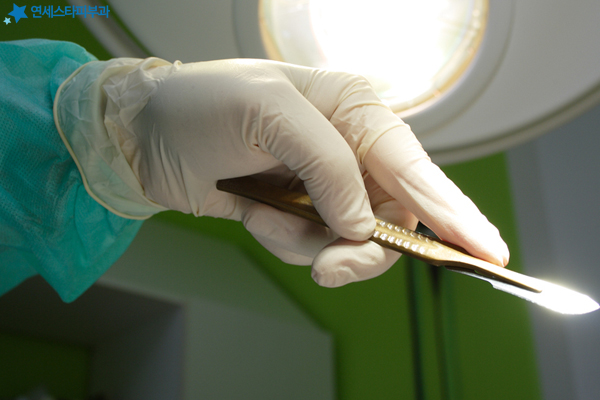
Basic management during this period is summarized as follows:
- Cleanliness and Disinfection: Clean with saline solution or clean water, and it's best to avoid strong irritants like alcohol or iodine.
- Maintaining a Moist Environment: Using bandages, hydrocolloid moist dressings, silicone sheets, or gels to keep the wound from drying out can help reduce scar formation.
- UV Protection: Exposure to UV light while new skin is forming increases the risk of discoloration or pigmentation, so protection is important.
- Reducing Tension: Be mindful of movement and posture to prevent excessive tension on the wound area.
Early management is most significant not for treating scars, but for preventing them from becoming thick and prominent.
Even after the initial recovery from surgery, it's important not to neglect ongoing care.
If Home Care Alone Feels Insufficient
Even with diligent care, there may be limitations to scar improvement with home care alone. If hypertrophic scars, keloids, unevenness, or pigmentation have already set in, it's advisable to consider medical treatment.
If you observe these changes, we recommend seeking a consultation:
- When the mark does not fade over time and instead becomes more prominent.
- When the wound area is noticeably raised and harder than the surrounding skin.
- When redness persists for a long time.
- When depressions or unevenness remain on the skin surface.
If you are concerned about scars at the suture site, you can check your current condition by contacting us for a suture scar management consultation.
How Laser Treatment Addresses Scar Tissue
Laser treatment helps to realign excessively accumulated collagen within scar tissue and gently smooth the skin surface, flattening the scar's height.
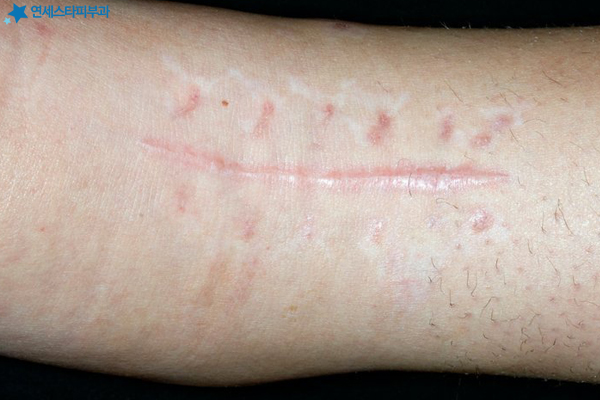
It's important to note that the approach varies depending on the nature of the scar. Surgical scars and cosmetic surgery scars differ in shape and color, so a single method cannot address all of them.
| Scar Characteristic | Primarily Considered Laser |
|---|---|
| Scars with erythema or redness | Vascular laser |
| Scars with unevenness or depressions | Fractional CO₂ laser |
| Scars with remaining pigment | Pigment laser |
Typically, treatment is possible after the wound has stabilized, usually about 3 weeks or more post-surgery, often involving 5-6 sessions at 2-4 week intervals. Depending on the depth or area of the scar, Surgical Scar Revision may also be considered, and procedures like Rejuran may be combined to aid skin regeneration. However, individual results may vary.
It's Not Too Late Even After the Scar Has Settled
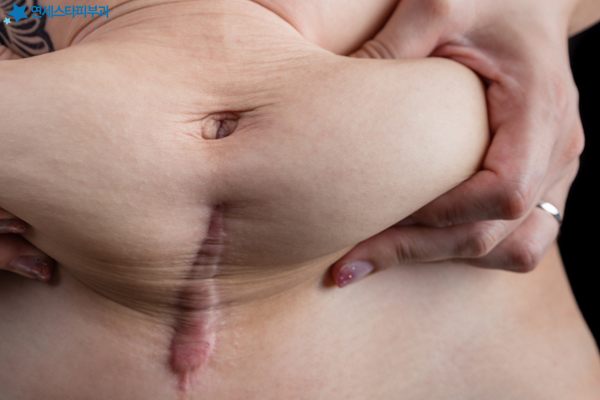
Scars remaining after suture surgery, if left untreated, are highly likely to persist as pigmentation, unevenness, or raised areas. Therefore, systematic management from the early stages is best, but even if a scar has already settled, gradual recovery can be promoted through combined laser treatment.
Key management points are as follows:
- The earlier the management, the better, as scars tend to harden if neglected.
- Maintain a moist environment and UV protection consistently throughout recovery.
- For established scars, consider laser treatment appropriate for the scar's characteristics.
- A gradual improvement over several sessions is more realistic than trying to resolve it all at once.
An attitude of patience and persistence is a great strength in the recovery process. If you are curious about the current stage of your scar, we recommend checking through a scar laser treatment consultation.

Dr. Sang-Joo Lee, Chief Director (MD, PhD, Yonsei University College of Medicine and Graduate School; Completed Dermatology Residency at Severance Hospital; President of the Korean Dermatological Association) Dr. Sang-Joo Lee's Profile First Published 2025-11-26 / Last Reviewed 2026-06-16 Scar shape and recovery speed can vary individually, and we recommend consulting with medical staff for an accurate diagnosis and treatment plan.