
![Surgical Scar Treatment: Cost, Timing, Laser Effectiveness [Yonsei Star Dermatology Sinchon]](/_next/image?url=https%3A%2F%2Fagqdgbuateknhwpocrgu.supabase.co%2Fstorage%2Fv1%2Fobject%2Fpublic%2Fsources%2Fbbf3bebe-45b6-4415-bd04-bda18b2cac0f%2Fblog-images%2F223934664773_00_0aa9a1bcddfb.jpg%3Ftype%3Dw966&w=3840&q=75)
Surgical scars are marks left after an incision and suturing, and their healing process differs fundamentally from simple skin wounds. Many people first ask, "Can surgical scars be lightened with lasers?" To answer directly, if treatment tailored to the scar's depth and shape is started at the appropriate time, improvement to a less noticeable level is reported. However, it's more accurate to set a realistic goal of refining them so they are not bothersome in daily life, rather than aiming for complete removal.
From health-critical surgeries like thyroidectomy and C-sections to cosmetic plastic surgeries, the purpose of each surgery varies, but the resulting scars often become another concern. Especially in sutured areas, marks tend to be deeper and wider than general wounds, making surgical scar treatment not just a simple concept of "erasing scars," but rather a customized approach based on depth and condition.
Why is Surgical Scar Treatment Difficult?
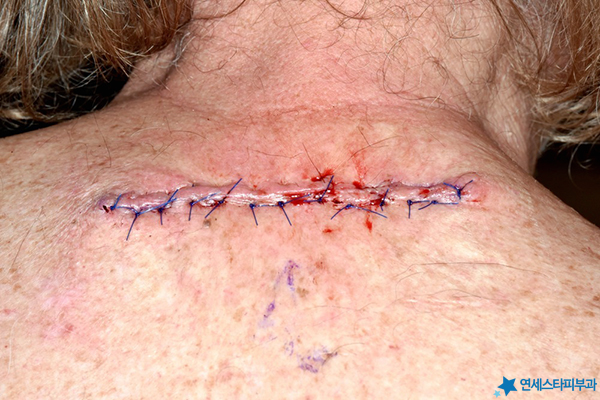
The difficulty of scar treatment largely depends on the depth and extent of the wound. While common skin wounds remain in the epidermis and superficial dermis, surgical scars often reach the muscle layer.
In severe cases, scars can be more than 2-3 cm deep, meaning the skin layer that the laser needs to reach is correspondingly deeper. Furthermore, in areas with a lot of movement, such as joints, scars can widen or progress into hypertrophic scars or keloids during the healing process, making treatment even more challenging. This is why the outcome of the same surgery can differ from person to person, and it's important to first understand that individual differences may exist.
Surgical Scars Vary in Appearance Depending on Their Type
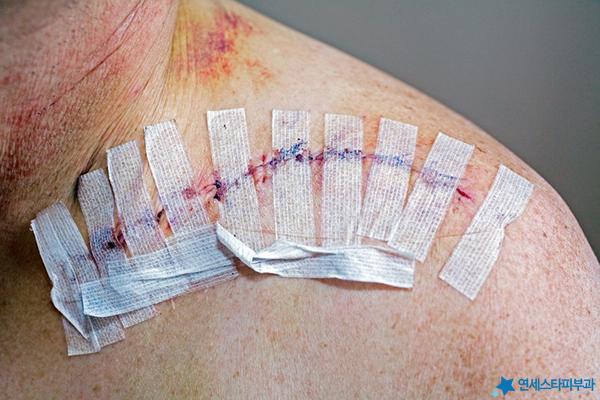
The approach to surgical scars varies depending on their shape and condition. The representative types are summarized as follows:
| Type | Characteristics |
|---|---|
| Linear Scar | Straight and long, following the incision line, often white or red and noticeable |
| Depressed Scar | Skin sinks inward due to adhesion at the suture site |
| Hypertrophic Scar, Keloid | Surgical area is red and swollen, sometimes expanding in size |
| Pigmented Scar | Brown or dark discoloration |
Scars are not just simple marks but the result of the skin's self-healing response. Therefore, their appearance varies widely depending on body type, skin type, and wound healing speed. If a red, swollen appearance is prominent, it may be helpful to first review the characteristics of keloid scar progression.
When is the Best Time to Start Treatment?
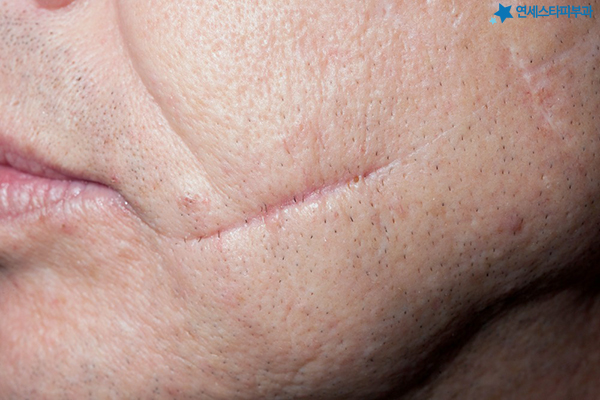
The commonly mentioned timing for scar treatment is the PreScar stage, before the wound has fully healed. It is reported that starting management immediately after suture removal, approximately 1-2 weeks post-surgery, when early red scars begin to appear, leads to a more stable outcome.
During this period, vascular lasers like Vbeam Prima are often used to suppress excessive vascular proliferation and halt scar progression.
In the clinic, we often see patients who missed the optimal timing, thinking they had to wait until the scar was fully healed. It's good to remember that the earlier the stage, the wider the range of treatment options available.
If you are curious about the timing of surgical scar treatment, you can also check the information on stage-by-stage changes in surgical scars and ask detailed questions via chat consultation regarding surgical scar treatment timing.
Surgical Scar Treatment Approaches by Type
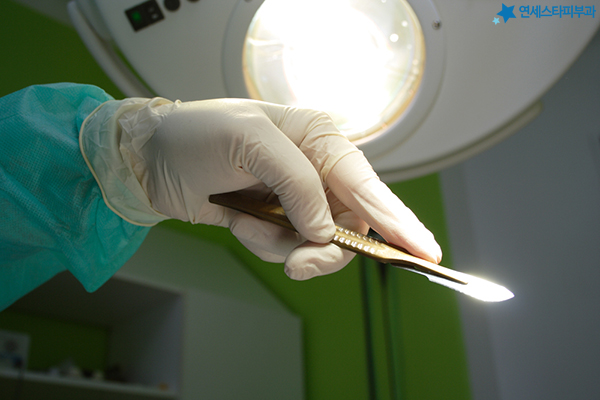
Each type of scar requires a different treatment method. This is why a customized approach is emphasized. In addition to laser treatment, various other methods are applied:
- Depressed Scars: Subcision approach to cut the fibrous tissue beneath the adhered scar and lift the skin upwards
- Surface Irregularities: After subcision, laser treatment to smooth the skin surface
- Red Scars: Vascular laser to alleviate redness and vascular proliferation
- Pigmented Scars: Laser application targeting discolored pigment
Subcision helps improve indented shapes and is often chosen for depressed scars. The process then continues with laser treatment to refine the surface. It's easier to understand by comparing it with the principles of depressed acne scar treatment and its approach.
What Determines Treatment Cost?
The cost of surgical scar treatment varies greatly depending on the size, depth, equipment, and method used. In the early stages, changes can be expected with relatively simple treatments, but if the scar has already settled or is raised, a long-term treatment plan may be necessary.
Therefore, the cost changes in conjunction with the treatment period, and surgical scars with deep damage often require considerable time. Specific costs can only be estimated after directly examining the scar's condition, so a diagnosis must precede it.

Scar Management: Daily Care Tips
Combining treatment with daily care can help maintain a stable outcome. Please check the following items:
- Consistently apply UV protection to newly formed scar areas
- Avoid forcibly removing scabs or scratching the scar to prevent irritation
- Reduce movements that pull on the suture area or excessive exercise during the early recovery period
- Seek medical attention promptly if redness or swelling worsens
- Consult with medical staff rather than arbitrarily using ointments based on self-diagnosis
While these management practices do not guarantee the same outcome for all scars, they are meaningful in refining the healing environment.
What Criteria Should You Consider When Choosing a Clinic?
Surgical scars are deep, varied in shape, and difficult to predict in their course. Therefore, it is advisable to look for a place that can integrate various treatment methods according to the situation, rather than relying on just one approach.
When the depth, color, and shape of the scar are meticulously diagnosed, combined with lasers that can reach deep into the skin, and the experience of medical staff who have handled them, you can expect a less noticeable scar. Since healing differs from person to person even with the same scar, a thorough consultation process is necessary, assuming that individual differences in results may exist.

As the depth and shape of sutured surgical scars vary, if you feel uncertain about which approach is right for your scar, we recommend getting an assessment rather than worrying alone.
💬 Chat for consultation nowRepresentative Director Lee Sang-joo (MD, PhD, Yonsei University College of Medicine and Graduate School; Completed Dermatology Residency at Severance Hospital; President of the Korean Dermatological Association) Representative Director Lee Sang-joo's Profile First published 2025-07-15 / Last reviewed 2026-06-16
This article contains general information, and since scar conditions and healing patterns vary from person to person, please ensure you consult with medical staff for an accurate diagnosis and treatment plan.