
![Surgical Scar Laser Treatment: Timing, Efficacy, and Type-Specific Methods | [Yonsei Star Dermatology Sinchon]](/_next/image?url=https%3A%2F%2Fagqdgbuateknhwpocrgu.supabase.co%2Fstorage%2Fv1%2Fobject%2Fpublic%2Fsources%2Fbbf3bebe-45b6-4415-bd04-bda18b2cac0f%2Fblog-images%2F223185159308_00_a26886fbe8eb.jpg%3Ftype%3Dw966&w=3840&q=75)
Scars left after surgery may fade over time, but deep and long incision scars do not disappear on their own. The most common question we hear in the consultation room is, "When should I start scar treatment?" To put it simply, early management of surgical scars immediately after they form greatly influences their subsequent appearance.
When is the Golden Time for Scar Treatment?
As with most scars, surgical scars can achieve better results if treatment begins early. The PreScar stage, before the scar fully settles, is considered the golden time for treatment. It is known that starting preventive treatment during this period can reduce the prominence of the scar.
Once a scar hardens, it is difficult to reverse. Therefore, initial management immediately after suturing is paramount.
Scar laser treatment can be received starting about 1 to 2 weeks after surgery and stitch removal. For early, reddish scars, Vbeam Prima Laser is used to suppress vascular proliferation and alleviate redness. Since scar conditions vary from person to person, it is advisable to consult with a dermatologist to assess the condition and establish a treatment plan.
Why is Surgical Scar Treatment More Challenging?
The difficulty of treatment varies with the depth of the scar. While most general scars do not exceed 1 cm in depth, surgical scars often involve deep incisions, frequently exceeding 2-3 cm.
Deper scars require more time for improvement and longer treatment periods. Additionally, because they are typically thin and long, the laser is selected and adjusted to individual skin conditions and scar patterns to minimize the visibility of the edges.

Approaches Differ by Scar Type
Surgical scars do not appear in a single form. Depending on an individual's constitution and the sutured area, they may swell red or, conversely, become depressed. Choosing the appropriate treatment for the type is key.
| Scar Type | Main Characteristics | Treatment Direction |
|---|---|---|
| Red Early Scar | Appears red due to vascular proliferation | Alleviate redness with Vbeam Prima |
| Keloid·Hypertrophic | Swells due to excessive collagen | Triamcinolone Scar Injection + Vbeam Prima combination |
| Depressed Scar | Indented or uneven due to adhesion | Subcision + Laser for height equalization |
Depending on one's constitution, excessive collagen production in a surgical scar can lead to a keloid, appearing as a red, swollen area. In such hypertrophic cases, Triamcinolone Scar Injection is used to dissolve accumulated collagen and reduce the swollen scar. Vbeam Prima is also combined to help improve redness.
How to Treat Depressed Scars
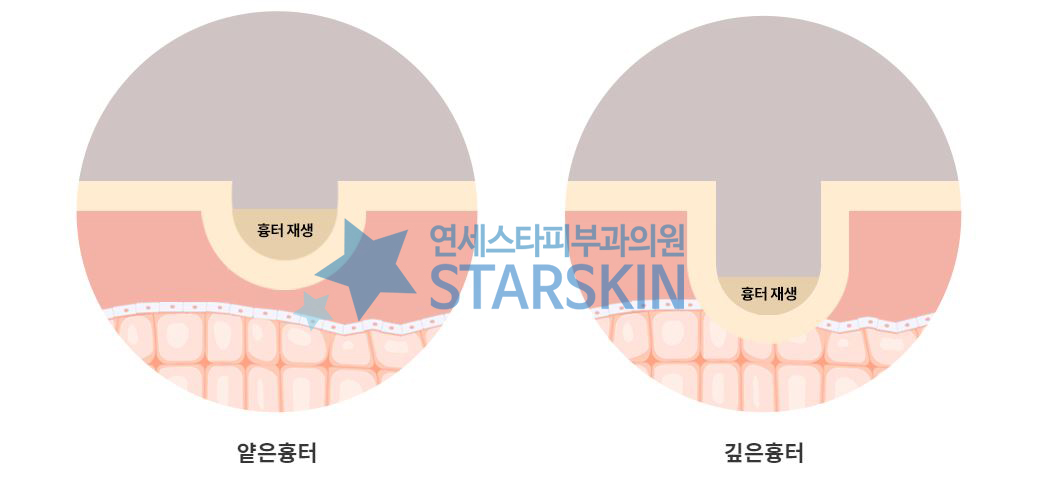
Sometimes, the skin at the sutured area adheres, leaving an uneven surface, or conversely, a depressed scar. Depressed scars are treated by smoothing the skin layers to make them flat. Subcision is often utilized for this.
Subcision involves severing the fibrous bands that pull the skin downwards, helping the indented area to naturally fill in. Afterward, scar laser treatment is combined to uniformly adjust the uneven height.
If you have any questions, you can easily ask them via chat consultation about surgical scar treatment methods.
What's the Difference Between Scar Surgery and Laser Treatment?
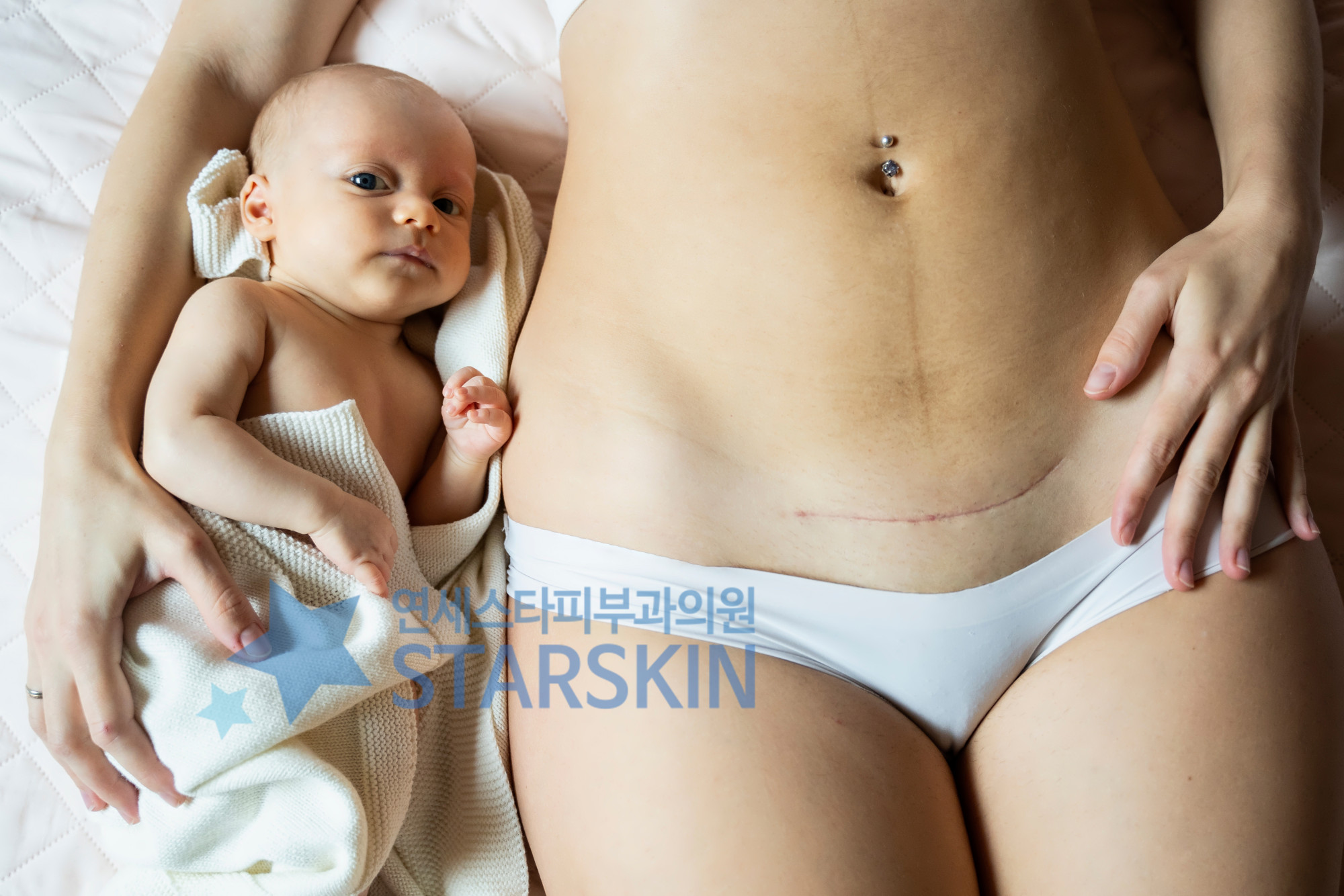
Methods for treating scars are broadly divided into surgical removal of the scar and non-surgical laser treatment. Each has its pros and cons, and the choice depends on the scar's characteristics.
- Scar surgery can reduce scar size, but the sutured area may reopen due to skin tension.
- If you are prone to scarring, there is a possibility that the scar may become larger after surgery.
- In areas where the skin does not stretch well, skin grafting may be necessary.
- Laser treatment is non-surgical, generally less burdensome, and reported to have fewer side effects.
- However, it requires regular visits and long-term treatment, which should be considered.
It is difficult to uniformly say which method is better. The appropriate method varies depending on the individual's constitution and scar range, so a judgment through consultation is necessary.

Things to Remember Before Scar Treatment
It is virtually impossible to restore a scar to its original state once it has formed. However, treatment aims to correct it to be as inconspicuous as possible. It is good to keep the following in mind before treatment:
- Scar treatment often proceeds in stages rather than being completed in one go.
- Even with the same surgical scar, individual results may vary depending on one's constitution.
- Starting treatment during the early, reddish scar stage is generally more advantageous for management.
- A treatment plan tailored to the scar's form, rather than self-diagnosis, is important.
Yonsei Star Dermatology Sinchon is a specialized hospital for scar laser treatment, offering 1:1 customized care based on over 20 years of experience and accumulated know-how. At the Sinchon branch, you can receive consultation and treatment from 5 dermatologists.
If you are new to scar treatment and feel overwhelmed, we recommend first checking the appropriate direction for your current condition through chat consultation for scar treatment.

Chief Director Lee Sang-ju (MD, PhD, Yonsei University College of Medicine and Graduate School, Completed Dermatology Residency at Severance Hospital, President of the Korean Society for Dermatology) Chief Director Lee Sang-ju's Profile First published 2023-08-16 / Last reviewed 2026-06-16
This article is for general information purposes only, and scar conditions and treatment results may vary individually. Please consult with medical staff for an accurate diagnosis and treatment plan.