

Many people are concerned about the depressed marks left after acne, which they see every time they look in the mirror. The first question that comes to mind is likely, "Can this depressed scar be filled with laser treatment alone?" For deeply entrenched scars, treatment that only resurfaces the skin has limitations, and it's often necessary to address the tissue pulling from within the skin.

Why Do Depressed Acne Scars Occur?
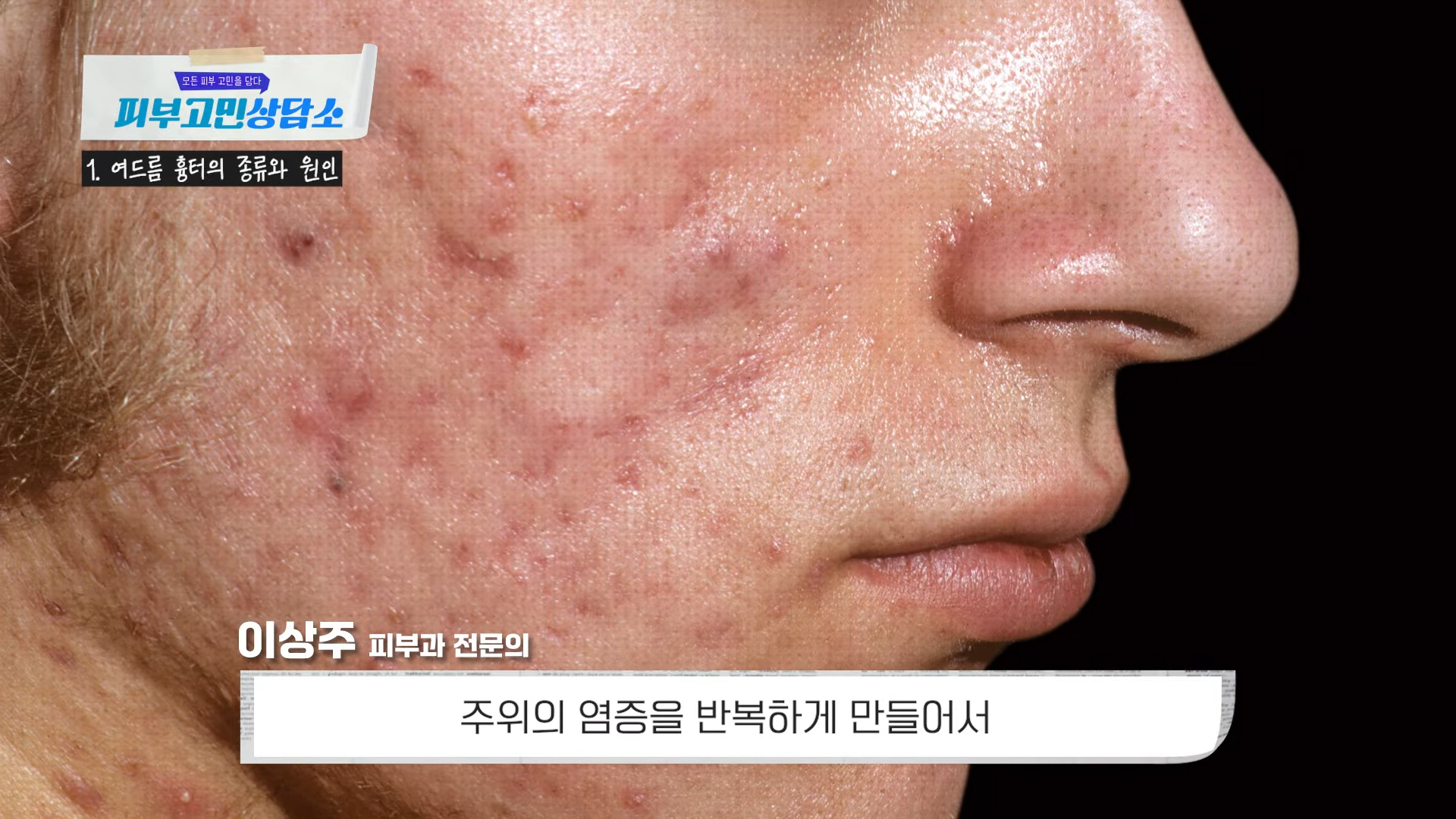
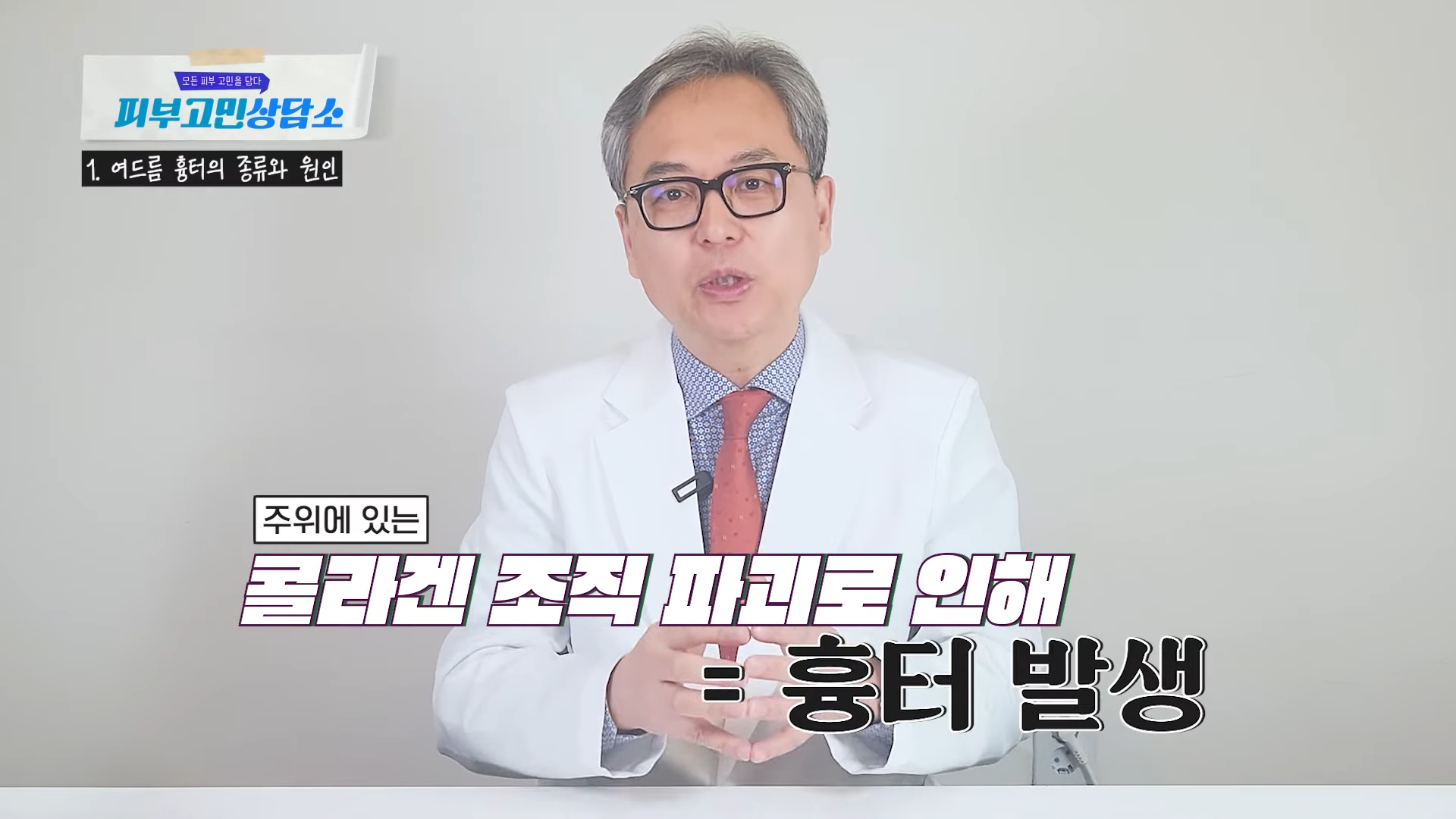
When an area affected by acne is damaged in the dermal layer by irritation such as squeezing with hands, or if inflammatory acne is not controlled and repeatedly causes inflammation in the surrounding area, collagen tissue can be destroyed, leading to depressed scars. The more severe the inflammation, the larger the scar may be, so it is advisable not to neglect it and to receive timely treatment.
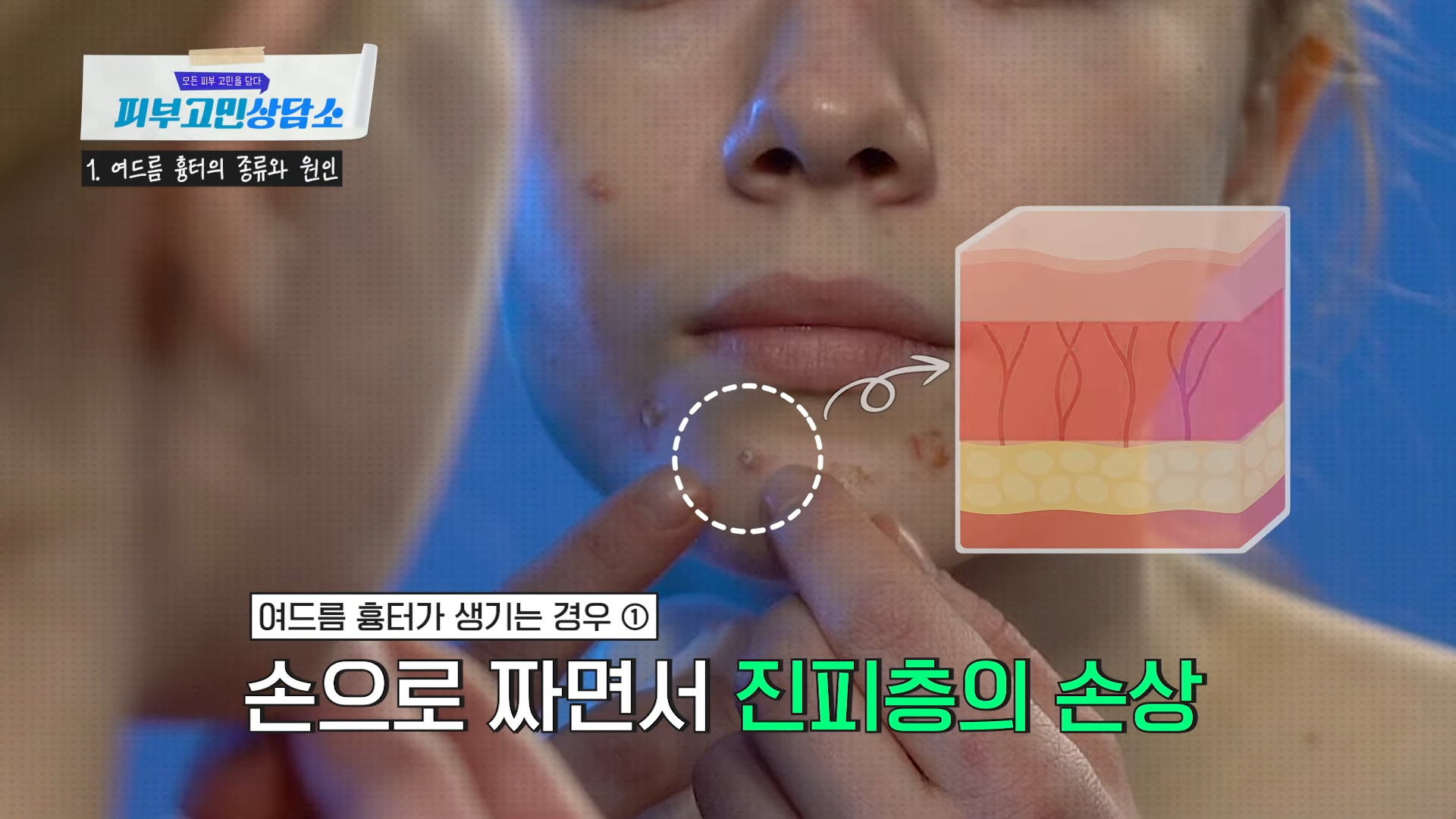

In the clinic, it is much more common to see various forms of scars mixed on one face rather than just one type. Therefore, distinguishing the depth and shape of the scar is the starting point for treatment.
Three Shapes of Depressed Scars
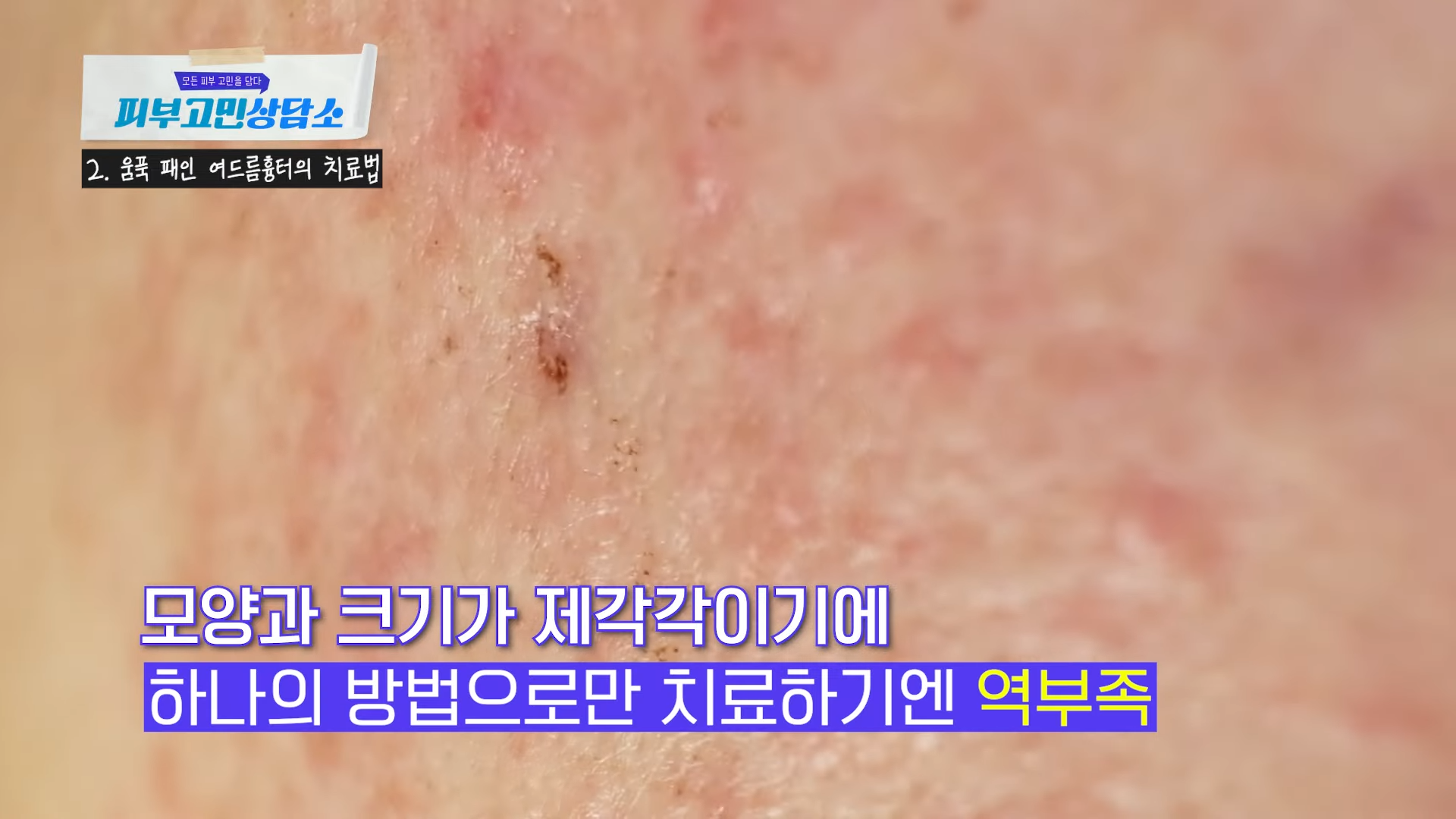
Depressed scars caused by acne can largely be divided into three types based on their shape. However, it is common for them to appear as a complex mix rather than just one form, and they generally share the characteristic of being difficult to heal naturally. Therefore, it is advisable to address them relatively early before they become entrenched.
| Scar Type | English Name | Shape Characteristics |
|---|---|---|
| Ice pick | Ice pick | Narrow and deeply pitted shape |
| Rolling | Rolling | Wide and gently undulating shape |
| Boxcar | Boxcar | Distinct boundaries and angular shape |
The Ice pick, Rolling, and Boxcar types in the table above differ in depth and boundaries, so instead of applying the same treatment uniformly, the approach is tailored to the shape. If you are curious about the types of depressed acne scars, referring to Causes and Treatment Directions for Depressed Acne Scars may help you understand.


When Laser Treatment Alone Is Not Enough
Generally, fractional laser methods are used to treat depressed scars. Since the laser induces collagen regeneration within the skin, the depressed symptoms may be alleviated as the skin fills in from within.
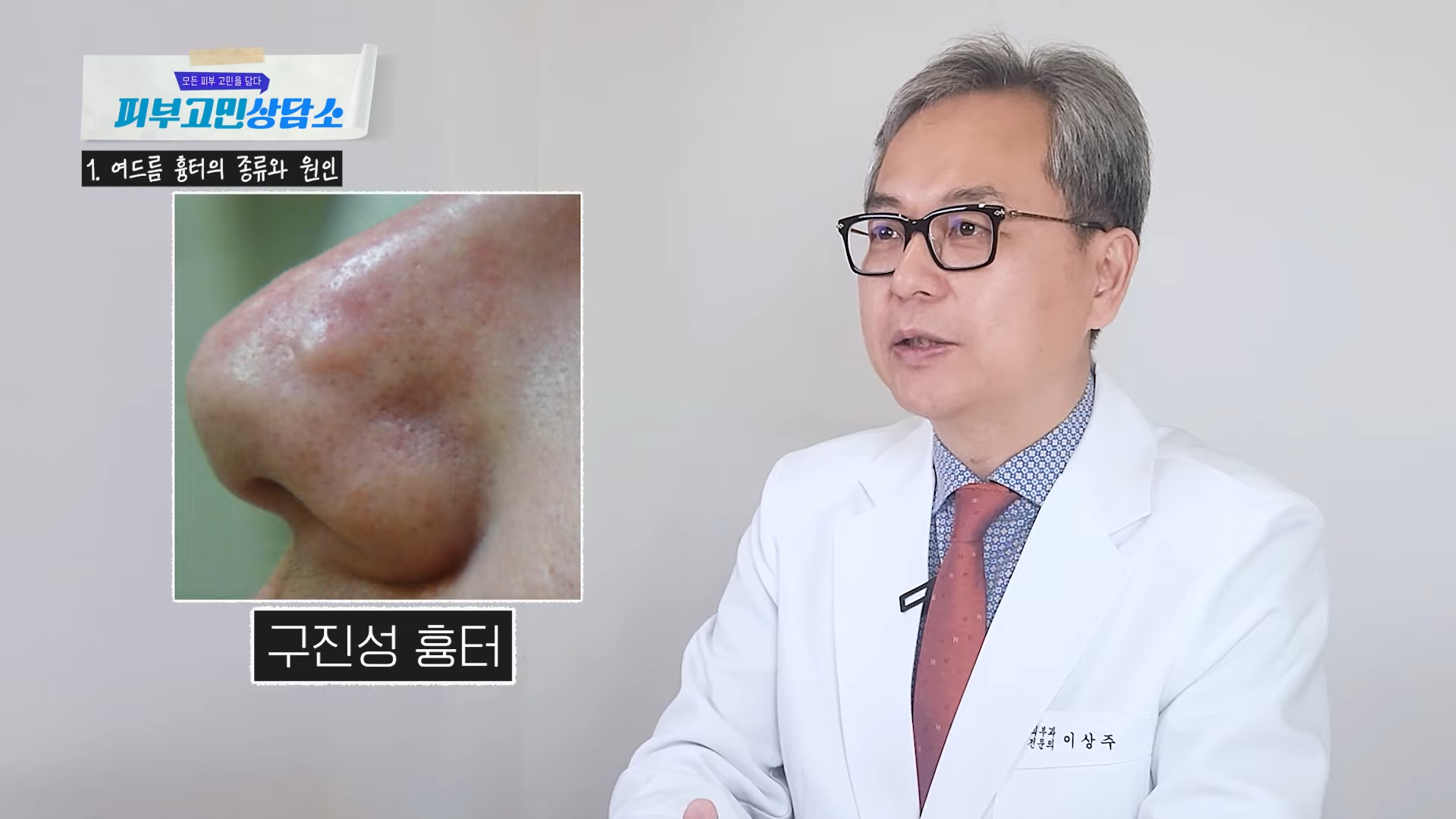

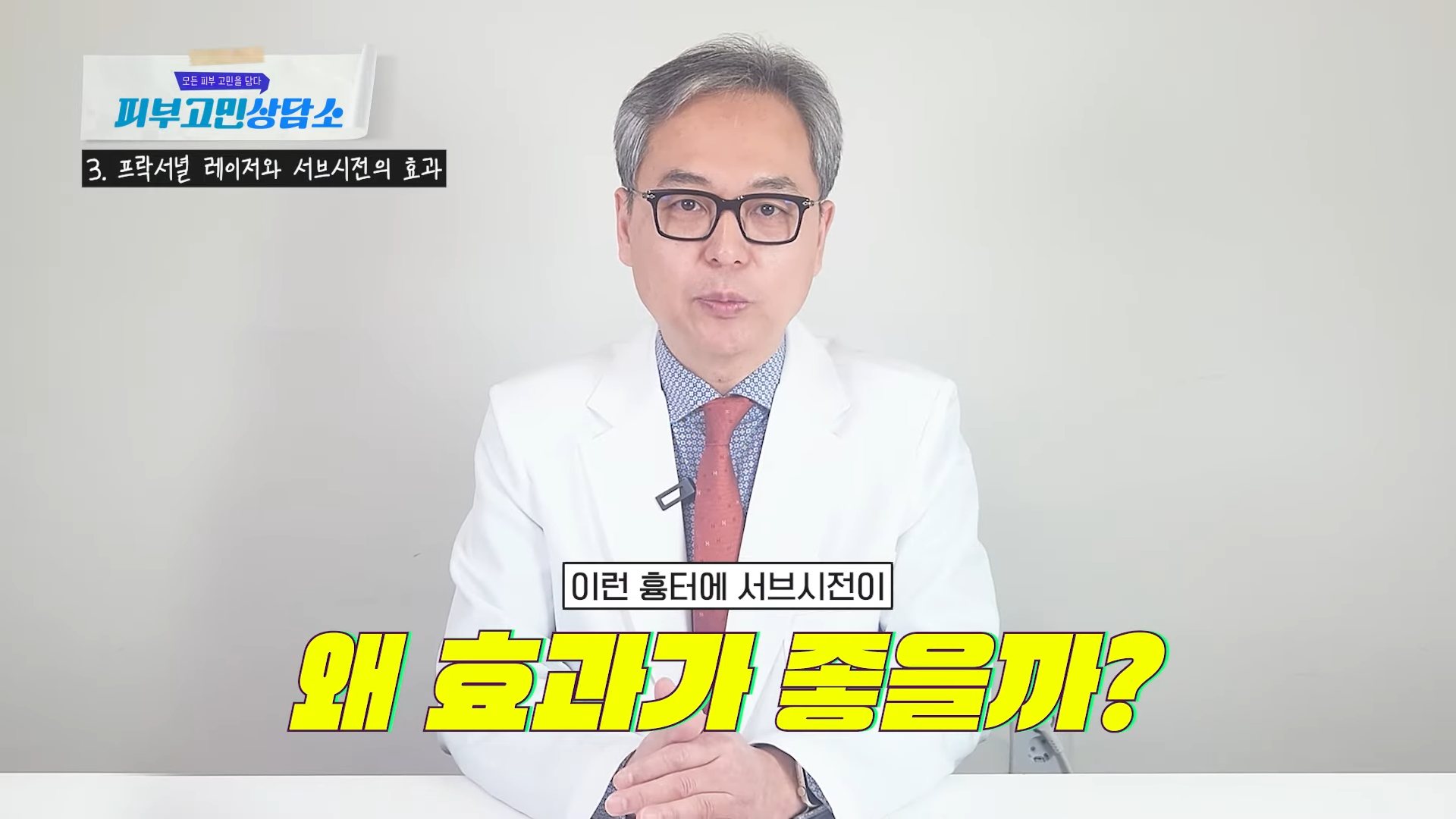
However, if the depressed marks are severe, it is beneficial to combine laser treatment with additional procedures. Subcision is a prime example. You can understand this as an approach that combines treatment to refine the surface with treatment to release the underlying tissue. If you are curious about the overall treatment direction for scars, The Big Picture of Acne Scar Treatment can also be helpful.

Subcision: The Answer Is in the Name
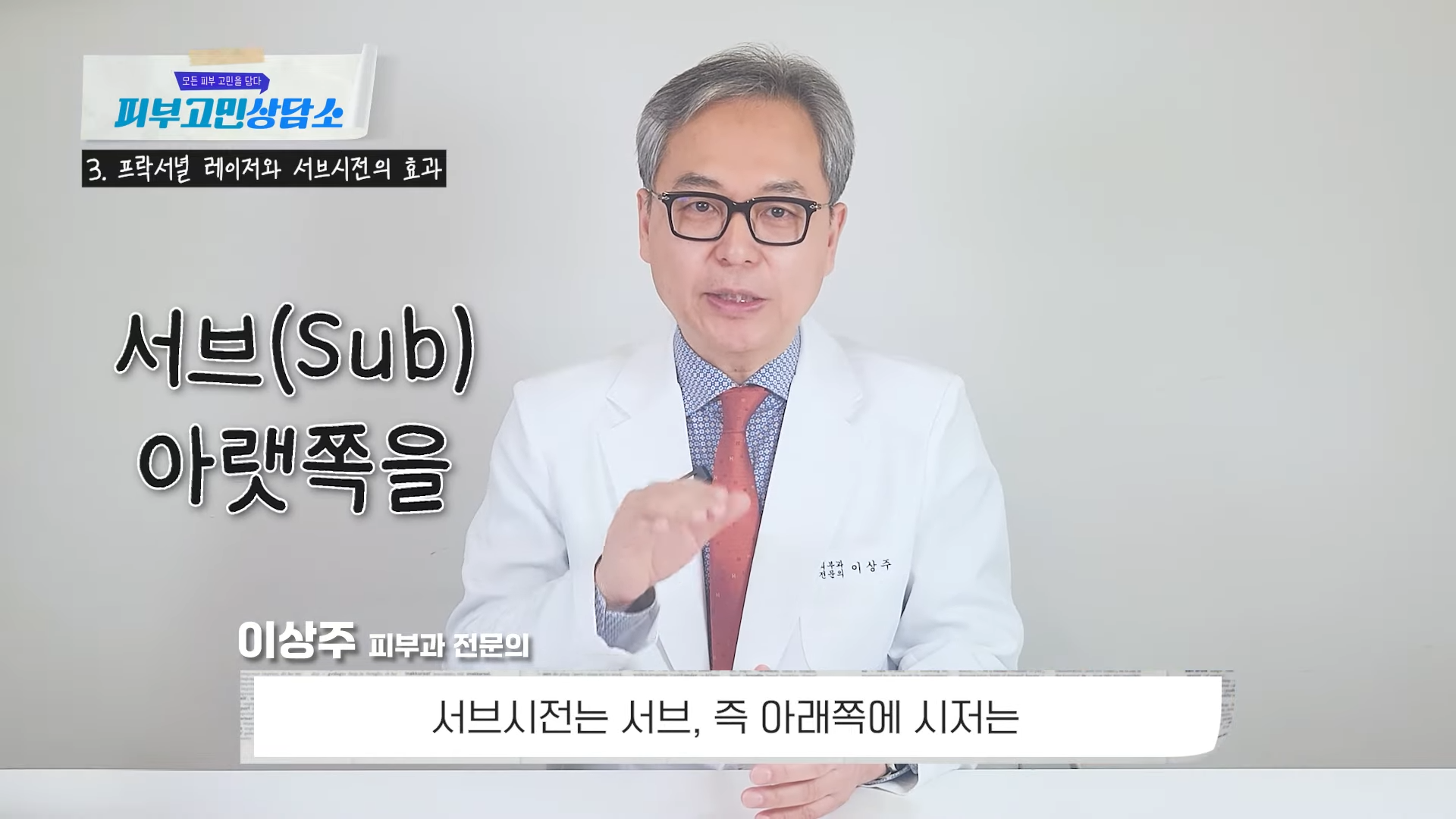
The name of the procedure itself gives some indication of how it is performed. It is a combination of 'sub,' meaning below, and 'cision,' meaning to cut. It is a procedure that releases the tough scar tissue, or adhesion scars, that are firmly holding the skin from within the depressed area.
The adhesion state of a sunken scar means that the skin has undergone structural deformation. By using a needle to slightly sever the underlying part, you can expect the sunken skin to rise again.

If you have any questions, please feel free to leave them via Chat Consultation for Scar Treatment Directions.

The Principle of Sunken Skin Rising Again
Why does subcision show a good response to adhesion scars? These types of scars often involve deep tissue that firmly pulls the skin. By severing the adhesive tissue pulling from below, it creates space for the skin to rise on its own.
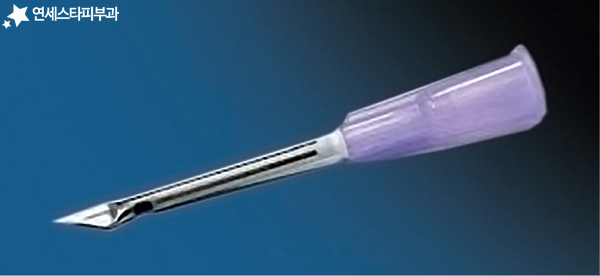
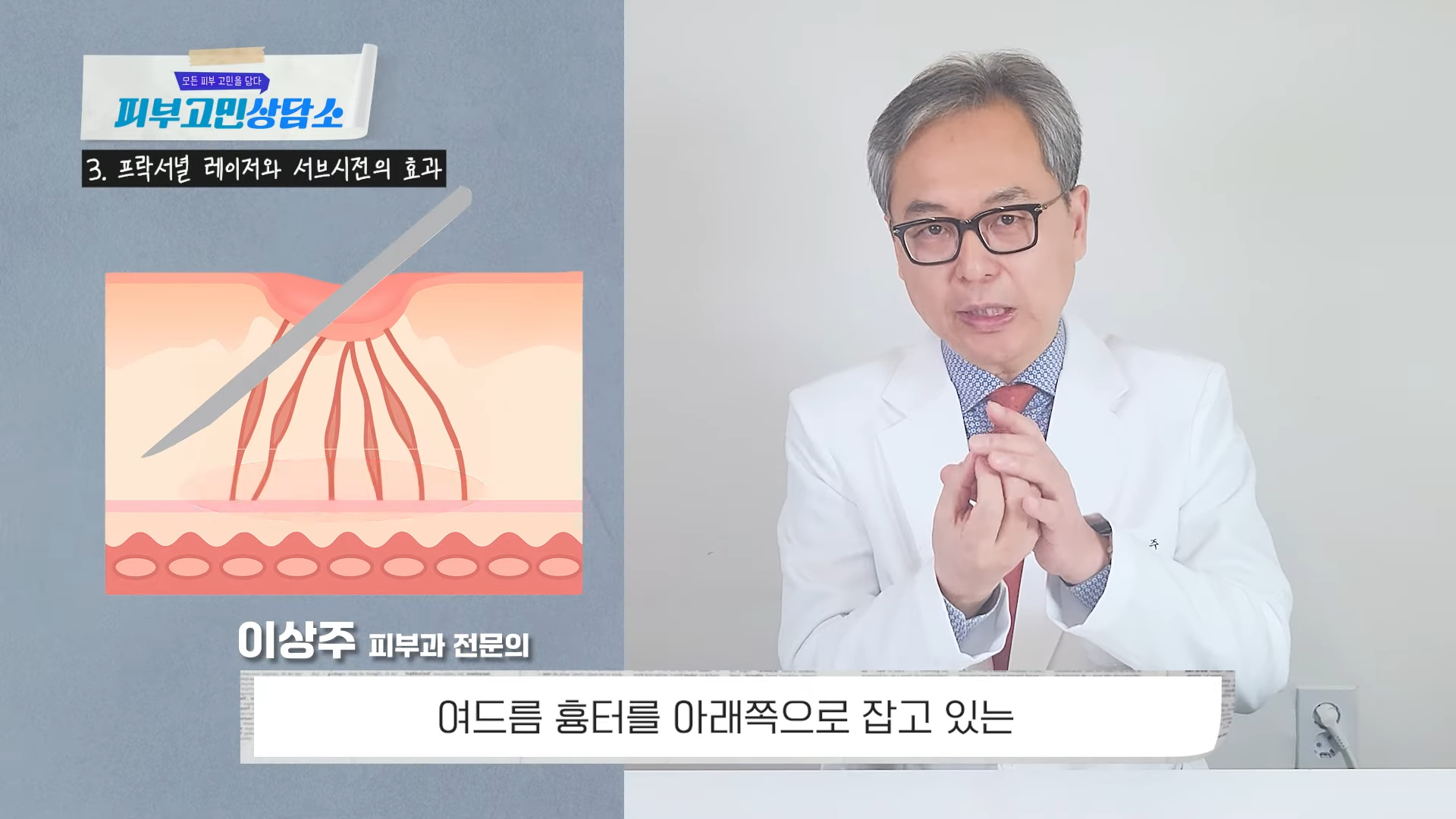
The empty space created between the severed tissues is filled with blood from the body, leading to a level similar to normal skin. Over time, the blood is absorbed by the body, and new collagen is generated, causing the depressed area to fill in.
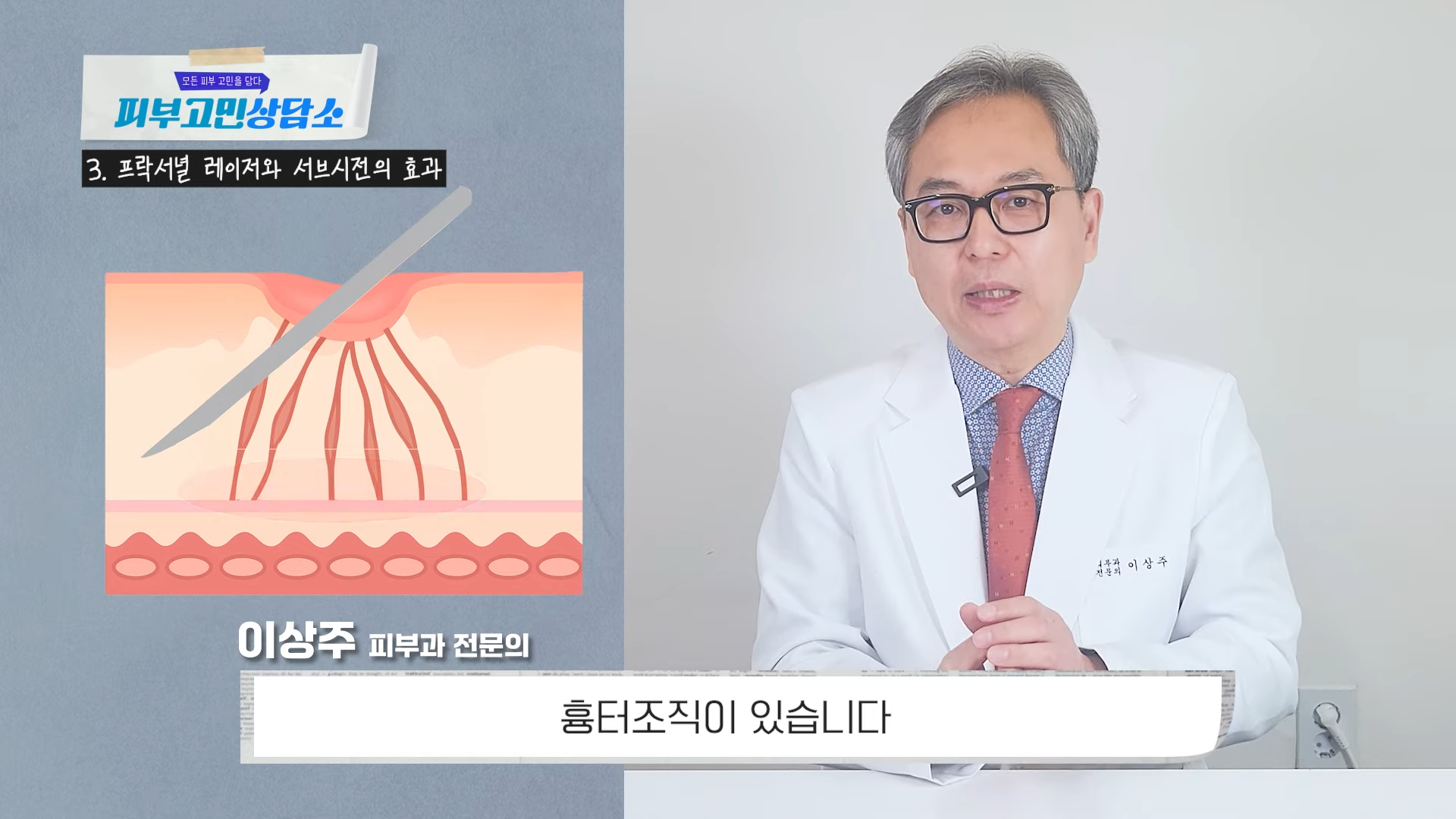

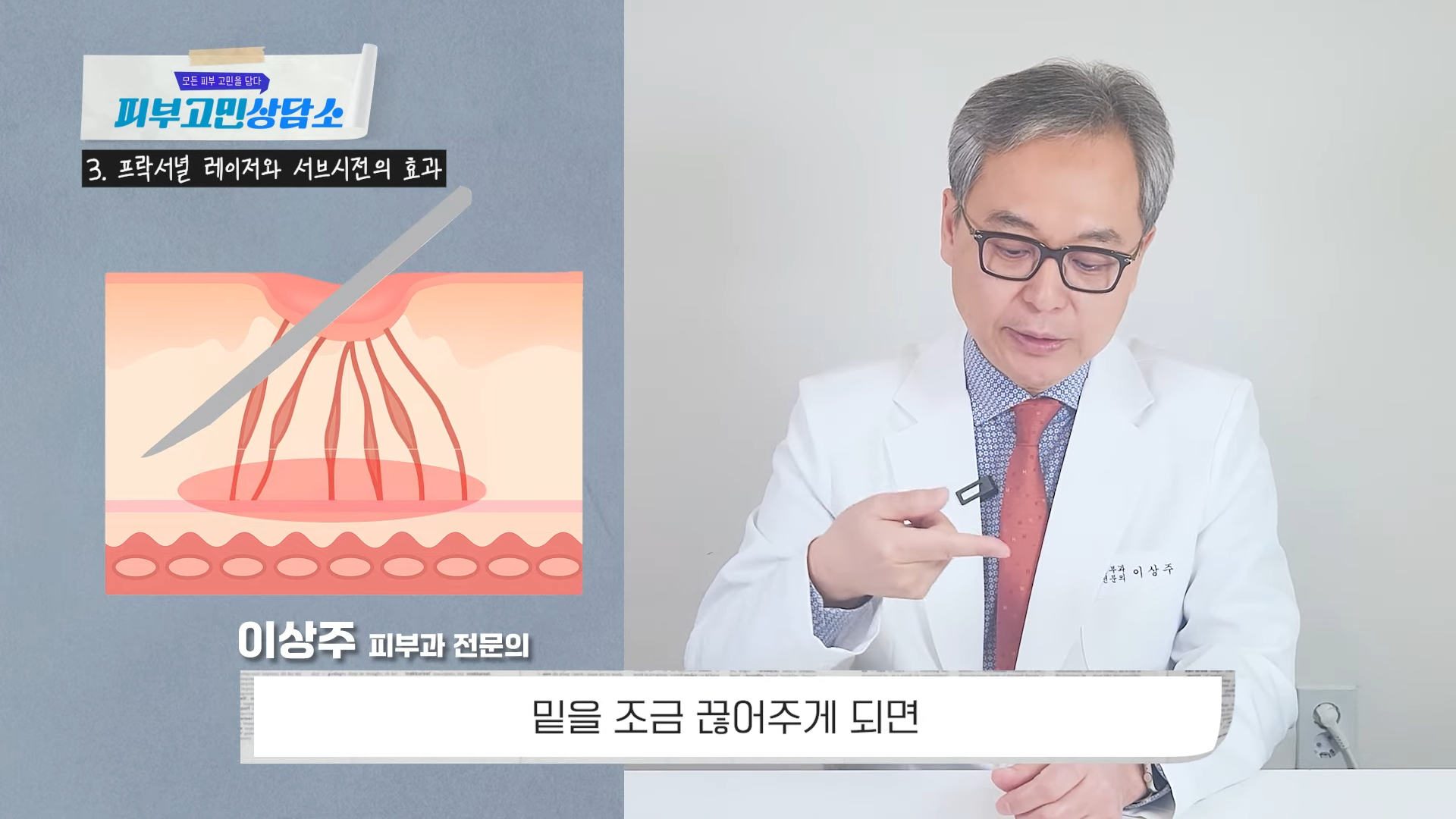
This process differs from methods that abrade the surface. It is an approach that releases the pulling force from within, and it is reported to be significant for deep adhesive scars. It is sometimes combined with Premium Customized Acne Scar Care or Acne Scar Triple Repair.

What to Check Before the Procedure
Although this procedure can yield positive results for severe depressed scars, sufficient know-how and experience from the practitioner are essential for proper outcomes. While the procedure itself may not seem complex, it is difficult to perform while directly observing the internal condition of the skin, so we recommend checking the following:
- Whether you were informed in advance that reactions such as bruising, hematoma, or pigmentation might occur.
- Whether the treatment area is determined by distinguishing the depth and shape of the scar.
- Whether the depth and direction of needle insertion are meticulously controlled during the procedure.
- Whether you receive sufficient consultation regarding the recovery period and the possibility of combining additional procedures.
- Whether you are informed about post-procedure care and follow-up appointments.


Bruising that may occur after the procedure generally subsides over time, but there can be individual differences in recovery patterns. If bruising persists or is a concern, you can refer to information on Bruise Treatment Without Damaging Surrounding Tissue.


Summary
Depressed acne scars are often not just a surface problem but also involve adhesive tissue pulling from within the skin. Therefore, how lasers that refine the surface are combined with subcision that releases the internal tissue will determine the course of recovery. It is crucial to set the direction based on the depth and shape of the scar, as well as your skin condition.
💬 Chat for Consultation Now

Chief Director Lee Sang-ju (MD, PhD, Yonsei University College of Medicine and Graduate School; completed dermatology residency at Severance Hospital; President of the Korean Dermatological Association) Chief Director Lee Sang-ju's Profile First published 2025-06-04 / Last reviewed 2026-06-16
The above content is for general information purposes only, and as scar conditions and treatment responses may vary individually, please consult with medical staff for an accurate diagnosis and treatment plan.