


As more people express their individuality through tattoos, inquiries about removal are also increasing. However, there are often preconceived notions even before consultations begin.
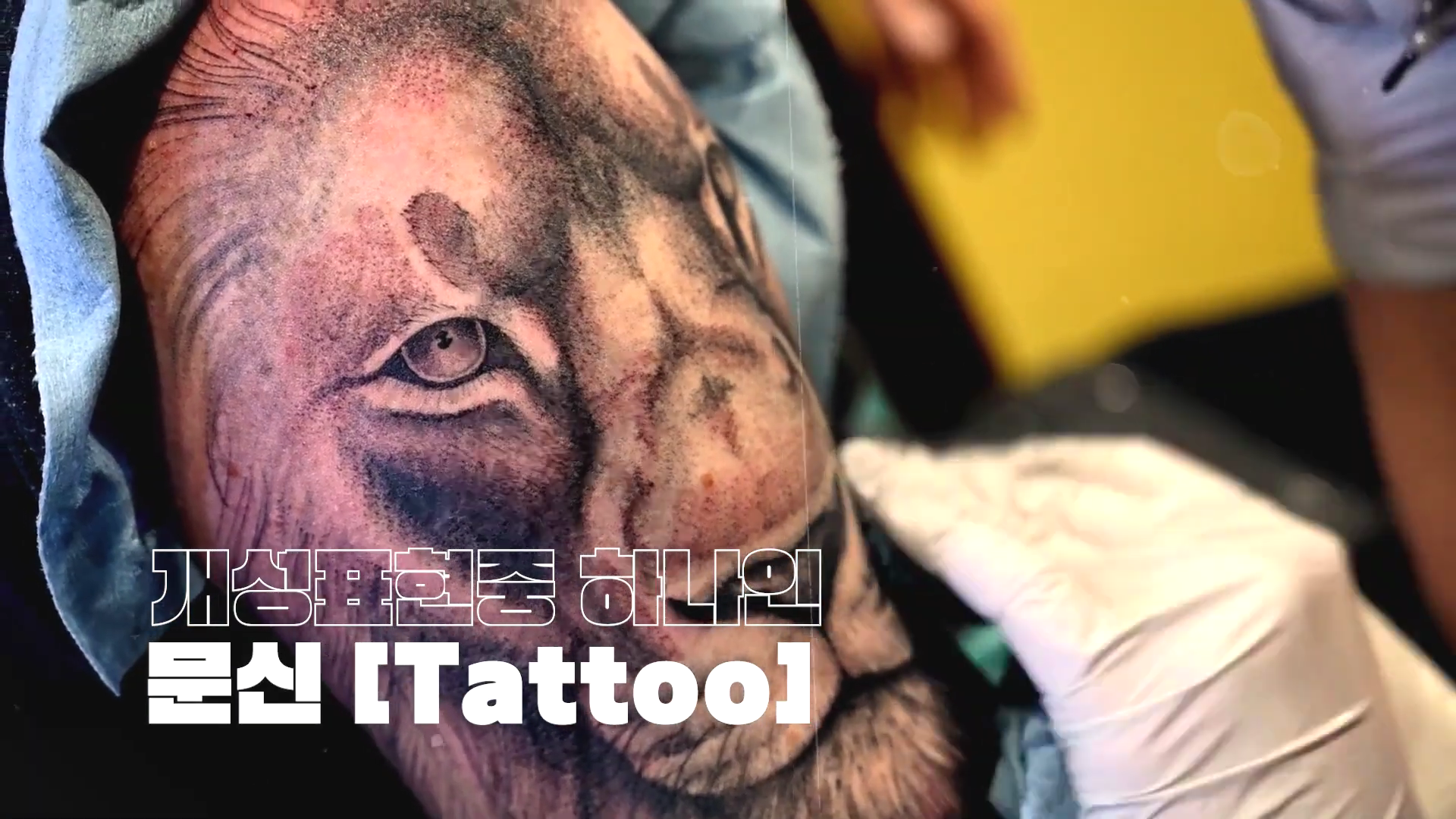
Today, we will address common misconceptions and half-truths about PicoWay Laser Tattoo Removal, one by one.
It hurts much more to remove a tattoo than to get one
Many people believe that removing a tattoo is much more painful than getting one. Pain perception varies by individual.
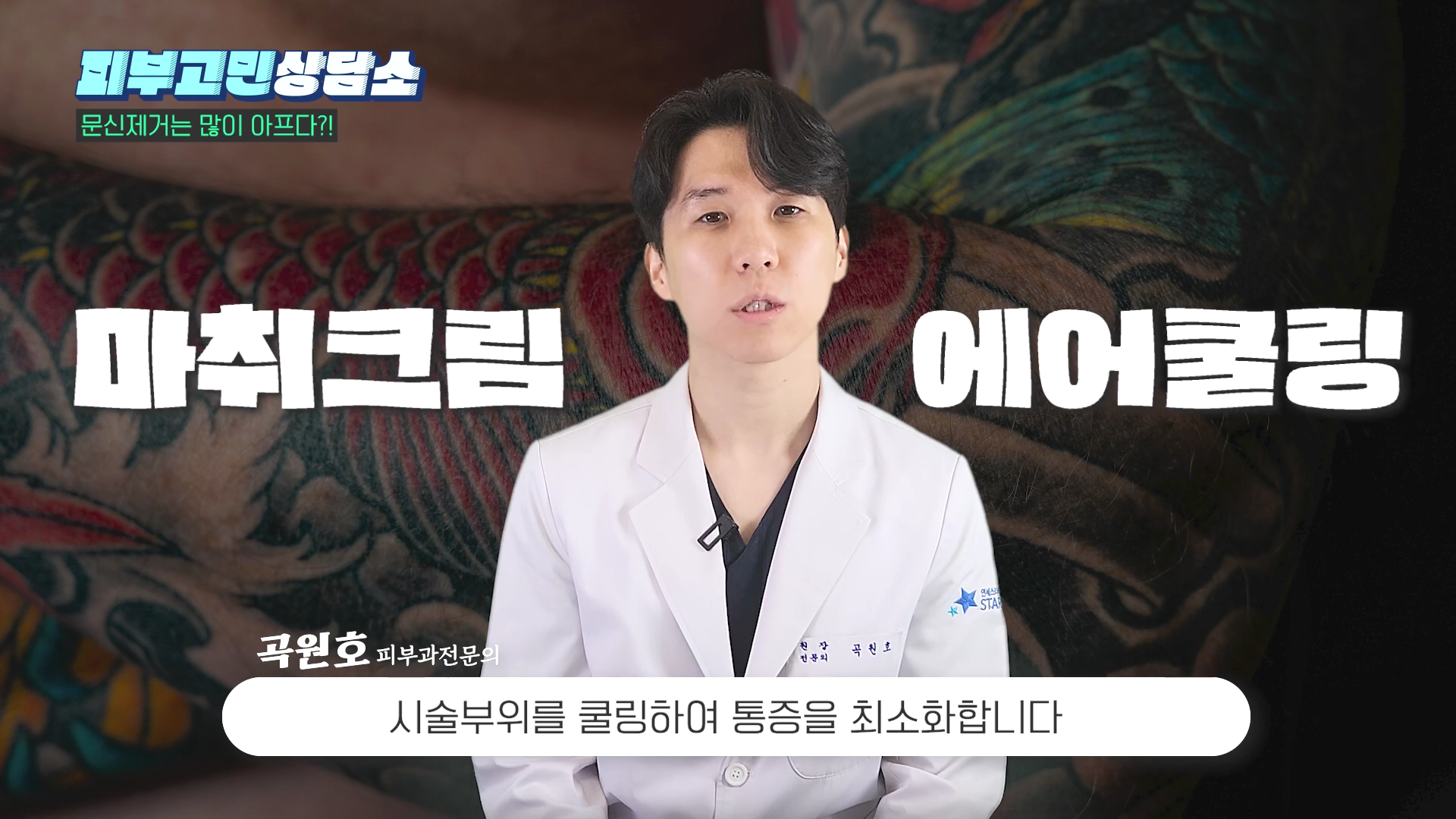
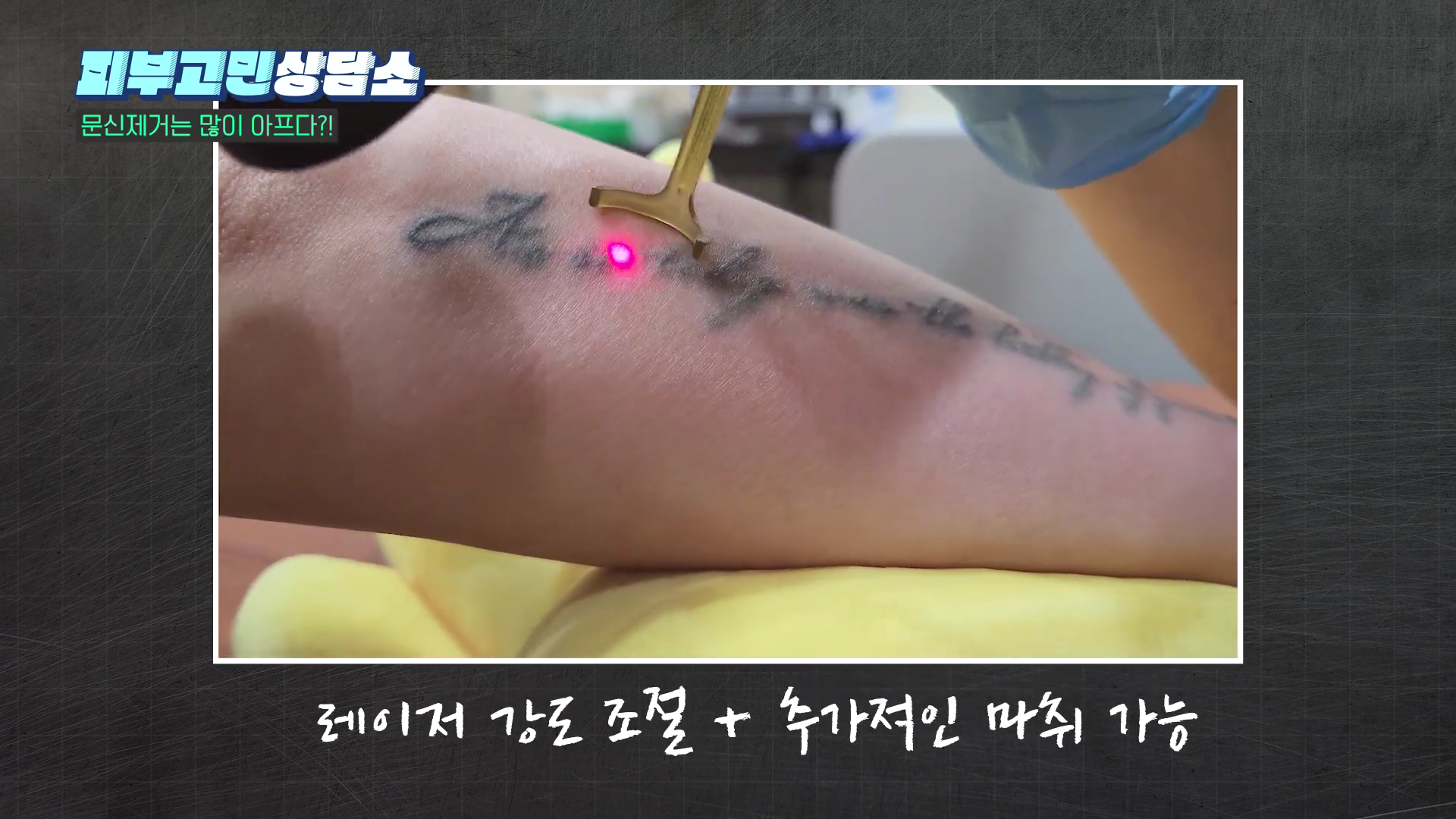
During the procedure, topical anesthetic cream is used, and cooling is applied to the treatment area to reduce pain.
At our clinic, the laser intensity is adjusted during the procedure according to the patient's pain level. If the pain is still severe, additional anesthesia can be administered.
Therefore, it is often not as painful as many people anticipate. However, individual pain perception varies, so it is advisable to have a thorough consultation before the procedure.
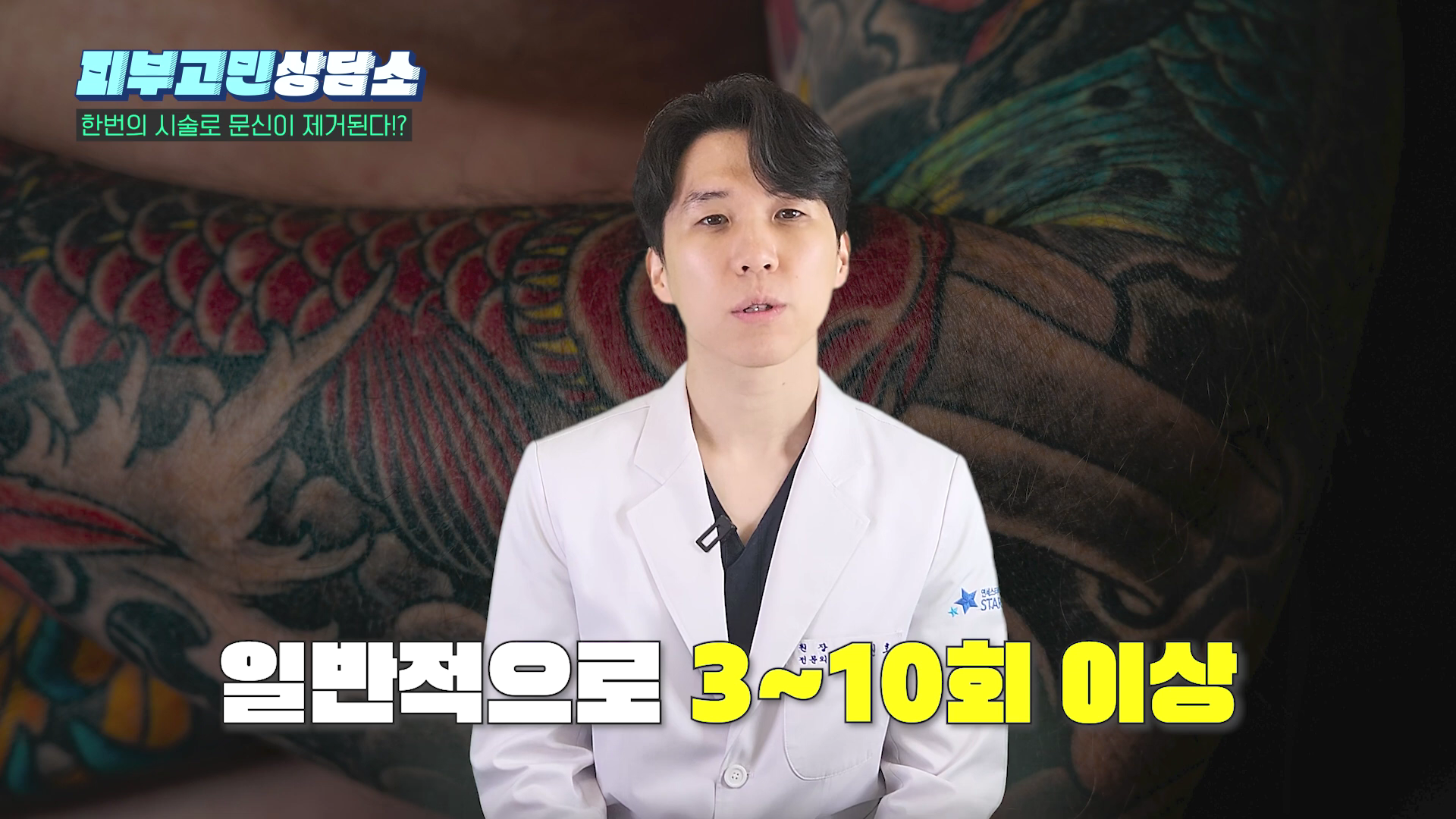
One session is enough
The second misconception is that a tattoo can be removed in a single session.
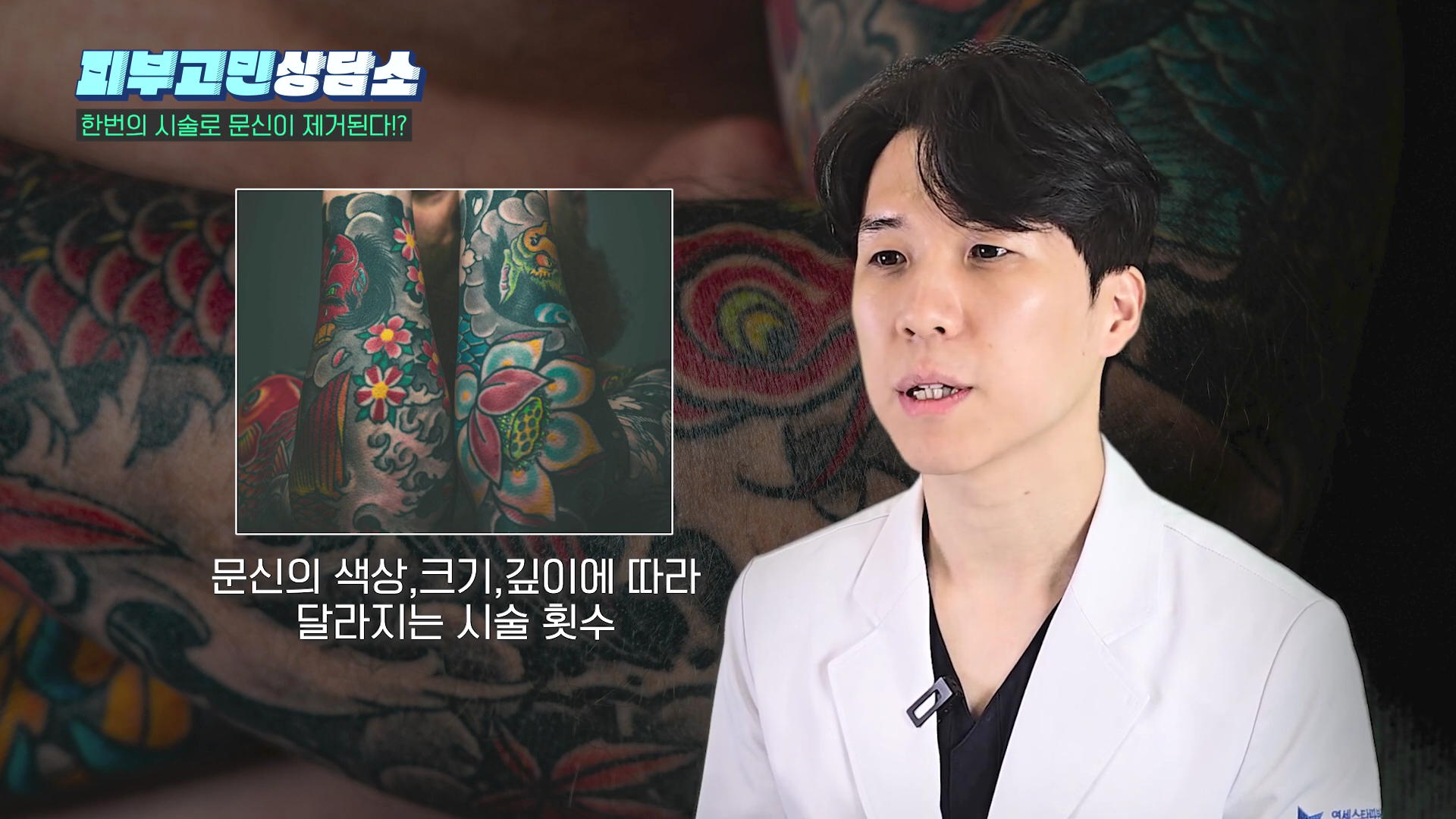
The number of sessions required varies depending on the size, color, and depth of the tattoo. Generally, 3 to 10 or more sessions may be necessary.
The denser and deeper the pigment, the slower the removal process is likely to be. If the tattoo contains a mixture of colors, the difficulty level increases further.
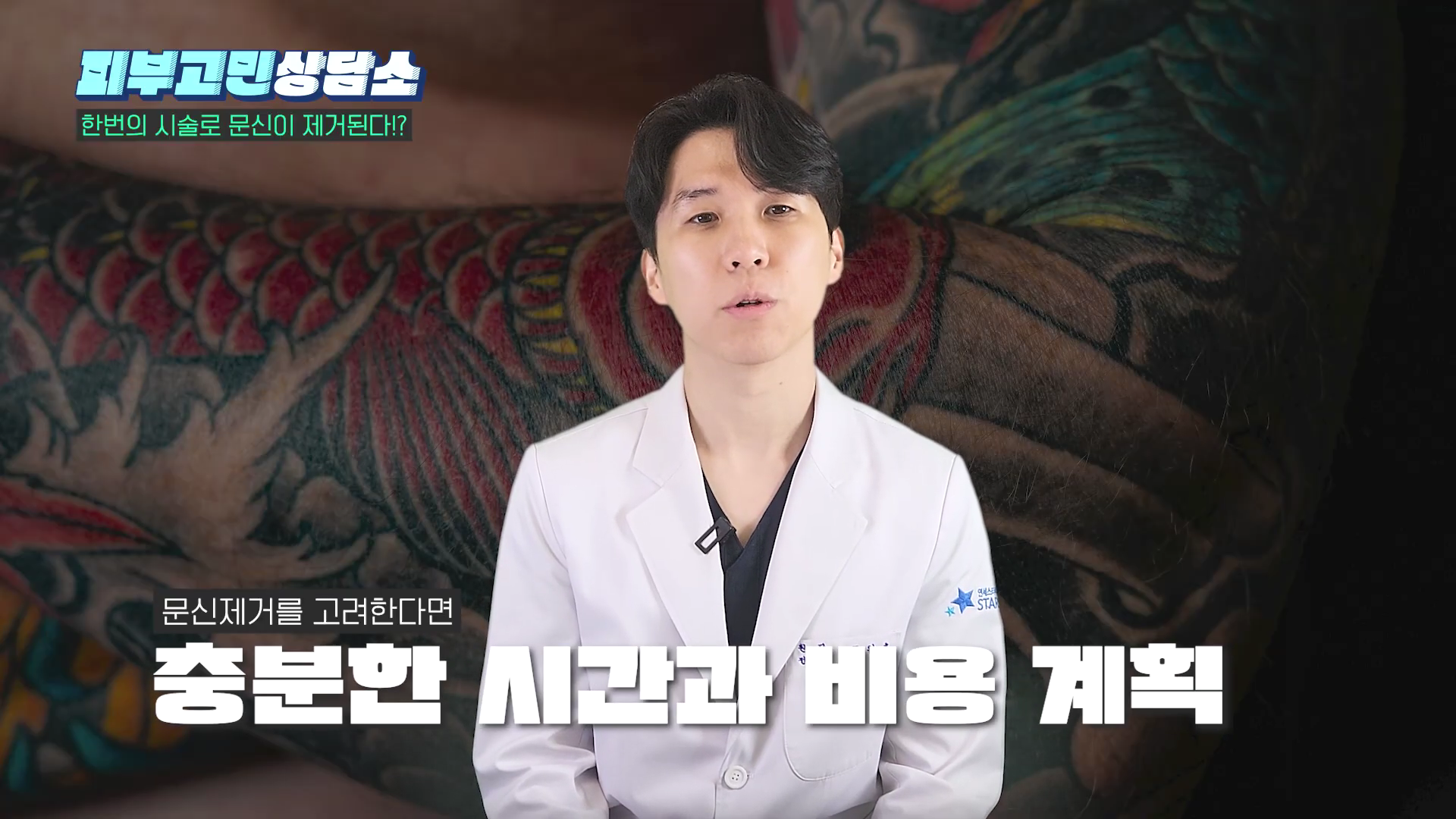
Therefore, if you are considering removal, it is advisable to plan for sufficient time and cost. You can find information on how to estimate the number of sessions in our Tattoo Removal Treatment Guide.
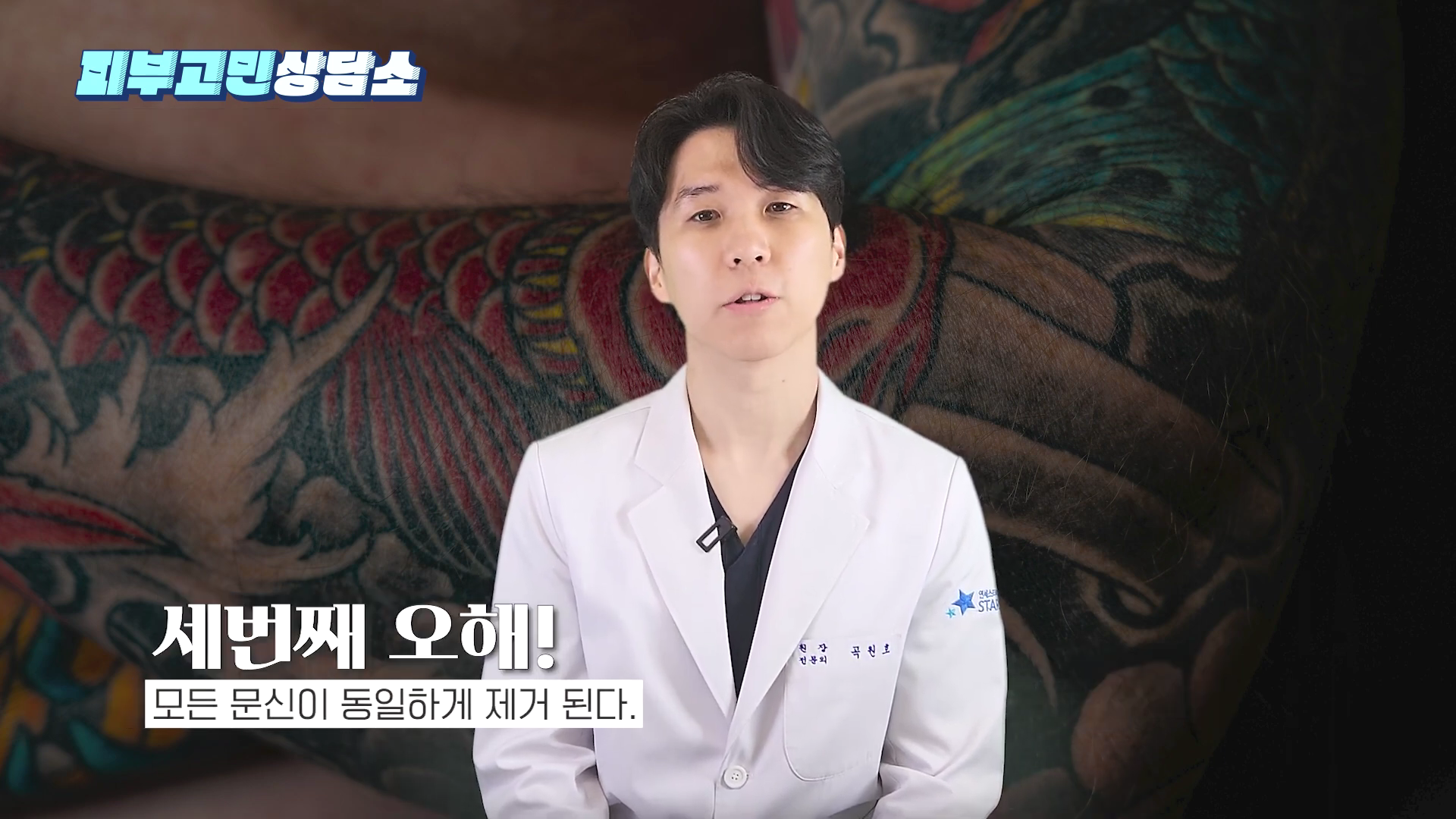
All tattoos are removed equally
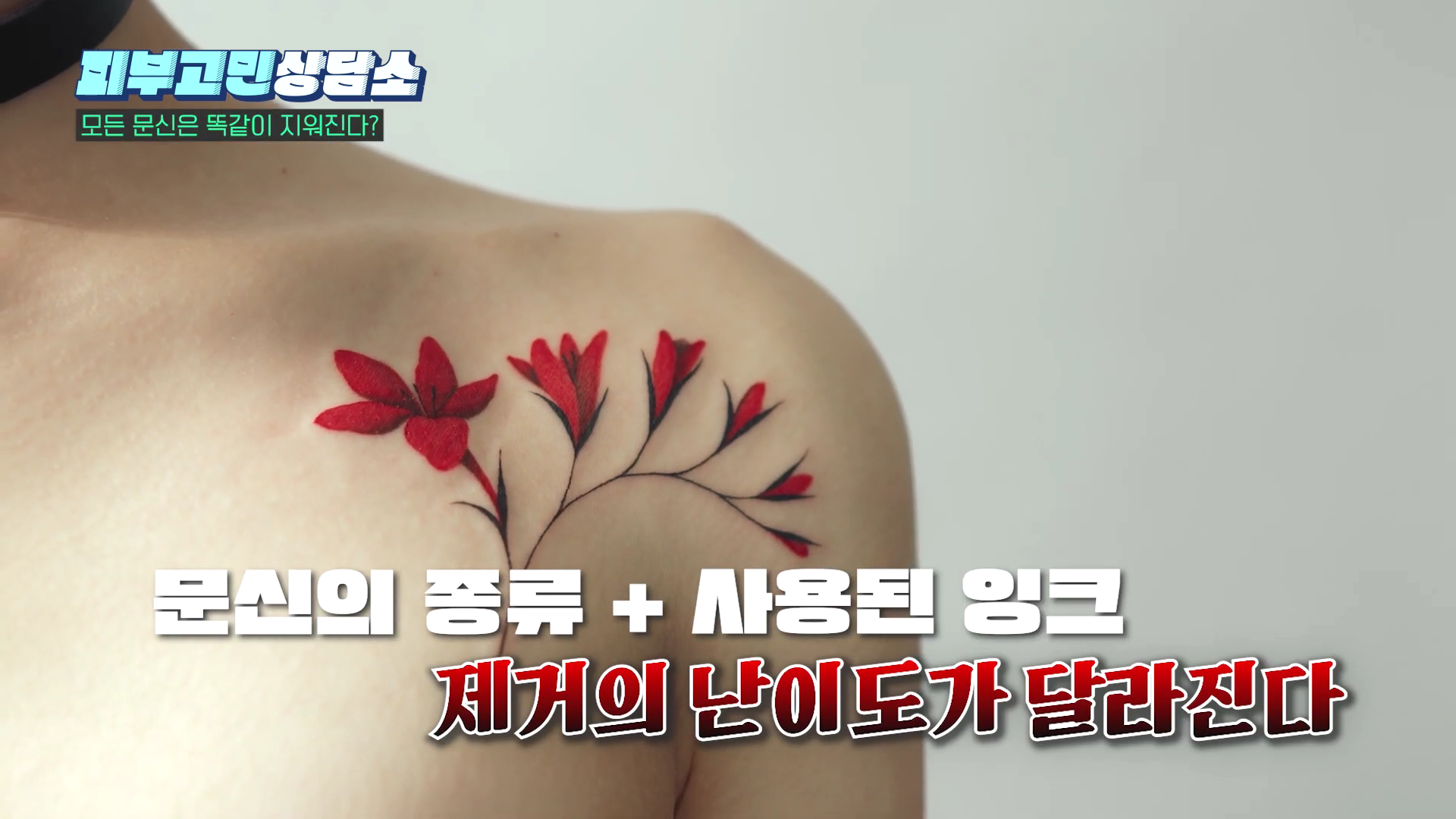
This is the third misconception. The difficulty of tattoo removal varies depending on the type of tattoo and the ink used.
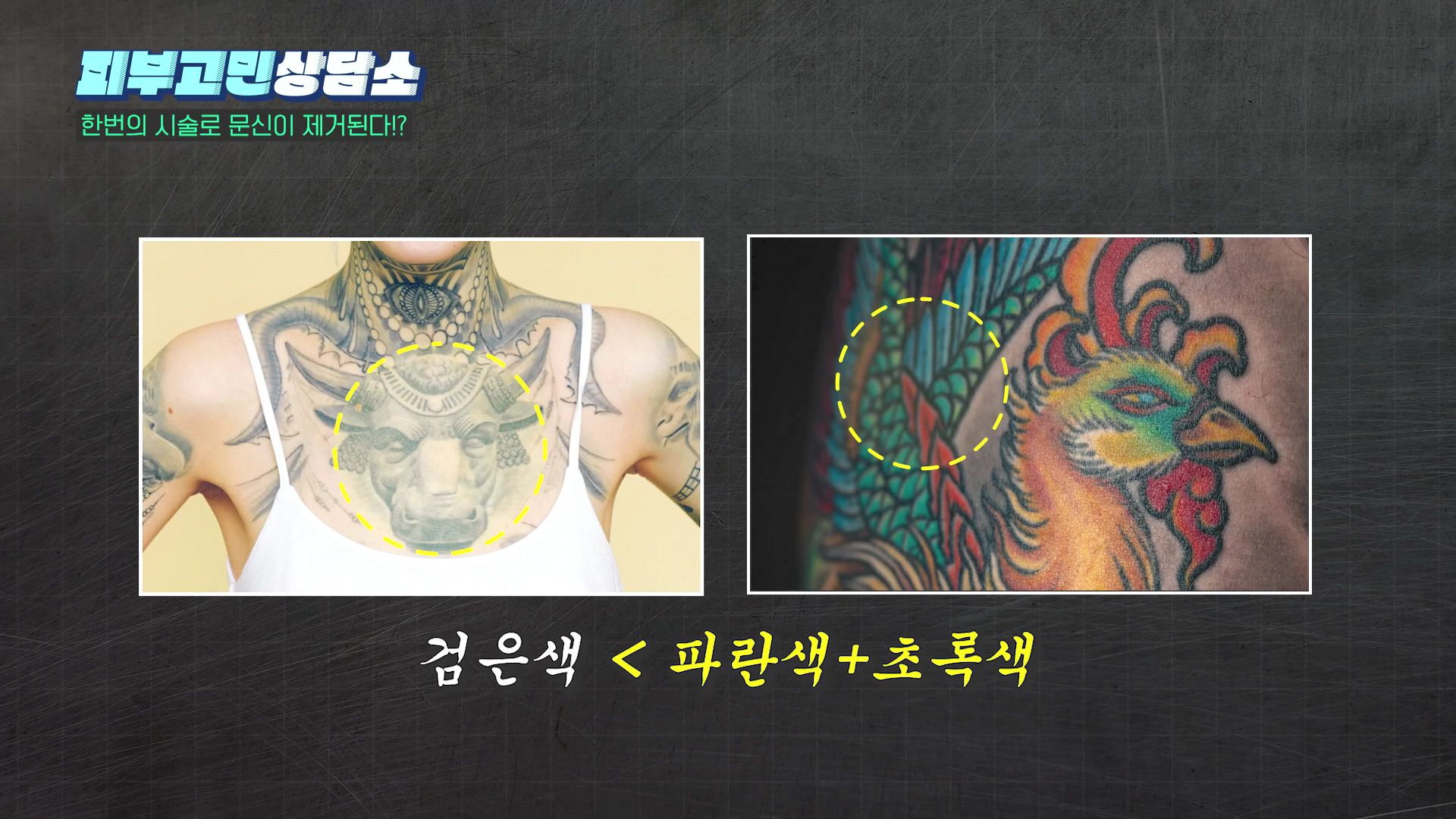
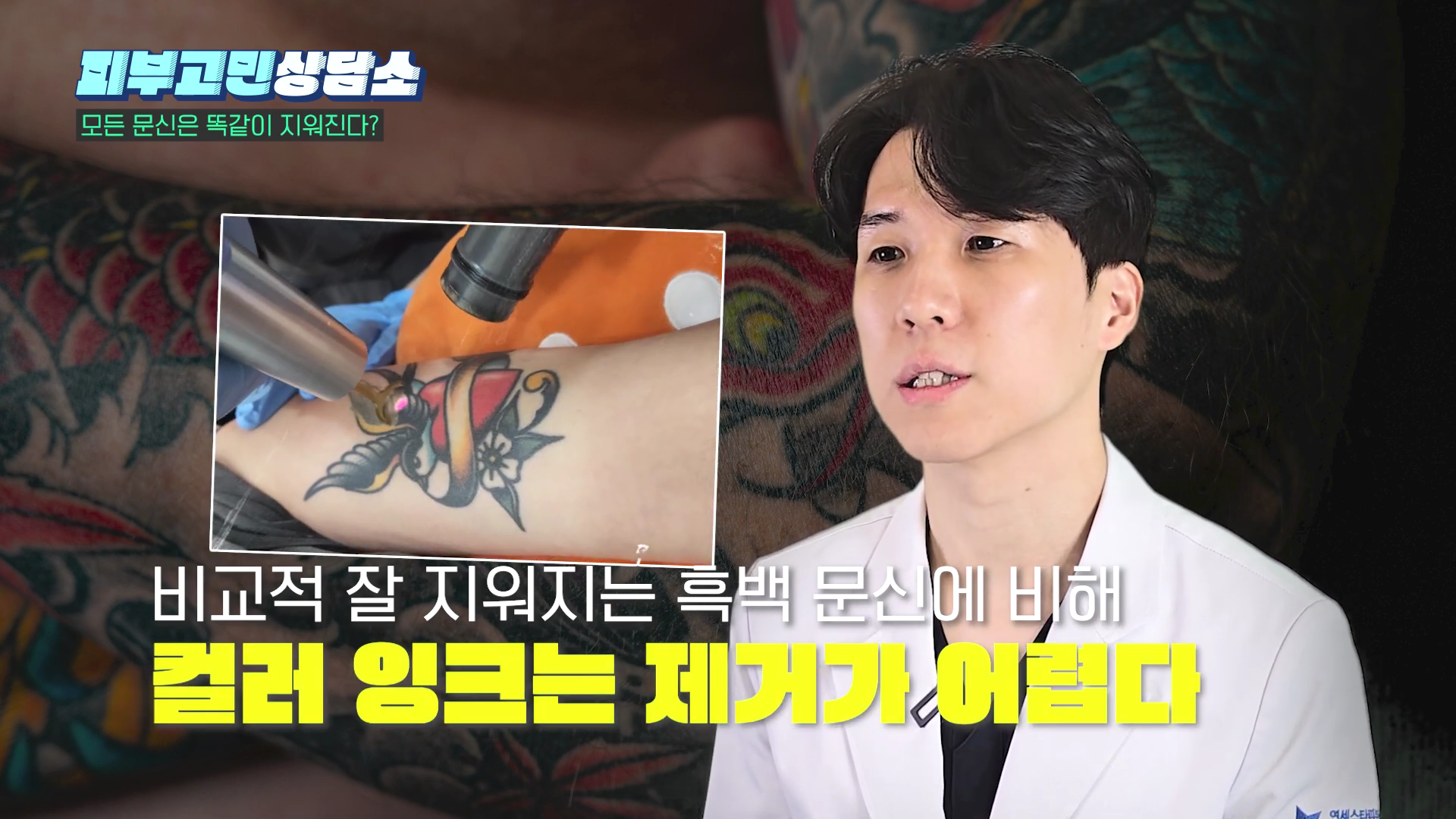
Color inks have larger molecular weights than black ink. Therefore, black ink tends to respond relatively easily, while colored inks such as yellow or orange are more challenging and may remain partially even after treatment.
| Ink Color | Difficulty in Removal Process |
|---|---|
| Black | Tends to respond relatively easily |
| Blue, Green | More challenging than black |
| Yellow, Orange | Difficult and may remain partially |
Depth and location also play a role. For example, tattoos on the wrist or ankle may require more time.
Therefore, the first step is to consult with a dermatologist to find the method best suited for your tattoo. You can compare the differences between devices in the R-Zero Pico-Frectat Tattoo Removal Guide and Nd:YAG Tattoo Removal.
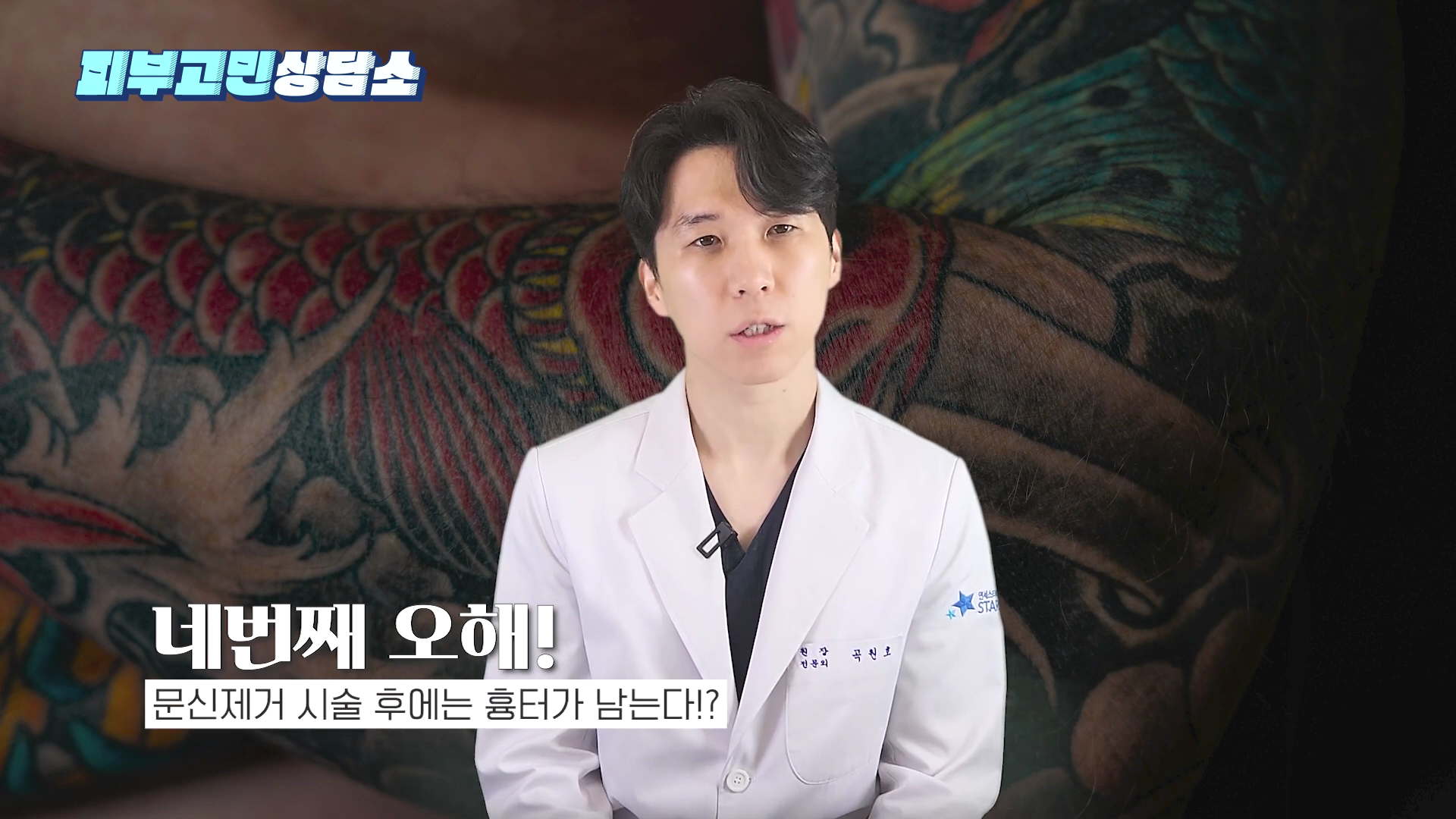
Scarring remains after the procedure
The fourth point is the belief that scars inevitably remain after removal. Scarring is not always a given.
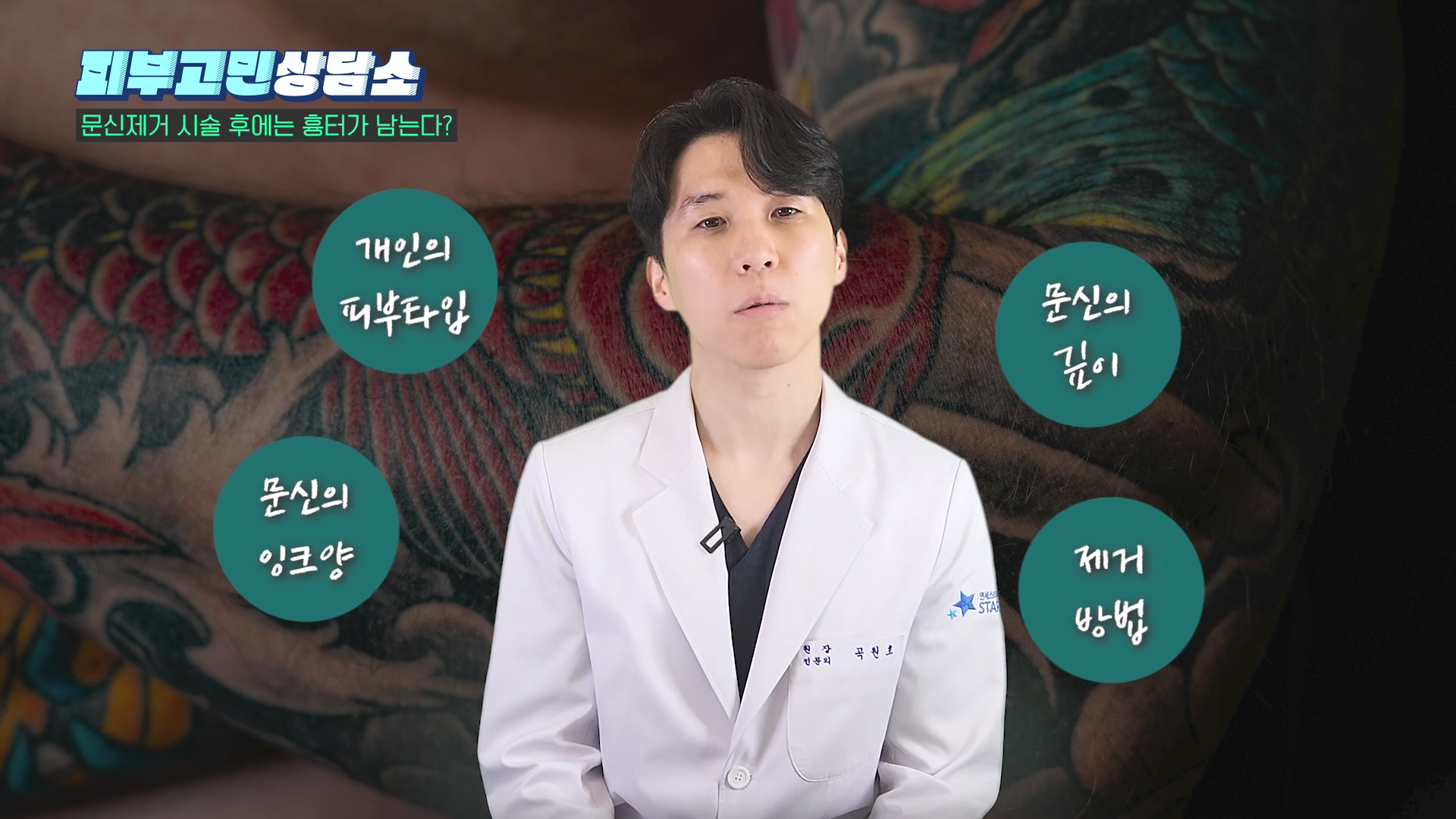
It depends on the individual's skin type, the depth and amount of the tattoo, and the removal method used. Appropriate aftercare is also crucial.
After the procedure, the skin may become sensitive, so the following care is necessary:
- Consistently apply regenerative cream
- Use sunscreen appropriately
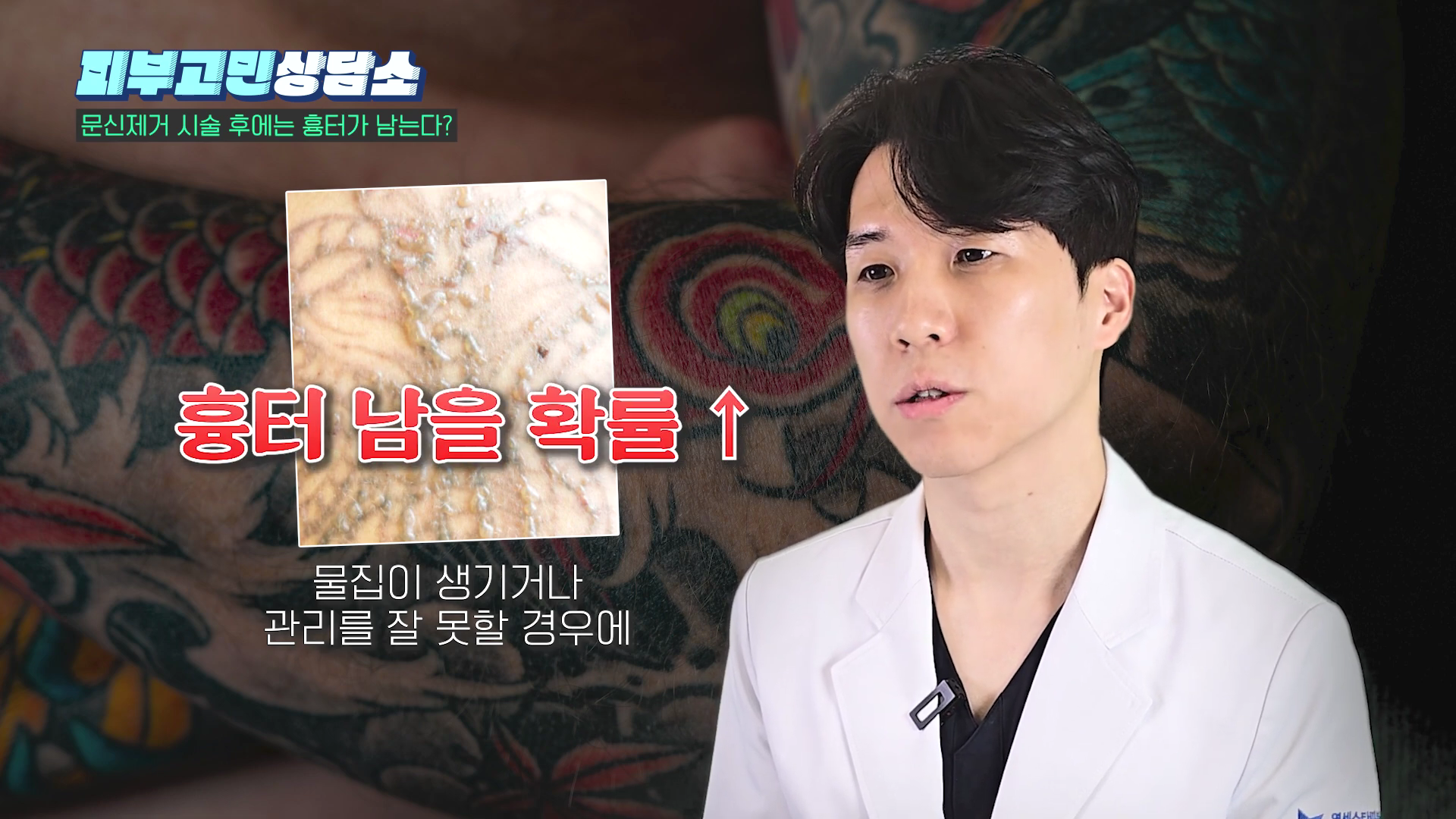
- Follow hospital instructions for managing blisters if they occur
Improper handling of blisters can increase the likelihood of scarring. Please follow the instructions provided by the clinic where you received the procedure.
There's one more thing. Scars may have already formed when the tattoo was initially applied. It's a good idea to consult with a specialist before the procedure to discuss scar management methods. Information on scar treatment can be found in the Pinhole for Burn & Surgical Scar Guide.
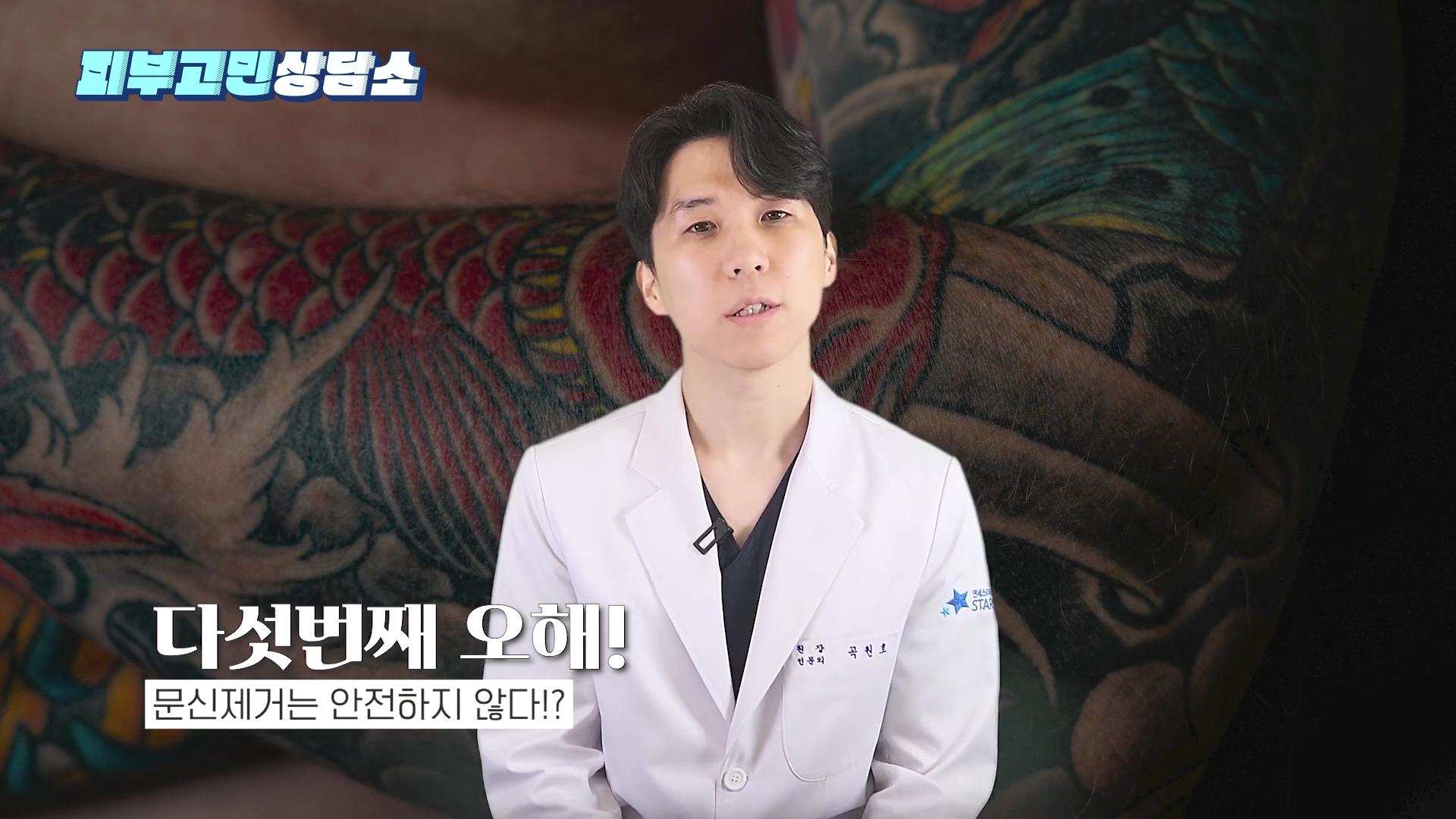
PicoWay Laser is not safe
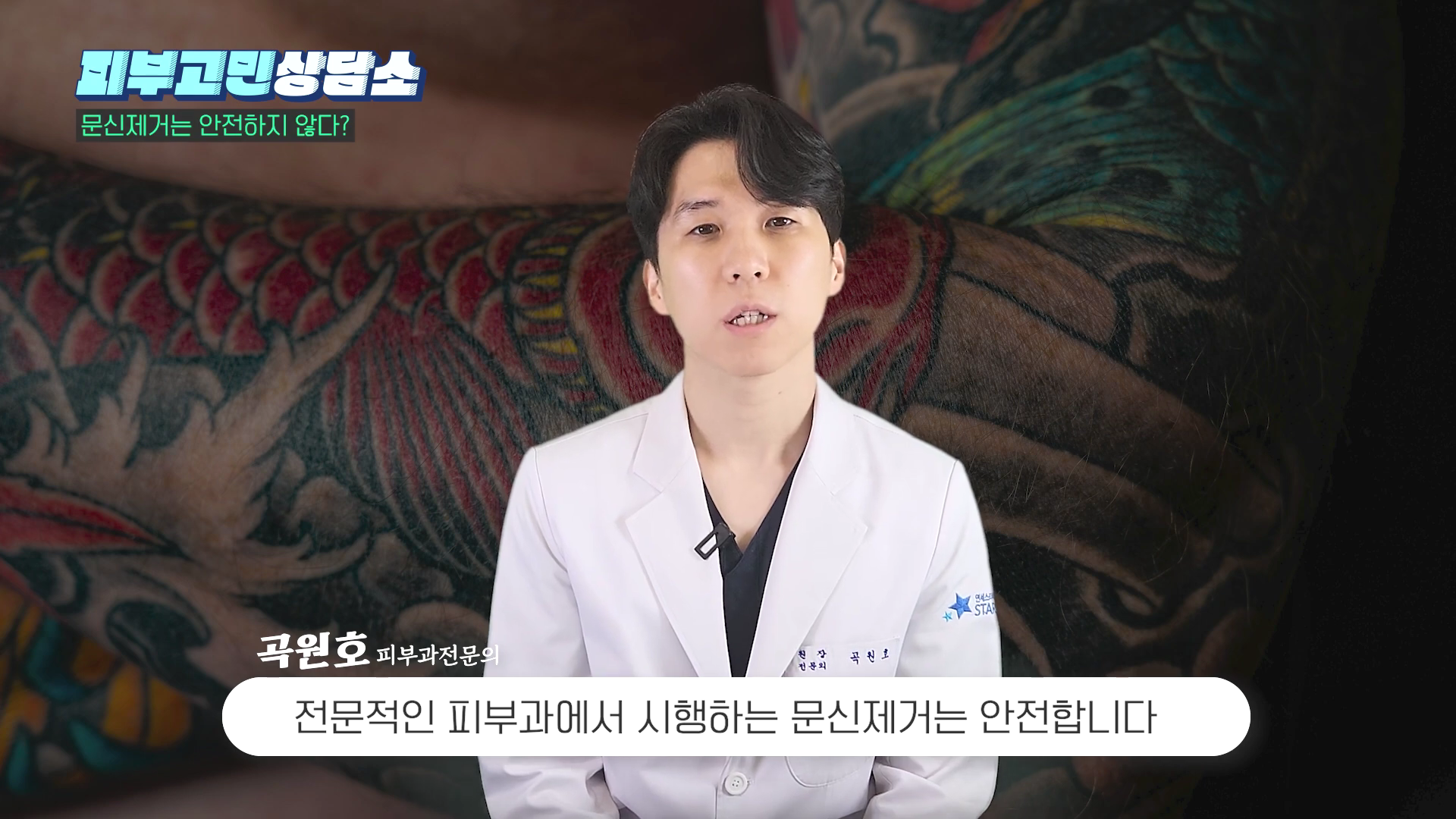
This is the fifth misconception. PicoWay Laser Tattoo Removal performed in a professional dermatology clinic is conducted safely.
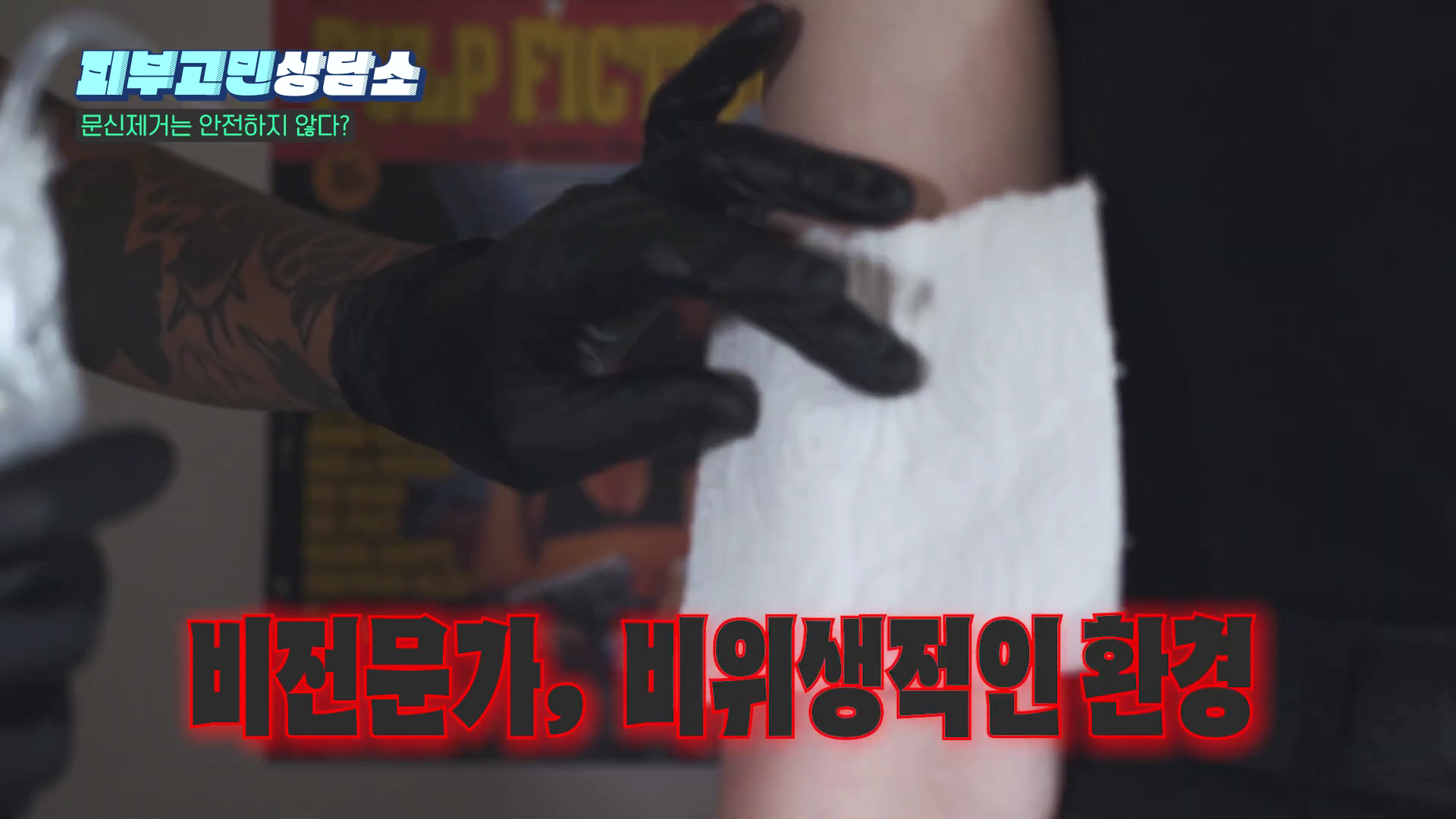
The issue lies in the treatment environment. It can be dangerous if performed by an unqualified person or in an unsanitary environment.
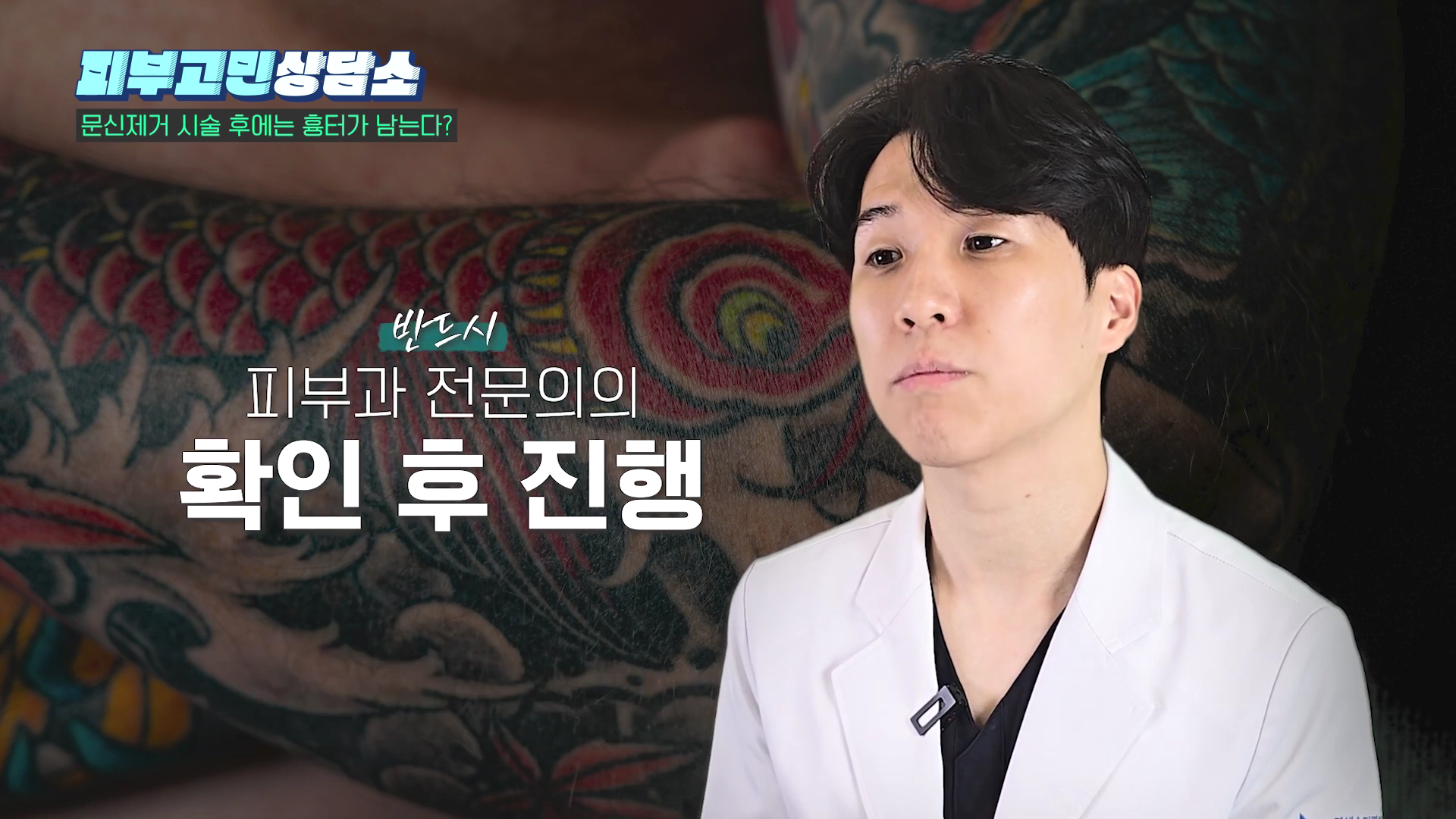
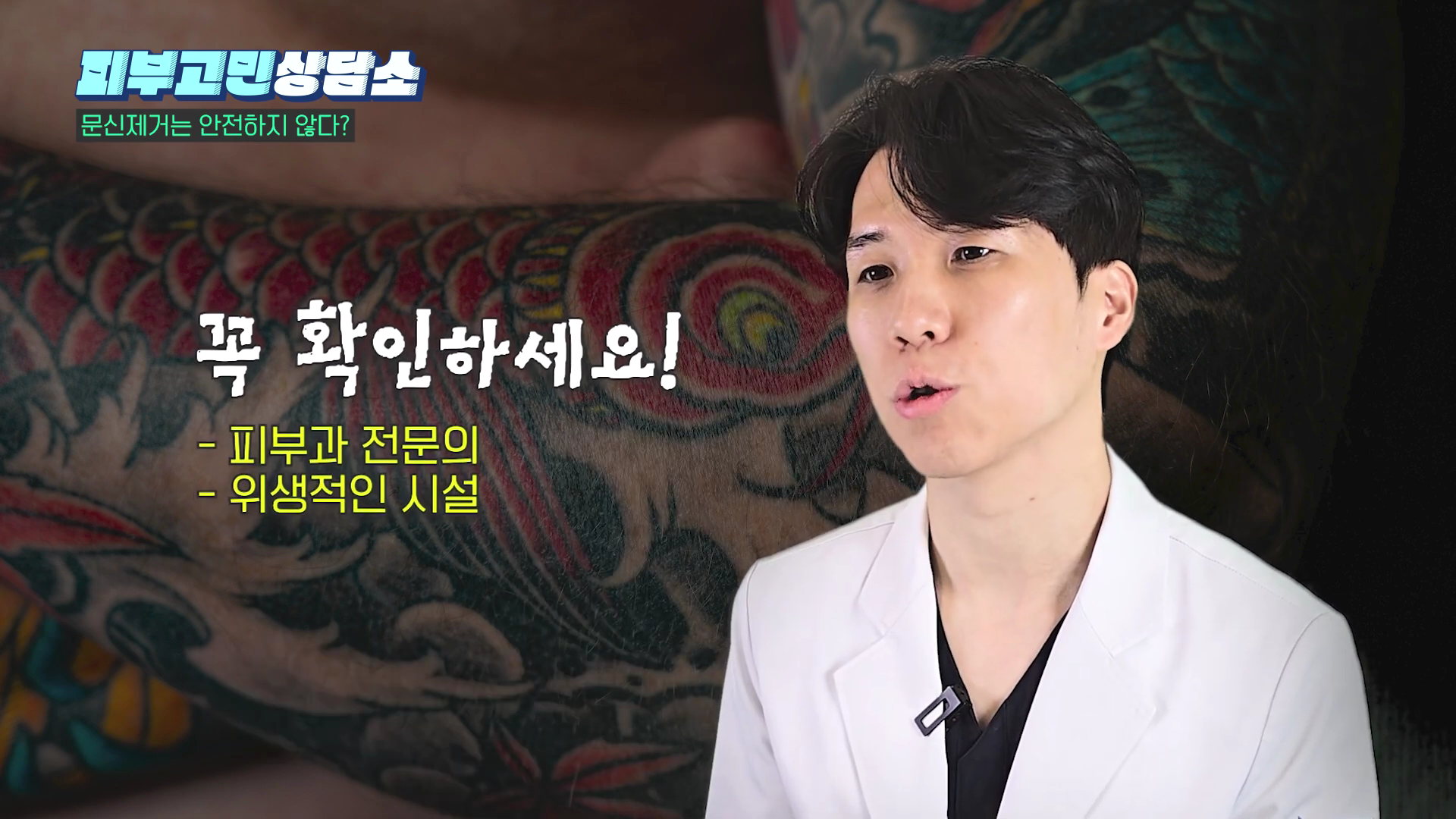
That's why it's important to receive treatment from a qualified specialist and to check the clinic's hygiene status.
If you have any questions, please use Chat with us now.
How to consider the cost
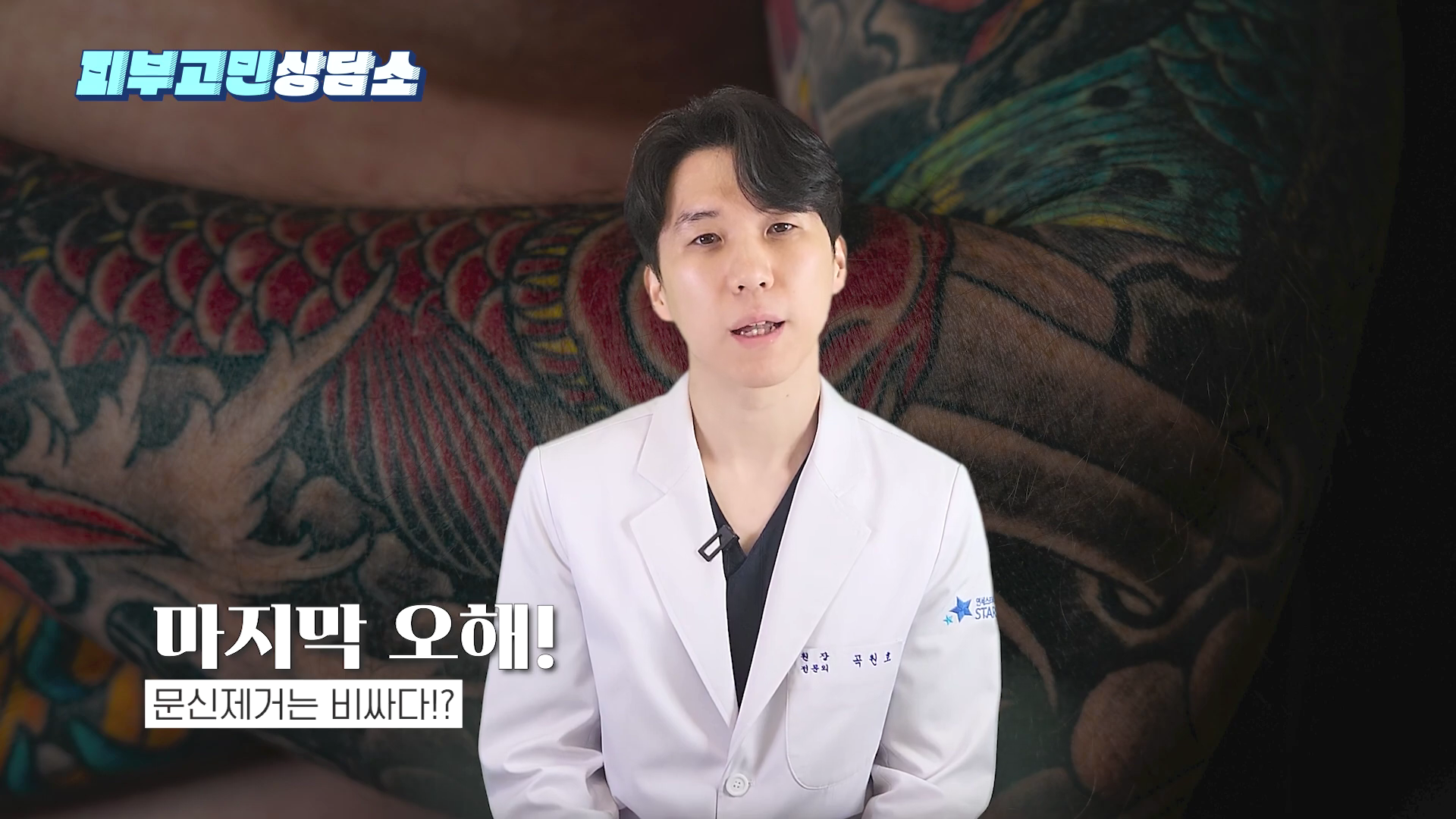
The last point is about cost. The cost varies depending on the number of sessions and the size of the tattoo.
It is not a small expense. However, it is an item that is judged alongside the regret of getting the tattoo, the psychological stress experienced because of it, and the discomfort caused by social perceptions.

A choice that precedes removal
If you think you might regret a tattoo later, it's best not to get one at all.
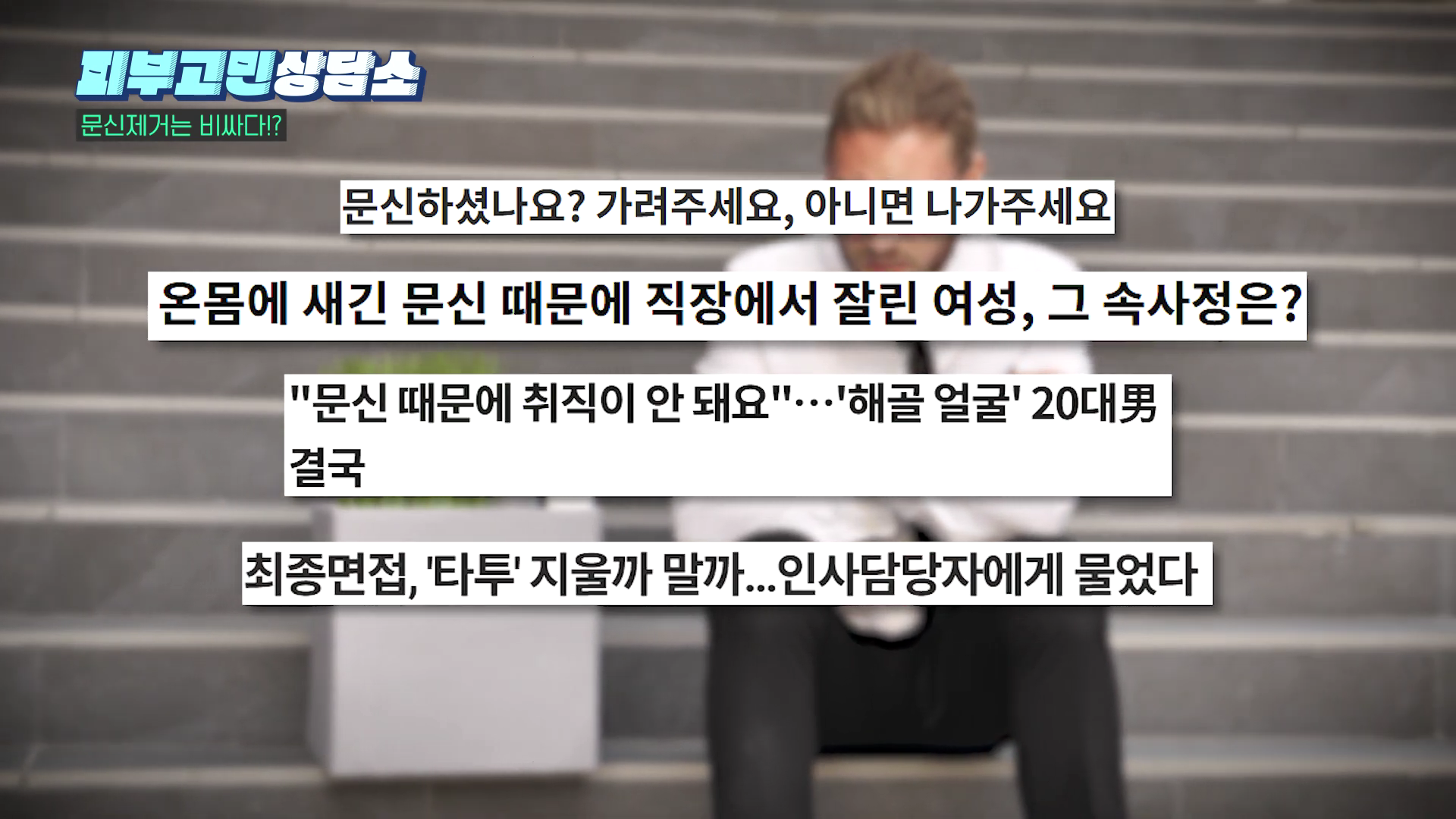
Today, we've summarized the misconceptions and facts surrounding PicoWay Laser Tattoo Removal. If you have further questions, feel free to ask via Leave a consultation.

Authored and Medically Reviewed by Dr. Kang Jin-moon, Chief Director (Dermatologist) Graduated from Yonsei University College of Medicine · Completed Dermatology Residency at Severance Hospital · Currently Adjunct Professor, Department of Dermatology, Yonsei University College of Medicine Member of the Korean Dermatological Association · Korean Association of Dermatologists · Korean Society for Laser Medicine and Surgery View Medical Staff Profile
First Published 2025-02-10 · Last Reviewed 2026-07-29
This article contains general medical information and is not a substitute for individual diagnosis and treatment. Results and recovery progress may vary by individual.