

The shoulder is a popular spot for tattoos due to its large canvas. Consequently, it's also a part of the body where removal can take a long time once you decide to erase it. Let's explore why it takes so long and what can shorten the process.

Why Shoulder Tattoo Removal Takes Longer Than Other Areas
It cannot be done all at once.
It's difficult to treat a large area in a single session. The area must be divided and treated sequentially, which increases the total number of sessions and the overall duration. Since the total amount of stimulation to the skin is also greater, sufficient recovery time between sessions should be allowed.
There are many colors and the ink is dense.
Shoulder tattoos often feature styles like tribal or old-school, which involve densely packed ink. If there are multiple colors, different wavelengths must be used for each color. If the ink concentration is high, the amount of pigment that can be broken down in one go is limited, leading to more sessions.
Pain varies even within the area.
The shoulder has thick skin and a fat layer, making it more tolerable than the wrist or collarbone. However, the areas near the scapula, closer to the neck, and the border leading to the collarbone have different nerve distributions, so the sensation can vary even within the shoulder itself. As treatment time lengthens, the burden of accumulated pain also increases.
Frequent movement makes recovery tricky.
The shoulders and arms move all day long. This area is prone to friction from clothing collars and bag straps, so it's better to ensure sun protection and moisturizing during the recovery period and reduce strenuous movements.
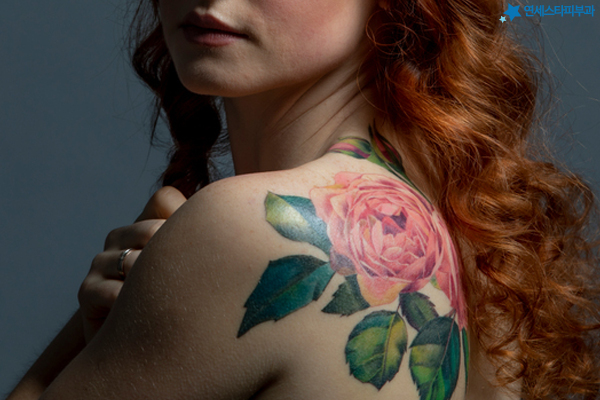
Lowering Pain Allows for Longer Sessions
For areas where treatment time is extended, deciding on the anesthesia method in advance can significantly reduce the burden.
Nitrous oxide anesthesia is a non-sedative method involving the inhalation of oxygen and nitrous oxide. It reduces pain and anxiety while the patient remains conscious, allowing for an immediate return to daily life afterward. This method is approved by the U.S. FDA.
Cooling simultaneously cools the skin in real-time while the laser is being applied, suppressing pain signals. It can be used throughout the procedure, making it particularly advantageous for long sessions.
However, even with the same method, the sensation may vary depending on individual constitution. It is advisable to discuss with the medical staff, considering your health status and the scope of the procedure.
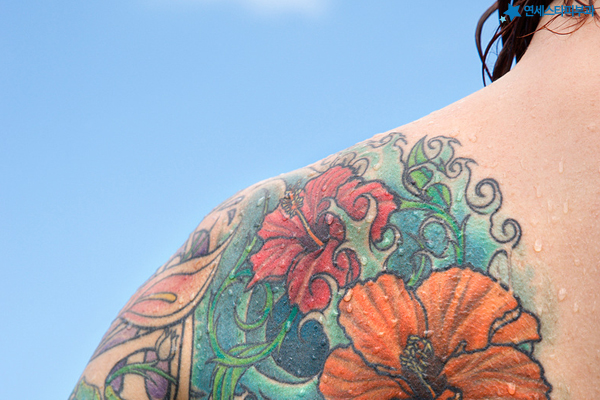
Two Ways to Reduce the Number of Sessions
R-Zero Technique
This method increases the efficiency of a single session without increasing laser intensity. Since large areas tend to prolong the overall duration, improving the per-session outcome leads to a practical reduction in total time. The medical staff will determine the number of applications and method based on skin condition and tattoo characteristics.
PicoWay Laser
PicoWay Laser uses short picosecond pulses to break down pigment particles more finely than nanosecond lasers. It can utilize four different wavelengths, allowing for customized treatment for each color. This is advantageous for shoulder tattoos with many colors, as it reduces skin burden while increasing efficiency.
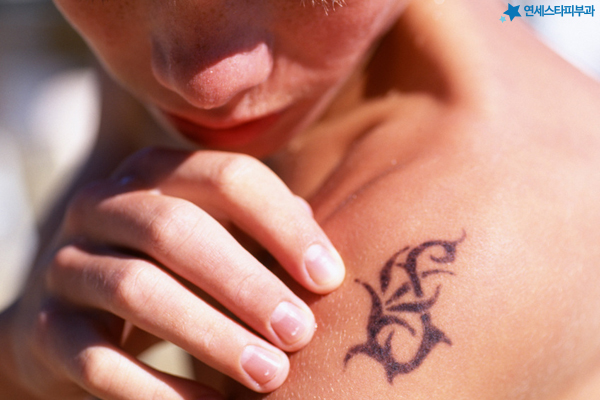
In Summary
Shoulder tattoo removal is not determined by a single device or technique. When three factors work together—pain management to allow for longer sessions, precise treatment for each color with appropriate devices, and techniques to boost per-session efficiency—the overall duration and the risk of side effects are reduced. We recommend checking a consultation for a plan tailored to your tattoo.
Author · Dr. Sang-Joo Lee, Chief Director / Board-Certified Dermatologist As the chief director of Yonsei Star Dermatology Sinchon, Dr. Sang-Joo Lee has extensive experience in tattoo removal and scar treatment. He serves as the president of the Korean Association of Dermatologists in 2026 and an adjunct professor at the Department of Dermatology, Yonsei University College of Medicine. Detailed credentials can be found in his medical staff profile. · Last reviewed on August 24, 2026
This article is intended for general medical information and the number of treatments and results may vary depending on the tattoo's area, color, ink density, and individual skin condition. Please consult with a board-certified dermatologist for an accurate diagnosis and treatment plan.