


Many people ask if they can go to a sauna after receiving tattoo removal laser treatment. To get straight to the point, the criterion is your skin condition on that day, rather than the date.
Reactions that appear on the skin immediately after treatment
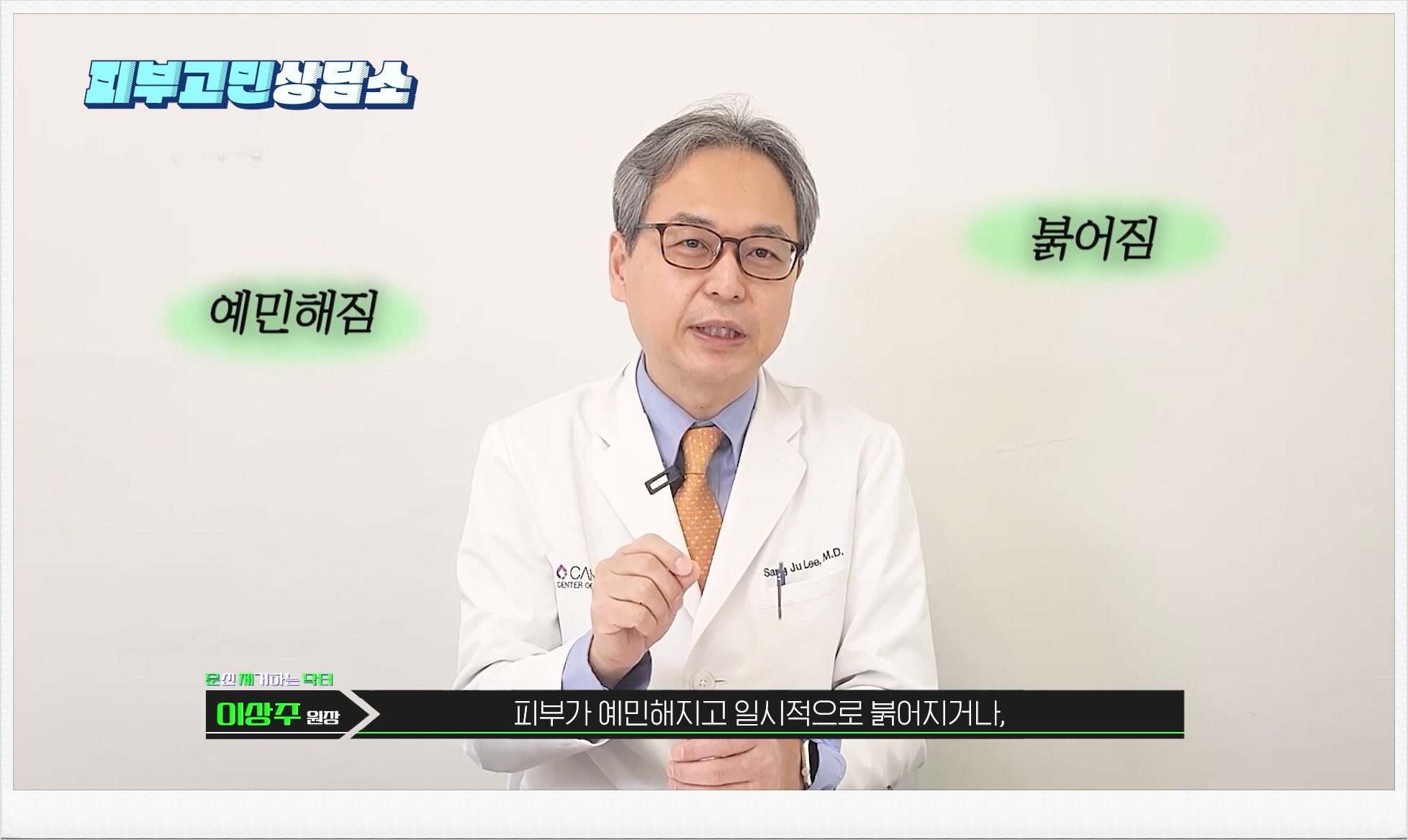
After tattoo removal laser treatment, the skin may temporarily become sensitive, red, swollen, or itchy. In severe cases, there may be oozing.
Time it takes to subside
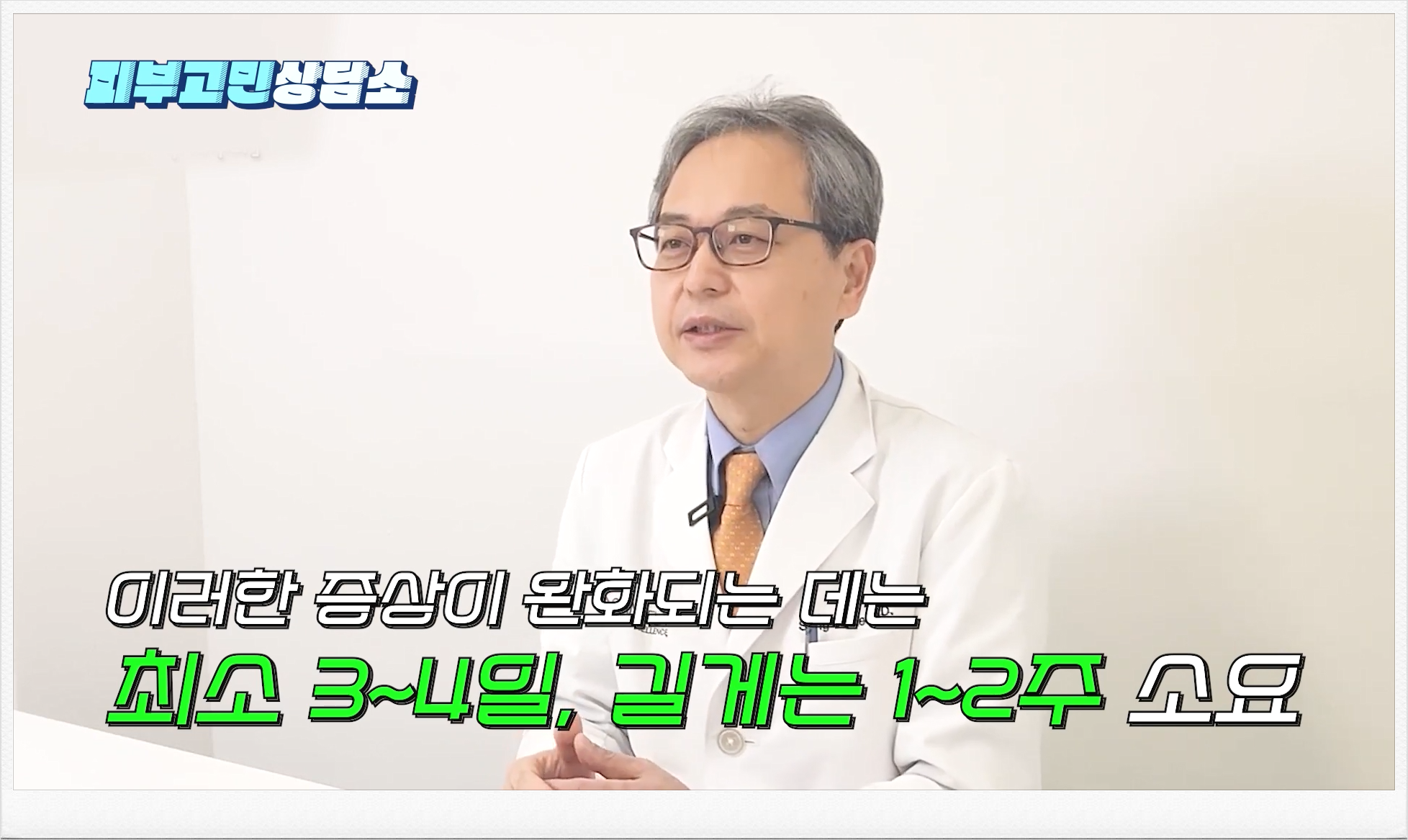
It takes at least 3 to 4 days, and sometimes as long as 1 to 2 weeks, for these symptoms to subside. There may be individual differences in the duration.
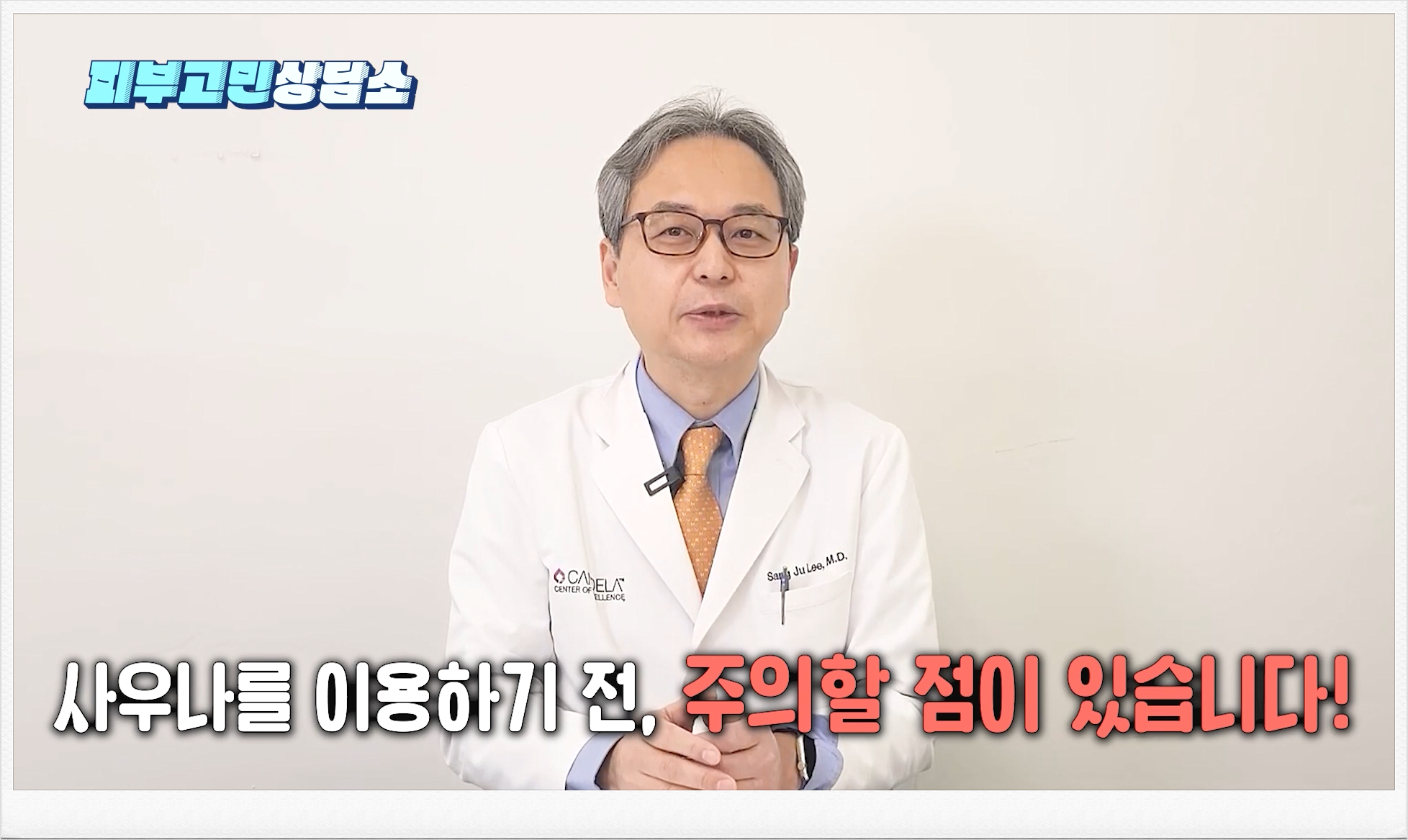
Conditions where you should avoid saunas
There are things you should check before using a sauna. This is about the current condition of your skin.
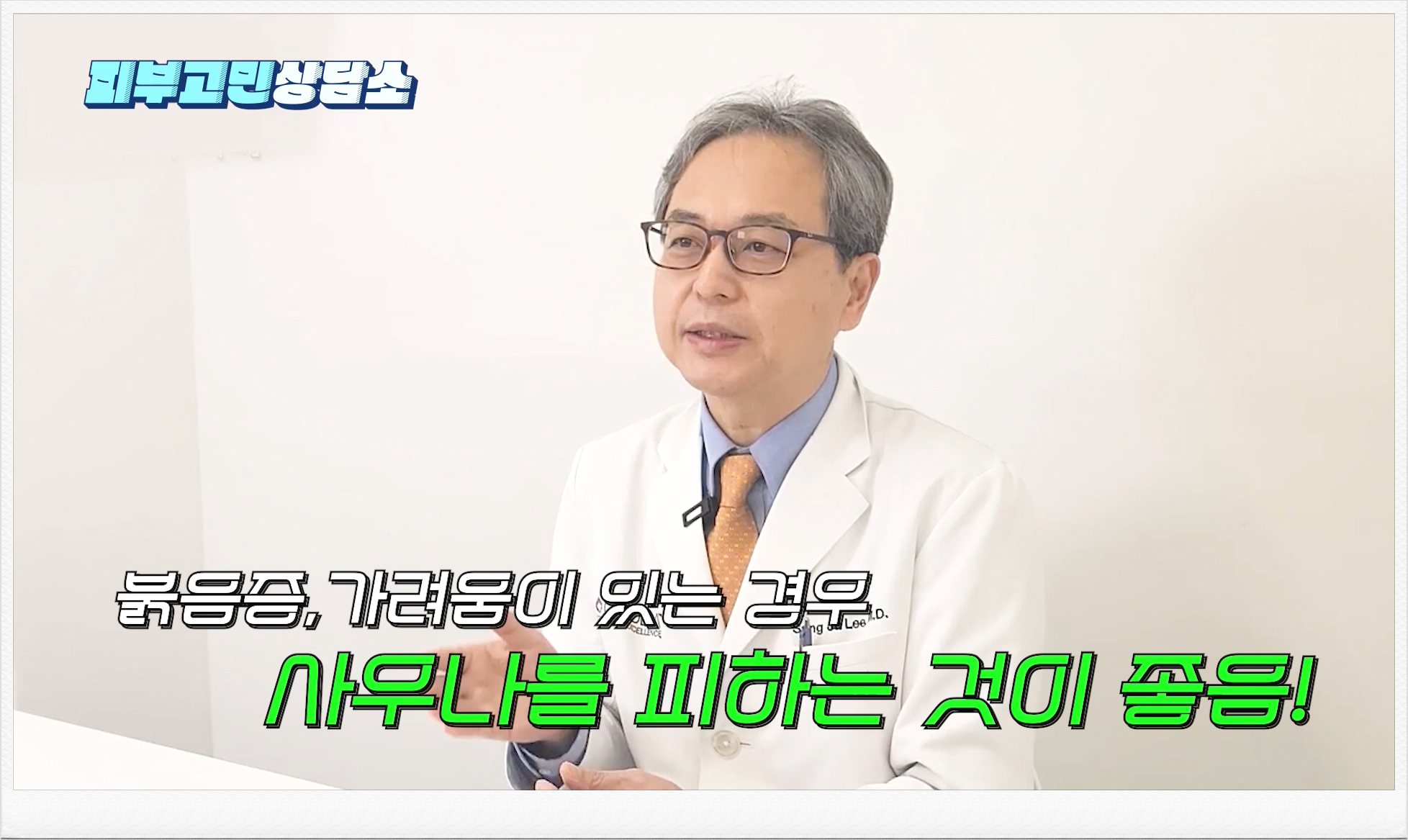
- If redness remains, it is better to avoid saunas.
- If you have itching, it is also better to postpone.
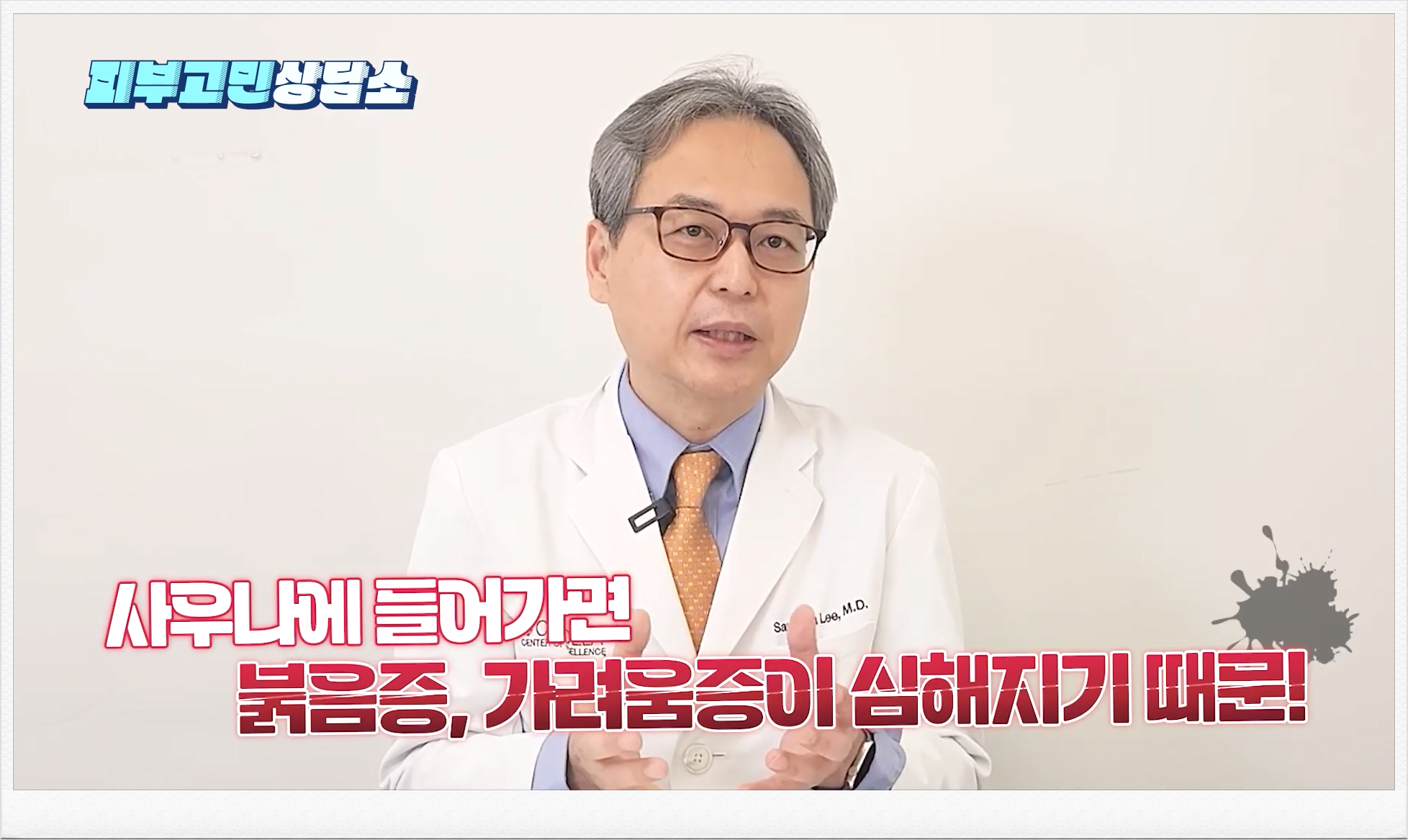
If you enter a sauna, both redness and itching are bound to worsen.
Pigmentation left by sunlight
The first thing to take care of in post-treatment management is to avoid sun exposure. The skin is sensitive after treatment, and exposure to sunlight can worsen itching and redness in that area.
In severe cases, pigmentation may remain, leading to a situation where you need to receive treatment again. You can see how to deal with remaining pigment marks in the Pico·Dual·Gold-Diamond Toning guide.
How to moisturize and wash your face
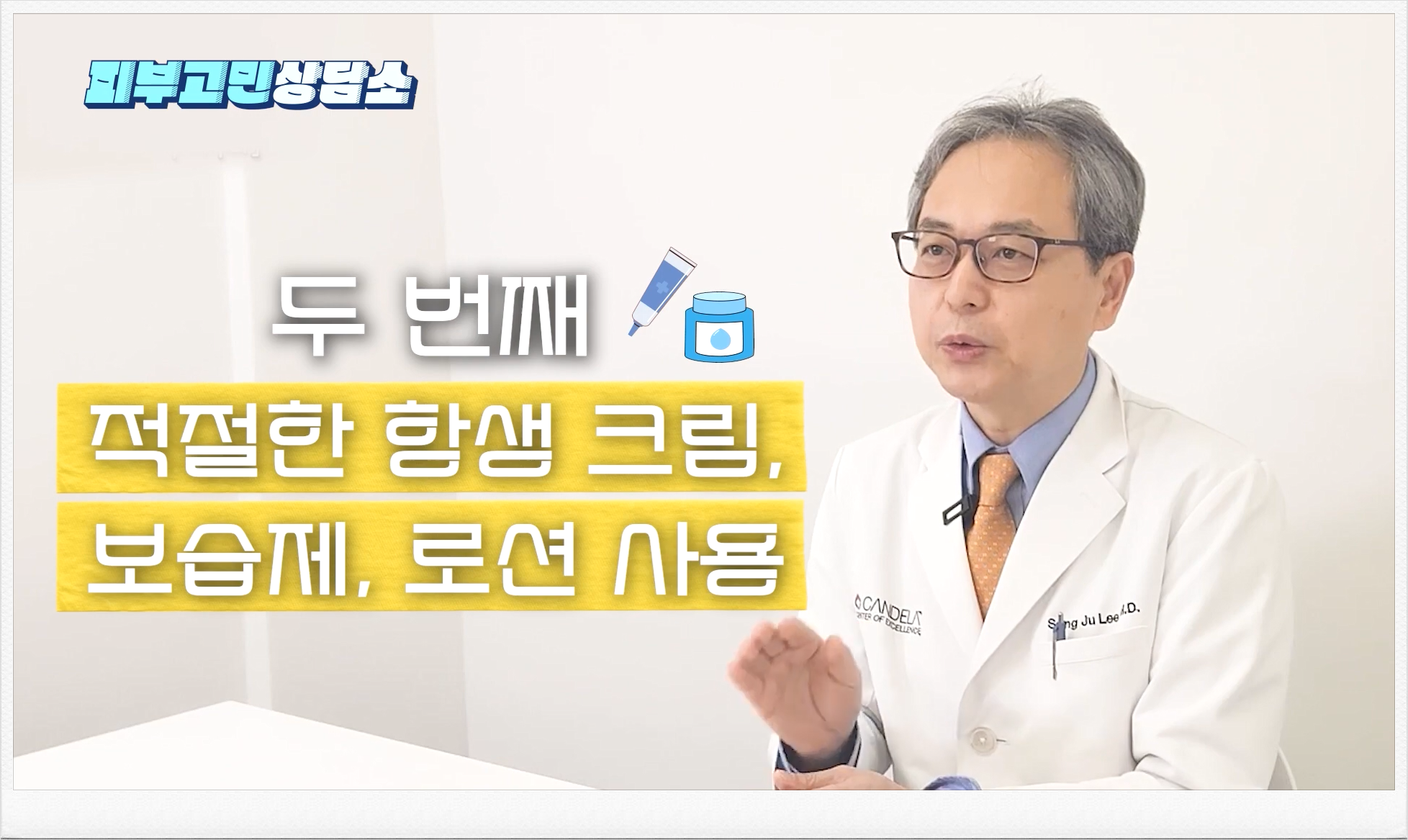
You should keep your skin moisturized and protected by using appropriate antibiotic creams, moisturizers, or lotions. Avoid hot water or irritating environments, and it is better to wash your face with lukewarm water if possible.
| Item | How | Why |
|---|---|---|
| Sunlight | Avoid exposure | Worsening of itching and redness, possibility of pigmentation |
| Sauna | Postpone if there is redness or itching | Symptoms may worsen |
| Moisturizing | Antibiotic cream, moisturizer, lotion | Keep skin moisturized and protected |
| Face wash | Lukewarm water | Avoid hot water and irritating environments |

What is as important as aftercare
Laser tattoo removal is not only about aftercare, but also about who performed it and how. If you are considering removal, we recommend proceeding with an experienced dermatologist.
The overall flow of treatment is summarized in the Tattoo Removal Treatment Guide, and the treatment methods are organized in the R-Zero Pico-Frectat Tattoo Removal Guide. If you have any questions during recovery, please leave them via Chat with us now.

Authored and Medically Reviewed by Dr. Jinmoon Kang, Chief Director (Dermatologist) Severance Hospital Dermatology Resident · Yonsei University College of Medicine Graduate Currently Adjunct Professor, Department of Dermatology, Yonsei University College of Medicine · Member, Korean Society for Aesthetic and Dermatologic Surgery View Medical Staff Profile
First Published 2024-12-16 · Last Reviewed 2026-07-29
This article contains general medical information and does not substitute for individual diagnosis and treatment. Results and recovery progress may vary by individual.