

If you are constantly bothered by dark spots or seborrheic keratosis on your face every time you look in the mirror, that burden is not just a simple cosmetic issue. The first question that usually comes to mind is, "Can it be cleanly removed with one or two laser treatments?" However, lentigo and seborrheic keratosis are pigmentary disorders where the approach varies depending on the depth and thickness of the pigment.
Pigmentary disorders that appear on the epidermis, such as lentigo and seborrheic keratosis, not only cause aesthetic stress but also often become more burdensome as their color deepens or size increases over time. Lentigo, in particular, can be easily confused with melasma or freckles due to its relatively distinct borders. Although these pigmentary disorders are located in the shallow layers of the skin and may seem easy to remove at first glance, it is not uncommon to find it difficult to achieve satisfactory results even after multiple toning treatments.
Deep lentigo and thick seborrheic keratosis that are not easily removed by toning are reported to be pigmentary disorders that require a full-scale treatment approach tailored to the depth of the pigment.
Why is Toning Alone Insufficient for Lentigo and Seborrheic Keratosis?
Lentigo and seborrheic keratosis are often difficult to treat effectively with general laser toning alone. There are two main reasons:
- The pigment is deeply and firmly embedded in the skin, making it difficult to properly break down with low-intensity toning.
- Repeated treatments are often required, leading to increased time and cost burdens, which can make it difficult to maintain consistent care.
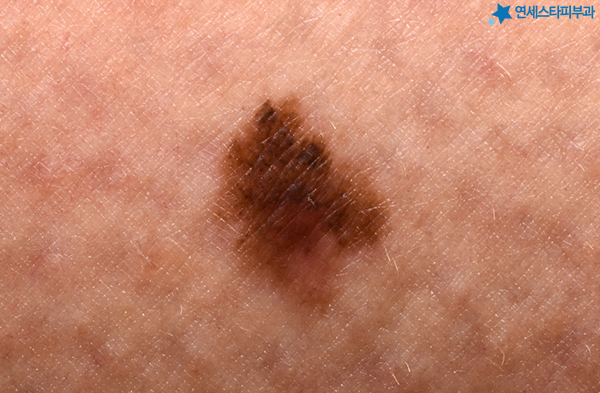
For these reasons, a pigment treatment that takes a full-scale approach, tailored to the depth and concentration of the pigment, may be more effective than simply repeating toning.
Why RePott Laser is Used for Pigmentary Disorders

RePott Laser uses a high-output laser, making efficient treatment possible in a relatively short time with just one or two sessions. As the number of treatment sessions decreases, the burden of skin irritation and recovery time also tends to decrease. However, results may vary individually depending on the condition of the pigment and skin type.
Precision Targeting and Cooling: Advantages from Two Perspectives

The first aspect is precision targeting. The RePott Laser identifies the lesion's location through a handpiece with a built-in camera, aiming for concentrated treatment on the lesion while preserving surrounding healthy skin tissue as much as possible. The technology known as Vasculature Salvage Laser Surgery (VSLS) forms the basis of this precision.

Generally, faint blemishes are difficult to treat, but the RePott Laser can target even minute pigments, which may help improve skin texture. Thick seborrheic keratosis can also be customized according to the pigment's concentration and depth.

The second aspect is the cooling system. Equipped with a high-performance cooling function, it helps reduce pain during the procedure and lowers risks such as vascular rupture or inflammation. Thanks to this, even sensitive or thin skin can consider the procedure with relatively less burden. The pain felt during the actual procedure is often described as "a slight flick of a rubber band," and this can also vary individually.
For inquiries, please contact us via chat for pigment and seborrheic keratosis treatment
Seborrheic Keratosis: The Approach Varies by Shape
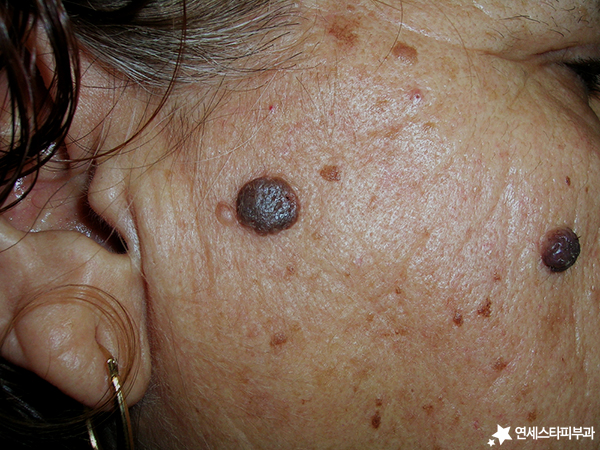
Seborrheic keratosis varies in pigment concentration and shape. If it's a flat type, removal with laser alone is relatively straightforward, but if it's particularly raised, additional procedures such as excising or shaving off the raised lesion may be necessary beyond simple laser removal.
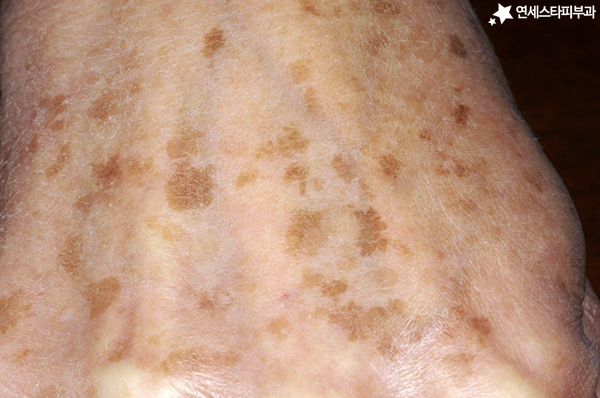
Therefore, additional procedures to flatten the surface are sometimes performed. As such, even for the same seborrheic keratosis, the direction of epidermal pigment removal varies depending on its shape and thickness, making accurate differentiation of the lesion during the diagnosis stage crucial. If lesions resembling warts or syringomas are mixed in, differentiation from Laser Lesion Removal is also necessary.
Pre- and Post-Procedure Care Tips
In the clinic, pre- and post-procedure care often determines the recovery speed and satisfaction as much as the treatment results.
- Before the procedure, avoid sun exposure as much as possible.
- After the procedure, apply sunscreen diligently.
- For 1-2 weeks while the lesion is shedding, refrain from strong scrubs or peels.
- During recovery, use plenty of moisturizer and, if necessary, combine with a calming cream.
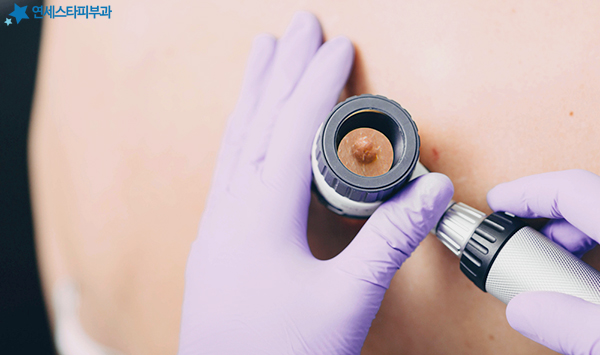
The most important thing is where and by whom you are treated. Simply having the equipment does not guarantee the same results; the expertise of a dermatologist and accurate diagnosis based on the lesion must be combined to expect safer and more satisfactory results.
Things to Check Before Treatment

Before deciding on treatment, checking the following items in advance can be helpful:
| Check Item | Content to Review |
|---|---|
| Equipment Version | Whether the latest version of RePott equipment is available |
| Combination Treatment | Whether combination laser application is possible depending on the lesion's condition |
| Aftercare | Whether post-procedure care, such as regenerative laser and calming management, is systematic |
| Practitioner | Whether direct consultation by a dermatologist is provided |

If you want to quickly and efficiently clear lentigo or seborrheic keratosis, you can consider treatment that combines accurate diagnosis with precise laser irradiation. By approaching based on the depth and shape of the pigment, you can take a step closer to healthier and clearer-looking skin.
For inquiries, please contact us via chat for lentigo and seborrheic keratosis treatment


Chief Director Lee Sang-ju (MD, PhD, Yonsei University College of Medicine and Graduate School; completed dermatology residency at Severance Hospital; President of the Korean Dermatological Association) Chief Director Lee Sang-ju's Profile First published 2025-06-26 / Last reviewed 2026-06-16
This content is for general information purposes only, and treatment effects and recovery patterns may vary individually. We recommend consulting with medical staff for an accurate diagnosis and treatment plan.