

Why Patients Hesitate During the DuoDERM Stage After Lentigo Treatment
Dark lentigo or seborrheic keratosis on the face, once formed, rarely lighten, becoming a constant concern when looking in the mirror. Even after deciding on laser treatment, the most common question we hear is, "Can I tolerate the DuoDERM regeneration patch applied afterward, more than the procedure itself?"
In the previous article, we explained the principle by which RePott Laser treats pigmentary disorders like lentigo, and the process of treatment and management at the clinic. This time, we will focus on the recovery period, specifically the DuoDERM stage, which patients are most curious about after treatment.
Many individuals meticulously combine laser treatment with home care, such as whitening creams and ointments, to erase lentigo or seborrheic keratosis. Nevertheless, it's not uncommon to feel frustrated when the pigment spreads rapidly, darkens further, or the number of lesions doesn't seem to decrease.
Why RePott Laser Can Offer Fewer Sessions
A common difficulty in treating pigment with lasers is that it's not easy to complete in a short period. Since improvement often occurs gradually over multiple consistent sessions, there can be times when patients wonder, "Is it really fading well?"

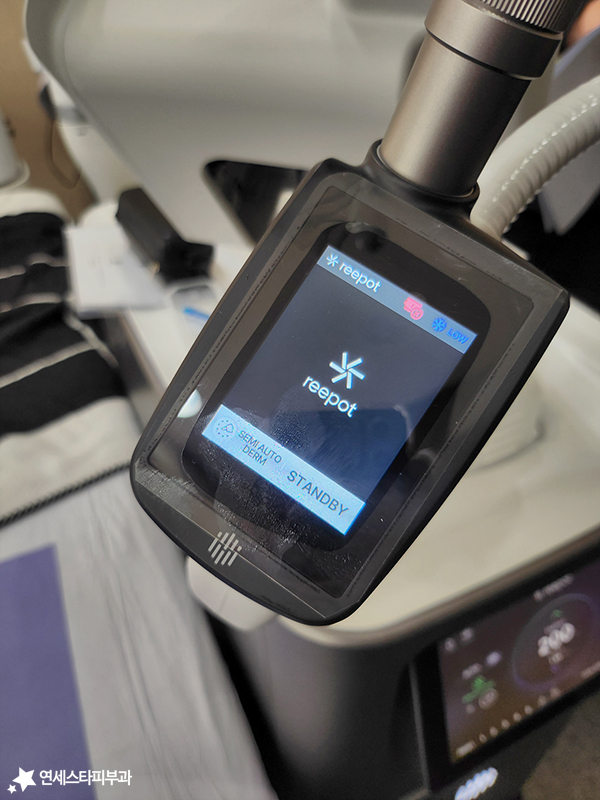
RePott Laser is known as a device with a strong advantage in treating lesions in a relatively short period without repeated procedures. Its biggest feature is its ability to address dull pigment with fewer sessions. However, the treatment process involves one important step: managing the treated area with a regeneration patch like DuoDERM for about 2 weeks.
The 2-Week Regeneration Patch: What is it For?
Because the procedure involves irradiating the skin with strong light, the skin immediately after treatment is weaker than usual. This 2-week period is approximately how long it takes to protect the treated area from external stimuli, reduce the risk of infection, and aid in regeneration and recovery.

It is reported that the satisfaction with lentigo treatment results can vary depending on how well the recovery period is maintained and managed.
We always emphasize to patients that how they spend this period can make a difference in the results. However, some patients feel burdened by the idea of wearing DuoDERM for two weeks before the procedure.
Can I Not Get the Procedure if I Have a Patch Allergy?
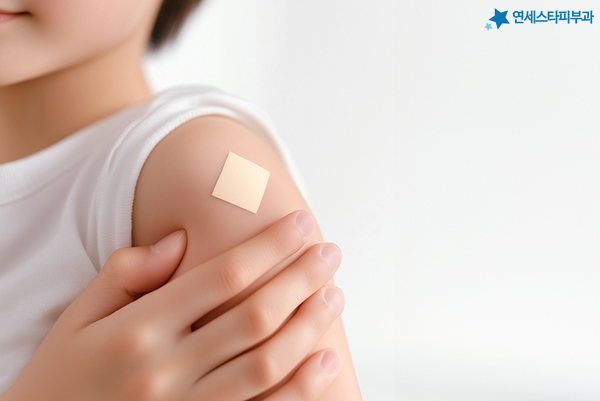
Patients with allergic reactions to regeneration patches often worry, "Will I not be able to receive treatment?" or "Will I see less effect than others?" In such cases, it is most important to thoroughly explain your skin condition during the pre-procedure consultation.
Here are some important points to check and confirm during the consultation stage:
- Have you ever experienced an allergic reaction to DuoDERM or medical tape?
- Do you have a history of skin conditions such as contact dermatitis?
- Is your skin usually sensitive or prone to redness?
- Are you taking any medications or undergoing other skin treatments?

If you have contact dermatitis, not just a simple allergy, you may experience discomfort during the DuoDERM stage after RePott Laser. When the skin comes into contact with external foreign substances, it can be more irritated than others, quickly becoming red, itchy, or painful. This is a common complaint among those with sensitive skin.
If you have any questions, contact us for a chat consultation regarding RePott Laser recovery management
What to Do if Discomfort Persists
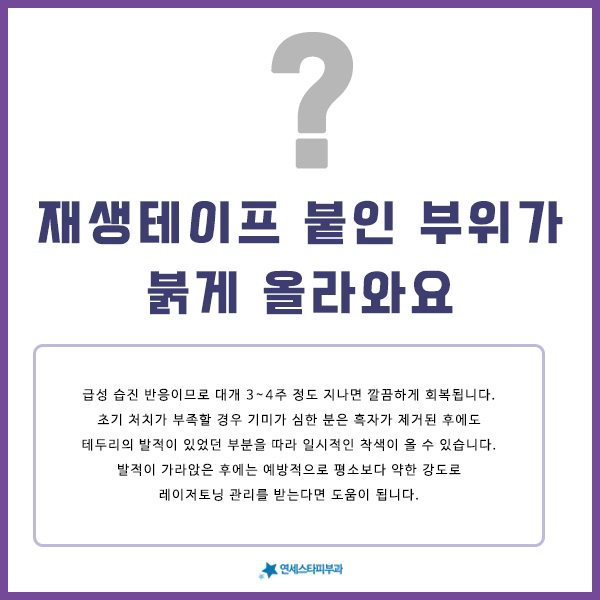
Since the skin is weakened immediately after laser treatment, it may be better to aid rapid recovery with a regeneration patch. However, if discomfort persists, such as continuous pain or worsening redness in the treated area, even before the 2 weeks are up, it is safer to contact the clinic promptly and visit to receive appropriate measures and additional care.
In the examination room, we often observe that patients who communicate even small changes during the recovery period tend to have a more comfortable 2-week experience overall.

Utilizing DuoDERM According to the Situation
When skin is wounded, regeneration patches like DuoDERM are commonly used to protect the affected area. While widely used as a management item that helps speed up recovery and reduce side effects like secondary infections, it is important to use it appropriately depending on the individual and situation. Since lentigo and seborrheic keratosis are known to be difficult to treat, it's good to remember that recovery management is as crucial a variable as the procedure itself in determining the outcome.
If this is your first time with pigment treatment, start by learning about Epidermal Pigment Removal treatment. If you're curious about the principles of RePott Laser, also check out RePott Laser treatment in detail. If you're concerned about dull seborrheic keratosis, learning about epidermal pigment symptoms like seborrheic keratosis can also be helpful.

Today, we've summarized the important aspects of recovery care when treating pigmentary lesions like lentigo and seborrheic keratosis with RePott Laser. By thoroughly checking your skin condition and undergoing sufficient consultation before the procedure, you can have a safer recovery process. We will continue to provide information that patients may be curious about regarding RePott Laser.
If you want to confirm in advance whether DuoDERM management is possible for your skin condition, feel free to ask below.
💬 Chat NowChief Director Lee Sang-joo (MD, PhD, Yonsei University College of Medicine and Graduate School, Dermatology Resident at Severance Hospital, President of the Korean Dermatological Association) Chief Director Lee Sang-joo's Profile First Published 2025-01-23 / Last Reviewed 2026-06-16
Treatment response and recovery patterns may vary by individual, so accurate diagnosis and decision on treatment should always be made through consultation with medical staff.