

If a red, firm, raised mark remains even after a wound has healed, it might not be a simple scar but a keloid. The first question that often comes to mind is, "Why doesn't it fade over time?" However, keloids are not scars that subside on their own; they are a condition where the tissue itself has overgrown, requiring an active treatment approach.
Why Do Keloids Grow Larger if Left Untreated?
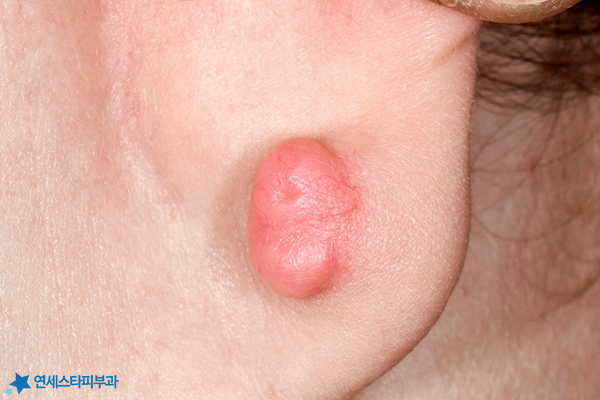
Keloids are scars that abnormally swell due to excessive collagen production during the skin's healing process after damage. They are characterized by spreading beyond their boundaries, seemingly invading the surrounding healthy skin, and can cause daily discomfort with accompanying itching or pain.

The problem is that time is not a cure. Simply treating the skin's surface is not enough; the deformed keloid scar tissue deeply embedded in the dermis must also be addressed. Therefore, starting treatment early is paramount.
The Role of Lasers

This is where keloid lasers come in. The key is to precisely refine the overgrown tissue and induce skin regeneration. You can understand this as the stage where the scar's structure itself is gently loosened.
Keloid treatment is not about "eliminating" the scar, but requires a delicate approach tailored to the skin type and scar condition.
In the examination room, even with the same keloid, the height, redness, and firmness vary from person to person. Therefore, the type and intensity of the laser are not uniformly set but adjusted according to the scar's condition.
Why Use Lasers and Injections Together?
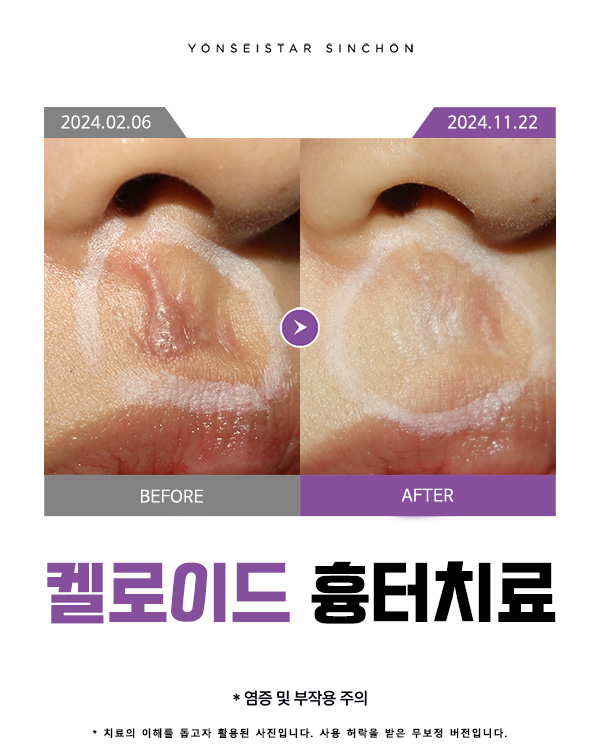
When laser and injection treatments are performed together for keloids, better results can be expected than with either treatment alone. This is because the two treatments support each other's effects.

As the laser softens the scar tissue, the injection components can penetrate better, suppressing excessive collagen production. The principle is that Triamcinolone Scar Injection (steroid injection) calms inflammation, and the laser refines the structure, then prevents recurrence.
Here's a brief summary of why combined treatment is necessary:
- Laser loosens hard tissue to aid absorption of injection components.
- Injection suppresses inflammation and collagen overgrowth simultaneously.
- Prevents the scar from becoming firm again.
- May help maintain effects longer than a single treatment.
Limitations of Injection-Only Treatment
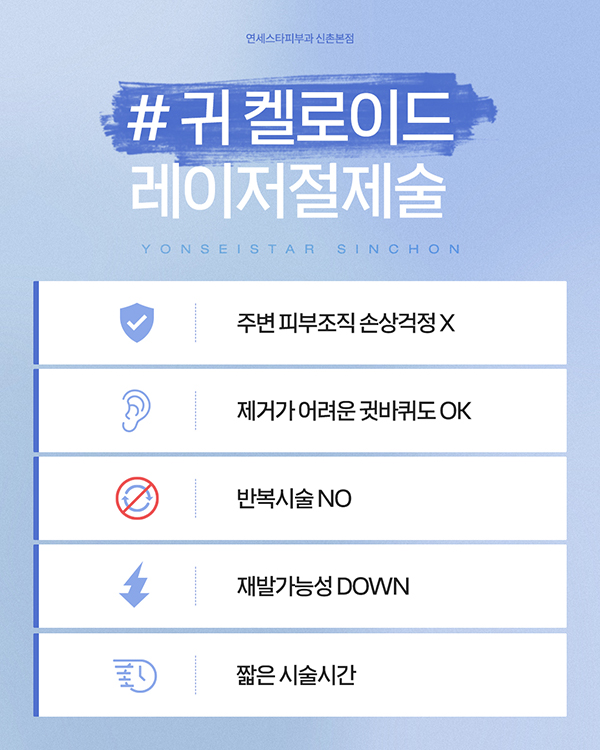
Injection treatment can relatively quickly reduce the height of the scar. However, with single treatment alone, the maintenance period is often not long enough, leading to the inconvenience of frequent procedures.
The pain experienced during the procedure can also be a burden, leading many to stop treatment midway and live with the raised symptoms. This is why both effectiveness and burden must be considered.
| Treatment Method | Characteristics | Considerations |
|---|---|---|
| Injection Only | Quickly reduces scar height | Short maintenance period, requires repeated procedures |
| Laser Only | Refines tissue structure | Needs supplementation for overgrowth suppression |
| Laser + Injection Combined | Refines structure and suppresses recurrence | Requires design tailored to scar condition |
If you have any questions, you can easily check them through chat consultation about keloid treatment directions.
Advantages of Combined Treatment


Combining both laser and injection can help prevent the scar from becoming firm again, reduce the possibility of recurrence, and maintain the treatment effect for a longer period. Recently, low-pain injection methods have been applied, enabling more comfortable and efficient treatment.
When choosing a clinic, checking in advance if such low-pain methods are available can significantly reduce the burden of the treatment process. However, it is good to remember that there may be individual differences in treatment response and maintenance period.
Things to Check Before Treatment
We recommend checking the following before deciding on keloid treatment:
- Record the degree of scar elevation, redness, and presence of itching.
- Organize past scar treatment history and responses.
- Schedule a consultation with a dermatologist specializing in keloid treatment.
- If you are sensitive to pain, check if low-pain injection methods are applied.
Excessive stimulation or using a laser not suited to the scar's condition can worsen the scar. Therefore, it is advisable to proceed in consultation with a dermatologist who has extensive experience in keloid laser treatment.
Rather than worrying alone about persistent marks, we recommend discussing the direction of combined laser and injection treatment with a specialist.
💬 Consult Now
Keloid Laser Treatment Consultation Yonsei Star Dermatology Sinchon


Chief Director Lee Sang-joo (MD, PhD, Yonsei University College of Medicine and Graduate School, completed dermatology residency at Severance Hospital, President of the Korean Dermatological Association) Chief Director Lee Sang-joo's Profile First Published 2025-10-28 / Last Reviewed 2026-06-16 Treatment response and maintenance period for keloids may vary by individual, so please consult with medical staff for an accurate diagnosis and treatment plan.