

Shingles is a neurological disease characterized by vesicular rashes and blisters along the nerves, accompanied by severe pain. Even after the symptoms subside, traces can remain on the skin, and the most common question we hear is, "Can existing shingles scars be lightened?" To answer directly, gradual improvement is reported with laser treatment tailored to the scar's shape and depth.
Why are Shingles Scars so Uneven?
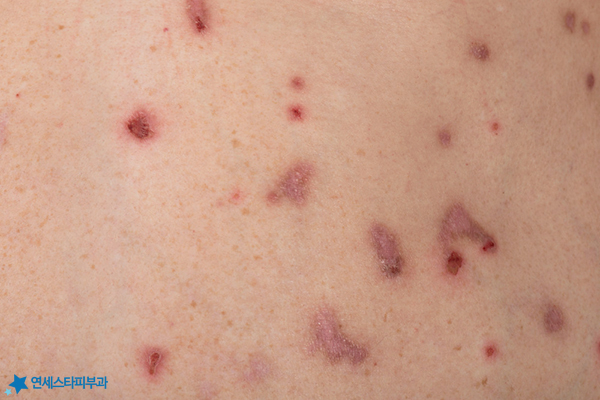
Shingles scars have an uneven surface and an irregular shape, and are relatively large. This is because severe scratching of blisters or secondary infection within the blisters can damage deep layers of the skin. If marks are left on noticeable areas like the face, it can be difficult to cover them with makeup, leading to significant stress.
Scars that have deeply settled once are difficult to disappear naturally, and traces can remain for a long time. Therefore, management during the onset stage and appropriate treatment afterward are both important.

From Rash to Scab, How Does Recovery Progress?
Rashes do not appear immediately upon infection. Typically, rashes gradually emerge after about 2-3 days, and after about a week, they turn into scabs. It takes approximately two weeks to a month for them to completely subside, so please be careful not to irritate the skin during this period.

To Reduce Scars, Start with Onset Management
Shingles often develops when immunity is weakened. Restoring your condition and avoiding touching the skin during recovery is the first step to reducing scars.
- Restore immune condition with sufficient sleep and nutrition
- Reduce irritation from scratching or touching, even if itchy or painful
- Never pop blisters; let them disappear naturally
- Do not forcibly remove scabs if they form
- Get sufficient rest during recovery instead of strenuous activities

If you constantly irritate your skin due to itching or pain, there is a higher chance of scars remaining in noticeable areas like the face. Even if blisters form, it is most important to manage them well without popping them and to get adequate rest. If you have similar concerns, you can receive guidance tailored to your condition by inquiring about scar treatment options via chat.
If Redness and Discoloration Remain
While recovery gradually occurs 1-2 weeks after onset, deep scars or discolored marks can persist in the affected area. If redness continues for a long time, there is a method to improve the color with a vascular laser (Vbeam Prima). This approach is similar to that used for facial redness, which can cause confusion, but the redness of scars is treated differently as it addresses vascular reactions remaining in the damaged area.
For Firmly Settled Scars, Regeneration Laser
If the uneven shape has hardened and the facial shingles scar is severe, laser treatment to boost skin regeneration is needed. One representative device is Ultrapulse Encore. It promotes the creation of new collagen in skin tissue, helping to release adhesions and refine uneven skin texture, with reported effects of fading shingles scars.
In the clinic, even with the same shingles scars, their size, depth, and shape vary, so a single approach is not sufficient. The different approaches based on scar type are summarized below.
| Scar Condition | Main Characteristics | Considered Treatment Approach |
|---|---|---|
| Persistent redness/discoloration | Primarily pigment and vascular reactions | Vbeam Prima vascular laser |
| Firm and uneven scars | Deep and adherent tissue | Ultrapulse Encore regeneration laser |
| Deep and wide depressed/complex scars | Cases with significant surface damage | Combined approaches such as Surgical Scar Revision |
Shingles scars are similar in nature to deep scars like cosmetic surgery scars or burn scars, so a phased approach considering the condition is often better than a single treatment.

Even Old Scars Are Not Too Late
Once a scar has formed, natural healing is difficult to expect, and traces can remain for a long time, often leading to significant stress. The best method is to avoid artificially picking or popping blisters during the onset stage, and if scars have already settled, gradual improvement can be expected with laser treatment tailored to the condition. Even if the scars are quite old, you do not need to worry too much.
Even for the same shingles scars, differences in size, depth, and shape mean that designing treatment considering various situations can lead to different results. We recommend consulting a place where scar treatment can be safely performed, taking into account the patient's age, skin condition, physical strength, and overall condition.

If you are curious about what type of scar you have or what treatment is right for you, feel free to ask below.
💬 Consult Now
Chief Director Lee Sang-joo (MD, PhD, Yonsei University College of Medicine and Graduate School, completed dermatology residency at Severance Hospital, President of the Korean Dermatological Association) Chief Director Lee Sang-joo's Profile First published 2025-04-23 / Last reviewed 2026-06-16 This article is for general information purposes, and the appearance of scars and treatment response may vary individually. Please confirm an accurate diagnosis and treatment plan through consultation with medical staff.