
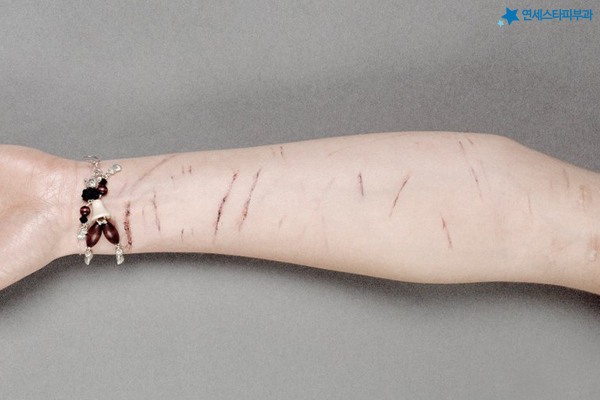
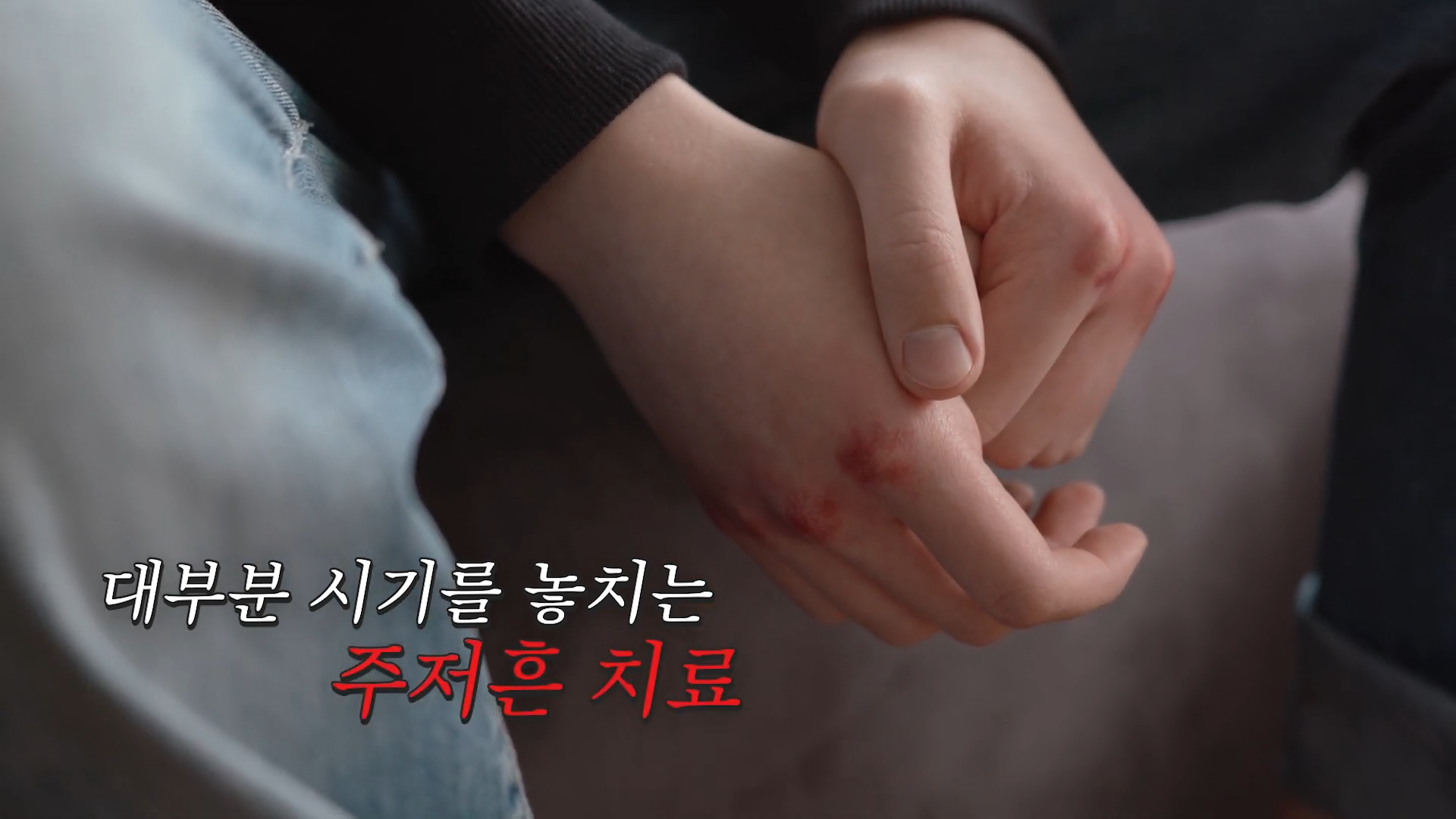
If you've decided to erase the traces of difficult times left on your skin and start anew, that in itself is already a significant change. In the case of self-harm scars, often called 'hesitation marks,' there's generally a reluctance to seek treatment due to societal perceptions. As a result, many do not receive proper treatment at an appropriate time. Even if scars have already formed, active treatment tailored to the situation can significantly improve them to the point where they are barely noticeable. Therefore, we recommend consulting with a specialist to create a treatment plan rather than hiding them alone. It's not too late.
First Steps When a Wound Occurs
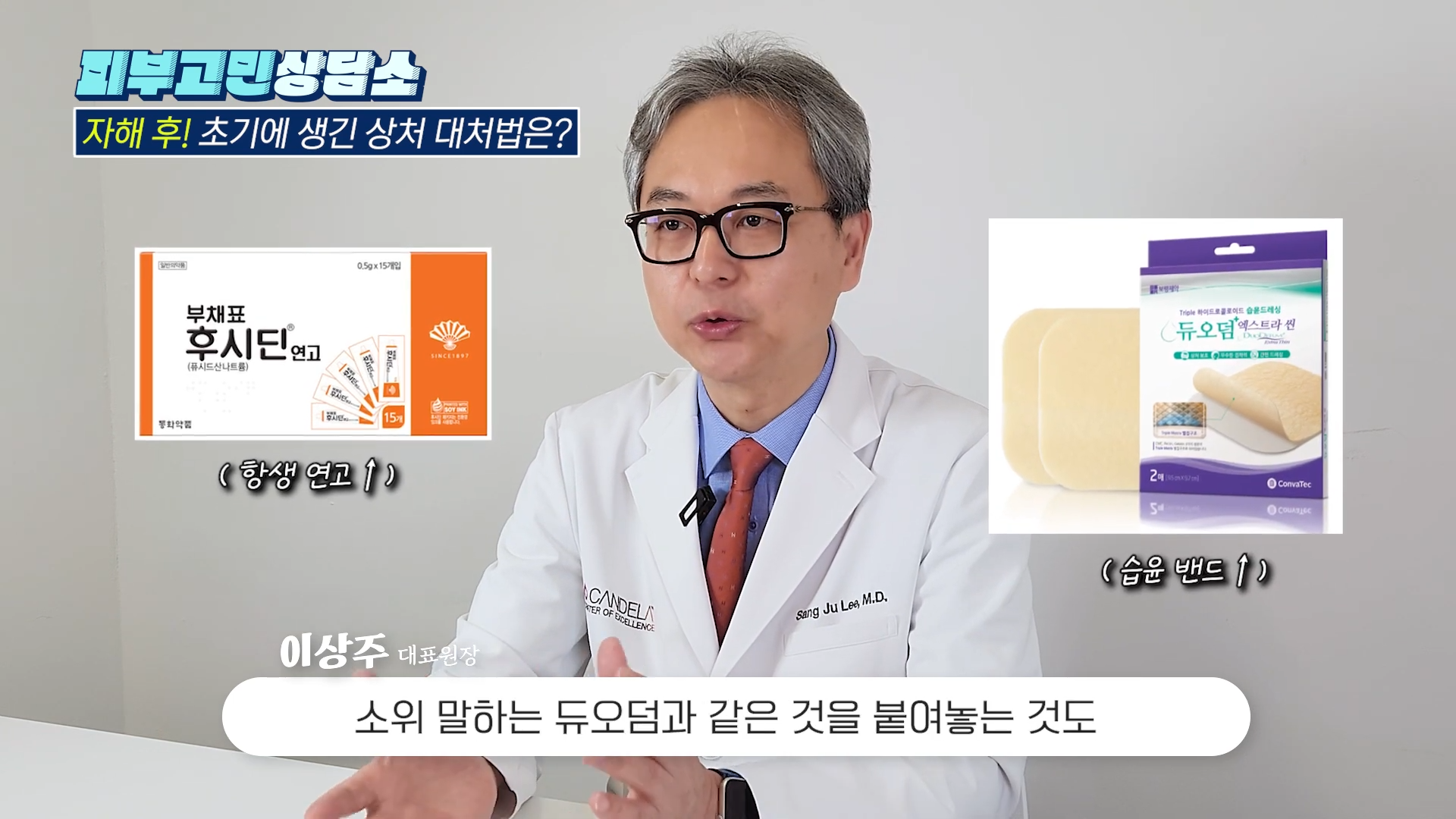
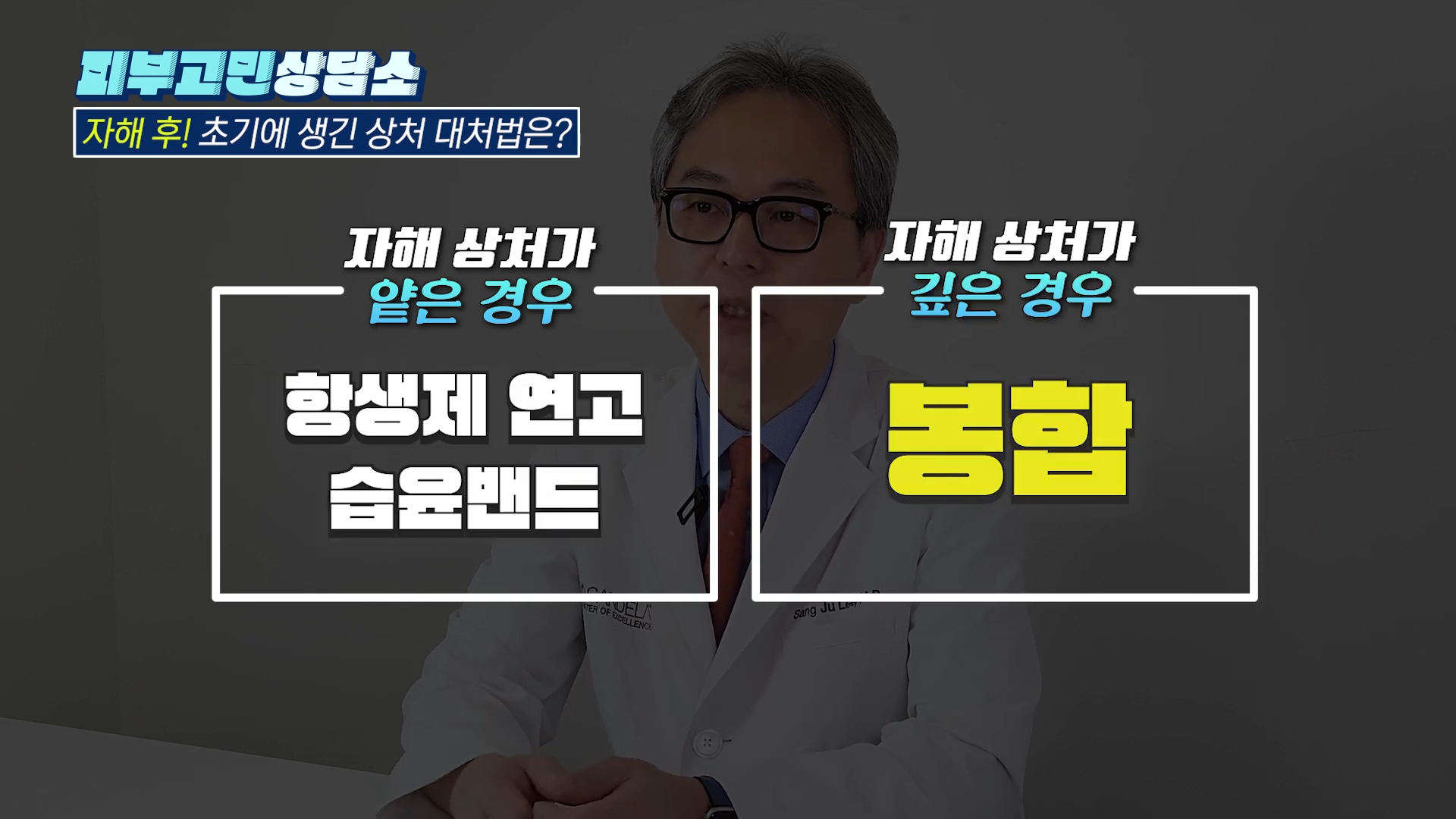
After self-harm, wounds will naturally form. The very first thing to do is to prevent secondary bacterial infection. It is helpful to thoroughly disinfect the wound area and apply an antibiotic ointment if infection is a concern. If the wound is relatively shallow, it is advisable to apply a moist dressing like DuoDERM to protect it from the external environment and maintain a favorable healing environment.
However, if the wound is deep or bleeding is severe, sutures may be necessary, so it is crucial to visit a nearby dermatology clinic or surgical department for appropriate treatment. Proper wound healing is the most important first step, even more so than preventing scars.
There is a Golden Time for Treatment
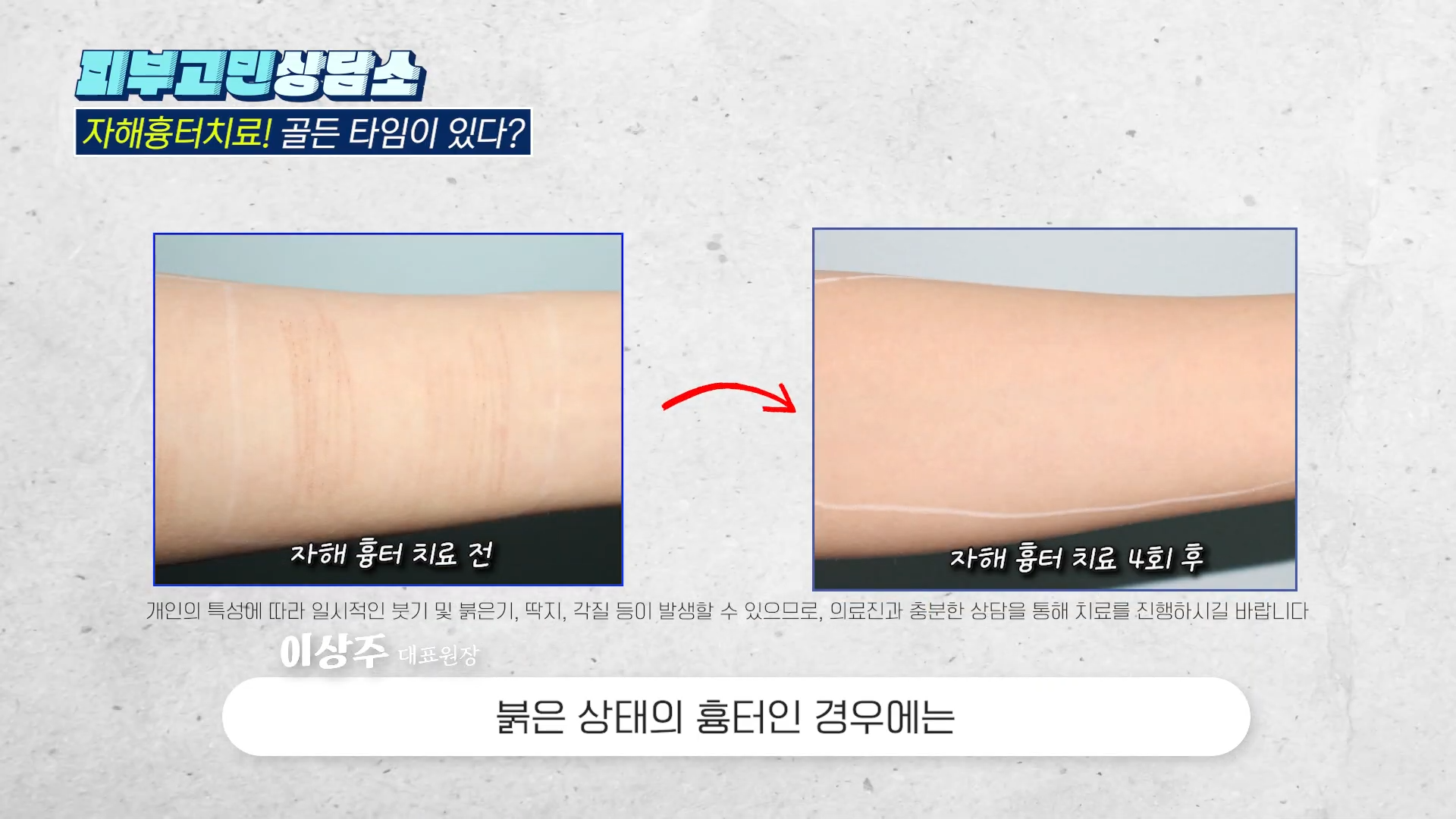
Like other scars, hesitation marks also have a golden time for treatment. If the scar is still in the early, red stage after the wound has healed, this is a period of active treatment response, and starting treatment as early as possible may be more advantageous.
The reason scars appear red in the early stage is due to an overreaction of blood vessels around the irritated skin. Approaching treatment with vascular lasers such as Vbeam Prima during this period can help prevent the scar from turning white over time and may lead to relatively faster treatment effects.
Even if the scar has already settled into a white mark, there is no need to give up. However, it is good to understand in advance that the older the scar, the longer the treatment period may be.
Why Use Lasers Instead of Surgery
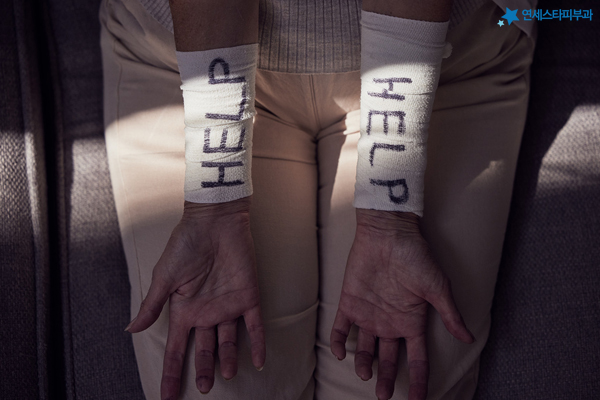
Before the development of lasers, surgical excision was the only option for treating hesitation marks. Surgery might involve zigzag suturing for a single scar or skin grafting for multiple scars. However, after treatment, new scars could become more noticeable, or marks from the grafted area might remain, often leading to unsatisfactory cosmetic results.
Given the characteristics of hesitation marks—thin, highly mobile skin areas like the wrist, and multiple overlapping linear scars—a laser-based approach is increasingly used because it can treat without creating additional scar marks.
What is the Pinhole Technique
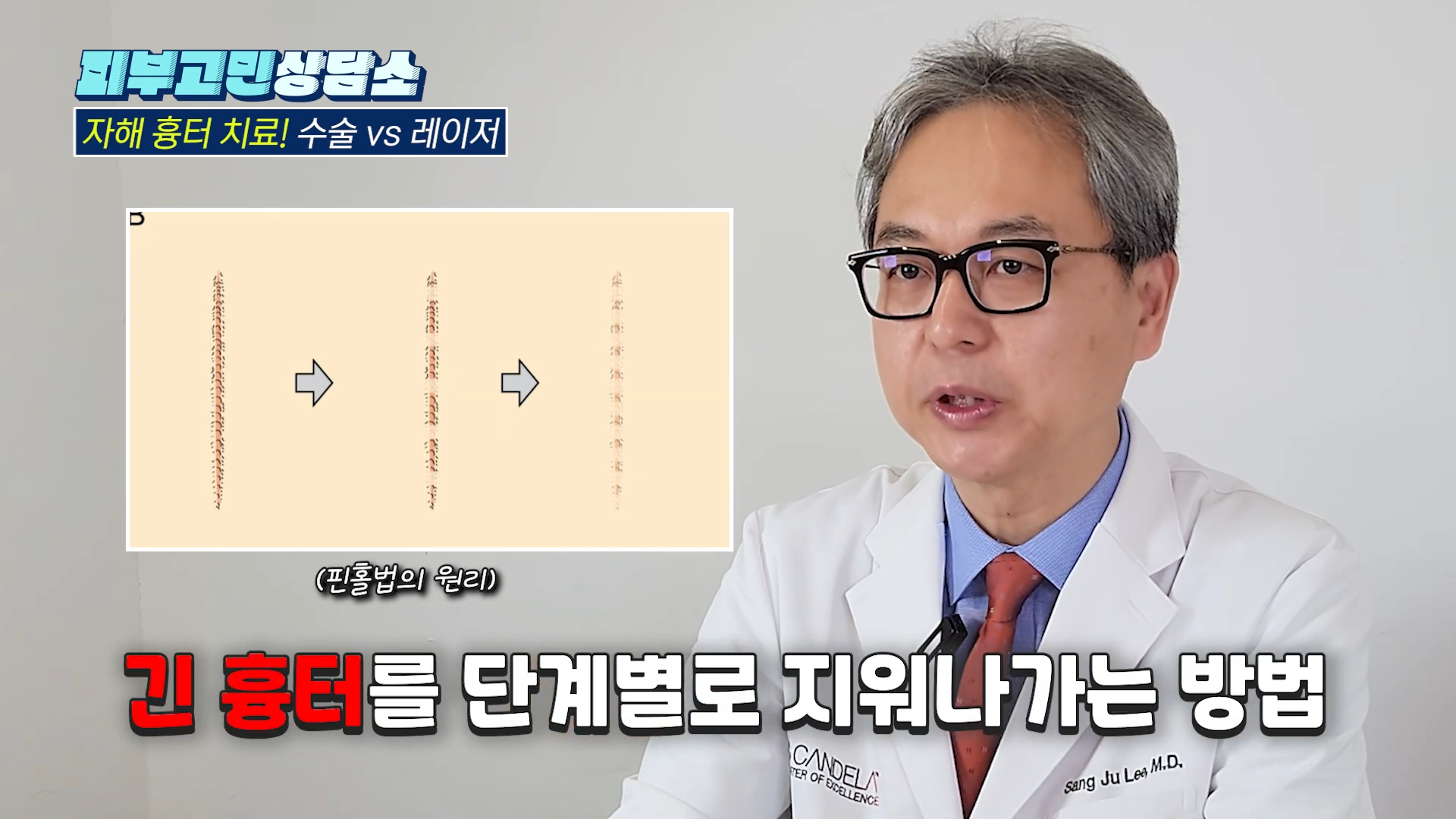
The Pinhole Technique is currently the most widely used laser method for treating hesitation marks. It uses a CO₂ laser to create deep, dense micro-holes on the scar surface, which helps to relax clumped and tangled fibrous tissue and induce skin regeneration. This method gradually erases long linear scars, and its key advantage is that it can approach treatment without cutting the skin or creating new scars, unlike surgery.
Ultrapulse Alpha is a representative device used in the Pinhole Technique. As an upgraded model of the existing Ultrapulse Encore, it can precisely target scar tissue with a fine laser beam of approximately 0.2mm, allowing treatment even in narrow and complex areas like the wrist while minimizing damage to surrounding healthy skin.
Combined Treatment Depending on Condition
Red Scars (Vbeam Prima) If the scar is still in the early, red stage, it may be helpful to use the Vbeam Prima vascular laser before the Pinhole Technique. The laser's wavelength selectively acts on hemoglobin in the blood vessels, organizing overreactive vessels and reducing redness. Approaching treatment quickly during the red stage is advantageous in reducing the scar from hardening into a white mark.
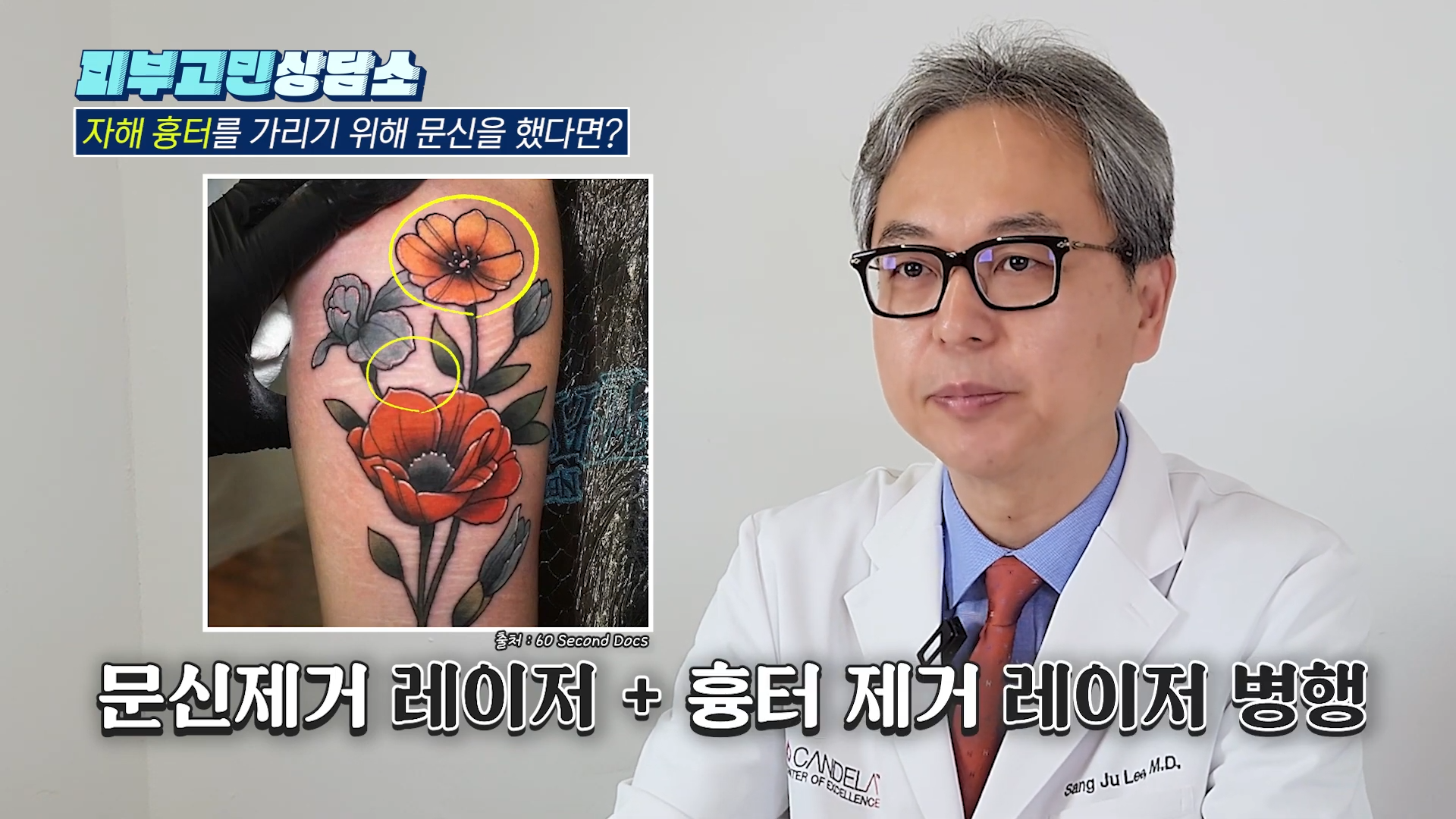
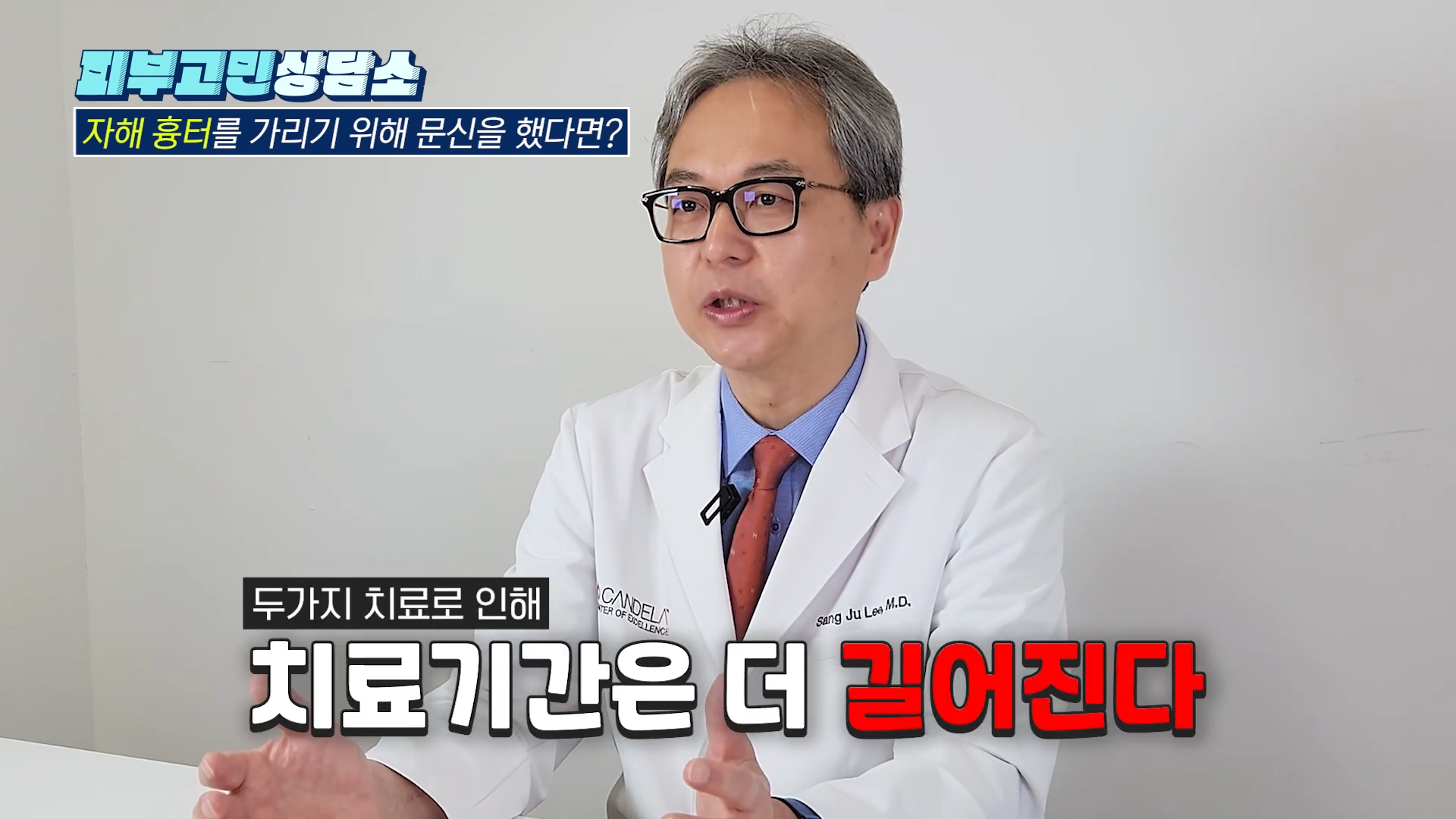
If Covered by Tattoo Sometimes, hesitation marks are covered with tattoos, but tattoos often do not completely hide the linear marks of the scar. In such cases, a combined approach using a PicoWay Laser to remove the tattoo and a laser to treat the scar can address both issues. However, combining two treatments may extend the overall treatment period.

[Yonsei Star Dermatology Sinchon] It can also be helpful to combine scar removal with counseling from a mental health specialist. Hesitation marks often appear in noticeable areas, causing significant daily discomfort, but using the Pinhole Technique and regenerative lasers can lead to gradual improvement without additional scarring. Since the treatment method varies depending on the scar's color, depth, and age, we recommend consulting thoroughly with a dermatologist experienced in scar treatment to create a treatment plan suitable for your condition.

In Summary
Since the approach varies depending on the timing and form of the scar, we recommend consulting to establish a plan tailored to your condition.
Author · Chief Director Lee Sang-joo (Dermatologist) Chief Director of Yonsei Star Dermatology Sinchon, specializing in pigment and scar treatment for many years. He will serve as the President of the Korean Dermatological Association in 2026 and is an adjunct professor at the Department of Dermatology, Yonsei University College of Medicine. His clinical history can be found in his profile. · Last reviewed August 6, 2026
This article provides general medical information, and treatment methods and results may vary depending on the condition of self-harm scars and individual skin characteristics. For an accurate diagnosis and treatment plan, please consult with a dermatologist.