

Many people are bothered by marks left on their skin after having a lesion removed from their face. Even if a lesion itself doesn't significantly affect health, it's often removed for cosmetic reasons. The first question that comes to mind is, "Why do scars remain after removing a lesion?" The conclusion is that lesions often extend deeper into the skin than they appear, and if the dermis is stimulated during the removal process, it can lead to marks depending on the healing method.
Why are lesions often deeper than expected?
Looking only at the visible part of a lesion, it might seem like it's thinly attached to the surface. However, in reality, pigment cells often extend deep into the dermal layer of the skin. Therefore, during the removal process, not only is the skin surface treated, but the dermal layer is also stimulated, which can cause wounds.
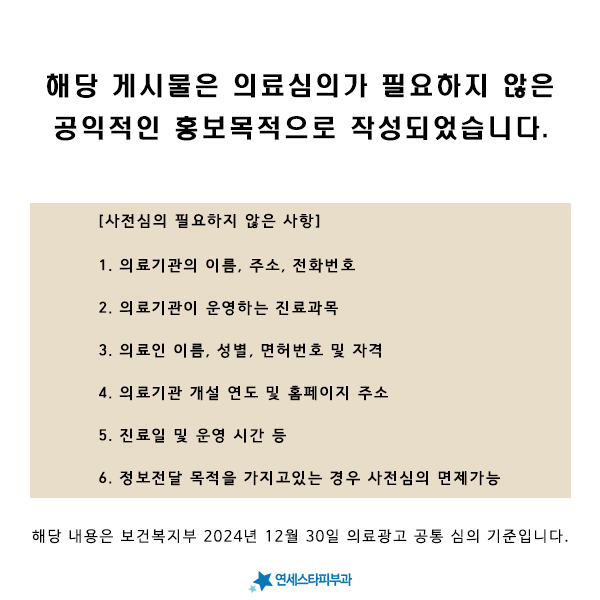
The way skin heals can lead to different results even with the same procedure. Some people have almost no trace left, while others develop marks such as hyperpigmentation, redness, or depressed scars. These differences are less about a faulty procedure and more about the natural outcome due to individual skin types and healing capabilities.
What do post-lesion removal scars look like?

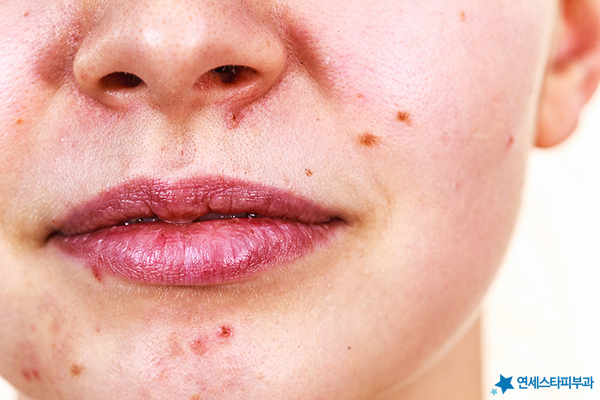
The marks left after removing a lesion are not limited to one shape. Depending on skin type, healing ability, and removal method, they can appear in various forms, such as:
- Redness that appears prominently in the early stages
- Hyperpigmentation that darkens to brown over time
- Conversely, hypopigmented marks that appear as white spots due to loss of color
- Depressed scars that look slightly sunken
- Rarely, hypertrophic marks that appear as raised skin

Initially, redness may be present, which can then turn brown over time, or conversely, the color may fade, appearing as white spots. While some cases naturally lighten over time, if they persist for several months or remain distinctly visible, more active treatment may be considered. If you have similar concerns, reviewing the process of cosmetic surgery scar formation or the characteristics of depressed scars may help you understand.
If a mark left after removing a lesion does not lighten for several months and becomes distinct, it is reported that considering treatment at an appropriate time, rather than leaving it as is, is more beneficial for recovery.
How should it be treated?
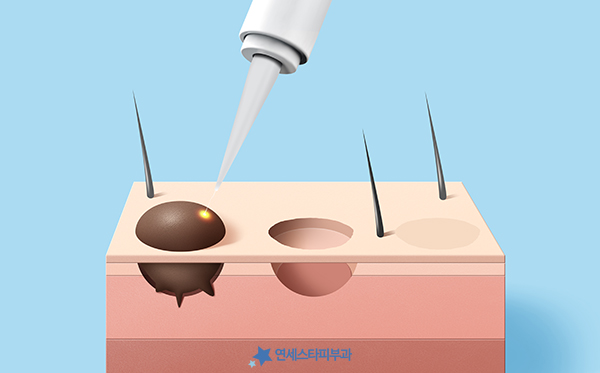
Post-lesion removal scars are not easily improved by simply managing the skin surface. Since the stimulation reached the dermal layer, comprehensive treatment that also aids the recovery of the deeper skin layers is necessary. Broadly, this involves combining laser treatment and regenerative therapy tailored to the type of mark.
| Type of Mark | Primary Treatment Direction |
|---|---|
| Marks with prominent redness | Vascular laser types to reduce redness |
| Depressed scars | Lasers that promote skin regeneration + regenerative therapy |
| Marks with deep pigmentation | Laser types that manage pigment |
Laser Treatment

Fractional lasers, Ultrapulse lasers, and Vbeam lasers are typically used. For post-lesion removal scars with prominent redness, vascular lasers are used to reduce the redness, and for depressed scars, laser treatment for scar revision is preferably performed to promote skin regeneration. If the mark remains as pigmentation, lasers that address epidermal pigment may also be considered.
If the mark is not subsiding and you feel frustrated, it is safer to have your condition checked rather than making your own judgment. Feel free to ask any questions through chat consultation for post-lesion removal scar treatment directions.
Regenerative Therapy
If the depressed state is very prominent or if the skin type does not regenerate well, injectable treatments that aid skin regeneration, such as Juvelook or Rejuran, may be combined with laser treatment. This can reportedly accelerate the improvement of post-lesion removal scars, although the effectiveness and degree of recovery may vary individually.
When is the best time to start treatment?
It is not appropriate to start post-lesion removal scar treatment immediately after lesion removal. The freshly removed area is still an unhealed wound, so it is better to start full-scale treatment after the wound has healed and skin regeneration has progressed to some extent.

Generally, the wound begins to stabilize about 4-6 weeks after the procedure, and post-lesion removal scar treatment can be considered around that time. In the clinic, it's not uncommon for people to seek treatment too late, after hyperpigmentation or depressed scars have already set in, which makes treatment much more challenging. If you're unsure about the starting point, it's important to determine the appropriate timing through consultation.
Here are some items to check yourself before starting treatment:
- How long has it been since the lesion was removed?
- Is the mark closer to redness, hyperpigmentation, or depression?
- Is the marked area frequently exposed to sunlight?
- Have you had other procedures on the same area before?
To avoid taking lesion removal lightly
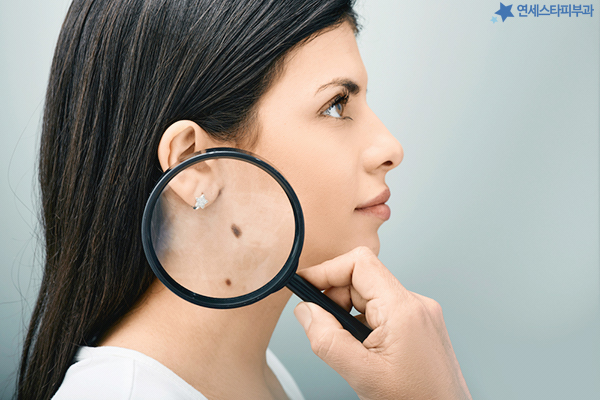
Nowadays, the process of removing lesions from the face or other skin areas can be completed relatively simply and quickly. Therefore, some people may take it lightly, but post-lesion removal scars can remain on the skin for a surprisingly long time and be bothersome. The appearance of subsequent marks can also vary depending on the removal method, such as Laser Lesion Removal.
What's important is not to neglect the mark if it remains. If appropriate treatment is performed at the right time, many cases recover relatively cleanly without noticeable marks.
If you find it difficult to determine the type of mark and the timing of treatment yourself, we recommend checking the appropriate direction for your current condition through post-lesion removal scar consultation.

Sang-Joo Lee, Chief Director (MD, PhD, Yonsei University College of Medicine and Graduate School, Completed Dermatology Residency at Severance Hospital, President of the Korean Dermatological Association) Chief Director Sang-Joo Lee's Profile First Published 2025-09-01 / Last Reviewed 2026-06-16
This content is for general information purposes only. Even with the same mark, recovery patterns may vary individually, and we recommend consulting with medical staff to determine an accurate diagnosis and treatment direction.