
![Protruding Scars, Keloids: Have You Only Been Treating Them with Injections? - [Yonsei Star Dermatology]](/_next/image?url=https%3A%2F%2Fagqdgbuateknhwpocrgu.supabase.co%2Fstorage%2Fv1%2Fobject%2Fpublic%2Fsources%2Fbbf3bebe-45b6-4415-bd04-bda18b2cac0f%2Fblog-images%2F223650620346_00_b97dcd05d83d.png%3Ftype%3Dw966&w=3840&q=75)
If a firm, raised scar on your skin doesn't subside over time, but rather grows larger or becomes itchy, you should consider the possibility that it's not a simple scar, but a keloid scar. Many people's first question is, "Won't it just disappear with injections?" To answer directly, keloids are reported to be difficult scars to manage with injections alone.
Hello. This is Yonsei Star Dermatology Sinchon. Today, we will explain keloid injections, commonly used for protruding keloid scars, and why injections alone are not sufficient.
Why Do Keloids Recur Frequently?


To be precise, it's better to consider keloids, which are protruding scars, as scars with a high recurrence rate. It's not over just because a treatment was successful once; the fact that they can rise again in the same spot makes keloids challenging.

While there's no way to 100% prevent recurrence, it's important to carefully observe for recurrence even after treatment is completed. If signs of it reappearing are noticed early, it becomes easier to manage.
Recognizing Early Signs of Recurrence

Recurrence often starts with small changes rather than appearing suddenly and significantly. If you notice the following signs, we recommend getting them checked rather than self-diagnosing:
- The scar area feels like it's hardening again
- Itchiness or stinging sensations recur
- The scar's border seems to be widening compared to before
- Redness reappears
It's good to remember that the sooner these early symptoms are recognized, the less burdensome the treatment will be.
Standard Treatment: Steroid Injections and Vascular Lasers
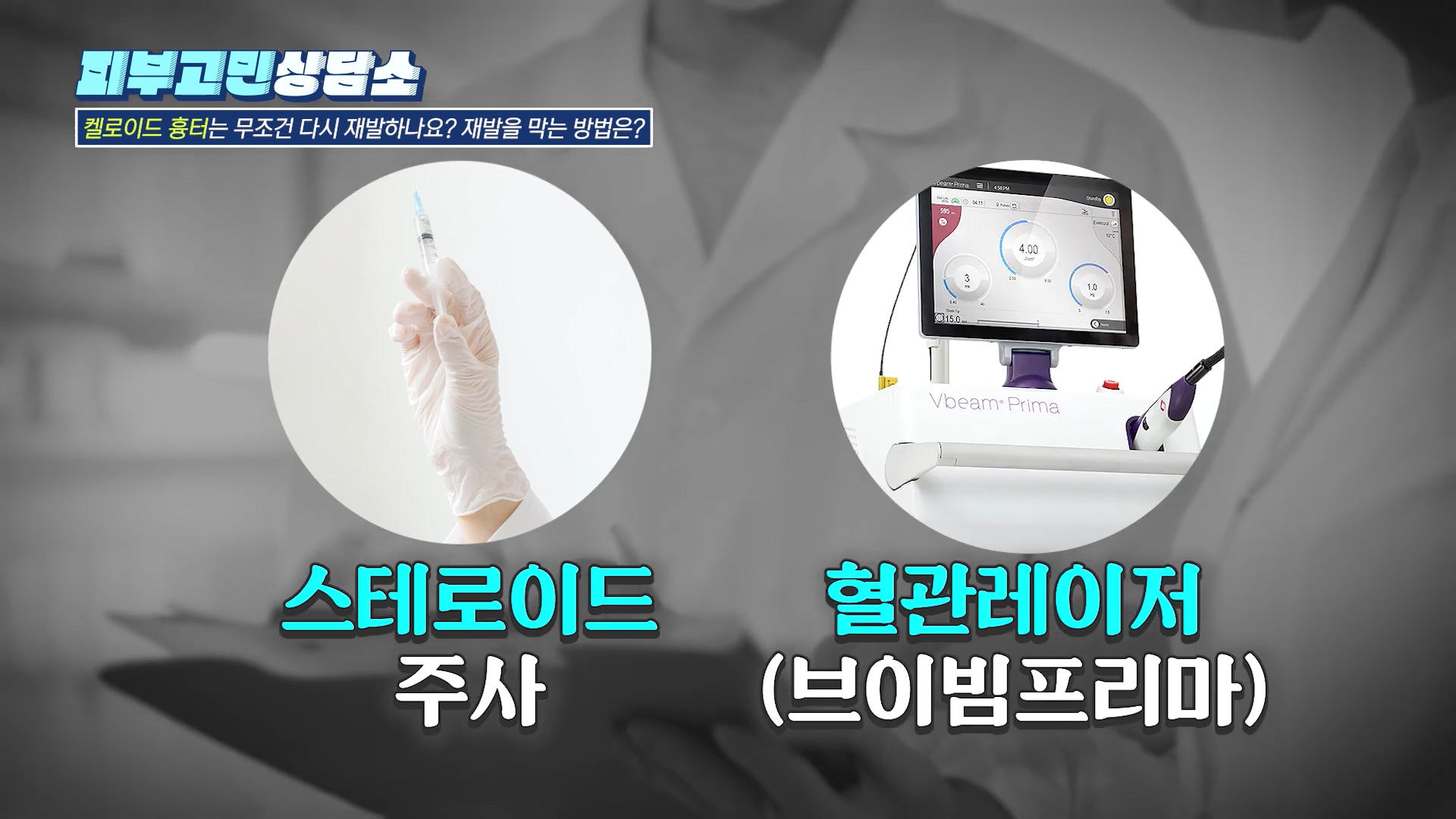
There are several globally standardized keloid treatments, with the two most commonly used being steroid injections and vascular lasers.

Among them, the most commonly used is Triamcinolone Scar Injection for keloids. Its advantages include relatively easy access and availability at various clinics.
Keloids are scars that require not only reducing the existing tissue but also considering how to prevent them from growing back.

The role of steroids is to break down the excessively produced collagen fibers in protruding keloid scars.
Why Injections Alone Are Insufficient

After injections, the lesion may feel like it's subsiding and improving. However, since the exact cause of keloid formation is not yet fully understood, it's difficult to expect fundamental removal by merely breaking down existing tissue.

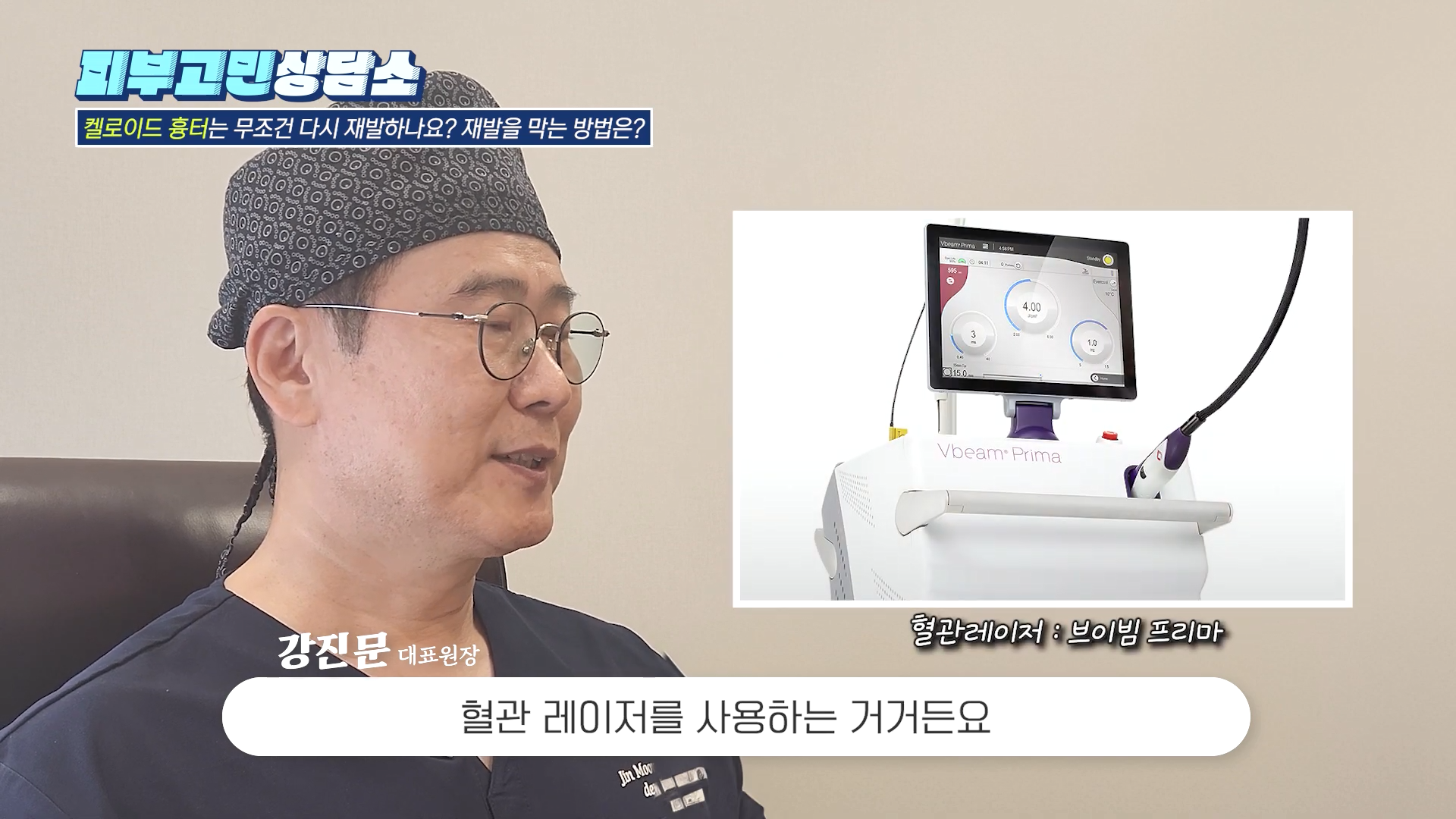
Therefore, steroid injections are not considered to have a significant effect in reducing recurrence itself. To lower the possibility of recurrence, it's necessary to block the blood vessels that supply nutrients to the scar, and vascular lasers are used for this purpose.

Another issue encountered when only repeating injections is that the dosage of injections gradually increases.
For questions, inquire via chat consultation regarding keloid scar treatment directions
Although systemic absorption is known to be slow, if injections are repeated continuously, the possibility of side effects due to steroids may also increase. This can vary from person to person, so it's important to adjust the dosage and interval through consultation.
Reasons for Combining Laser and Injections

In the clinic, these two treatments take on different roles. They are summarized in the table below:
| Treatment | Main Role |
|---|---|
| Vascular Laser | Blocks blood vessels that promote excessive collagen production |
| Steroid Injection | Breaks down existing collagen tissue |
Overall, it is reported that combining laser and injections to reduce the injection dosage is more helpful for managing protruding keloid scars than continuing steroid injections alone for a long period. Depending on the shape, location, and depth of the scar, Surgical Scar Revision may also be considered, so it's best to determine the treatment direction according to your condition.
In Summary
Have your protruding keloid scars, which you've only treated with injections, continued to recur and itch? Today, we looked at why combining injections and lasers can be helpful when treating keloids. If you are concerned about protruding scars, including keloids and surgical scars, we recommend seeking consultation with a dermatologist to find a treatment plan suited to your condition, rather than relying on self-treatment.
For questions, inquire via keloid scar consultation

Chief Director Lee Sang-Joo (MD, PhD, Yonsei University College of Medicine and Graduate School, completed dermatology residency at Severance Hospital, President of the Korean Dermatological Association) Chief Director Lee Sang-Joo's Profile First published 2024-11-07 / Last reviewed 2026-06-16
This article is for general information purposes only. Even for the same keloid, patterns and progress may vary from person to person, so please consult with medical staff for an accurate diagnosis and treatment plan.