

Hello, this is Yonsei Star Dermatology Sinchon.

The eyes are where one's image and atmosphere can be best perceived. Eyeliner tattoos remain popular as even the shape of the eyeliner can significantly influence one's impression.
Lines That Are Difficult to Correct
While the convenience of maintaining a clear line even during busy times is appealing, the inability to easily change a once-created line to a different shape is a drawback.
Also, over time, the color of the tattoo gradually fades, differing from its initial appearance, which can lead to decreased satisfaction. For these reasons, the number of people hoping for semi-permanent eyeliner removal is steadily increasing.
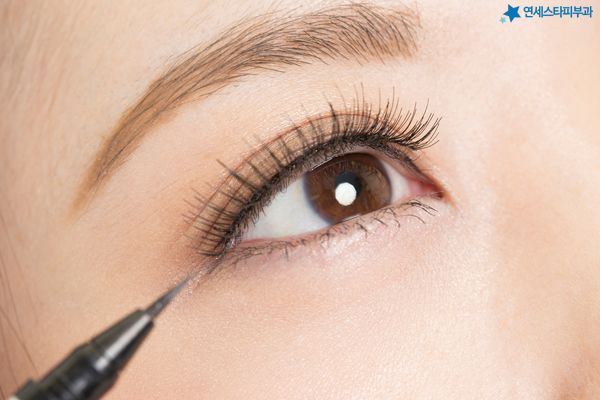
Semi-Permanent Pigment Settled in the Dermis
Eyeliner tattoos can be considered a type of semi-permanent makeup that is difficult to erase once applied. The ink penetrates deep into the dermis to prevent it from disappearing from the skin.
It is highly likely to be composed of various pigment combinations, making it difficult to achieve significant results with a single treatment.
Even with laser methods known to be effective, at least 5 or more repeated treatments may be necessary. If you have decided to remove it, it is advisable to thoroughly check the performance and safety beforehand.
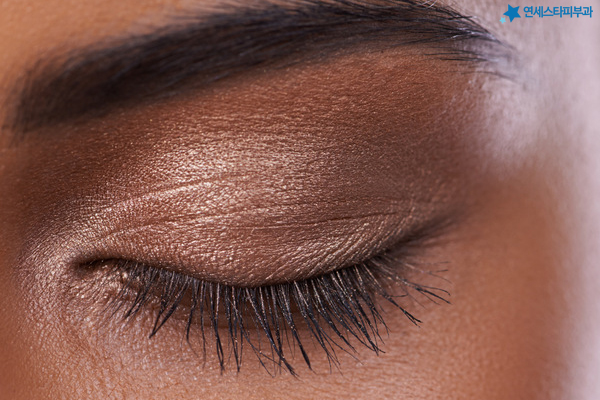
How to Handle Output Around the Eyes
PicoWay Laser equipment is often used for tattoo removal, including semi-permanent eyeliner. This equipment utilizes picoseconds, which are about 1000 times shorter than the nanoseconds commonly used previously, to break down pigments into tiny particles.
Many people worry about potential damage to the eyeballs or surrounding skin when removing eyeliner tattoos, as they are etched around the eyes. By maintaining appropriate PicoWay Laser output, it may be possible to minimize damage to the surrounding skin and selectively target only the necessary pigment.
The equipment configuration is summarized in the R-Zero Pico-Frectat Tattoo Removal guide.
Eye Protection Procedure Before Treatment
Before laser treatment, a process to protect the eyes is included.
- Ophthalmic ointment is applied to protect the surface of the eyeball.
- Pre-preparation is carried out with eye drops.
- Output is maintained according to the eye area conditions during irradiation.
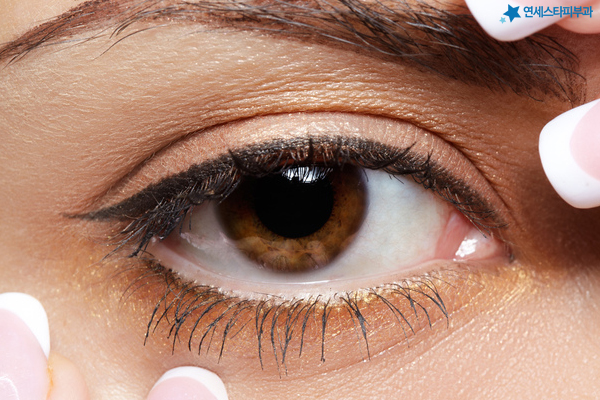
What to Check Before Speed
While the increase in beauty-related shops has made various procedures quickly accessible, the safety implications need careful consideration.
| Check Item | Reason for Checking |
|---|---|
| Dermatologist's Consultation | Judgment based on skin knowledge |
| Side Effect Management System | Prevention of periorbital pigmentation and scarring |
| Scar Resolution Expertise | Continued treatment if problems arise |
| Treatment Experience | Stable planning of repeated sessions |
| Equipment Safety | Output control around the eyes |
It is important to note that focusing on speed for quick removal can lead to additional hard-to-erase marks around the eyes, such as pigmentation or scars. A method that addresses scars can be found in the Pinhole for Burn & Surgical Scar treatment guide.
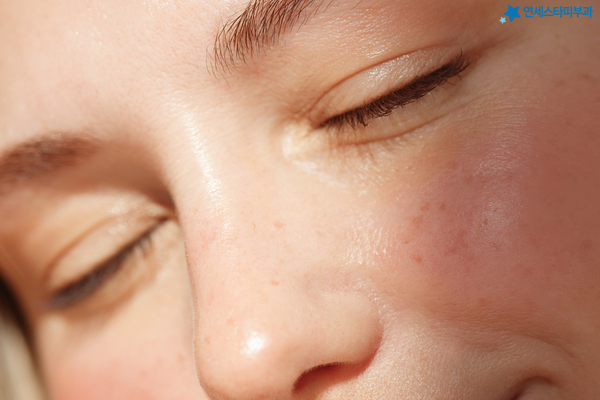
Before Redrawing the Line
If the results are unsatisfactory or if a long time has passed and you wish to completely erase and create a new line, we recommend prioritizing safe removal to avoid leaving wounds or scars. There may be individual differences in recovery progress.
The overall treatment flow can be seen in the Tattoo Removal Treatment Guide, and consultations regarding the condition of the eye area can be quickly obtained via Chat Inquiry.

Authored · Medically Reviewed by Chief Director Lee Sang-joo (Dermatologist) Graduated from Yonsei University College of Medicine · Completed residency in Dermatology at Severance Hospital · Former Professor of Dermatology at Youngdong Severance Hospital Author of "Pigmentary system," "Medical Skincare" View Medical Staff Profile
First Published 2026-01-02 · Last Reviewed 2026-07-29
This article contains general medical information and does not substitute for individual diagnosis and treatment. Results and recovery progress may vary by individual.