
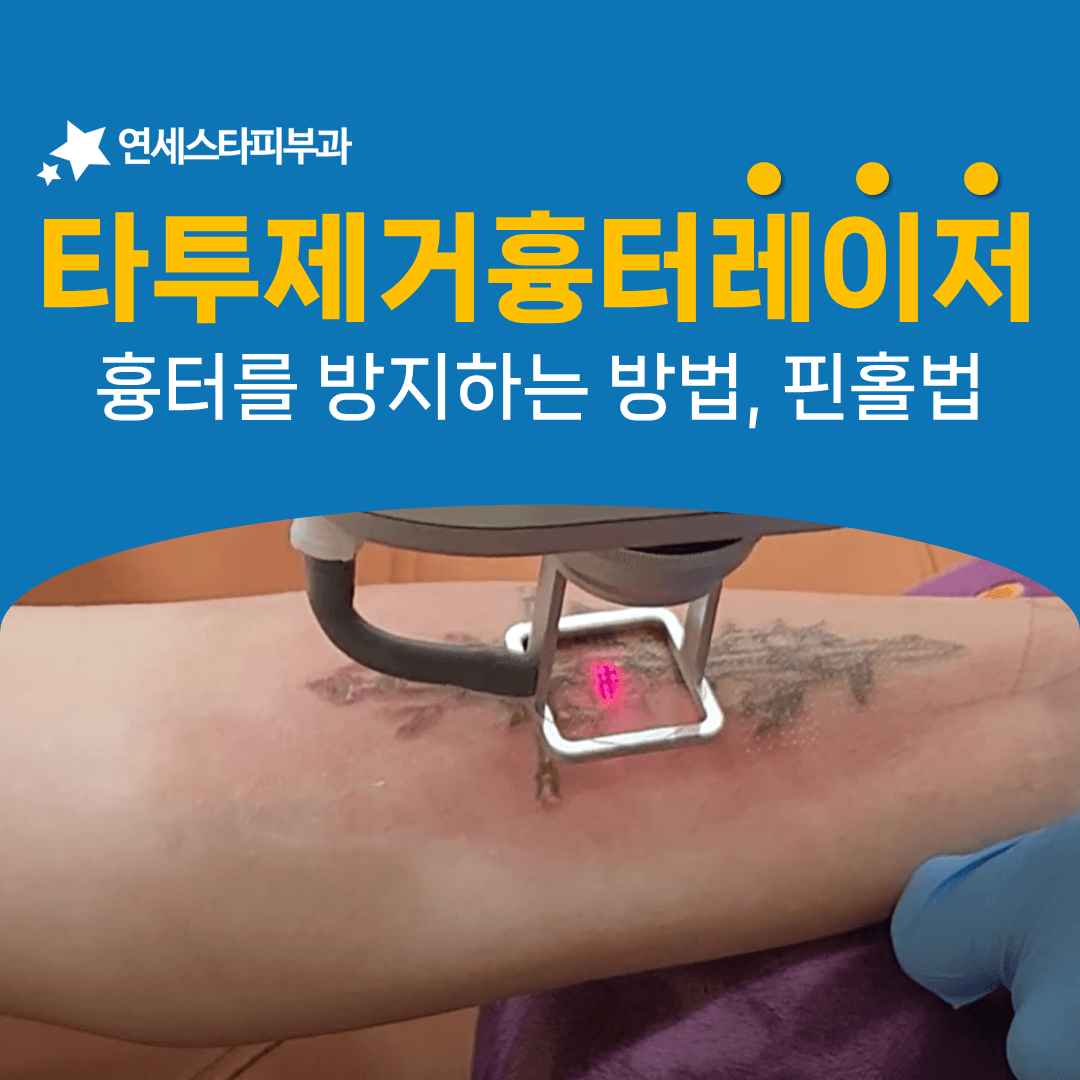
While many people are eager to remove tattoos, a major concern is scarring.
In the past, scars and hyperpigmentation were significant concerns, but as treatment methods have advanced, techniques to reduce the worry of scarring are also being applied. This article summarizes the Pinhole Technique among them.
Meaning of the Name Pinhole
The Pinhole Technique, as the name suggests, is a procedure that induces skin regeneration by creating pinholes, or tiny dot-like holes, in the skin.
This method, primarily used for scar treatment or pore reduction, has now been adopted for preventing scars after tattoo removal.
You can find more details in the Pinhole for Burn & Surgical Scar guide.
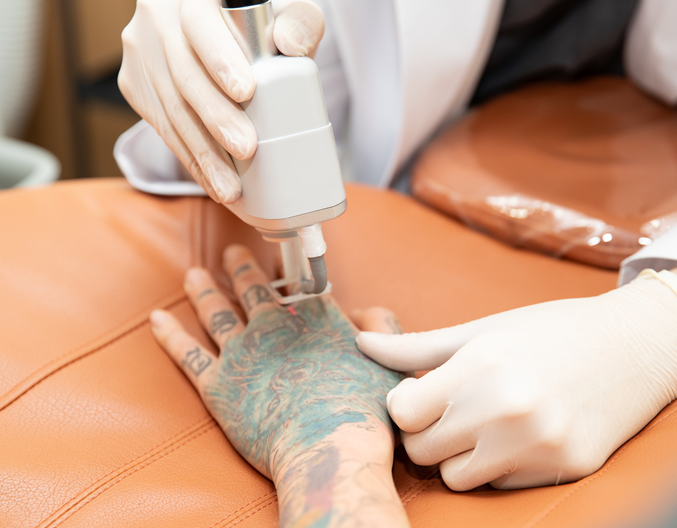
How it Came to Be Used for Tattoo Removal
| Process | What Happens to the Skin |
|---|---|
| Laser pigment destruction | Skin damage may occur |
| Deep or old tattoos | Requires repeated laser treatments |
| Accumulation of stimulation | Burden on skin tissue can lead to scar formation |
In such cases, using the Pinhole Technique with a CO2 laser can help recover damaged skin and promote collagen regeneration, which may suppress scar formation.
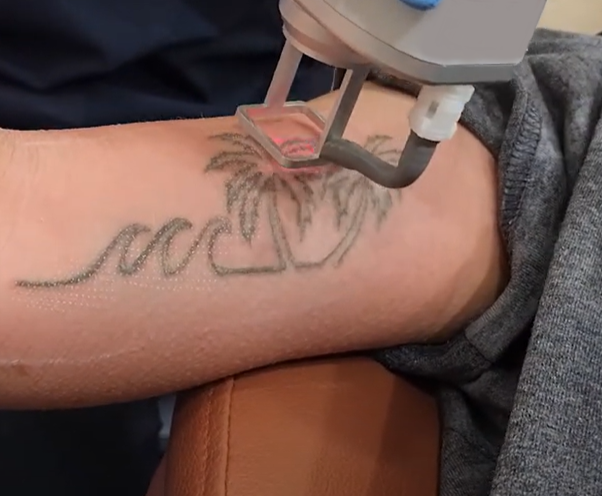
What are the Benefits
- May reduce the possibility of scar formation
- Enhances skin regeneration response to aid natural recovery
- Can be applied to various skin conditions, including pigment and pore scars
The degree of effect may vary individually. You can ask any questions via Chat now.
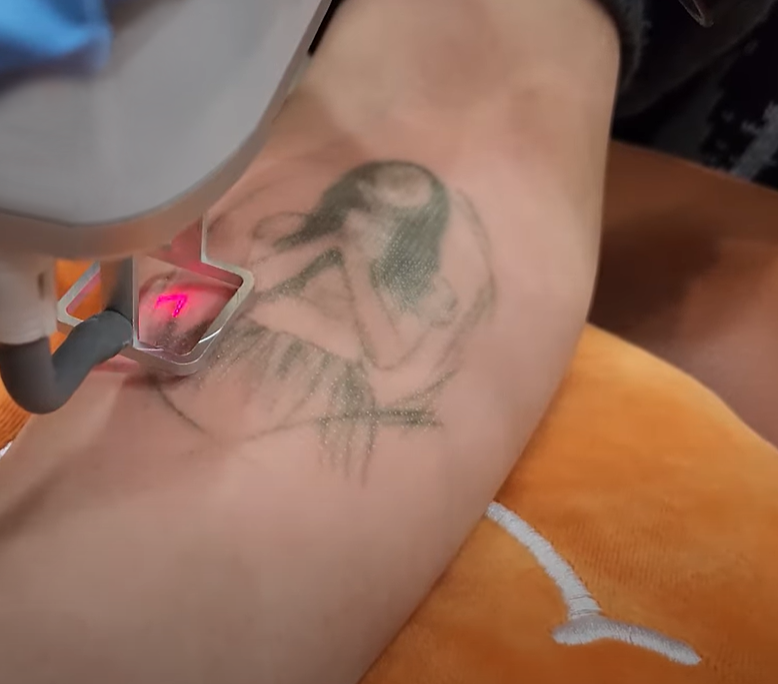
How it Integrates with Pigment Removal Steps
The laser handles the pigment breakdown, while the Pinhole Technique addresses the remaining areas. Combining these two steps within one plan is key to scar prevention.
The pigment removal steps are outlined in the R-Zero Pico-Frectat Tattoo Removal guide.
If You Are Considering Scars
If you wish to remove a tattoo while preventing scars, you might consider combining it with the Pinhole Technique using a CO2 laser.
The overall treatment flow can be found in the Tattoo Removal Treatment Guide.

Authored and Medically Reviewed by Chief Director Kang Jin-moon (Dermatologist) Graduated from Yonsei University College of Medicine · Completed Dermatology Residency at Severance Hospital · Currently Adjunct Professor, Department of Dermatology, Yonsei University College of Medicine Member of the Korean Dermatological Association · Member of the Korean Society for Aesthetic and Dermatologic Surgery View Medical Staff Profile
First Published 2025-07-21 · Last Reviewed 2026-07-29
This article contains general medical information and is not a substitute for individual diagnosis and treatment. Results and recovery progress may vary individually.