
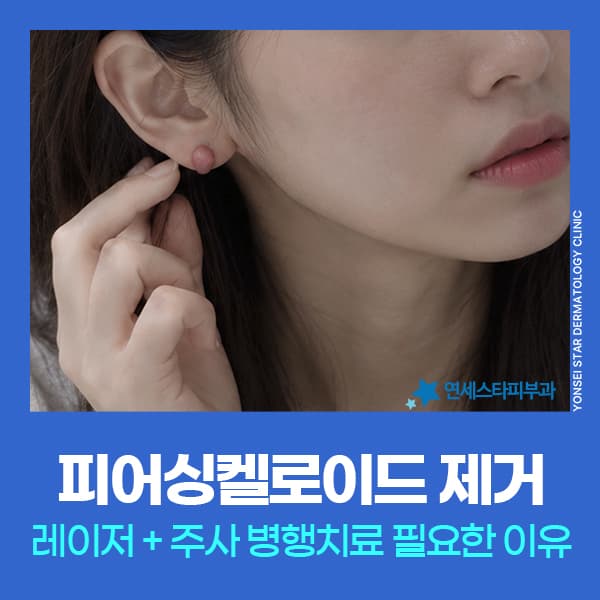
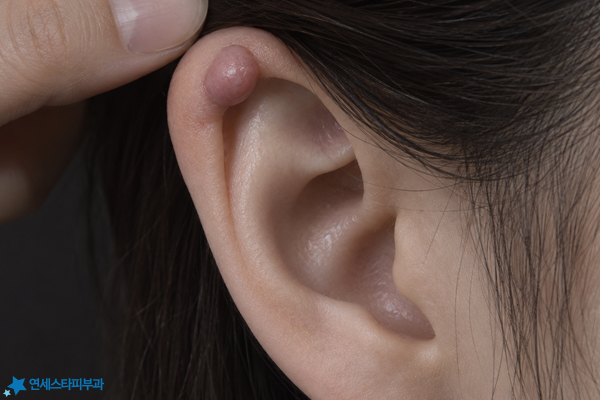
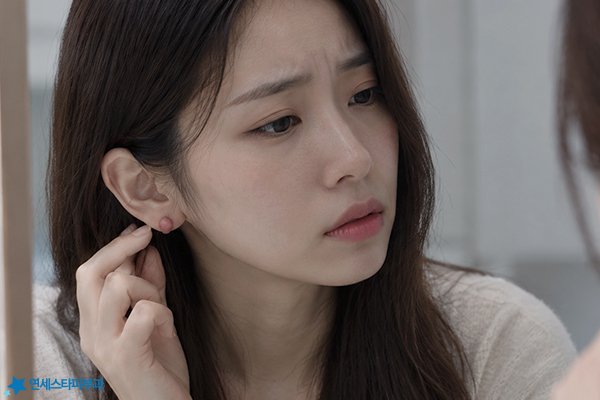
Have you ever had your earlobe or cartilage swell up like a lump months after getting a piercing? This symptom, commonly called an ear keloid, is often dismissed as inflammation or a pimple at first. However, over time, it can grow in size and be accompanied by itching and pain, causing discomfort both visually and in daily life. Since it rarely disappears on its own, it is important to decide on a treatment direction as early as possible. In this article, we will explain the process by which a piercing can lead to an ear keloid and why a combined approach of keloid laser excision with keloid injections is necessary.
Why Piercings Lead to Ear Keloids
Piercing is, ultimately, an act of intentionally creating a wound on the earlobe or ear cartilage. If collagen is produced in excess during the healing process, the scar tissue can swell beyond the normal range, which is a keloid. For individuals with a predisposition to scarring, the likelihood of developing an ear keloid increases significantly if friction, repeated irritation, or minor infections occur after piercing, so caution is needed.

Keloid Laser Excision
Ear keloids caused by piercings can be relatively quickly resolved with keloid laser excision. Because the lesion is precisely targeted and removed with a fine laser beam, there is less bleeding and faster recovery compared to surgical incision with a scalpel. The advantage is that it can be performed even in narrow and complex areas like the ear helix, minimizing damage to surrounding healthy tissue and reducing the possibility of ear shape deformation.
The Role of Keloid Injections
Even if a noticeable lump-shaped lesion is quickly removed with a laser, the process of suppressing the activity of remaining scar cells and calming inflammation in that area must follow. This is when keloid injections are combined. Triamcinolone-based steroid injections can help prevent excessive collagen production, reducing the height of the scar and minimizing its prominent, swollen appearance.
However, keloid injections often require multiple sessions, and some individuals may find the pain when the medication enters the lesion to be burdensome. In such cases, choosing a scar clinic that applies pain-reducing methods, such as low-pain injections, can be an option.
Why Combined Treatment is Necessary
Keloids are scars with a high risk of recurrence. Therefore, combined treatment, where keloid laser excision first removes the lesion and then keloid injections reduce the possibility of recurrence, can be expected to yield more stable results than performing only one method. This approach aims to create synergy by combining the advantages of each treatment: first, the prominent ear keloid is removed with a laser to prevent changes in ear shape, and then, over time, the invisible causes that could lead to recurrence are carefully managed.

As mentioned earlier, ear keloids rarely shrink or disappear on their own. Instead, over time, itching and pain become more frequent, and the small lesion gradually grows, becoming more noticeable. Since consistent management is needed to reverse abnormal blood vessels leading to scarring and prevent recurrence, we recommend not delaying treatment and consulting with a dermatologist.
Lifestyle Habits After Treatment
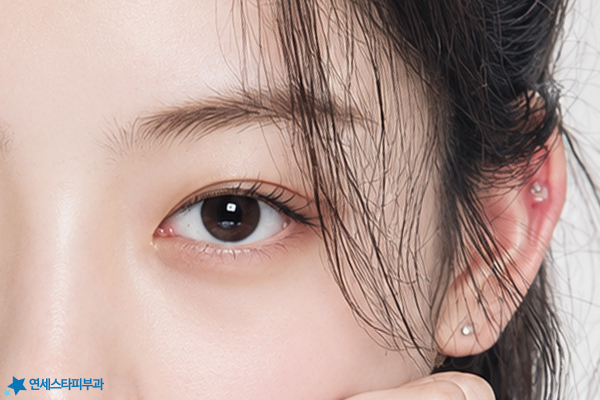
Ear keloids caused by piercings become more difficult to manage the longer they are left untreated. While a systematic approach combining keloid laser excision and keloid injections can resolve the problem, it's important to remember that due to the strong influence of individual constitution on keloids, they can recur even after treatment if the skin is irritated. Avoiding irritation to prevent wounds is fundamental, and unfortunately, refraining from piercings as much as possible after treatment is one of the lifestyle habits to prevent recurrence.
In Summary
The exact constitution or causes of keloid formation are not yet clearly understood. If a problem arises, it is best to start treatment and management as soon as possible. If you are prone to wounds or frequent swelling, it is advisable to first examine your skin characteristics before deciding on a piercing. The combination and number of sessions for keloid laser and keloid injections may vary depending on the size and location of the lesion and your constitution, so please consult with a dermatologist to create a plan. If you have any questions, you can check through consultation inquiry.

Author · Chief Director Lee Sang-joo / Dermatologist As the Chief Director of Yonsei Star Dermatology Sinchon, he provides treatment across various skin procedures including skin boosters, scars, and pores. Detailed career history can be found in the Medical Team Profile. · Last reviewed September 14, 2026
This article is intended for general medical information purposes, and treatment effects and downtime may vary depending on individual skin conditions. Please consult with a dermatologist for an accurate diagnosis and treatment plan.