


In the past, removing tattoos was difficult and often left scars. With advancements in laser procedures, methods have emerged that reduce the burden on the skin.
This article outlines three main pillars: PicoWay Laser-based removal, the advanced R-Zero Technique, and CO2 Laser Pinhole Technique for scar prevention.
Pico Laser: A Unit of Time
PicoWay Lasers deliver pulses in picosecond units, which are much shorter than the nanosecond units of traditional lasers. A picosecond is one trillionth of a second.
This equipment is characterized by its ability to deliver stronger energy more intensively in a short period, finely breaking down pigment.
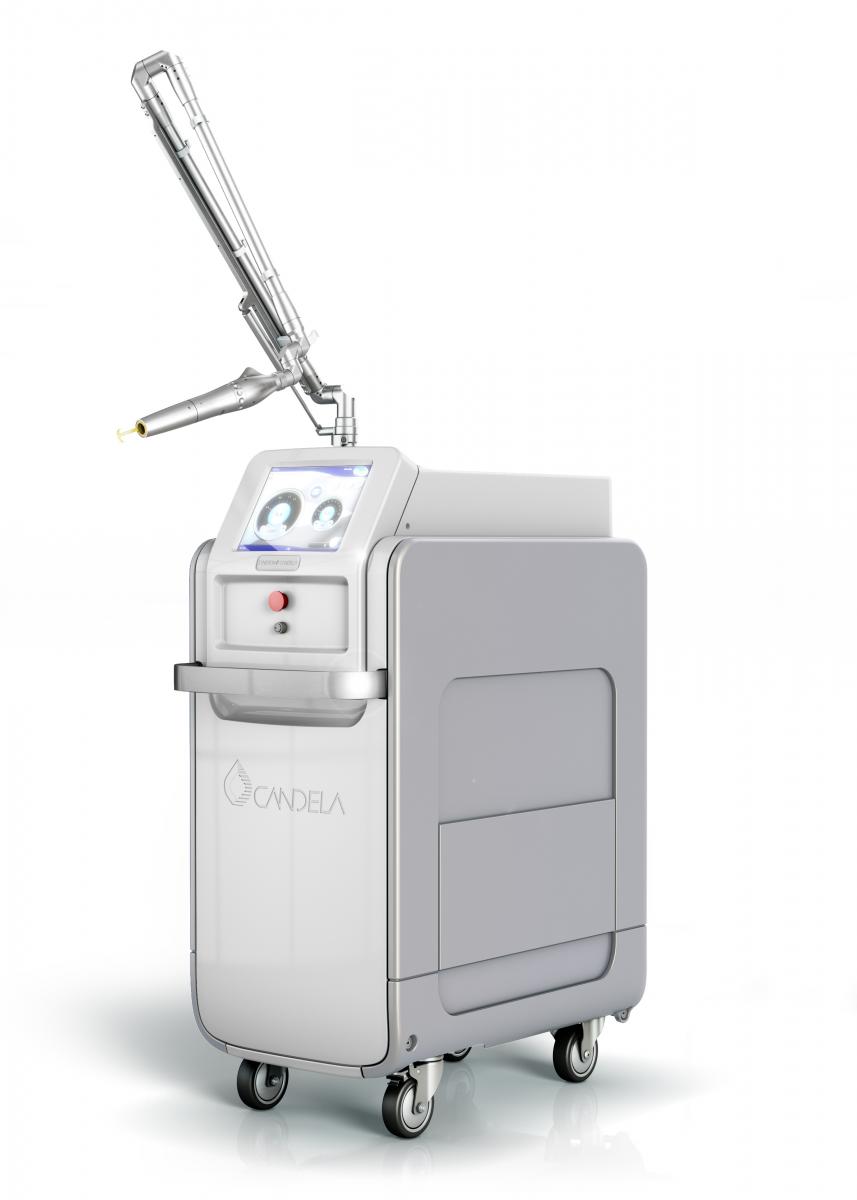
Three Pico Devices Used in Clinics
| Equipment | Features |
|---|---|
| PicoWay | Stimulates deep-layer pigment with ultra-precise wavelengths, addresses deep dermal color tattoos, 4 wavelengths and 6 handpieces |
| PicoSure | Gently breaks down melanin and ink pigments |
| PicoPlus | KFDA-approved laser for melasma improvement, addresses various tattoos |
All three devices are widely used for pigmentary lesions and tattoo removal. The choice of equipment depends on the color and depth of the tattoo.
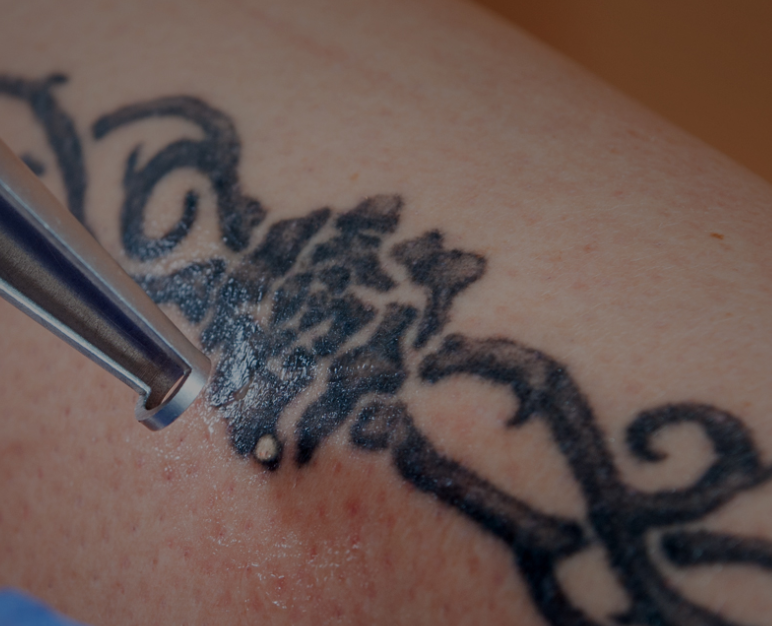
How Pigment Exits the Body
When a laser with a wavelength matching the tattoo color is applied, the laser's strong energy finely shatters the pigment particles.
These fragmented pigment pieces are absorbed by macrophages, which are immune cells, and then naturally expelled through the lymphatic system. As the procedure is repeated, the pigment gradually fades, requiring multiple treatment sessions.
Equipment configurations are detailed in R-Zero Pico-Frectat Tattoo Removal, and other methods are described in Nd:YAG Tattoo Removal.
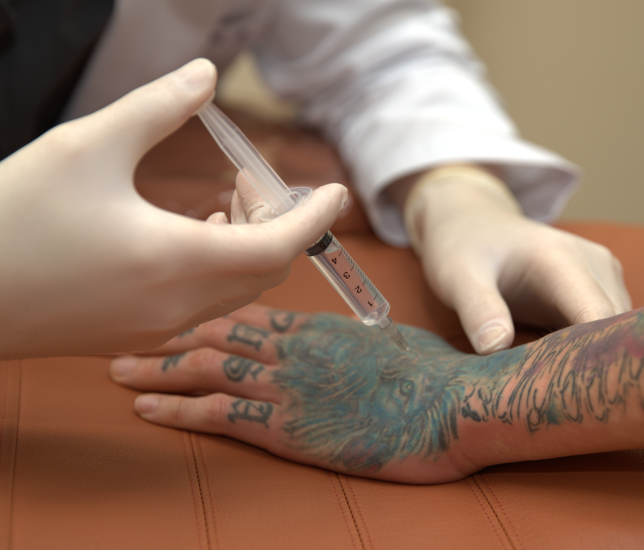
Up to Four Times in One Session: The R-Zero Method
With conventional methods, only one to two laser shots were possible per session. This is because white bubbles form after laser irradiation, obstructing light penetration.
The R-Zero Technique involves applying a special medication to the bubble area after irradiation to eliminate these white bubbles. This allows for up to four laser shots in a single session.
However, results can only be expected when applied under accurate diagnosis and the judgment of an experienced dermatologist.
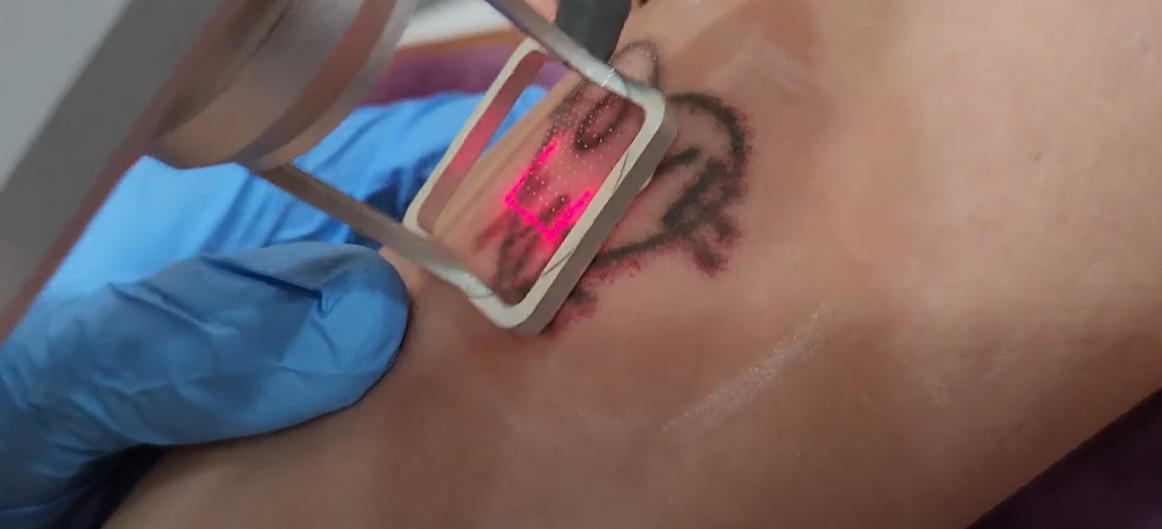
CO2 Laser Pinhole for Scar Management
One of the biggest concerns during tattoo removal can be scarring. Therefore, in the final stage after removal, the Pinhole Technique using a CO2 laser is sometimes employed to prevent scars.
Pinhole Technique literally means creating small, pin-sized holes. When the Pinhole Technique is performed with a CO2 laser, it induces a collagen regeneration response, which can help prevent scars. More details can be found in the Pinhole for Burn & Surgical Scar procedure guide.
How to Combine the Three Pillars
Tattoo removal is not just about pigment elimination. It must be a comprehensive treatment that considers skin protection and regeneration.
- PicoWay Laser handles pigment breakdown.
- The R-Zero Technique handles increasing the number of shots.
- CO2 Laser Pinhole Technique handles skin restoration.
If you have decided to remove a tattoo, we recommend choosing a dermatology clinic equipped with laser devices and experienced professionals. If you have any questions, you can ask now via chat.

Authored and Medically Reviewed by Chief Director Lee Sang-Joo (Dermatologist) Dermatologist · Ph.D. in Medicine, Yonsei University College of Medicine Graduate School · Dermatology Resident, Severance Hospital Former Professor of Dermatology, Yeongdong Severance Hospital · Current Adjunct Professor, Department of Dermatology, Yonsei University College of Medicine View Medical Staff Profile
First Published 2025-05-23 · Last Reviewed 2026-07-29
This article contains general medical information and is not a substitute for individual diagnosis and treatment. Results and recovery may vary by individual.