
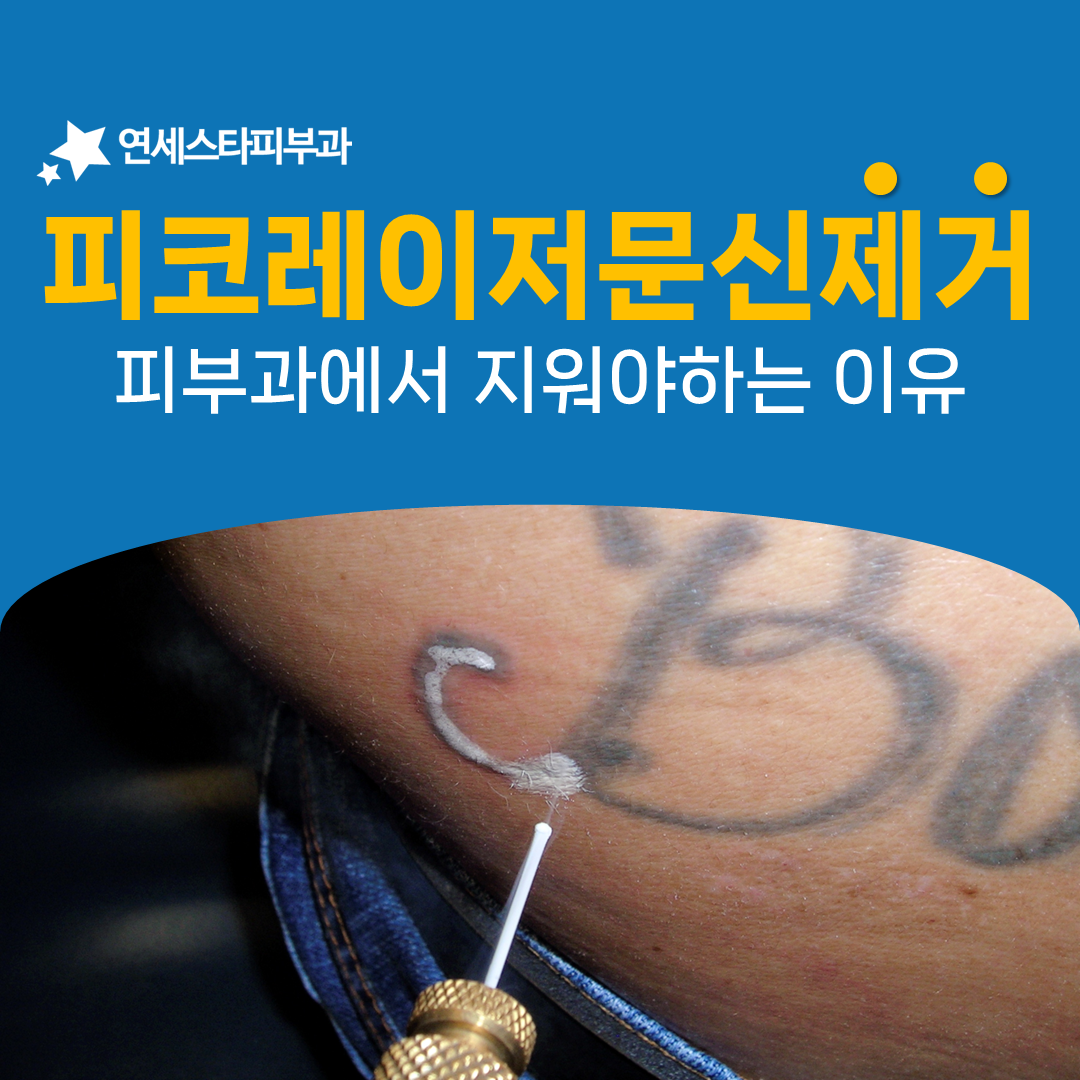
As perceptions of tattoos have changed, more people are seeking removal. With advancements in laser technology, it has become possible to erase tattoos with less skin damage than before.
However, when planning removal, a common question arises: Is it necessary to go to a dermatology clinic, or are shops also offering it at a lower cost?
Starting with the equipment's classification
PicoWay Laser is not just a simple beauty device. It is a medical laser device officially approved by the Ministry of Food and Drug Safety.
Such high-output medical devices should be used under the diagnosis of a dermatology specialist and with skilled techniques. Performing these procedures in non-medical facilities, such as general shops, may constitute a violation of medical law.
Even with the same equipment, the settings differ
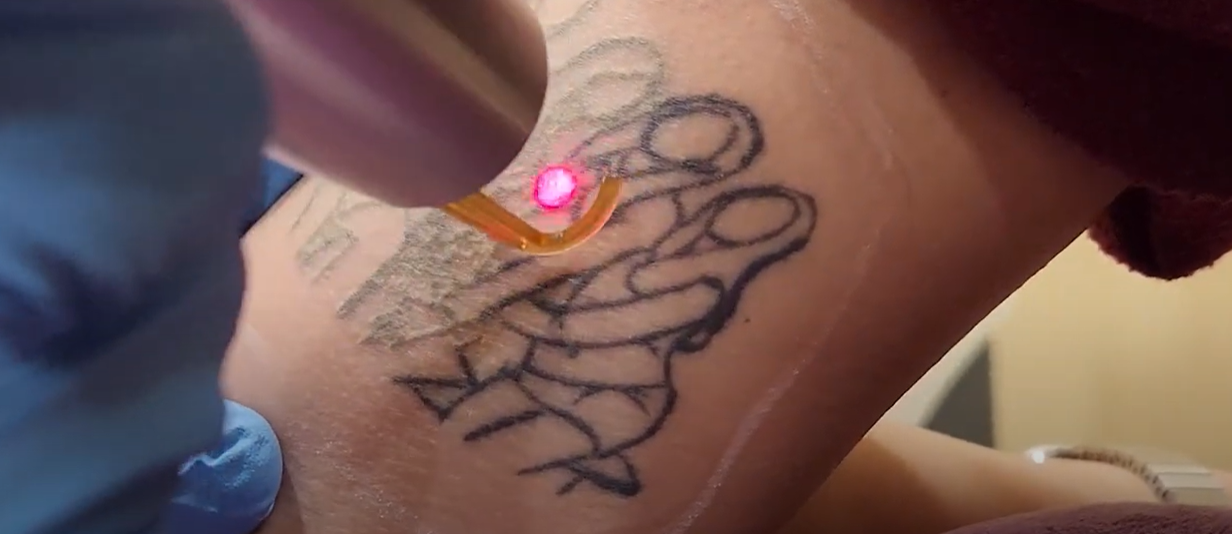
Tattoo removal requires customized treatment depending on the skin condition and tattoo type. Laser output and wavelength must be adjusted according to the tattoo color, number of sessions, and skin tone to effectively treat the pigment.
At a dermatology clinic, a specialist directly diagnoses the individual's skin condition and tattoo characteristics before determining the laser settings. In environments where such customized adjustments are difficult, there is a higher possibility of burns or scars due to excessive output.
The equipment configuration and procedure are summarized in the R-Zero Pico-Frectat Tattoo Removal guide.
A table showing the diverging points
| Item | Dermatology Clinic | Non-medical Facility |
|---|---|---|
| Equipment | MFDS-approved medical laser | Potential use outside approved scope |
| Settings | Output and wavelength customized to color and skin tone | Difficult to customize |
| Side effect response | Steroid ointment, calming treatment, regenerative care | Difficult to provide medical intervention |
| Scar prevention | Pinhole Technique with CO2 laser possible | Procedure only possible by medical professionals |
Possible reactions after the procedure
After treating pigment with a laser, the following reactions may occur:
- Red erythema
- Blisters
- Pigmentation
At a dermatology clinic, medical measures such as steroid ointment, calming treatment, and regenerative care can be immediately provided in preparation for such situations. The degree of reaction may vary from person to person.
If you have any questions, you can ask them via Chat now.
Pinhole Technique for scar prevention
To prevent scars, the Pinhole Technique using a CO2 laser can be performed after pigment removal. This method involves creating holes in the skin surface and dermis with a CO2 laser, then loosening and rearranging damaged tissue, and inducing recovery to normal skin.
The Pinhole Technique is also a procedure that can only be performed by medical professionals. More details can be found in the Pinhole for Burn & Surgical Scar guide.
Ultimately, it's a medical procedure
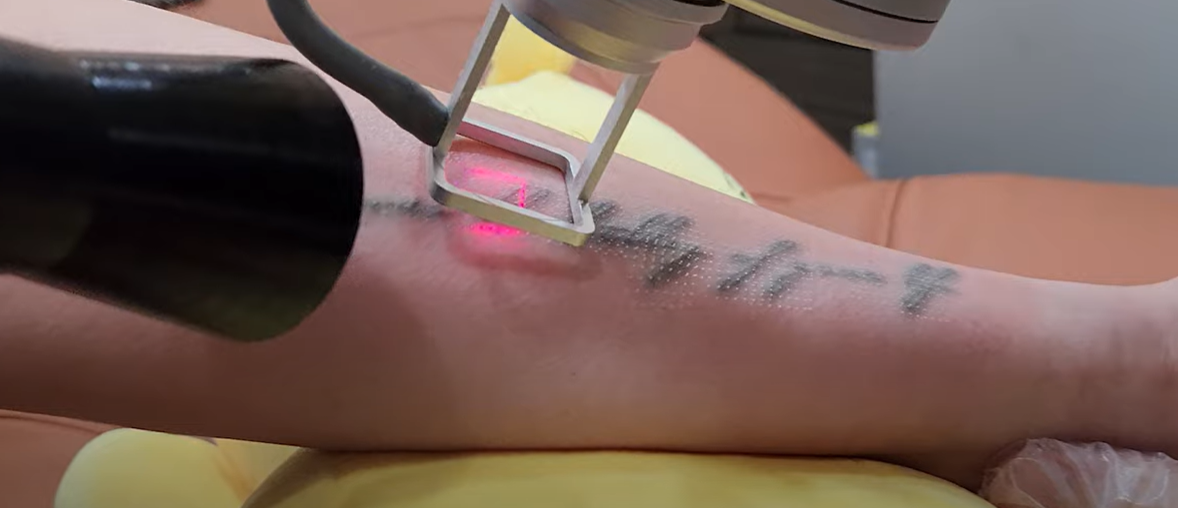
Tattoo removal is not a procedure that simply shoots with a machine; it is a medical act that directly affects skin tissue.
If you are planning to undergo this procedure, we recommend doing so in a place equipped with authorized equipment and a proper medical environment. The overall process can be checked in the Tattoo Removal Treatment Guide.

Authored and medically reviewed by Jinmun Kang, Chief Director (Dermatology Specialist) Graduated from Yonsei University College of Medicine · Completed dermatology residency at Severance Hospital · Served as professor at Bundang CHA Hospital Currently an adjunct professor at Yonsei University College of Medicine, Department of Dermatology · Member of the Korean Society for Medical Lasers View Medical Staff Profile
First published 2025-05-22 · Last reviewed 2026-07-29
This article contains general medical information and does not substitute for individual diagnosis and treatment. Results and recovery progress may vary from person to person.