

If you feel small, white, raised bumps when you touch your nose or chin, it might be a papular scar, which is different from typical acne scars. The most significant difference is that while commonly imagined acne scars are depressed, papular scars, conversely, are raised above the skin.
This is Yonsei Star Dermatology Sinchon. Unlike scars that appear as boxcar, rolling, or icepick shapes, there are scars that primarily appear on the nose or chin and protrude above the surface. Today, we will explain the causes and treatment approach for papular scars, which may be somewhat unfamiliar to you.
Papular Scars: How Are They Different from Regular Acne Scars?

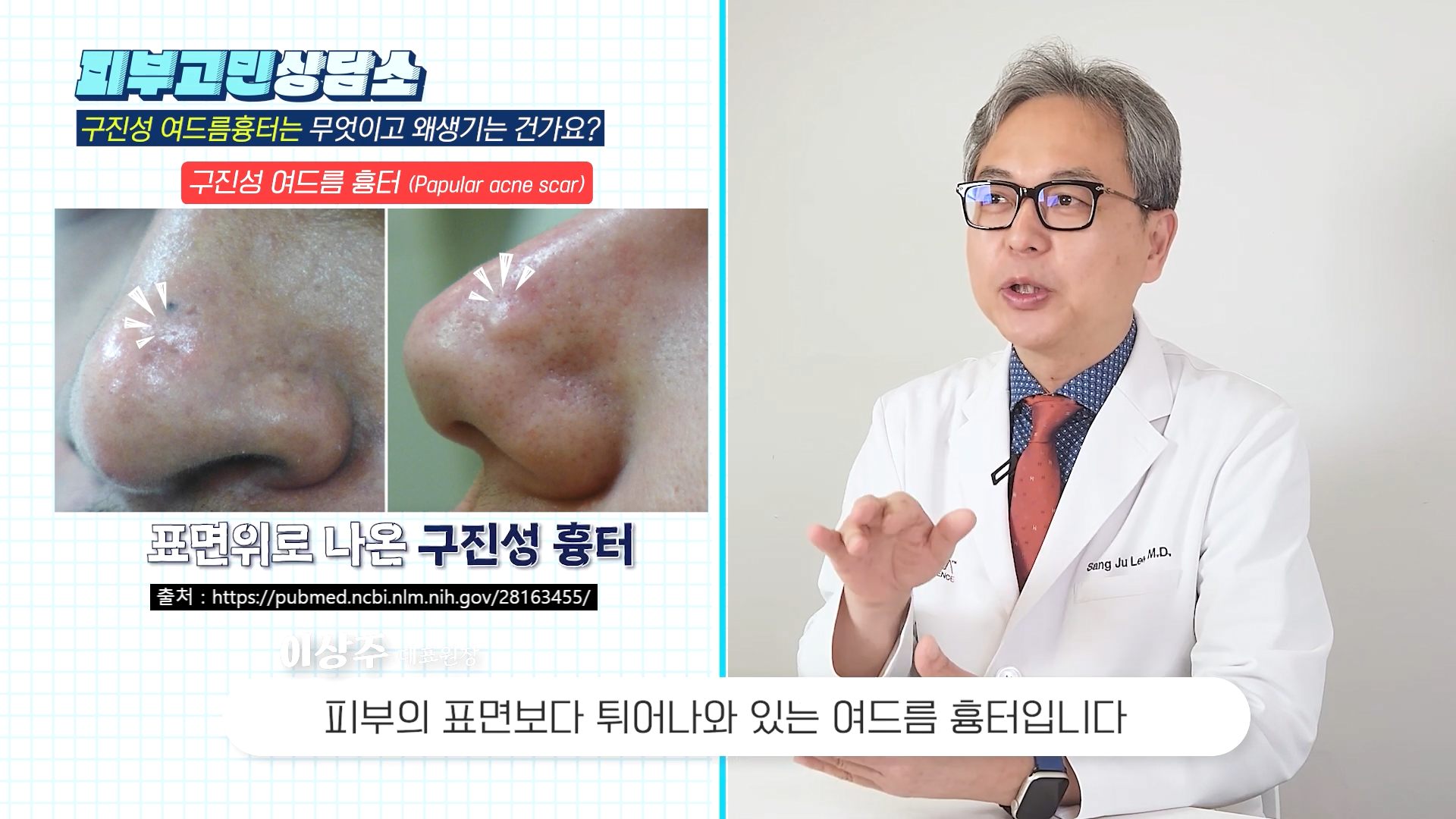
Papular acne scars are characterized by being raised above the skin, unlike typical acne scars. They often feel like white, rice-grain-sized bumps on the chin, nose, or upper chest.
It is reported that atrophic scars, where the skin is depressed, and papular scars, which are raised, have different formation mechanisms, and thus require different treatment approaches.
If you are curious about depressed scars, you may find it easier to understand by also looking at Types and Management of Depressed Acne Scars.
Why Do They Rise Above the Skin?
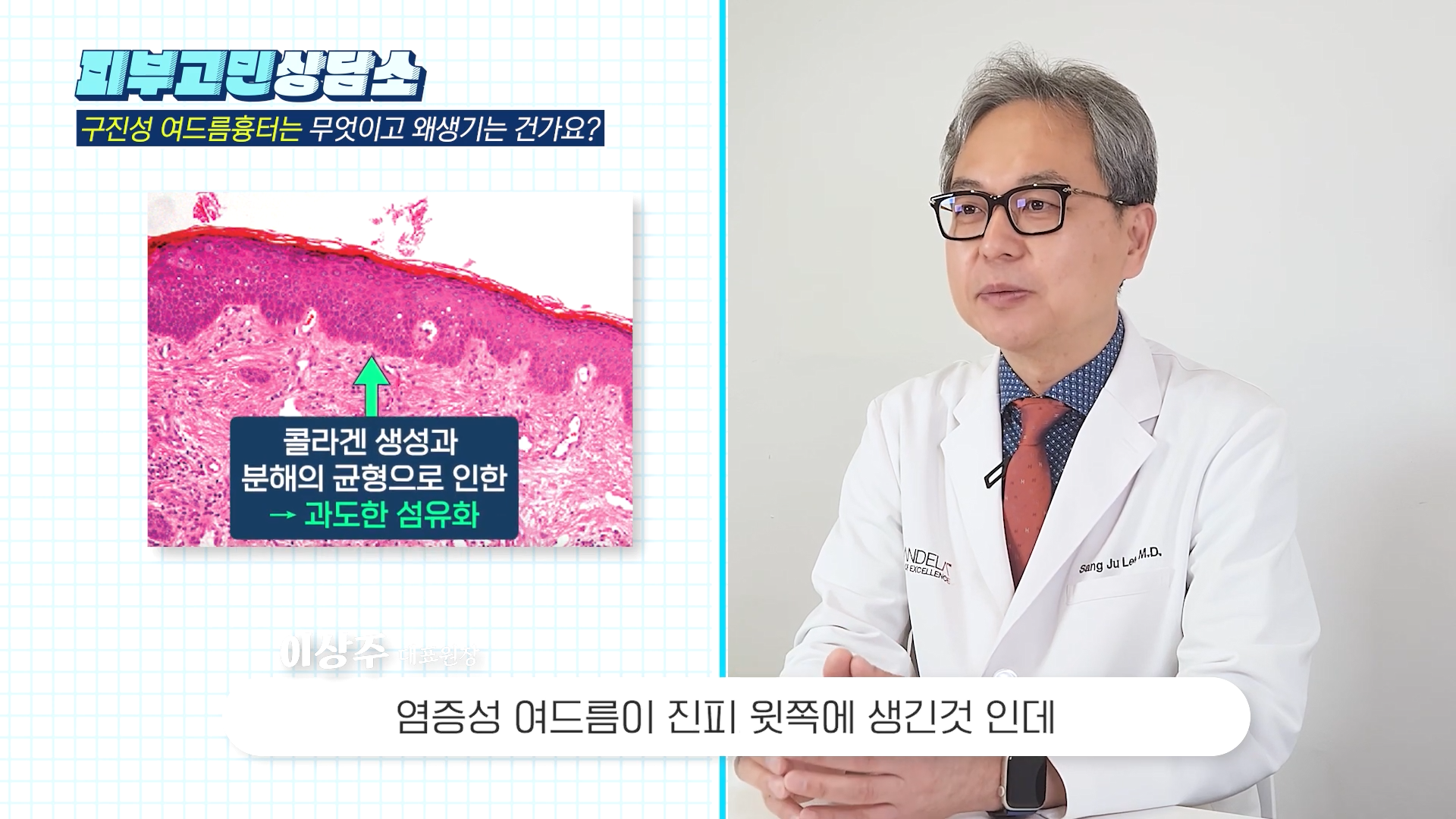
Papular acne scars are caused by inflammatory acne occurring in the upper dermis. During the repeated process of inflammation and regeneration, collagen is excessively produced, and this scar tissue then rises to the skin surface.
In other words, when acne itself does not subside well and inflammation repeatedly occurs in the same spot, the likelihood of it hardening into a scar increases. Therefore, it is important to manage initial acne without forcefully squeezing or irritating it.
Where Do They Mostly Occur?

Acne can occur anywhere on the face or chest, but papular acne scars tend to have relatively distinct areas of occurrence.
| Category | General Acne Scars | Papular Scars |
|---|---|---|
| Form | Depressed skin | Raised above the skin |
| Main Areas | Both cheeks, entire face | Nose, chin, upper chest, upper back |
| Distribution | Varies by area | Clustered on chin, scattered on chest |
Since the areas and forms differ, it can be helpful during your consultation if you can gauge which type is closer to yours when looking in a mirror.
What Do They Feel Like?

They are generally about 3-4mm, rice-grain sized, white raised scars on the skin. While they can appear as just one or two, when they occur in multiple numbers, they show the following distribution:
- Clustered around the chin
- Scattered on the upper chest
- White, raised bumps the size of rice grains
- Feeling firmer than the surface when touched
If you feel such bumps, we recommend that you do not squeeze or pick at them, but rather reduce irritation and first check their condition through chat consultation about scar status.
How Is Treatment Approached?

Since papular acne scars are raised above the skin surface, treatment needs to focus on lowering the raised parts below the surface. The key is to rearrange the scar so that it subsides below the skin surface, using methods like Mild Pinhole or fractional and CO2 lasers.
However, aggressive treatment in one go can lead to secondary side effects. A process of gradually lowering the height and smoothing it out is necessary, so repeated and staged treatment is recommended. If depressed scars are also present, a customized combination approach like Premium Customized Acne Scar Care can be considered.
Most importantly, it is best to manage papular acne before it hardens into a scar. Even if a scar has already formed, it is good to remember that significant improvement can be attempted through consultation with a dermatologist.
Thank you for reading. The location and depth of scars vary for each individual, so an accurate assessment is only possible after a direct examination.
💬 Consult Now
Chief Director Dr. Lee Sang-Joo (MD, PhD, Yonsei University College of Medicine and Graduate School, completed dermatology residency at Severance Hospital, President of the Korean Dermatological Association) Chief Director Dr. Lee Sang-Joo's Profile First Published 2024-07-01 / Last Reviewed 2026-06-16 This content is for general information purposes only, and results may vary depending on individual skin conditions. Accurate diagnosis and treatment direction require consultation with medical staff.