


Once you decide to remove a tattoo, questions often flood in: what types of lasers are there, how many sessions are needed, how painful is it, and should blisters or white marks that appear after treatment be left alone?
This article organizes important points to know before starting laser tattoo removal into five categories: treatment intervals, pain, blisters, color changes, and large tattoos.
Depth of Pigment Placement
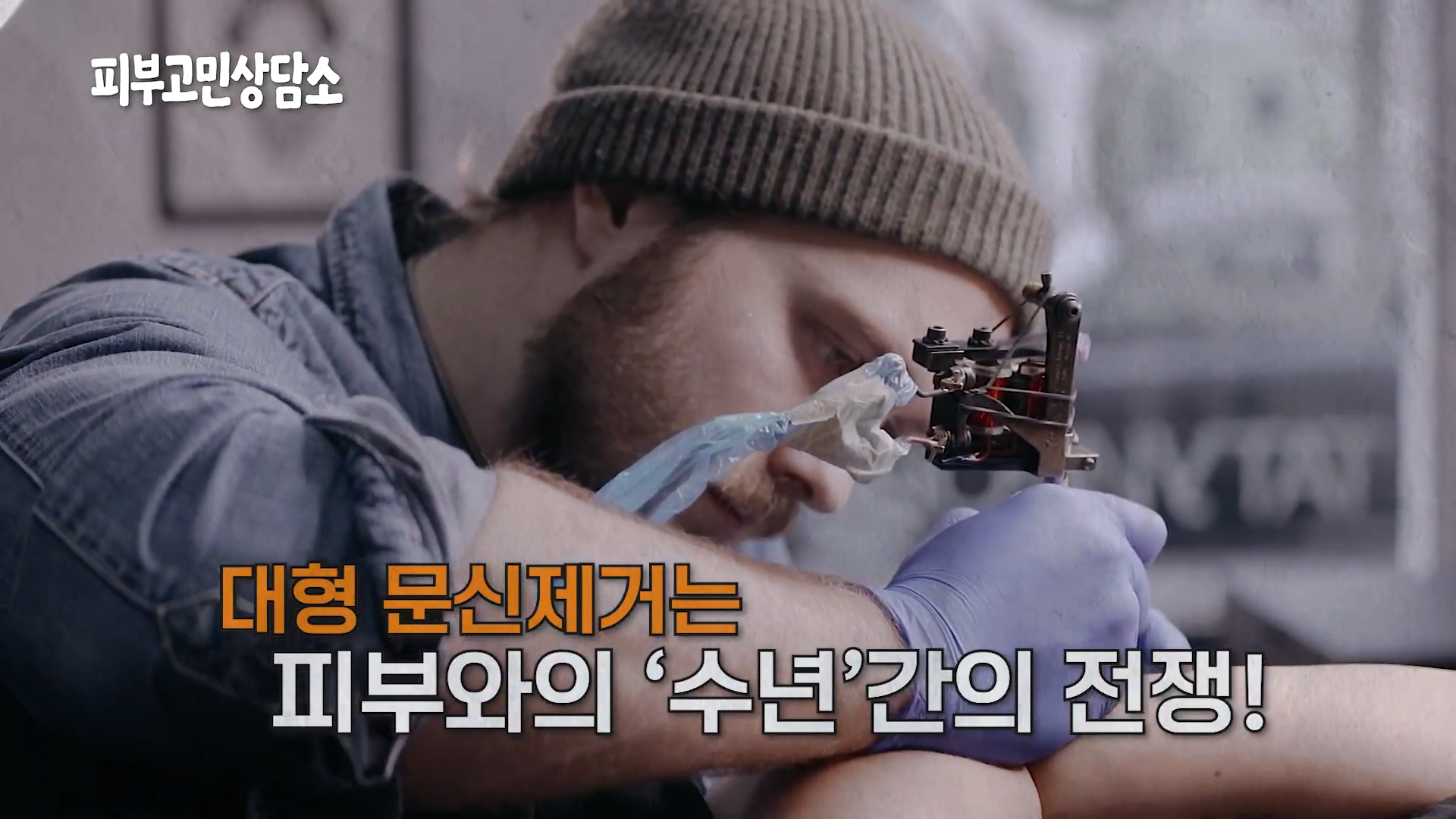
Tattoos are a state where pigment particles are embedded in the dermal layer beneath the epidermis. This layer cannot be reached by ordinary washing or exfoliating methods. Lasers are used for this purpose.
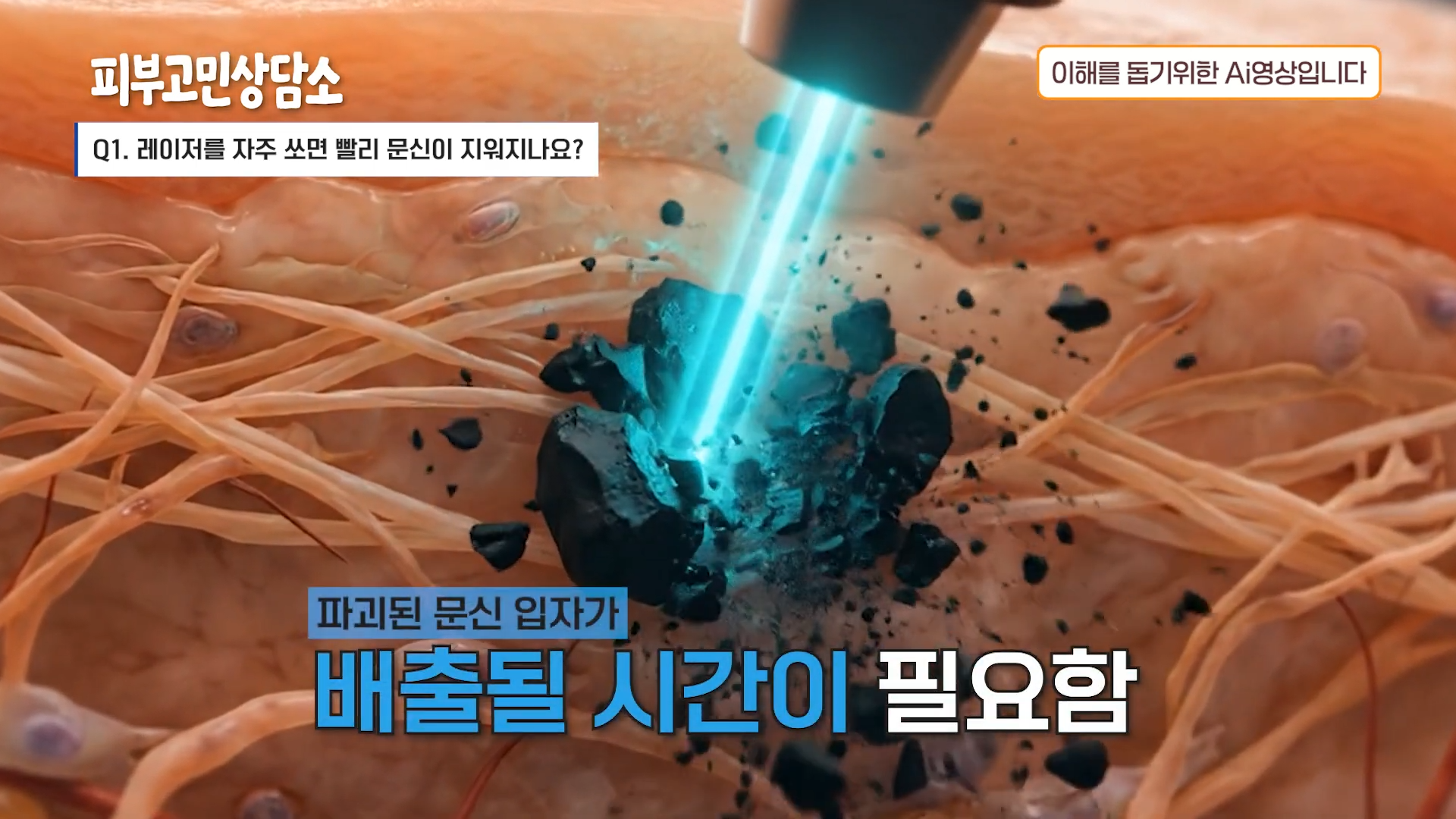
The principle is selective photothermolysis. The laser selectively reacts only with the tattoo pigment particles in the skin, breaking them into tiny fragments. These fragmented pigments are then absorbed by macrophages, our body's immune cells, and expelled from the body. This is why tattoos do not disappear in one go but gradually fade over multiple sessions.

Narrowing Intervals Does Not Speed Up Results
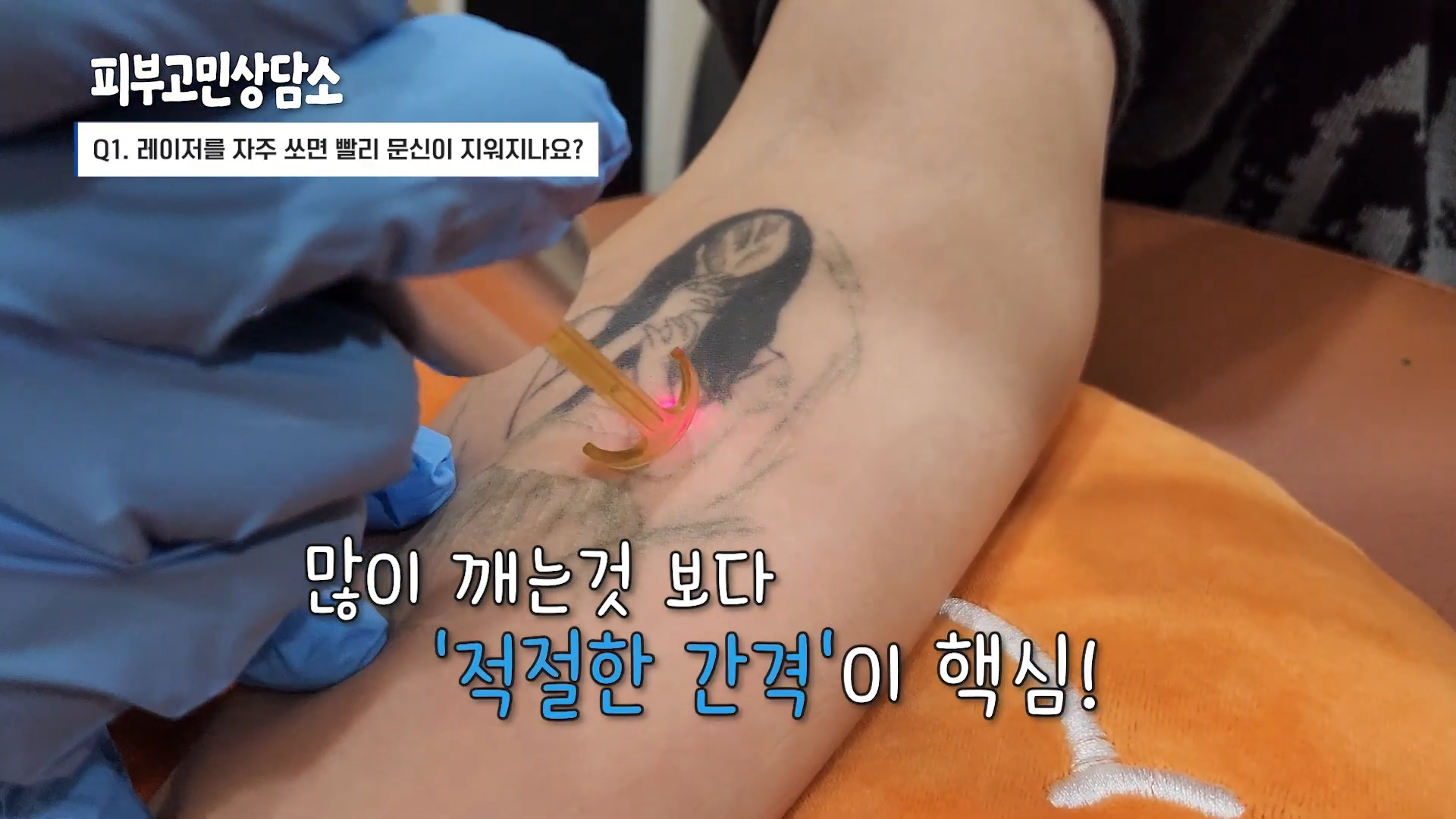
Some people wonder if receiving treatment more frequently will make the tattoo disappear faster, and they try to get sessions in short intervals. However, this approach does not accelerate the results.
Even if the laser breaks down pigment particles, immune cells need sufficient time to absorb and expel those remnants. If the interval is too short, it's like firing the laser again before the destroyed particles have been fully removed.
Ensuring enough time for the destroyed pigment to exit the body is a prerequisite for starting the next session.

Frequent treatments also come with other burdens. Repeated stimulation of surrounding healthy tissue while the laser destroys pigment particles can lead to scarring or fibrosis. Fibrosis refers to the hardening of the skin. For large tattoo removal with extensive treatment areas, interval adjustment becomes even more critical.
If you need to manage scarring, you can refer to the Pinhole for Burn & Surgical Scar treatment guide.

Methods to Reduce Pain
Just as getting a tattoo was painful, removing it also involves pain. This is because the nerves in the surrounding tissue are stimulated the moment the laser destroys pigment particles. The degree of pain experienced varies depending on the tattoo's location, size, and color.
A common method is cooling. When the skin is cooled, the nerves that detect cooling and the nerves that detect pain share the same pathway, so cooling stimulation has the effect of suppressing pain signals.
- For small or light-colored tattoos, treatment is often performed without anesthesia.
- For large tattoo removal with extensive areas or dark colors, topical anesthetic cream or injection anesthesia may be used in combination.
- There are also several other ways to reduce pain, so it is advisable to discuss pain management methods thoroughly with your medical team before the procedure.
If you have any questions, you can easily ask them via Chat Now.


Why Blisters Form and How They Resolve
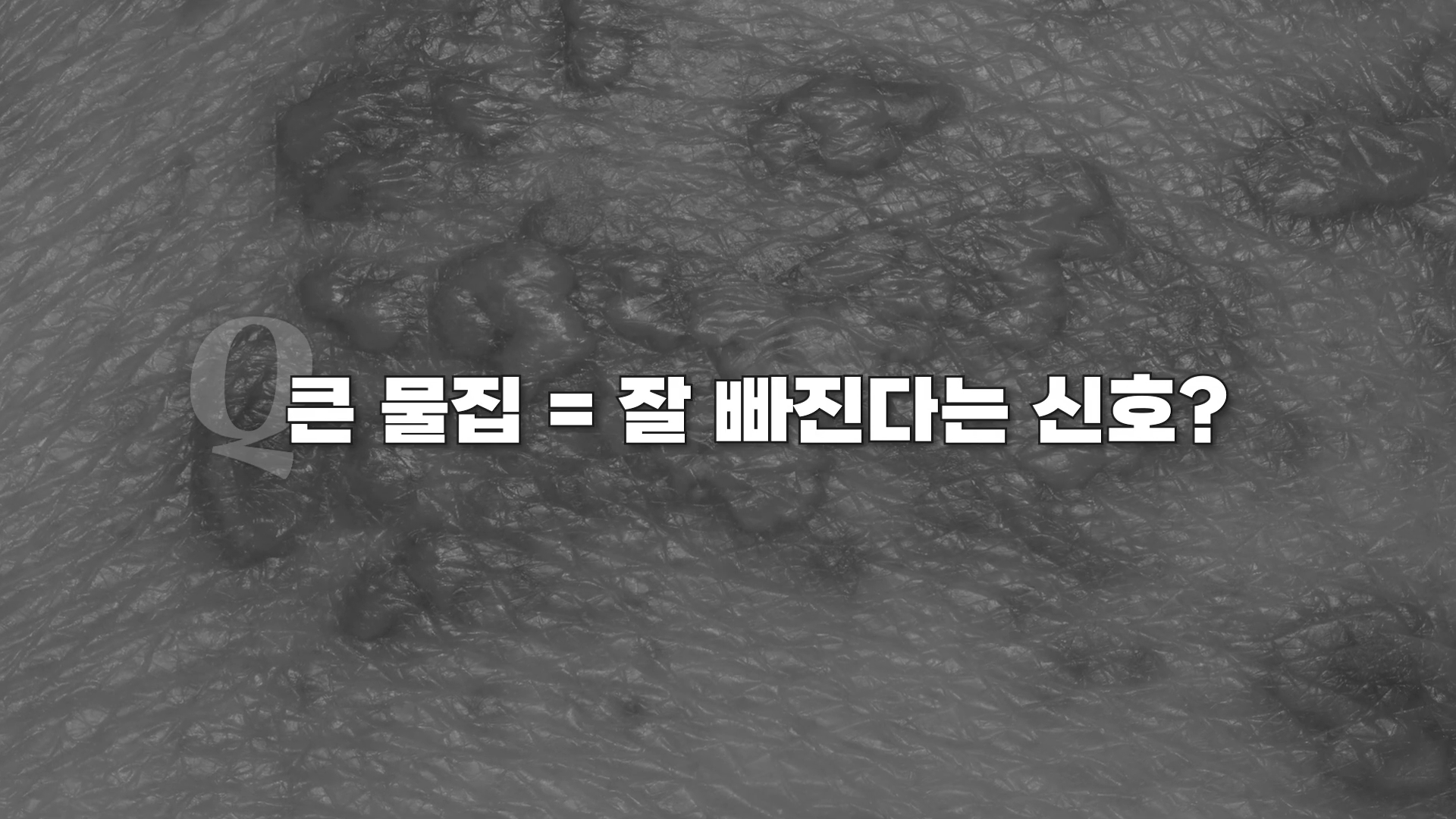
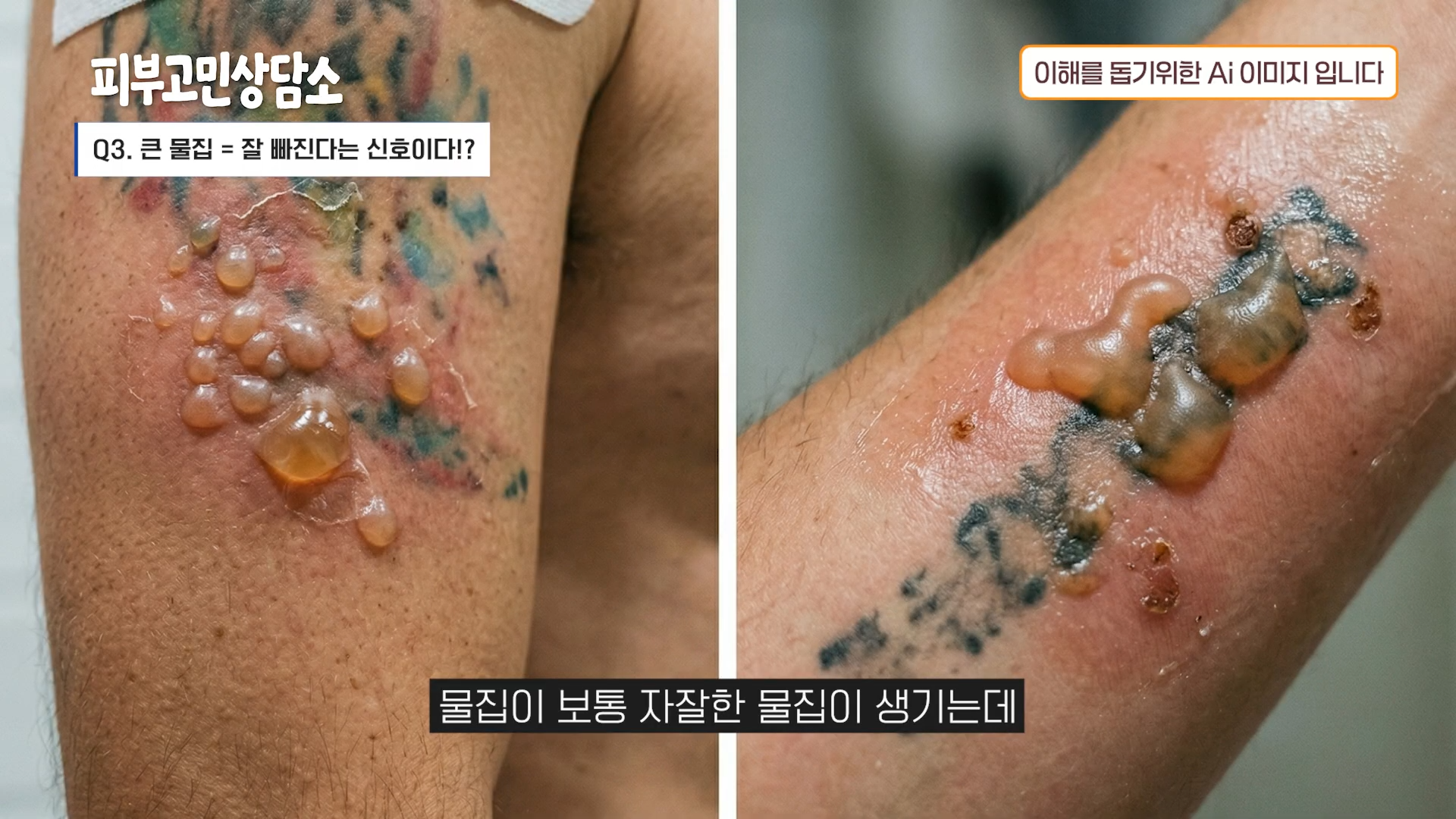
Sometimes, blisters appear on the skin after treatment. While this can be alarming at first, these are different from blisters caused by burns.
Laser tattoo removal delivers strong energy in a very short time. During the process of destroying pigment particles, water within the tissue vaporizes, resulting in the formation of blisters. Small blisters are naturally absorbed, so there is no need to worry excessively. However, if large blisters form, it is safer to have their condition checked.

White Areas Are Not Vitiligo
Unlike black and white tattoos, after removing colored tattoos, especially red ones, the treated area may appear whiter than the surrounding skin. Many people worry that this might be vitiligo.
This is not vitiligo but temporary hypopigmentation. The causes of the two are different:
| Category | Vitiligo | White area after treatment |
|---|---|---|
| Cause | Melanocytes themselves are destroyed | Pigment production is temporarily suppressed as scabs form and fall off |
| Course | Pigment disappears permanently | Most recover to a color similar to the surrounding skin over time |
| Common situations | Occurs regardless of tattoo removal | After removing colored tattoos, especially red ones, more than black and white |
Recovery speed may vary from person to person.


Additional Considerations for Large Tattoos
Large tattoo removal involves more factors to consider compared to small tattoos. Due to the larger treatment area, there may be limitations on the area that can be treated at once, and a more generous recovery period should be planned.
- Before treatment, have a realistic consultation with your specialist regarding the total estimated number of sessions, cost, and duration.
- The more diverse the tattoo colors, the more laser wavelengths suited to each color must be used, which may increase the number of sessions.
- For large tattoos, results can vary significantly depending on skin condition, tattoo depth, and pigment type.
- Adequate moisturizing and sun protection must be maintained throughout the recovery period after treatment.
Differences in methods are summarized in the guides for Nd:YAG Tattoo Removal and R-Zero Pico-Frectat Tattoo Removal.


Correctness Over Speed
Laser tattoo removal is not about speed, but about how correctly it is performed, which determines the results. Whether using PicoWay Laser or a treatment method like R-Zero Technique, the outcome depends on the skill in handling the equipment and accumulated expertise.
Tattoo removal is known to be a time-consuming procedure. This is especially true for large tattoos or colored tattoos with multiple hues. We recommend carefully checking for safety and professionalism and having a thorough consultation before starting.
The overall treatment flow can be found in the Tattoo Removal Treatment Guide.

Authored and Medically Reviewed by Dr. Sang-Joo Lee, Chief Director (Dermatologist) Graduated from Yonsei University College of Medicine · Ph.D. in Medicine from Yonsei University Graduate School of Medicine · Resident in Dermatology at Severance Hospital Currently Adjunct Professor, Department of Dermatology, Yonsei University College of Medicine · President of the Korean Dermatological Association in 2026 View Medical Staff Profile
First Published 2026-05-04 · Last Reviewed 2026-07-29
This article contains general medical information and does not substitute for individual diagnosis and treatment. Results and recovery progress may vary from person to person.