

Looking in the mirror, you might notice dark spots or patches on your cheeks, forehead, or around your eyes. The first question that usually comes to mind is, "Is this melasma or seborrheic keratosis?" While these two pigmentary disorders may look similar, their causes, depth within the skin, and treatment approaches are different.
Today's article will summarize how melasma and seborrheic keratosis differ, what we check in the examination room, and what to consider for treatment and subsequent care. We hope this helps clarify any confusion you may have had.
Melasma and Seborrheic Keratosis: What's the Difference?
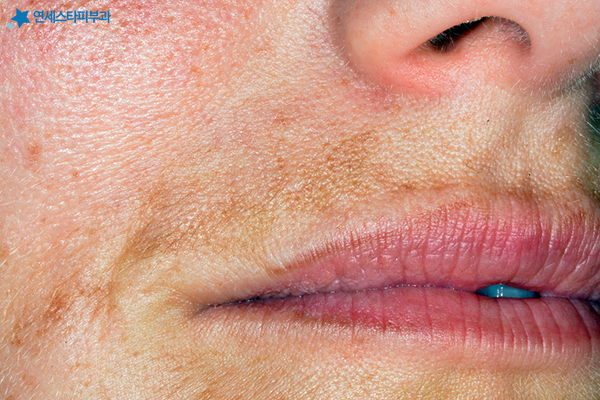
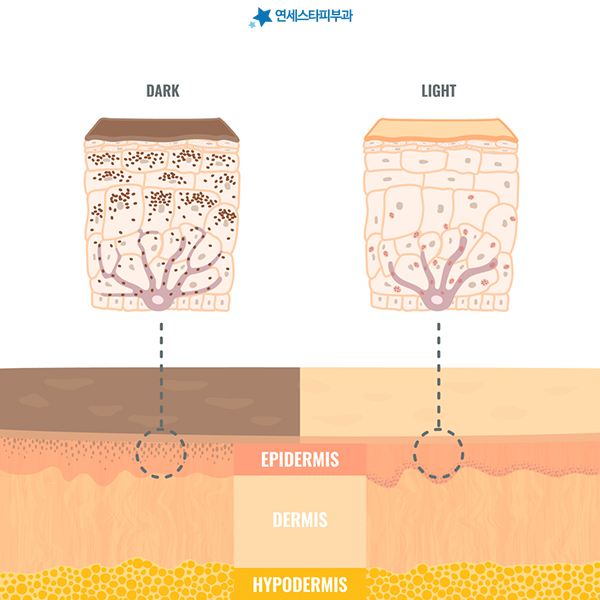
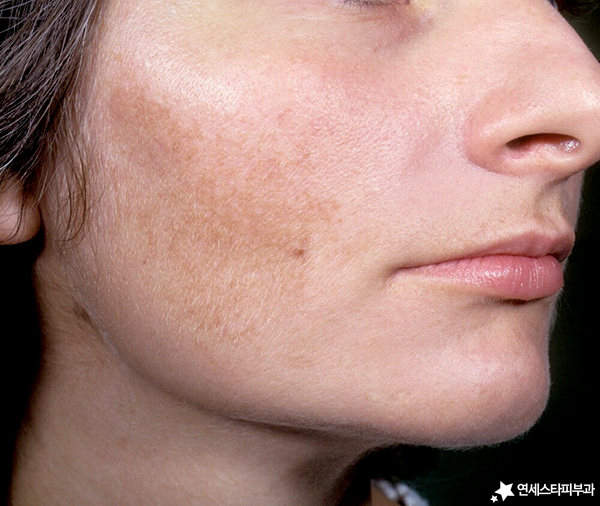
Both conditions share the commonality of melanin pigment depositing in the skin. However, they differ in the shape and depth of pigment placement, and thus in their appropriate treatment methods. Broadly, melasma tends to spread with blurry borders, while seborrheic keratosis is usually darker with distinct, spot-like borders. However, it is not uncommon for both to appear on the same face, making visual differentiation difficult in many cases.
The table below briefly summarizes the commonly discussed differences. This is a general tendency, and actual manifestations may vary from person to person.
| Category | Melasma | Seborrheic Keratosis |
|---|---|---|
| Borders | Blurry, spreading | Generally distinct |
| Depth | Often complex epidermal-dermal pigmentation | Primarily epidermal |
| Surface | Generally flat | Can be raised |
| Treatment Approach | Focused on low-energy, repeated toning | Pigment destruction, surface refinement |
How Are They Distinguished in the Examination Room?

Since visual differentiation alone is difficult, in the examination room, we meticulously check the depth and distribution of the pigment within the dermis before formulating a treatment plan. Melasma often involves complex epidermal and dermal pigmentation, requiring careful handling of lasers. Seborrheic keratosis, a type of benign tumor, has firm borders and high melanin density, and may require a process of shaving down the raised areas to refine the skin surface.
Because of these differing characteristics, the planning stage before treatment is paramount. Even for the same "pigment," the approach varies.
Here are common points of confusion in self-diagnosis:
- If the borders are blurry and spreading, consider the possibility of melasma.
- If it's distinct like a spot and slightly raised to the touch, it might be seborrheic keratosis.
- If it's widely spread symmetrically on both cheeks, it's closer to the pattern of melasma.
- It's difficult to make a definitive judgment as both can be mixed on one face.
Melasma Treatment, Centered on Whitening Laser Toning

Melasma is a pigmentary disorder that reacts sensitively to stimulation. Therefore, it is often better to approach it slowly, adjusting the treatment intensity. A representative method is Pico Toning (PicoWay Laser).

Pico Toning delivers high-output energy in a short time to shatter pigment into fine particles. It is reported to be highly effective for difficult-to-treat pigmentary disorders like melasma. Toning treatment involves repeatedly applying low-energy laser to gradually reduce pigment cells and brighten skin tone, a method widely used for various pigment issues.
If melasma is a concern, referring to Management of Facial Redness and Pigmentation or Customized Whitening Solution can help guide your approach.
Melasma is not a one-time eradication treatment, but rather an area of long-term management to reduce recurrence and maintain skin balance.
Seborrheic Keratosis Treatment, Utilizing RePott Laser

For epidermal pigmentary disorders including seborrheic keratosis and lentigo, RePott Laser is considered a suitable option. It intensively destroys melanin pigment, and the pigment fades as scabs form and fall off after the procedure.
Seborrheic keratosis, being an epidermal pigmentary disorder, is often reported to show noticeable changes even with relatively short-term treatment. However, some cases may require an additional process of shaving down raised lesions to refine the skin surface, so the approach varies depending on the specific manifestation. Epidermal Pigment Removal for spots, seborrheic keratosis, and freckles can also be considered.
If you have any questions, feel free to ask through Melasma and Seborrheic Keratosis Treatment Consultation.
Why Pigmentary Disorder Treatment is Difficult

Pigmentary troubles often recur and react sensitively to stimulation. Incorrect treatment can even darken the pigment, requiring a precise approach.
Many people, tired of repeated treatments, might think, "Wouldn't increasing the intensity finish it faster?" However, excessive stimulation can further darken the pigment or lead to hypopigmentation, where melanin cells themselves are damaged, making the skin much whiter than normal. Therefore, delicate and long-term treatment is necessary.

Here are basic guidelines that can help with home care:
- Consistently use sun protection (a major factor in pigment worsening).
- Avoid irritating exfoliation or frequent rubbing.
- Refrain from overuse of unverified whitening products.
- If changes are observed, confirm with a medical examination rather than self-diagnosing.
What Happens if Left Untreated?

Melasma and seborrheic keratosis are often difficult to accurately diagnose based on symptoms alone, and incorrect self-treatment can further darken the pigment. They are not likely to fade naturally, and if left untreated, their scope may widen and color may deepen.
Therefore, it is crucial to first distinguish between melasma and seborrheic keratosis for an accurate diagnosis, and then design a corresponding treatment plan. Starting with a consultation with a dermatologist is the safest approach.
If you find it difficult to gauge which condition your symptoms are closer to, it is best to get a diagnosis first and then decide on the direction of treatment.

Chief Director Lee Sang-joo (MD, PhD, Yonsei University College of Medicine and Graduate School, completed dermatology residency at Severance Hospital, President of the Korean Dermatological Association) Chief Director Lee Sang-joo's Profile First published 2025-06-19 / Last reviewed 2026-06-16
This content is for general informational purposes only, and treatment effects and progress may vary by individual. We recommend consulting with medical staff for an accurate diagnosis and treatment plan.