
![Melasma Treatment Laser Choice: Why is PicoWay Effective? | [Yonsei Star Dermatology Sinchon]](/_next/image?url=https%3A%2F%2Fagqdgbuateknhwpocrgu.supabase.co%2Fstorage%2Fv1%2Fobject%2Fpublic%2Fsources%2Fbbf3bebe-45b6-4415-bd04-bda18b2cac0f%2Fblog-images%2F223918063261_00_eb5f31bab830.jpg%3Ftype%3Dw966&w=3840&q=75)
Melasma is a pigmentary disorder that, once established, often does not easily fade and can deepen over time. We frequently receive questions in the clinic like, "Which laser should I choose for effective melasma improvement?" The key lies in selecting equipment that precisely reaches the depth where the pigment is located while minimizing damage to the surrounding skin.

During the summer, when UV radiation is strong, melasma can deepen, making the skin tone appear dull and even making one look older. This is a concern for many people. Today, we will explain why PicoWay, a picosecond laser gaining attention as a melasma treatment laser, is recommended, and what you should know before treatment.
Why is melasma not easily removed with general lasers?
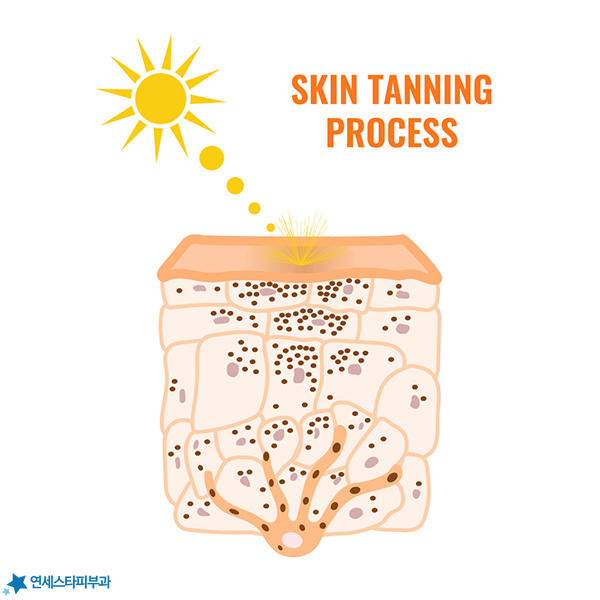
Melasma often involves melanin pigment deposited not only in the epidermis but also deep within the dermis. Therefore, it is not easily removed with conventional lasers that only treat the surface. It is more accurate to understand melasma not merely as a problem of visible pigment, but as a complex pigmentary disorder intertwined with deep skin structures.
Melasma is reported to be a complex pigmentary disorder with pigment distributed across the epidermis and dermis, thus precise laser selection and diagnosis tailored to the depth of the pigment are important.
Although they may seem similar, the approach can differ from lesions where pigment primarily resides in the epidermis, such as blemishes, seborrheic keratosis, or freckles. For a comprehensive overview of pigmentary lesions, you may find it helpful to refer to Epidermal Pigment Removal.
Why is a picosecond laser recommended for melasma treatment?

PicoWay Laser uses ultra-precise pulses in picosecond (one trillionth of a second) units to selectively target only melanin pigment. By concentrating energy on the pigment in a short time, it can treat pigment while reducing thermal damage to the surrounding skin.
For melasma, which requires repeated treatments and is sensitive to irritation, this selective targeting of pigment can help reduce the burden on the skin.
The difference with PicoWay, among picosecond lasers?

PicoWay is one of the leading picosecond laser models, featuring a shorter pulse duration and higher output than existing devices. As laser energy is concentrated on the pigment with almost no thermal damage to surrounding tissue, it is considered suitable for melasma treatment lasers, which involve sensitive pigment issues and require repeated treatments.
However, even with the same equipment, results may vary depending on the depth of the melasma and skin condition. The accuracy of diagnosis and treatment planning often plays a larger role in determining the outcome than the equipment itself.
What is the treatment cycle and number of sessions?

Melasma treatment using a picosecond laser is generally recommended for 5 or more sessions at 2-4 week intervals. Many people experience changes after 5 or more sessions, and deep melasma may require more than 10 treatments.
However, as this is relative to the extent and depth of melasma and skin condition, the treatment period and number of sessions are determined after thorough assessment and consultation. PicoWay is known to be relatively less irritating and has a faster recovery, making it a less burdensome device to combine with other treatments according to skin condition.
If you wish to improve overall skin tone along with melasma, consulting about a Customized Whitening Solution as a combined approach could be an option.
For any questions, inquire via chat consultation for melasma and pigment laser treatment
How to care for your skin after PicoWay treatment

After laser treatment, the skin may temporarily become sensitive, so paying attention to the following points can help with recovery:
- Thorough UV protection: UV radiation is a major cause of melasma, so meticulously use sunscreen immediately after treatment.
- Reduce skin irritation: When washing your face, do so gently without rubbing, and avoid irritating products like exfoliants for a certain period.
- Sufficient hydration: The skin may become dry after treatment, so focus on moisturizing care.
- Avoid self-diagnosis: If pigment temporarily darkens or changes are felt, consult with medical staff rather than attempting self-treatment.
Who has been satisfied?
Picosecond laser melasma treatment is reported to have relatively high satisfaction among those who:
Have experienced frequent melasma recurrence despite various treatments, wish to improve blemishes, freckles, and enlarged pores along with melasma, and want comprehensive care for not only pigment but also skin tone and texture. Picosecond lasers are known to target pigment while inducing collagen regeneration, which can lead to additional benefits in improving skin elasticity and texture.
| Comparison Item | General Laser | Picosecond Laser (PicoWay) |
|---|---|---|
| Pulse Unit | Nanosecond-centric | Picosecond unit |
| Pigment Target | Epidermal pigment-centric | Precise targeting of epidermal and dermal pigment |
| Surrounding Thermal Damage | Relatively large | Reported to be relatively small |
| Suitable Cases | Superficial pigment | Repeated/sensitive melasma management |
Ultimately, accurate diagnosis is important

Melasma is more than just a visible pigment problem; it is a complex pigmentary disorder connected to deep skin structures. Therefore, accurate diagnosis and appropriate laser selection are crucial. While various devices have recently emerged, using a device that precisely targets pigment and has a low irritation burden, like a picosecond laser, can be a method for melasma treatment.

We recommend proceeding after considering what equipment the dermatology clinic uses, how meticulously they diagnose and plan management, and whether you can trust the practitioner's experience. Melasma treatment laser is a choice that affects the overall impression of the skin beyond simple pigment removal, so it is advisable to start safely with precise equipment if possible.

If you have been struggling with melasma for a long time, the first step is to have your skin condition directly assessed and a management plan established, rather than making judgments alone.

Chief Director Lee Sang-ju (MD, PhD, Yonsei University College of Medicine and Graduate School, completed dermatology residency at Severance Hospital, President of the Korean Dermatological Association) Chief Director Lee Sang-ju's Profile First published 2025-07-01 / Last reviewed 2026-06-16
This content is for general information purposes only. Treatment effects and progress may vary individually, and accurate diagnosis and treatment direction should be confirmed through consultation with medical staff.