

Simply put, a scar is a mark left after a wound heals. Most fade over time, but some, like keloids, continue to grow beyond the original wound area and become hardened. Therefore, the first question patients ask is usually similar: "Will this scar disappear if I just leave it alone?" To answer directly, keloids rarely shrink naturally, so it's crucial to accurately identify their form and cause before determining the treatment direction.
What are Keloids?
Unlike typical scars, keloids are scars that protrude convexly beyond the wound area and onto the skin.
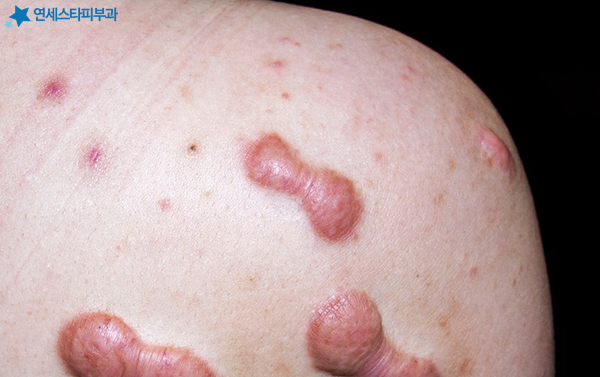
They are easily confused with hypertrophic scars, which look similar. The differences are as follows:
- They are reddish and feel firm to the touch.
- They do not easily shrink over time.
- Instead, they may grow larger, extending beyond the initial wound area.
- They can be accompanied by pain such as itching, stinging, and pulling sensations.

Due to these characteristics, keloids can cause not only aesthetic problems but also daily discomfort and psychological stress, making them difficult to view as mere skin marks. This is why many people look for various treatment methods for keloid scars.
Forms Vary by Location and Cause
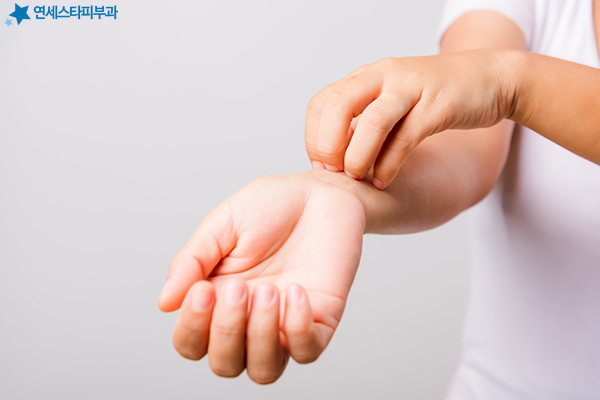
Keloids often appear in different forms depending on their location and the cause of the injury. In the examination room, even keloids on different body parts can show quite different patterns.
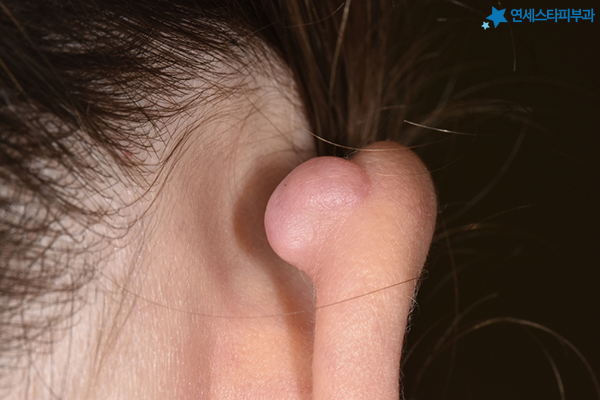
| Area | Common Cause | Manifestation |
|---|---|---|
| Shoulder | BCG vaccination scar from childhood | Develops inflammatorily, easily reddens with minor irritation, and severe itching |
| Chest | Frequent rubbing against clothing | Spreads broadly in a flat shape, making the scar highly visible |
| Face, Back | Acne | Acne marks develop into keloids |
| Ear | Behind the ear, earlobe | Protrudes like a lump |
Because the location and causes vary so much, a tailored approach is needed rather than uniformly applying the same treatment.
Why You Shouldn't Delay Treatment
The most important aspect of keloid treatment is not to delay it. If they occur in areas with a lot of movement, such as joints or around the sternum, they can cause discomfort when moving, and continuous irritation from clothing friction can worsen the condition.
Keloids tend to grow larger and harder over time, and it is extremely rare for them to naturally shrink or disappear.
Early management increases the likelihood of reducing the extent of deformation, so it is advisable to consult with medical staff when symptoms first appear.

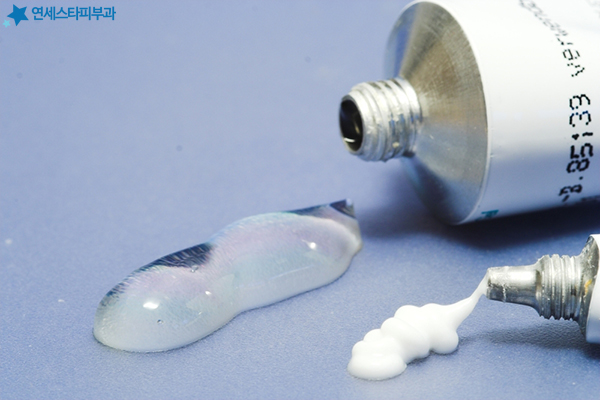
Many prefer injection treatment to finish treatment quickly. Although it seems simple, the pain experienced during treatment can be considerable, leading some to discontinue it. Recently, it has been reported that low-pain injection methods can make treatment more comfortable, so checking this aspect when choosing a clinic can be helpful.
If you are considering keloid scar management, we recommend reviewing how Triamcinolone Scar Injection treatment is performed in advance.
For any questions, inquire via chat consultation about keloid scar treatment
Why Injection Treatment Alone Is Insufficient
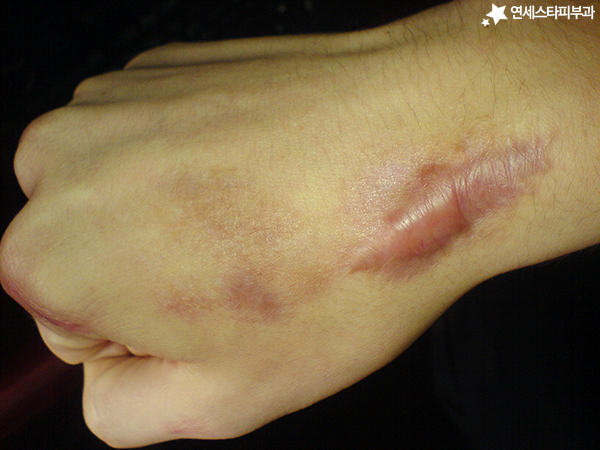
Many people think that injection treatment, which helps reduce scar height, might be sufficient because it is relatively simple to receive. However, keloids are a problem of excessive proliferation of collagen cells within the skin. If this underlying cause is not addressed, the improvement will likely remain superficial.
By combining injection treatment, which is effective in reducing the height of surface scars, with Laser Lesion Removal for keloid scars, it is possible to suppress excessive collagen proliferation and reduce the likelihood of recurrence, thereby maintaining the effect for longer.
Here are some points to check when considering combination therapy:
- The location of the scar and whether it is in an area with a lot of movement.
- The degree of accompanying symptoms such as redness, itching, and pain.
- Whether a low-pain injection method is available to reduce discomfort.
- Whether laser treatment is combined to reduce recurrence and the management cycle.
Gradual Improvement Through Consistent Management

Keloids can continuously grow and deform depending on individual constitution and irritation, so a single treatment alone may be less effective. Gradual improvement can be expected when combining laser and injection treatments with consistent management.
As with all scar treatments, dramatic results are difficult to achieve with just one or two short procedures. However, because keloids can cause not only aesthetic concerns but also daily discomfort, active treatment and management are recommended. If you have similar concerns, it is advisable to have your condition checked in the examination room, along with other scar types such as cosmetic surgery scars.

If you're wondering whether your scar is a keloid or a hypertrophic scar, or which treatment combination is right for you, check your condition first.
💬 Consult Now
Chief Director Lee Sang-ju (MD, PhD, Yonsei University College of Medicine and Graduate School; completed dermatology residency at Severance Hospital; President of the Korean Dermatological Association) Chief Director Lee Sang-ju's Profile First published 2025-07-10 / Last reviewed 2026-06-16
The appearance of scars and treatment responses may vary by individual, and we recommend determining an accurate diagnosis and treatment plan through an in-person consultation with medical staff.