
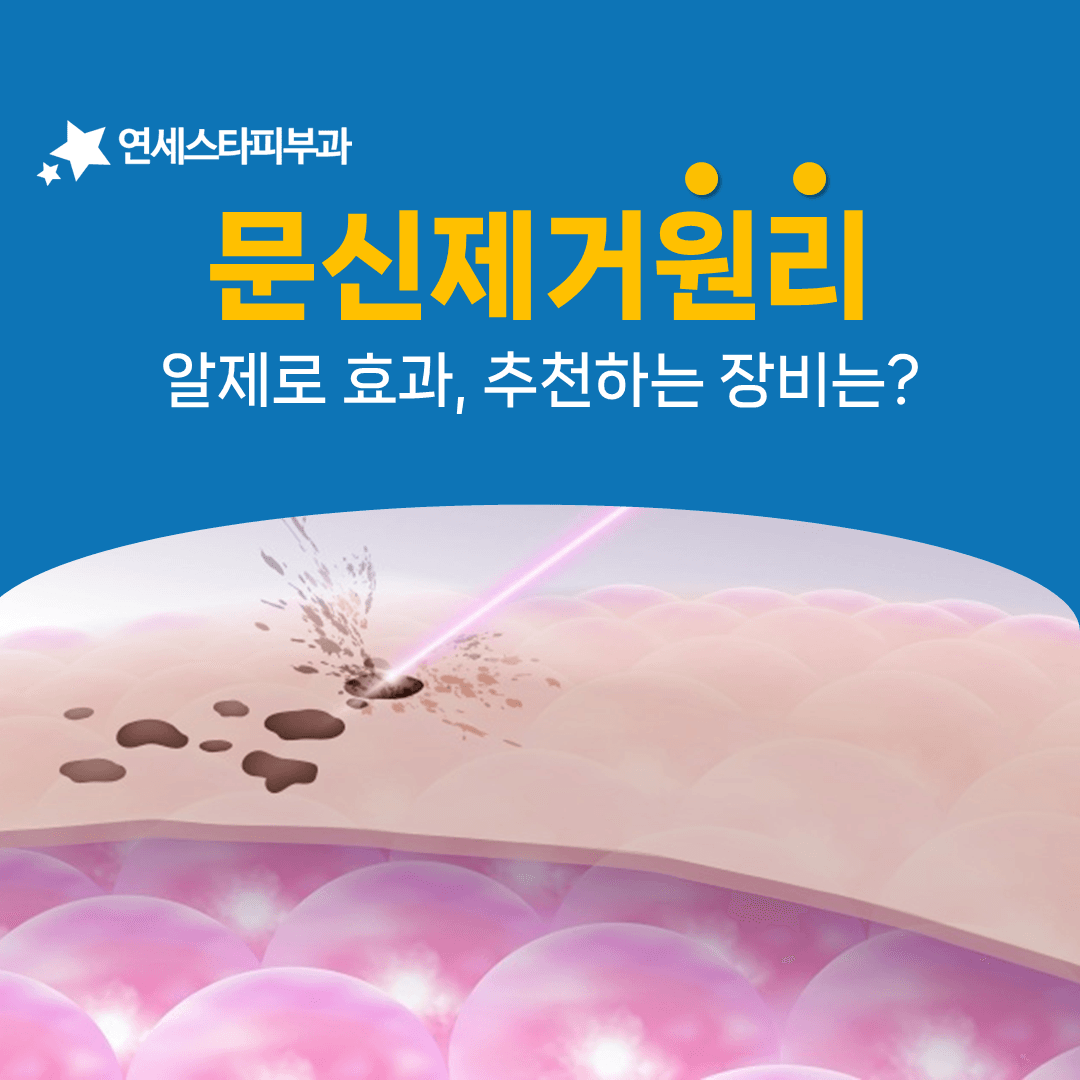
The principle of tattoo removal: How can deeply etched tattoos in the skin be erased with a laser?
We've summarized the common principles, the differences between recently used equipment, and what to check for more effective removal.
The body recognizes ink as a foreign substance
When it comes to removing tattoos, many people think of laser methods. However, simply shooting a laser at the skin does not guarantee safe removal.
Unlike normal skin cells, pigments injected into the skin are recognized by the body as foreign substances. Therefore, it is difficult for them to be naturally absorbed or expelled.
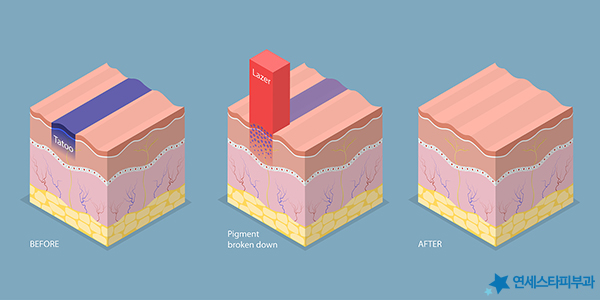
After breaking them down, immune cells carry them away
Lasers use specific wavelengths that selectively absorb pigments. When the pigments receive that energy and are broken into tiny fragments, they become a size that immune cells can process, and are gradually absorbed and expelled.
The gradual fading of a tattoo visible from the outside is the result of this process.
The overall treatment flow is summarized in Tattoo Removal Treatment Guide.
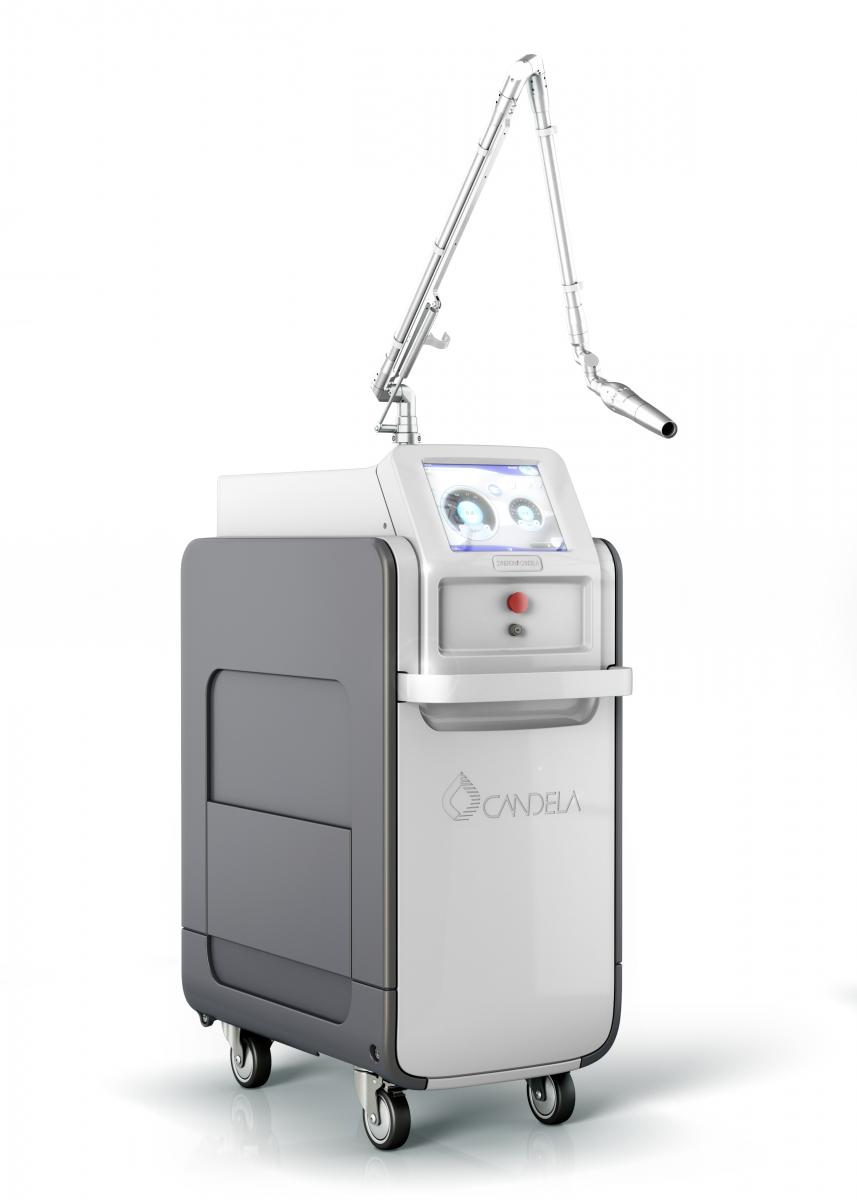
Not all Pico Lasers are the same
One of the most commonly used devices for tattoo removal recently is PicoWay. It delivers energy with picosecond-unit pulses, which are much shorter than traditional nanosecond-unit lasers.
There are various types of lasers that utilize picoseconds, so even among Pico Lasers, the equipment may not be the same at every clinic. PicoWay is one of them.
| Item | General Devices | PicoWay |
|---|---|---|
| Number of Wavelengths Used | About 1 to 2 | 4 |
| Pigment Treatment Range | Relatively limited | Expanded to both depth and color |
| Difficult Colors | Response may be limited | Shows good response even to green tones |
This difference in performance is why it's important to check the equipment along with the principle of tattoo removal. Wavelength configurations can be seen in R-Zero Pico-Frectat Tattoo Removal Guide, and other methods in Nd:YAG Tattoo Removal.

Treatment methods must also evolve together
If the equipment has improved, the treatment methods that maximize laser utilization must also evolve. The R-Zero Technique is the result of that consideration.
Existing methods had the limitation of only being able to perform a single irradiation per session. It was a pity that while the equipment could achieve good results, the process took a lot of time and intervals.
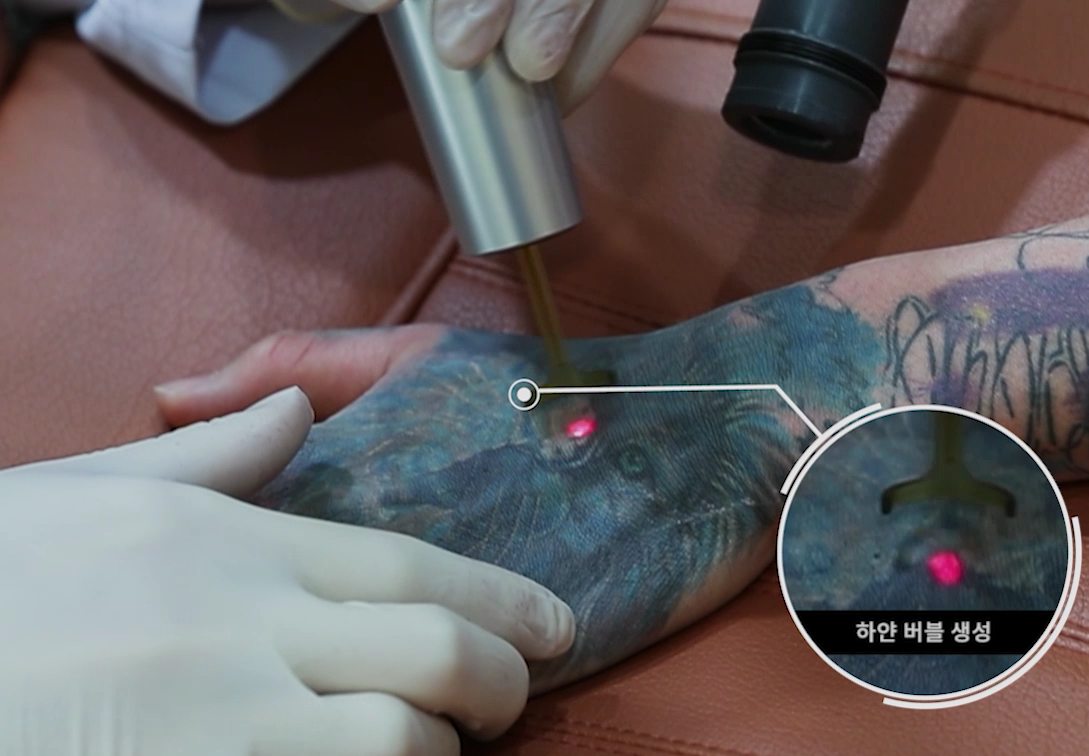
A method to clear the bubble layer and create a path
The reason it's difficult to apply the laser multiple times is due to the bubble layer that appears after the treatment.
- A special solution is applied to quickly clear the bubble layer
- This creates an environment where the laser can pass through
- Thanks to this, repeated irradiation up to 4 times becomes possible
Since the amount that can be treated in one session increases, this leads to a reduction in the overall treatment period.
What to check before choosing a clinic
We recommend checking whether management is in place to prevent the skin temperature from rising excessively due to the laser during the procedure, and how methods to prevent skin damage are carried out.
Since it is a procedure that requires repeated sessions, sensitivity to pain is inevitable. If you are concerned about the burden of scars, you may also refer to the Pinhole for Burn & Surgical Scar Treatment Guide.

The overall treatment routine is not significantly different. However, since it is a topic that requires ensuring safety along with removal, it is necessary to be cautious before deciding on a procedure and clinic.
The time and effort invested will vary depending on how efficiently the principle is applied, what equipment is used to enhance performance, and whether you meet a specialist with an understanding of the principle. You can ask any questions via Chat Now.

Authored · Medically Reviewed by Chief Director Lee Sang-joo (Dermatologist) Graduated from Yonsei University College of Medicine · Doctor of Medicine · Resident in Dermatology at Severance Hospital Currently Adjunct Professor, Department of Dermatology, Yonsei University College of Medicine · President of the Korean Dermatological Association in 2026 View Medical Staff Profile
First Published 2025-09-11 · Last Reviewed 2026-07-29
This article contains general medical information and does not substitute for individual diagnosis and treatment. Results and recovery may vary by individual.