
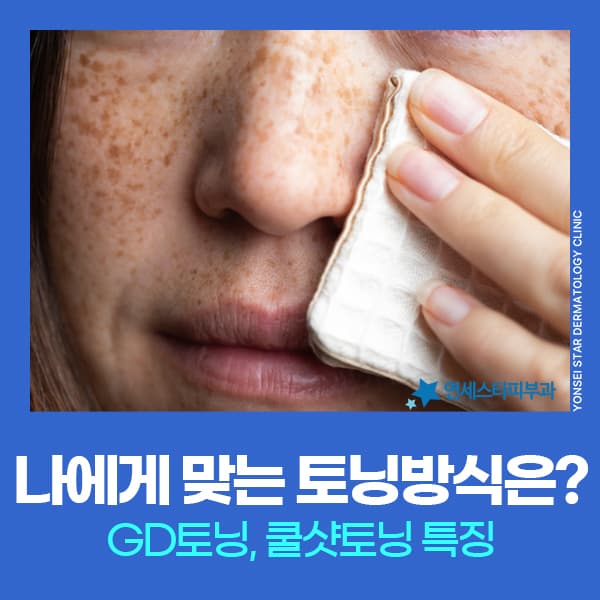
When researching toning, you might get stuck realizing there isn't just one method. The deciding factor here isn't the superiority of the equipment, but rather what your skin urgently needs right now. The choice differs between wanting to quickly remove pigment and improve texture, and needing to minimize irritation for a safe approach.
Why Toning Isn't a One-Time Treatment
Toning is a procedure that gradually pushes out pigment through repeated laser application. Instead of using strong energy to eliminate pigment all at once, it builds up changes with multiple low-output sessions. Therefore, how your skin tolerates irritation during these sessions determines the choice of method.
This is why it's difficult to apply the same treatment to someone who wants to quickly brighten their tone and someone who is sensitive to irritation. It's also possible to combine the two methods, alternating them to leverage the advantages of each.
GD Toning — Addresses Pigment and Keratin Simultaneously
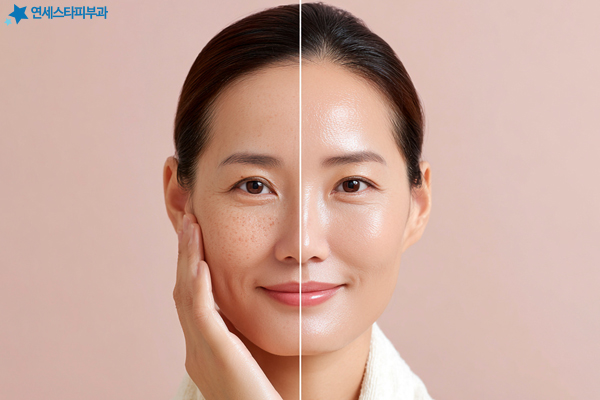
GD Toning involves applying an ampoule containing diamond crystals and gold particles, followed by low-output laser irradiation. The surface temperature of the gold particles, heated by the laser, instantly rises significantly, causing the diamond crystals to bounce off. This physical action helps to remove old keratin.
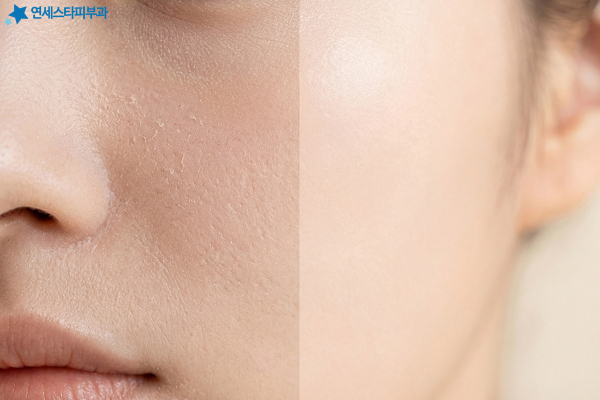
Melasma and blemishes often span both the epidermis and dermis. Originally, deep pigment would be managed with lasers and surface pigment with peeling. However, GD Toning addresses both layers in a single procedure.
This can relatively reduce the burden of multiple sessions, and as keratin is removed, patients tend to feel their tone brighten relatively quickly immediately after the procedure. The irritation is also not significant enough to require anesthesia, making it a viable option when you want to address both pigment and skin texture.
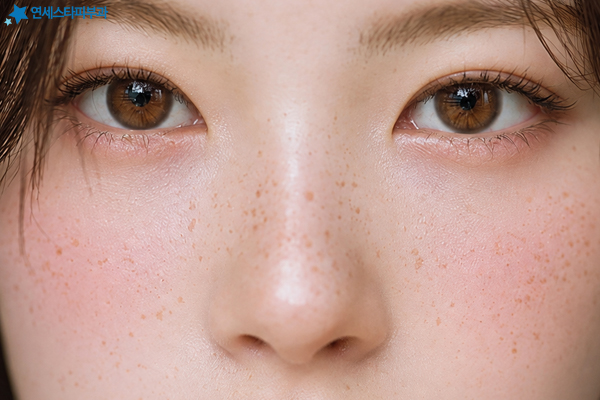
Cool Shot Toning — A Method with Reduced Heat Burden
If you found the heat sensation of traditional toning bothersome, Cool Shot Toning might be more suitable. It's designed to cool the skin surface simultaneously with irradiation, preventing a rapid rise in temperature, which reduces heat irritation and pain.
The equipment, CureMax, uses two wavelengths. 1064nm reaches melanin in deeper layers, while 532nm targets blemishes closer to the surface. This means the wavelength can be selected based on the depth of the pigment. Adding the Flex mode, which extends the pulse duration, broadens the scope to include pigmentary lesions other than melasma and blemishes.
This method is primarily recommended for individuals with thin skin or those concerned about pain during the procedure.
Even if the Surface Looks the Same, the Causes Differ
Both methods have distinct uses, but even if pigments appear similar to the eye, the approach changes if their cause and depth differ. Regardless of which toning method you choose, it's essential to first confirm the type and depth of the lesion and determine the energy intensity before the procedure.
Especially with toning, which is based on repetition, the initial session's settings will influence the results of all subsequent sessions. It is safer to have your condition checked by a dermatologist who can assess both skin sensitivity and pigment status.
In Summary
When it comes to laser toning, the direction is more important than the equipment name. If you want to improve both pigment and texture, GD Toning is a good starting point. If you need to reduce irritation and proceed steadily, Cool Shot Toning is the way to go. A combination of both methods is also an option. We recommend confirming the method suitable for your skin through a consultation.

Author · Dr. Lee Sang-joo / Dermatologist Dr. Lee Sang-joo is the chief director of Yonsei Star Dermatology Sinchon and has extensive experience in treating pigmentary disorders and scars. He serves as the president of the Korean Dermatological Association in 2026 and an adjunct professor at the Department of Dermatology, Yonsei University College of Medicine. Detailed credentials can be found in his medical staff profile. · Last reviewed on August 31, 2026
This article is intended for general medical information and the number of treatments and results may vary depending on the type and depth of pigment and individual skin condition. Please consult a dermatologist for an accurate diagnosis and treatment plan.