

If a scar rises even after healing
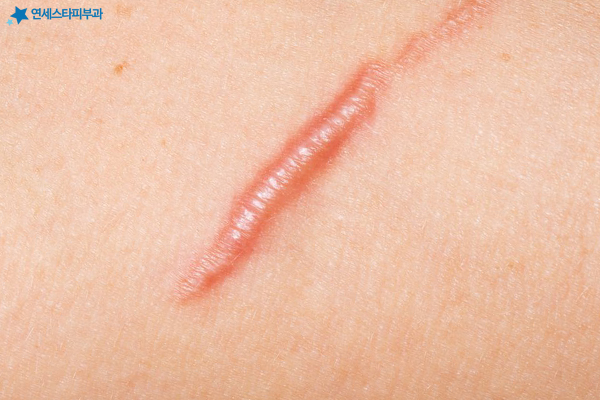
If you thought a wound had fully healed, but the skin is swollen and hardened, it might not be a simple scar. Many people's first question is, "Is this just a scar, or is it a scar I need to be more concerned about?" To put it simply, if it's a scar that spreads beyond its boundaries and is itchy or painful, it could be a keloid scar. If it has only thickened within the wound area, it's closer to a hypertrophic scar.
Keloids and Hypertrophic Scars: What's the Difference?
Both scars are 'raised scars' where the skin protrudes, so they may look similar on the surface. However, their causes, progression, and management approaches differ, so accurately distinguishing between them is the first step toward proper care.

| Category | Keloid Scar | Hypertrophic Scar |
|---|---|---|
| Extent | Extends beyond the original wound boundary, invading surrounding healthy skin | Thickens only within the wound boundary |
| Time Course | Difficult to shrink naturally, persists for a long time | Tends to flatten within several months to about 2 years |
| Associated Symptoms | May be accompanied by itching and pain | Relatively fewer symptoms |
| Common Sites | Areas with high skin tension such as ears, shoulders, chest, jaw | Surgical sites, burns, deep trauma sites |
| Related Factors | Associated with family history | Acquired injury is the main cause |
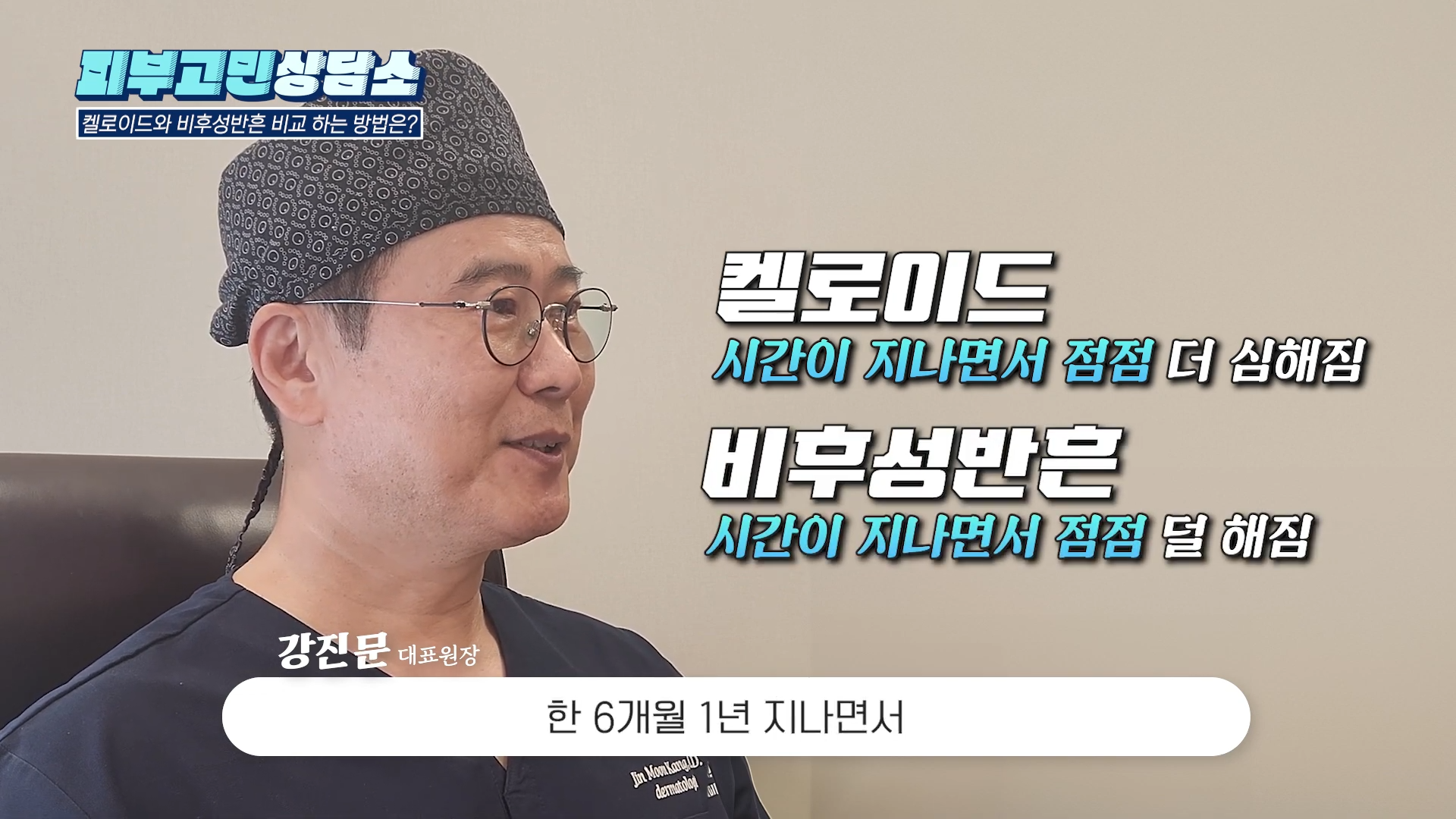
Why are Keloid Scars More Challenging?
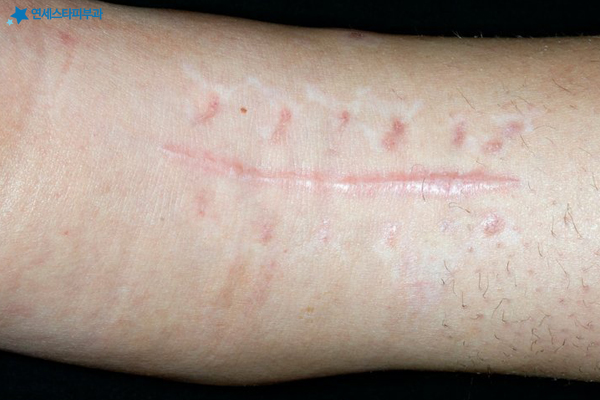
Keloid scars are characterized by excessive collagen production during the wound healing process, extending beyond the original wound area to invade surrounding healthy skin. They are difficult to shrink naturally over time and may even be accompanied by itching or pain. They tend to occur in areas with high skin tension such as the ears, shoulders, chest, and jaw, and are known to be associated with family history.
In contrast, hypertrophic scars only thicken within the wound boundary and tend to flatten naturally within several months to about 2 years. They are often caused by acquired factors such as surgery, burns, or deep trauma, and are relatively common in those who have experienced surgical scars or burn scars.
Although keloids and hypertrophic scars are similar in appearance, their progression differs, so whether the scar extends beyond its boundaries is a key distinguishing factor.
Injection Treatment: A Pillar in Managing Hardened Scars
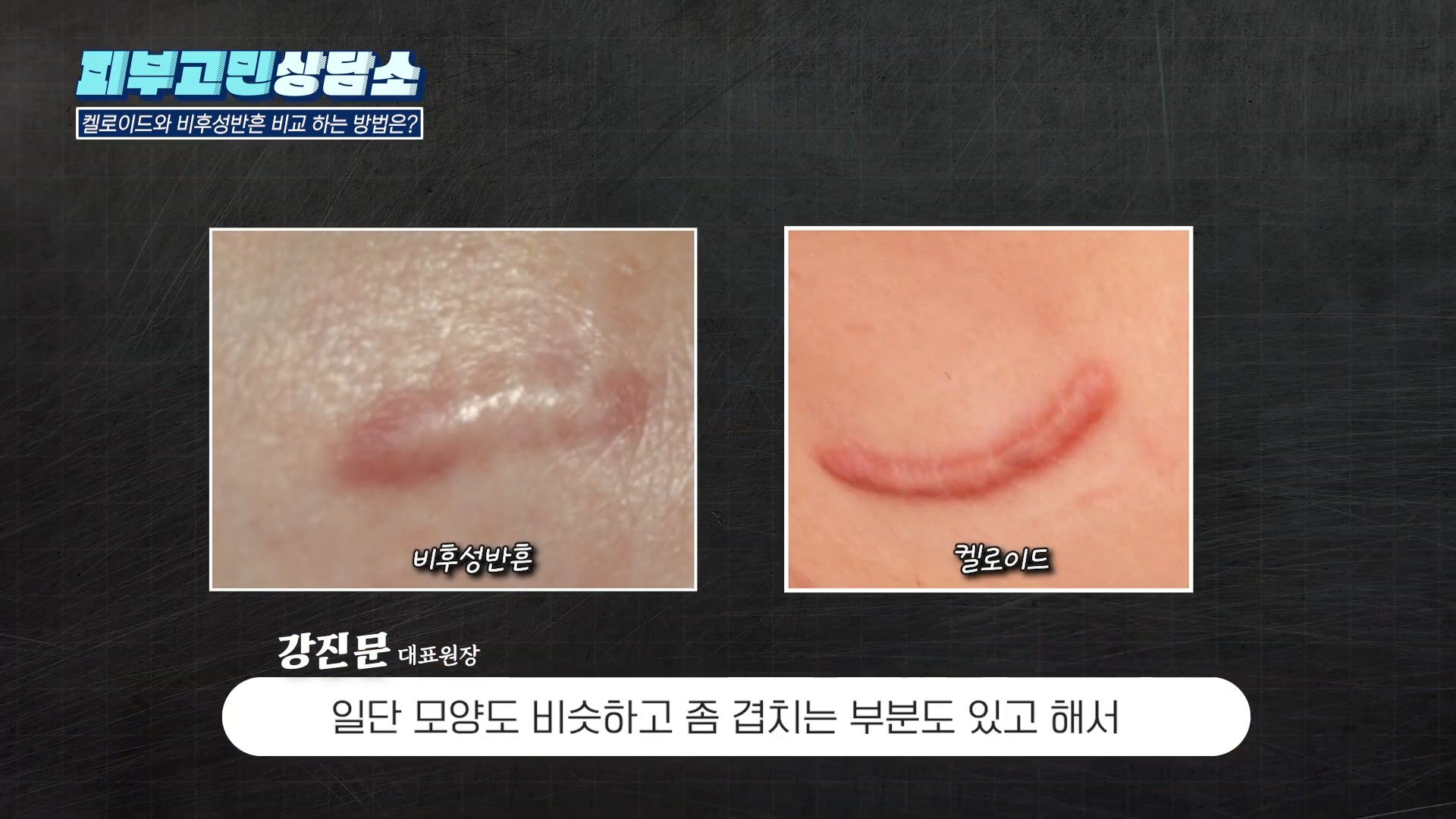
Keloid scars often do not show sufficient improvement with a single method. Therefore, combining laser treatment with intralesional steroid injections is gaining attention in dermatology clinics and hospitals. Triamcinolone Scar Injection can help suppress excessively proliferated collagen tissue and is used to control scar enlargement and soften its hardened texture. However, injections alone may help reduce volume but may have limitations in improving color or surface texture.
While the injection process itself may seem simple, significant pain can accompany the drug's entry into the scar tissue, leading many to discontinue long-term repeated treatments. As technology advances, methods to reduce pain and discomfort during treatment are now being utilized, so careful verification of the treatment method can lead to a more comfortable experience.
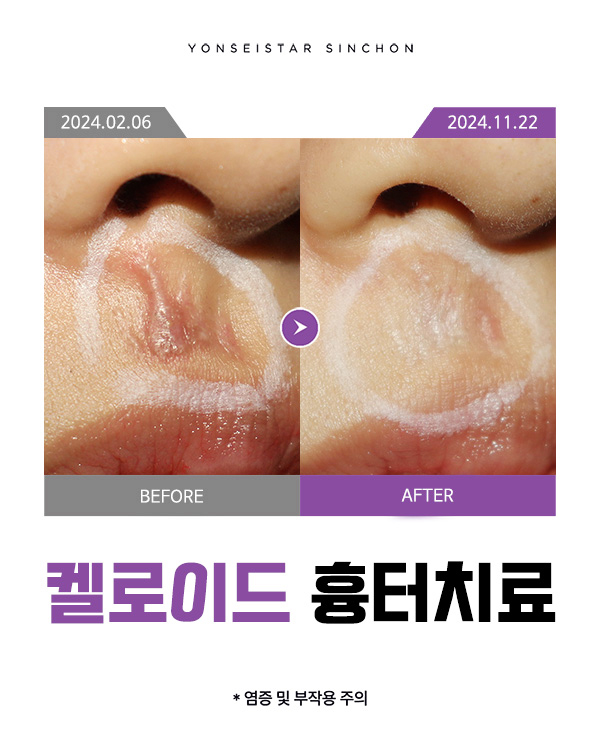
If your scar is hard or bothers you with itching, we recommend consulting a specialist to identify the scar type rather than self-diagnosing. If you have any questions, please contact us for scar type and treatment consultation.
What Changes When Lasers Are Used Together?

The reason for combining laser treatment with injections is to compensate for each other's limitations. Vascular lasers (such as Vbeam) are known to help reduce redness by controlling vascular reactions in the scar area and prevent further scar expansion. They work by suppressing blood supply within the lesion to reduce collagen overgrowth.
By suppressing volume with injections and refining the surface and color with lasers, a more multifaceted approach becomes possible than using each separately. In the clinic, even with the same keloid, the combination ratio often varies depending on the area, degree of hardness, and pattern of redness from person to person.
Here are some important points to check together in scar management:
- Check if the scar spreads beyond the wound boundary
- Look for accompanying symptoms such as itching or pain
- Distinguish what bothers you more: color (redness) or surface texture
- Recall if any family members have experienced similar scars
- Confirm if the management plan allows for follow-up observation rather than just short-term treatment
Why Consistent Observation is Necessary
Keloid scars are reported to have a possibility of recurrence, so it is important to establish a systematic management plan with consistent follow-up observation under the judgment of a specialist, rather than concluding with short-term management. If a surgical scar has risen thickly, approaches such as cosmetic surgery scar management or Surgical Scar Revision may also be considered, with the direction varying depending on the type and condition of the scar.
Rather than self-diagnosing, we recommend consulting with a dermatologist or plastic surgeon to accurately identify your scar type and condition, then establishing an appropriate management plan. If your scar persists for a long time or feels like it's getting bigger, contact us via chat for scar treatment consultation to first assess your condition.

Sang-Joo Lee, Chief Director (MD, PhD, Yonsei University College of Medicine and Graduate School; Completed Dermatology Residency at Severance Hospital; President of the Korean Dermatological Association) Chief Director Sang-Joo Lee's Profile First published 2026-05-21 / Last reviewed 2026-06-16
Scar progression and treatment response may vary individually, and accurate diagnosis and treatment direction should be determined through consultation with medical staff.