

Red or dark marks left after acne subsides are often a concern every time you look in the mirror. The first question that comes to mind usually boils down to one: "Will this mark disappear on its own over time, or will it remain as a scar?" To put it simply, accurately distinguishing the nature of the mark is the starting point for management.
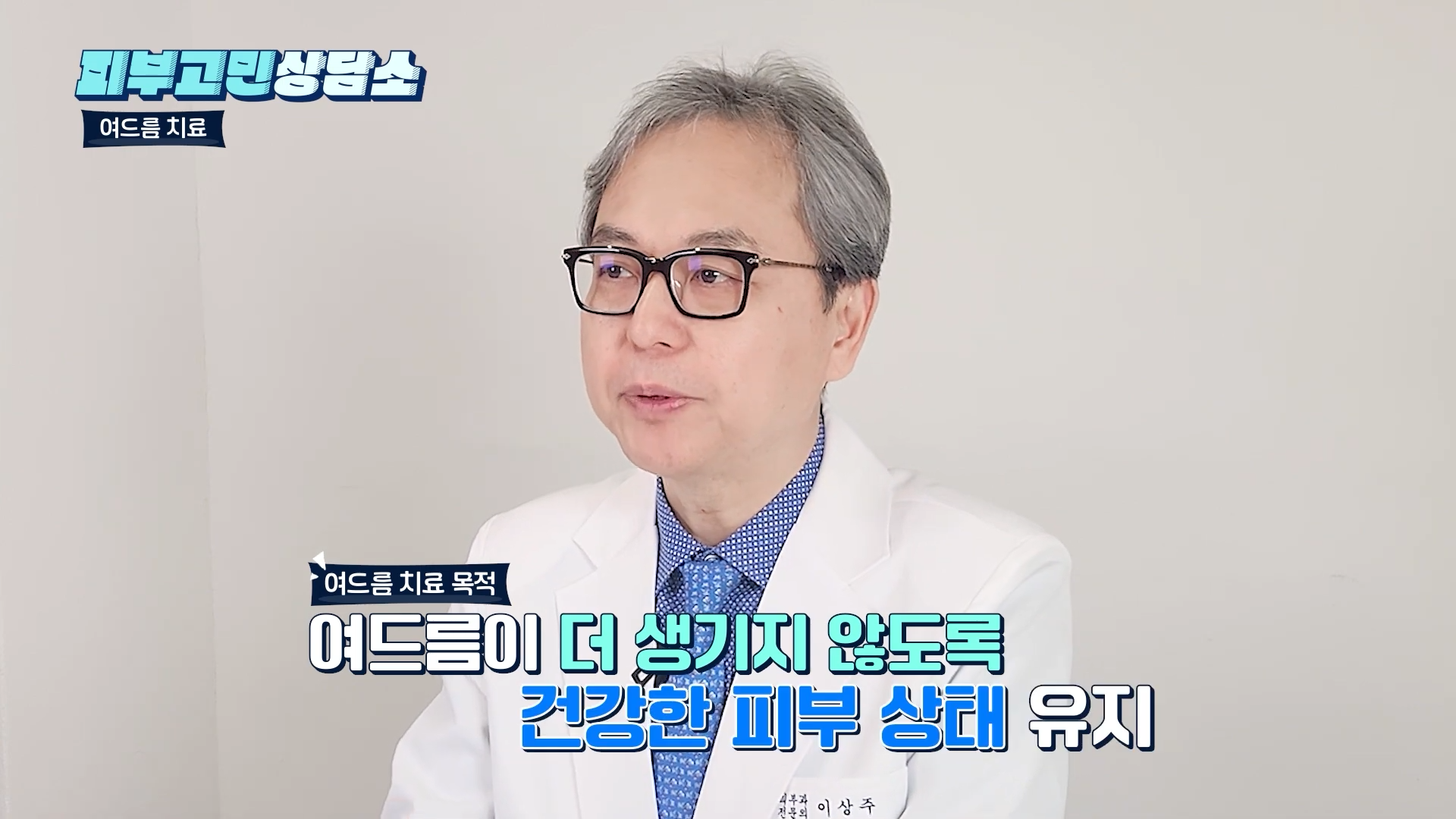
What is the difference between acne marks and scars?
Even if they look like the same trace, their nature changes depending on the depth of skin damage. Shallow pigment changes are closer to marks, while damage extending to the dermis is classified as scars. Approaching both in the same way may make it difficult to achieve satisfactory results.

In the clinic, it is not uncommon for patients to consider marks and scars the same and seek only one method. Therefore, understanding the cause of the remaining marks and their current state is paramount.
Distinguishing the depth of the trace is the first step in proper management, and skipping this may lead to the same concerns recurring in the same spot.
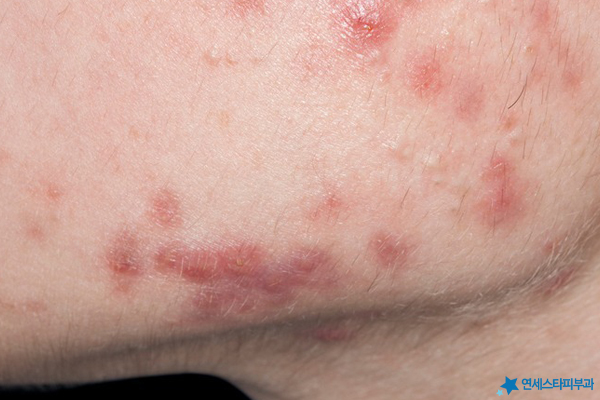
How do I distinguish between a mark and a scar?
Depending on how deep the skin damage has progressed, the nature of the trace varies. The table below summarizes the general differences between the two conditions, though actual judgment may vary depending on skin condition.
| Classification | Acne Mark | Acne Scar |
|---|---|---|
| Damage Depth | Epidermis ~ Shallow Dermis | Dermal Layer Damage |
| Main Appearance | Redness, Pigmentation | Indentations, Surface Irregularities |
| Tendency to Change | May fade over time | Slow natural recovery |

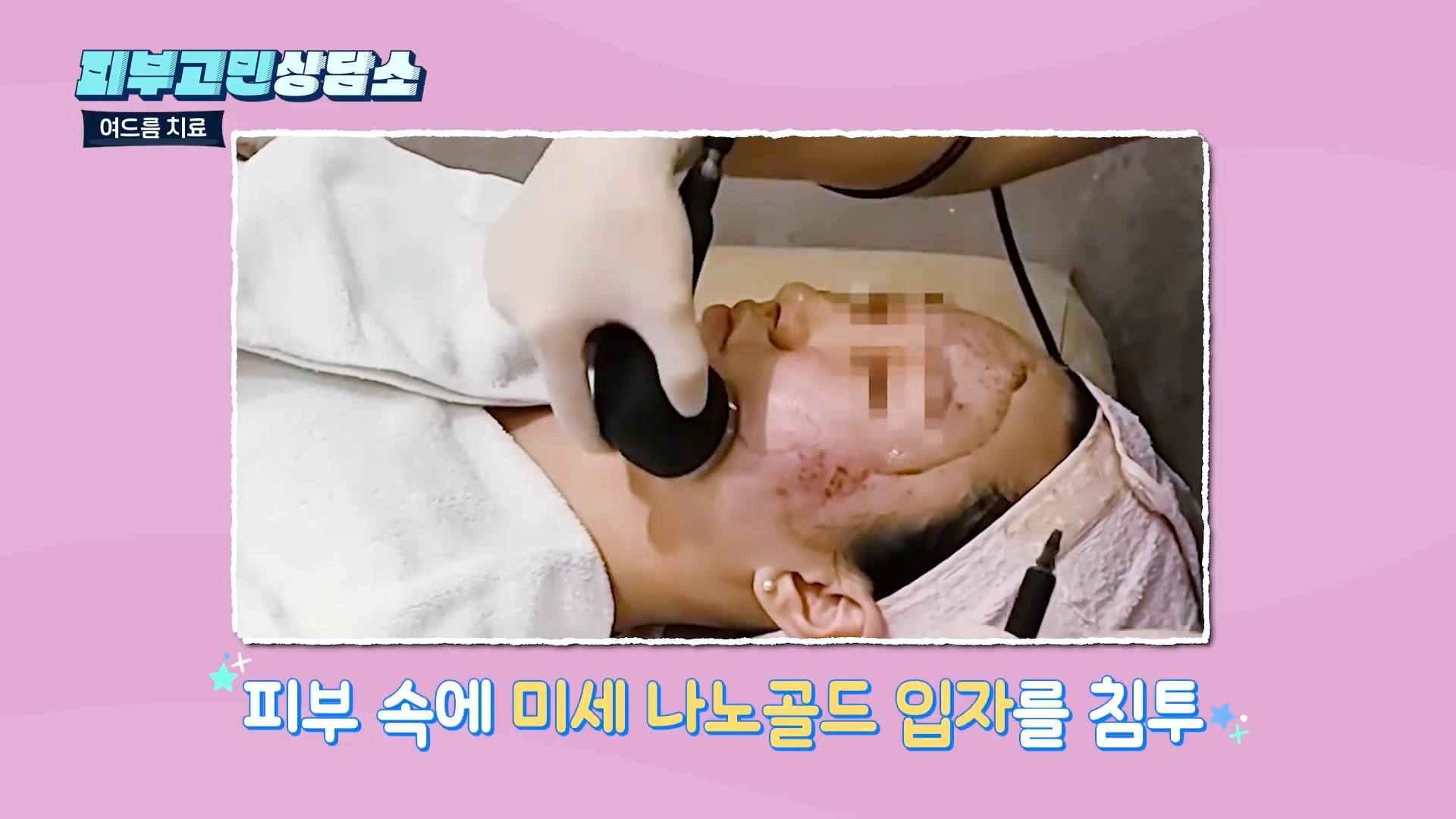
If redness is prominent, it may be helpful to consider it alongside facial redness or red acne scar areas. If the surface is deeply indented, it may be a condition closer to acne scar with dermal damage.
Early stages are more favorable before traces harden
To erase acne marks, it is much more advantageous to manage them in the early, inflammatory stage before scars form. An approach that controls the inflammation itself before the marks settle can reduce the burden of subsequent management.

Basic care you can take at home to prevent marks from hardening includes:
- Do not squeeze inflammatory acne with your hands
- Reduce pigmentation stimulation with UV protection
- Maintain skin barrier with moisturizing
- If initial changes are observed, do not delay seeking medical consultation

For questions, inquire via chat consultation regarding acne mark management
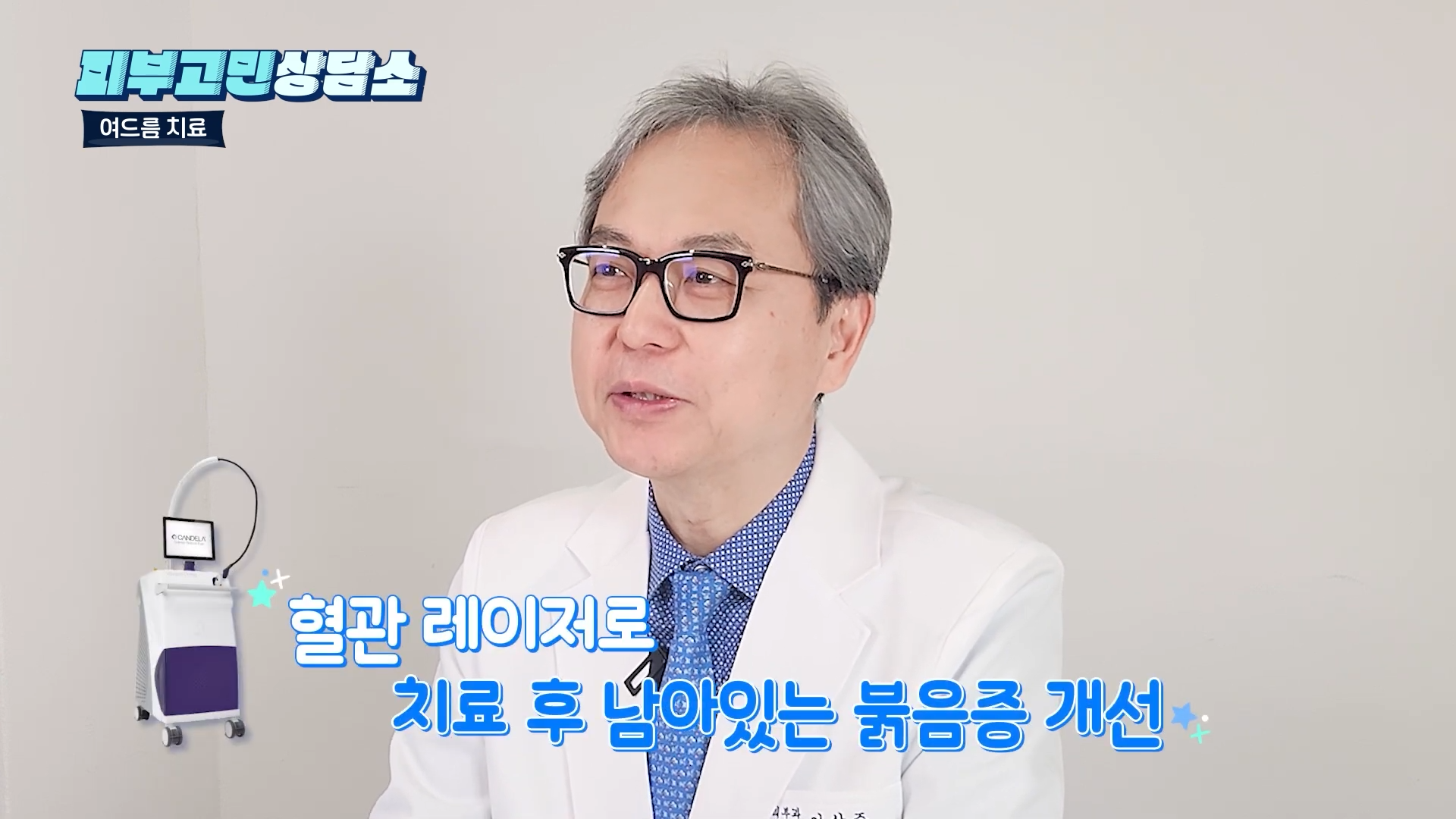
Approach in the inflammatory stage
Gold PTT plays a role in helping acne marks be cleanly erased by comprehensively addressing sebaceous glands and inflammatory reactions in the inflammatory acne stage. Furthermore, combining it with the Vbeam Prima vascular laser to improve redness can help reduce the progression to scarring.

If redness persists for a long time, it may be helpful to consider vascular-related approaches together. If pigmentation is prominent, epidermal pigment removal for blemishes, age spots, and freckles can also be considered. However, treatment effects may vary depending on individual skin condition and acne type, and will be determined after consultation with a specialist.
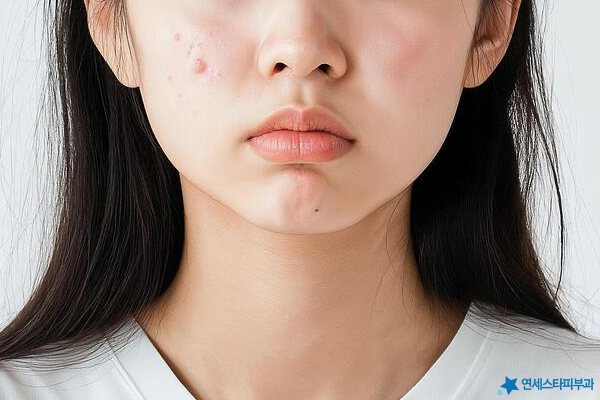
If indented scars or pigmentation have already formed
If indented scars or pigmentation remain, specialized scar treatments are often combined. Laser treatments such as Ultrapulse Alpha and StarLux, which are favorable for activating regeneration, are used, and procedures like Subcision may be combined to fill in deeply indented acne marks.
Nowadays, various methods are applied in combination according to skin condition to improve traces left by acne and restore a clean state, creating synergy. If deeply indented marks are a concern, you can also consider atrophic acne scar treatment or the integrated management of premium customized acne scar care.
The most important point is an environment that prevents recurrence
The most important point is to create an environment where acne does not recur. This process must precede effective scar management. Focusing solely on treatments to erase marks, rather than managing the underlying stages of acne to prevent marks from reappearing, enhances the stability of the results.
Mark management is ultimately intertwined with the process of reducing recurrence, and considering both aspects together can lead to better results.
For questions, inquire via chat consultation regarding acne scar treatment
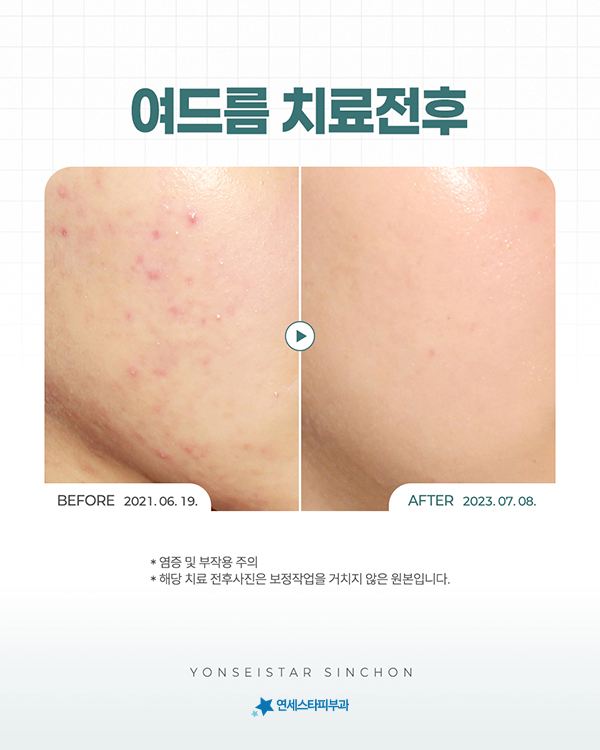

Chief Director Lee Sang-joo (Yonsei University College of Medicine · Graduate School, Doctor of Medicine, completed dermatology residency at Severance Hospital, President of the Korean Dermatological Association) Chief Director Lee Sang-joo's Profile First published 2026-04-17 / Last reviewed 2026-06-16 This article provides general information, and since the condition of marks and treatment responses vary by individual, please confirm an accurate diagnosis through consultation with medical staff.