

Burn scars are marks left when the skin heals, with differences in color, texture, and lumpiness compared to normal skin. "My scar is so old, can it still be removed now?" is the question we hear most often in the consultation room. To answer directly, even old burn scars can be noticeably improved with laser treatment alone, without surgery. However, it's important to first understand that this is not a short-term treatment.

Why are burn scars known to be difficult to treat?
In the past, many people lived with burn scars because of the perception that treatment was not very effective. However, the difficulty in treating burn scars was not simply because the scars were old.
In the past, there were few hospitals specializing in burns, and it was often difficult to receive proper emergency care immediately after a burn. As a result, old burn scars often remained wide and deep, which solidified the idea that "treatment is difficult."

Nevertheless, removing old burn scars is not impossible. If you receive treatment from a dermatologist specializing in burn scar treatment, using methods proven effective through various clinical trials, you can expect significantly improved results.

How do burn scars form?
Depending on the severity of the burn, the epidermis, dermis, and skin structures like hair follicles and sweat glands can be damaged. The damaged skin regenerates with fibrous tissue such as collagen, and this process is the starting point for scar formation.

If fibrous tissue is excessively and disorderly produced during the regeneration process, it results in a burn scar with significant differences in skin color, texture, and lumpiness compared to normal skin. This is why even burns on the same area can result in different scar shapes and depths depending on the healing process.
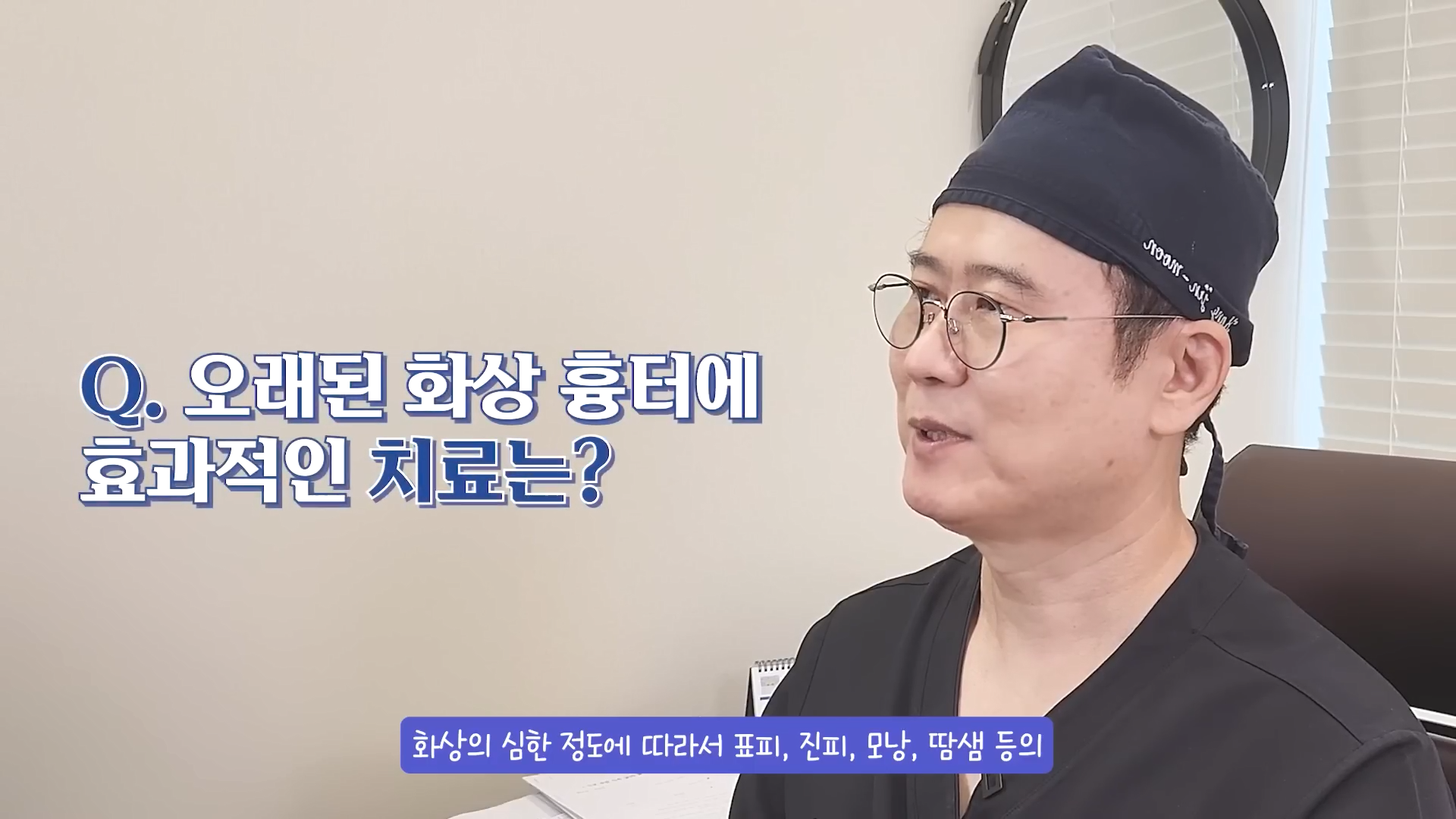
Burn scars are not merely a problem of residual color; they represent a disrupted fibrous tissue structure in the deep layers of the skin. Therefore, a treatment approach that addresses not only the surface but also the underlying structure is important.

From Surgery to Laser Treatment: A Changing Trend
In the past, surgical methods such as skin grafting or tissue expansion were primarily used for burn scar treatment. However, because the cosmetic improvement was not always fully satisfactory, laser treatment methods have recently become widely used.
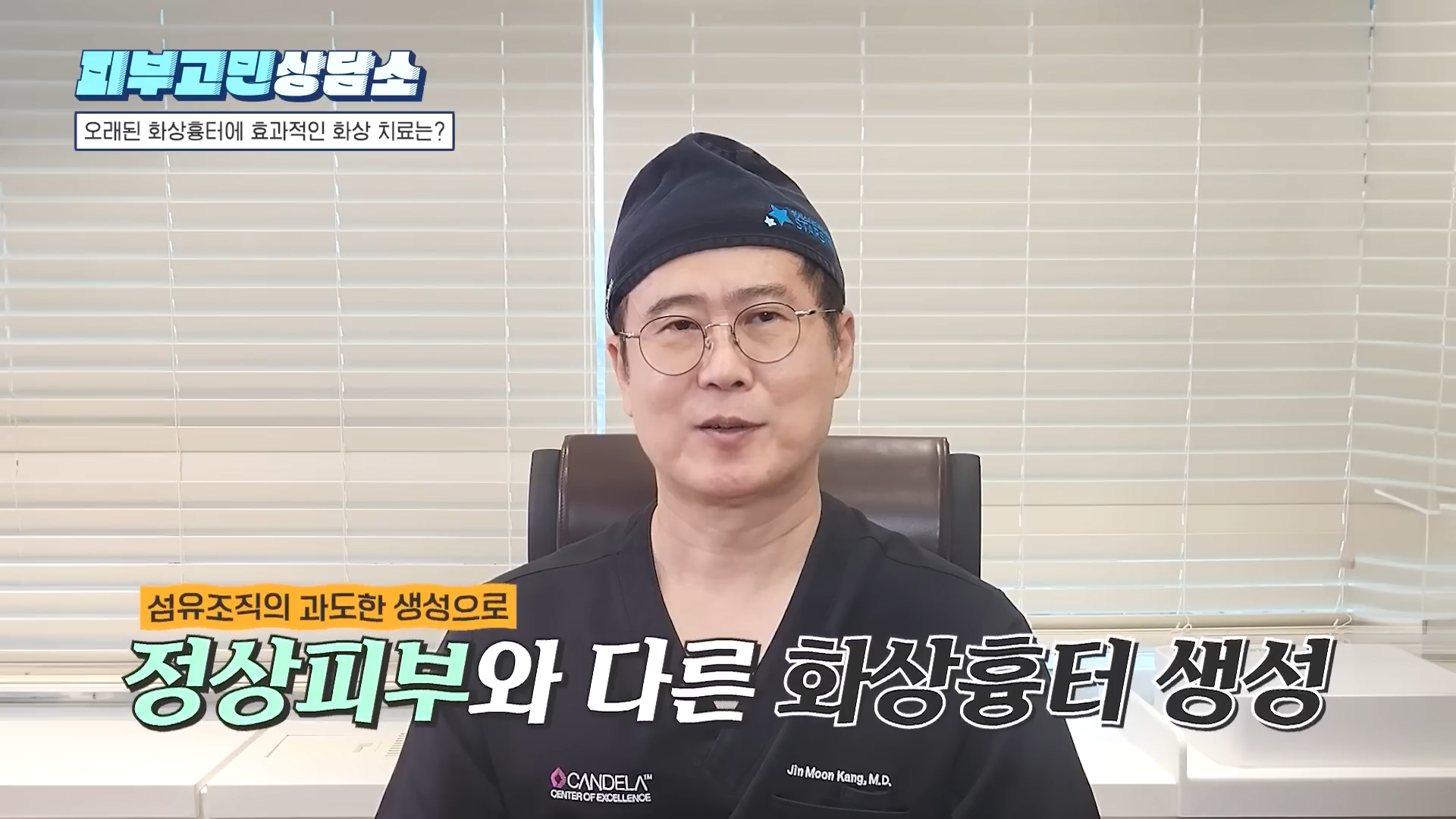
By appropriately using lasers that induce skin cell regeneration, tailored to the scar condition, even old burn scars can be expected to improve without surgery. Detailed approaches for each scar type can be found in the Causes and Treatment Directions for Burn Scars guide.
The commonly considered methods for burn scar treatment are summarized as follows:
| Method | Characteristics | Primarily Considered For |
|---|---|---|
| Pinhole Technique | Creates microscopic holes in the scar to reduce contracture and lumpiness, inducing skin regeneration | Deep and severe burn scars |
| Scar Laser | Focuses on improving skin surface and texture | Relatively less severe scars |
| Triamcinolone Scar Injection | Adjunctive treatment to flatten lumpy and raised scar tissue | When hypertrophic changes are present |
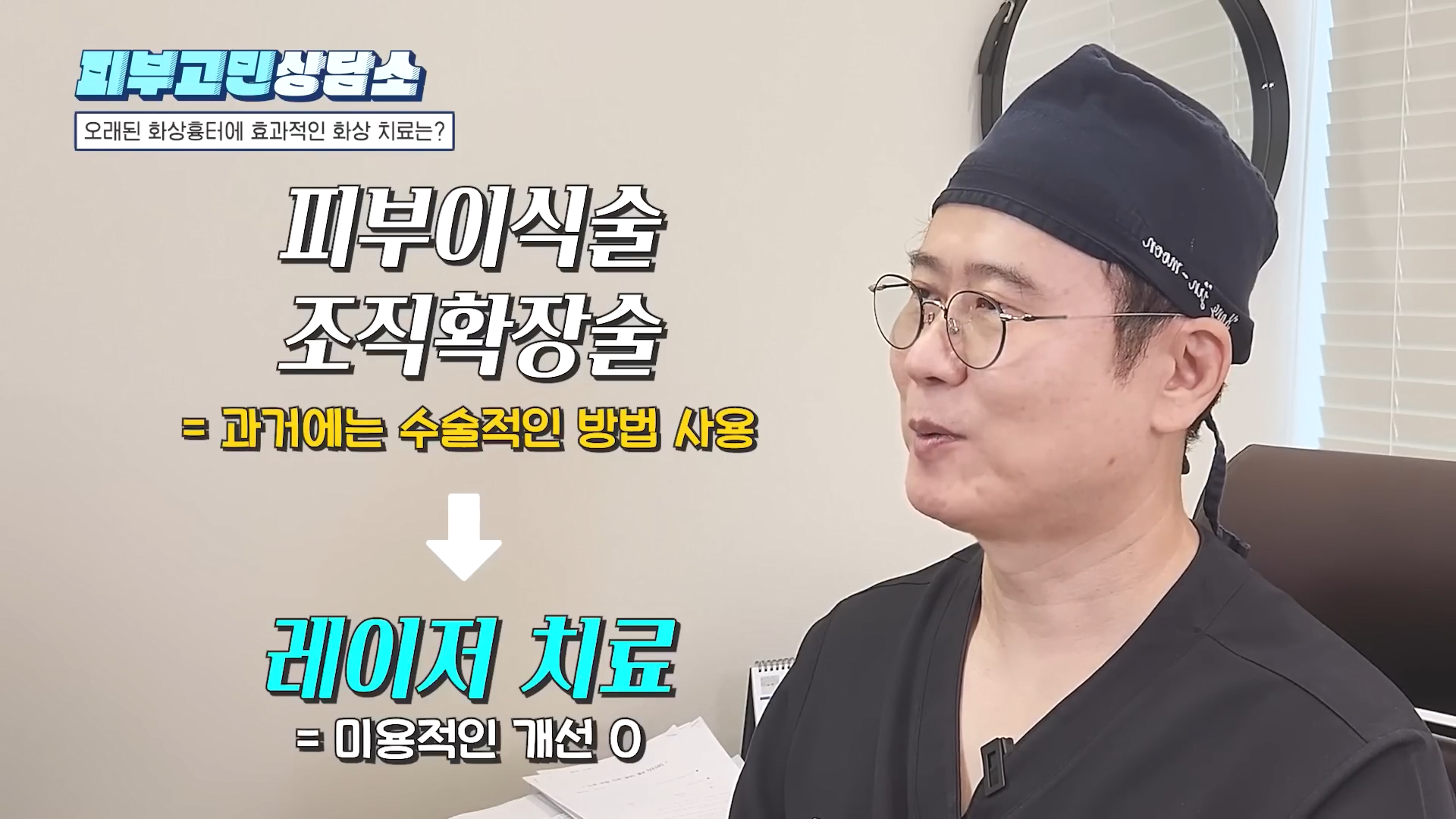
What is the principle of the Pinhole Technique?
After Yonsei Star Dermatology Sinchon reported the Pinhole Technique to academia in the early 2000s, it has become an established method for burn scar treatment. It involves creating microscopic holes in the burn scar area with a high-output scar laser, reducing contracture or thick, lumpy skin commonly seen in burn scars, and inducing powerful skin regeneration. Good results have been reported even for severe burn scars.
If you are curious about Pinhole-type treatments, referring to the Mild Pinhole Treatment Guide and Pinhole Alpha Treatment Guide may be helpful.

For burn scars that are not very severe, combining scar laser and Triamcinolone Scar Injection alone can achieve improvements similar to the Pinhole Technique. Since the combination varies depending on the depth, shape, and lumpiness of the scar, it is better to assess the condition before deciding on a single method.
For inquiries, chat with us about burn scar treatment methods
The Most Important Thing for Satisfactory Results
While treatment methods vary for each scar, there is one common and crucial factor for satisfactory burn scar improvement: consistent treatment.

We fully understand the desire to see quick results with just about 3 treatments. However, scar treatment is a long-term process that takes more time than expected. Keeping the following points in mind during the treatment process can be helpful:
- The number and duration of treatments needed may vary individually depending on the scar severity and skin condition.
- Consistent treatment at regular intervals is more important than a single treatment.
- It is advisable to combine sun protection and moisturizing care during the recovery period between treatments.
- Deeper scars require a longer approach for the surface to be refined.
- Not stopping midway, even if changes feel slow, affects the outcome.
While there may be individual differences depending on the scar severity and skin condition, consistent treatment can lead to improvement in old and severe burn scars.

What Scar Treatment Changes
There was a person who shared that after receiving treatment for a facial burn scar that had formed in childhood, they regained confidence and changed their daily life, having previously given up on dating or marriage.
In this way, scar treatment goes beyond simply improving the skin; it can change a person's daily life, which is why we always approach it with a sense of reward and responsibility. We have explained the direction of treatment for old burn scars and why consistency is important.
Yonsei Star Dermatology Sinchon will continue to work with those struggling with burn scars to help them regain their daily lives.
💬 Chat with us now
Chief Director Lee Sang-joo (MD, PhD, Yonsei University College of Medicine and Graduate School, completed dermatology residency at Severance Hospital, President of the Korean Dermatological Association) Chief Director Lee Sang-joo's Profile First published 2024-11-27 / Last reviewed 2026-06-16 The appearance and treatment response of burn scars can vary from person to person, so we recommend consulting with medical staff to determine an accurate diagnosis and treatment plan.