

Removing a tattoo is as difficult a decision as getting one. The first question people ask when looking into tattoo removal is usually the same: "Will I be left with a scar after removal?" While laser techniques that break down pigment into tiny particles for expulsion from the body have advanced, allowing for more delicate removal than before, concerns about scarring remain the biggest worry.
Why Scars Form When Removing Tattoos
Tattoos settle into different forms deep within the skin layers depending on their size, color, ink used, and location. Therefore, these conditions also influence the likelihood of scar formation during the removal process.
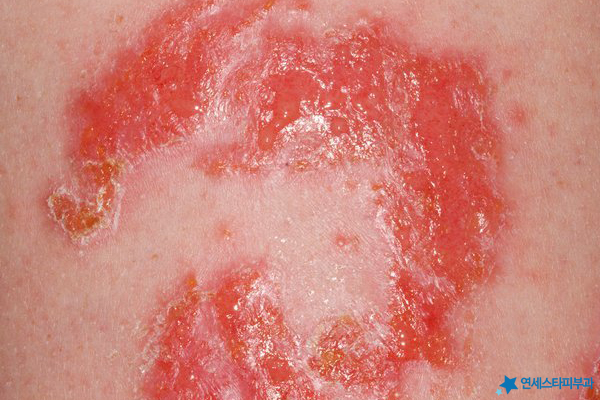
Tattoo removal proceeds by using a laser to break down pigment embedded in the dermis into tiny particles, which are then expelled through the lymphatic system. It is reported that if excessive intensity adjustment or inappropriate equipment selection is repeated during this process, it can lead to scarring. Ultimately, the risk of scarring depends not on how quickly the ink is removed, but on how much skin damage can be minimized during removal.
What to Check When Choosing a Tattoo Removal Clinic
Before choosing a clinic, carefully considering the following points can help reduce concerns about scarring:
- What laser equipment is used? Low-performance or old equipment may not sufficiently break down pigment, leading to increased intensity, which can easily result in a higher risk of scarring.
- Is there a system in place to reduce pain and irritation? The presence of appropriate anesthesia, cooling, and pain control devices can lower the probability of skin damage.
- Is there a scar prevention protocol? Check if there is a systematic approach to post-treatment care, laser intensity adjustment, and customized settings for each skin type.
- Is the treatment interval adjusted based on recovery status? A clinic that prioritizes individual recovery speed over a fixed schedule is safer.
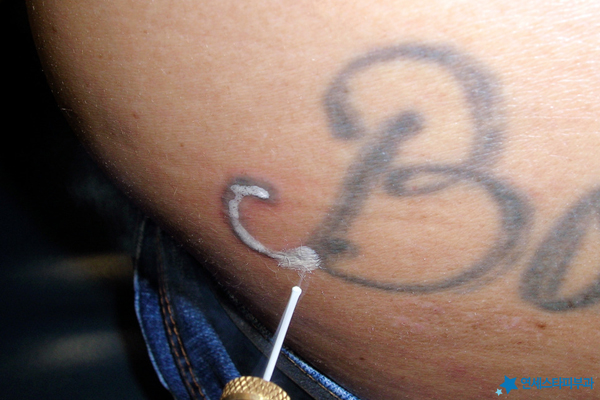
Picosecond Laser and PicoWay
Recently, picosecond laser equipment is preferred in many tattoo removal clinics. Among them, PicoWay stands out, which has expanded the scope of tattoo removal by using various wavelengths depending on the depth and color of the tattoo.
PicoWay is reported to have strengths in terms of safety and performance, and is utilized as equipment that helps reduce the probability of scar formation.
While the equipment itself is important, the judgment to operate that equipment according to the skin condition must also follow to lead to good results.

What is Different About the R0 Technique?
The R0 technique is one method designed to increase the speed of tattoo removal while minimizing irritation. When a laser is applied, a bubbling phenomenon occurs in the lesion. Usually, this bubbling makes it difficult to apply the laser multiple times to the same area in a single session. This meant that the treatment period for tattoo removal was regrettably long.
The R0 technique quickly clears the bubbles that remain in the skin and interfere with laser progression using a special medication. Thanks to this, continuous laser application is possible up to four times in a single session. The differences between the two methods are easy to understand when summarized in the table below:
| Category | Standard Method | R0 Technique |
|---|---|---|
| Shots per session | Primarily 1 shot | Up to 4 consecutive shots |
| Bubble treatment | Wait for natural dissipation | Quickly cleared with medication |
| Intensity burden | Easy to increase | No need to increase excessively |
| Scar risk | Relatively high | Reported to decrease |
Overall treatment speed increases, and there is no need to excessively increase laser intensity, thus reducing the risk of scarring. This means efficient treatment with minimized skin irritation.
If you have more questions about tattoo removal methods or equipment, feel free to ask via chat consultation regarding tattoo removal scars.

What to Look for Before Equipment: Analysis and Experience
No matter how good the laser and method, if the depth of the tattoo, the amount of ink, skin type, and color response are not accurately analyzed, it can lead to problems such as scarring or hyperpigmentation. Therefore, the experience of the practitioner is as important as the equipment.
The key is to choose a place that can create a treatment plan to prevent scarring by considering how deeply the tattoo to be removed has penetrated the skin, how best to handle the ink used, and the individual's skin characteristics and healing properties.
In the clinic, we observe that even with the same tattoo, the ink response and recovery speed vary from person to person. Therefore, creating a personalized plan from the beginning is ultimately the fastest way to reduce scarring. If hyperpigmentation is also a concern, approaches such as Epidermal Pigment Removal for blemishes and pigment can also be considered during the consultation phase.
Tattoo Removal is a Long-Term Race
Tattoo removal is a process that can take longer than expected. The wider the removal area, the darker the ink, the more mixed colors, and the more sensitive the skin, the more necessary it is to comprehensively examine the conditions and proceed slowly. In some cases, it can be a long journey lasting over a year.
Therefore, choosing a tattoo removal clinic that can safely and systematically reduce the probability of scarring from the outset is even more important.

Management Habits to Reduce Scars
Post-treatment care between sessions is as crucial as the treatment itself in determining the outcome. Here are basic rules you can follow at home:
- Do not excessively increase the intensity. Impatience to remove it quickly can lead to more complications.
- Respect the treatment interval and recovery speed. Receiving treatments too frequently without waiting for recovery can increase the risk of erythema, blisters, and scars.
- Follow post-treatment care guidelines. Basic care such as cold compresses, moisturizing, and sun protection can help reduce the incidence of scars.
- Observe pigment changes. If the color darkens during recovery or irritation persists for a long time, consult with medical staff before the next treatment.

In Summary
Tattoo removal is not merely a procedure to erase ink; it is a process that requires long-term, repeated care and attention to minimize skin damage. If you carefully consider whether the clinic can skillfully operate good equipment, has a safe management system, and offers systems to reduce pain and irritation for comfortable treatment, you can significantly alleviate concerns about scarring. We hope you can return to clear skin with effective treatment.
If you would like a consultation, you can easily inquire using the button below.
💬 Consult NowChief Director Lee Sang-joo (MD, PhD, Yonsei University College of Medicine and Graduate School, completed dermatology residency at Severance Hospital, President of the Korean Dermatological Association) Chief Director Lee Sang-joo's Profile First published 2025-11-18 / Last reviewed 2026-06-16
This article provides general information to help understand tattoo removal, and outcomes may vary depending on individual skin condition and tattoo characteristics. Therefore, please consult with medical staff for an accurate diagnosis and treatment plan.